REVIEW · PARIS
Musée d’Orsay Skip-the-Line Tour with Expert Guide
Book on GetYourGuide →Operated by Memories France · Bookable on GetYourGuide
Art shock starts the moment you enter. This Musée d’Orsay skip-the-line tour turns a crowded museum into a clear, story-driven walk through Impressionism and the artists who changed art forever. The setting alone helps: you’re in a former railway station inside a grand Beaux-Arts building that feels like Paris itself is part of the exhibit.
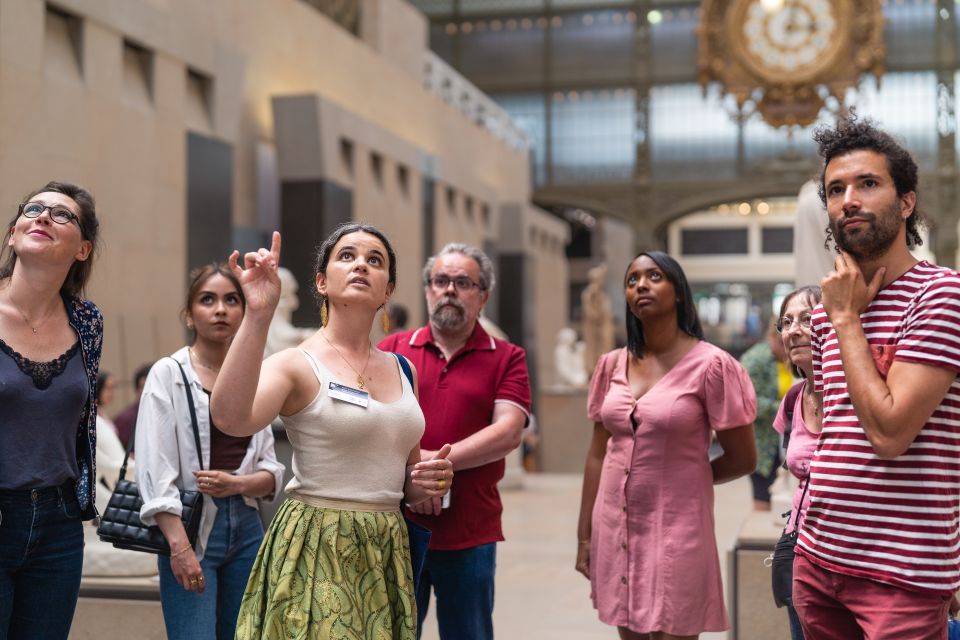
What I like most is how the guide builds meaning, not just facts. You’ll get a focused, headset-assisted tour (so you can actually hear the explanation even when the galleries are packed), and the guide helps you see why those paintings caused outrage when they first appeared. One thing to plan for: the museum can feel fast-paced in a 90-minute format, especially if the group is moving quickly between rooms and you’re eager to stop and stare for longer.
In This Review
- Key highlights to look for
- Why Musée d’Orsay feels like more than a museum
- The value of an expert guide (especially with headsets)
- Skip-the-line at Orsay: how it helps more than you think
- The Impressionist story your guide actually tells
- Major highlights and the quiet corners you might miss
- Timing: 90–150 minutes, and why pacing is the main tradeoff
- Practical arrival: where to meet and how to get there
- Your money’s worth: what $82 actually buys you
- Who should book this tour
- Should you book the Musée d’Orsay skip-the-line tour?
- FAQ
- What’s included in the Musée d’Orsay skip-the-line tour?
- How long is the tour?
- What language is the tour in?
- Where do I meet the guide?
- Do I need to buy museum tickets separately?
- Can I stay in the museum after the guided portion?
- Is there a baggage restriction?
- What’s the best public transport stop?
- Is the tour wheelchair accessible?
- What is the cancellation policy?
Key highlights to look for
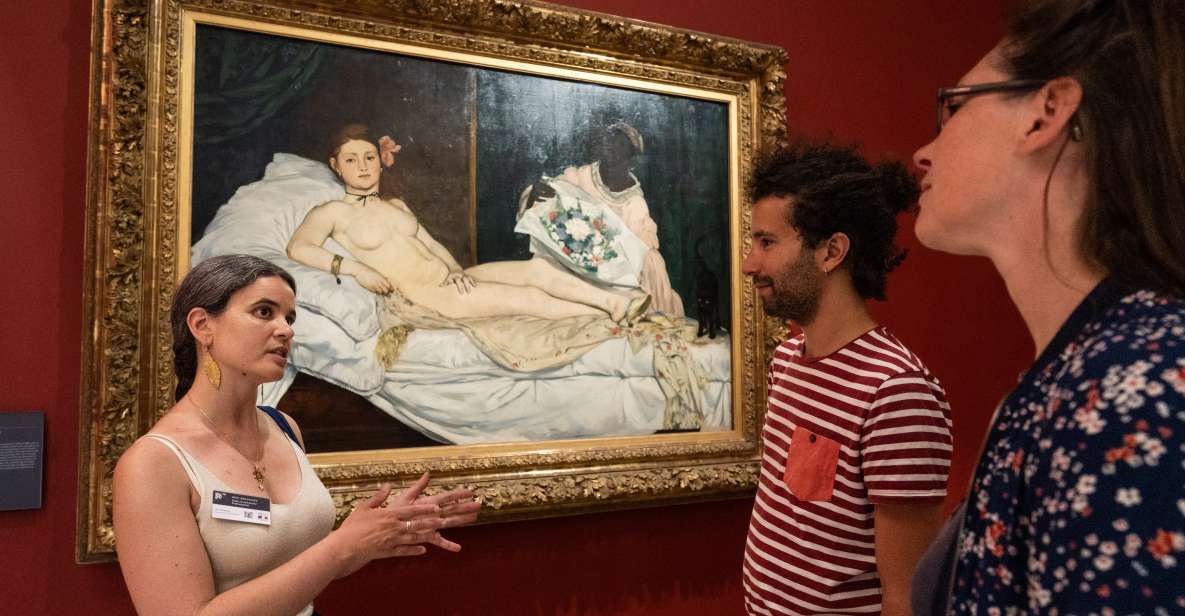
- Skip-the-line entry plus a dedicated entrance to get you inside without wasting precious time
- English live guide who explains stories, ideas, and personalities behind the paintings
- Headsets so you don’t lose the thread in busy galleries
- A museum visit built around Impressionist breakthroughs and the scandal-and-style shift that followed
- You’ll see major highlights and quieter gems, then keep exploring on your own afterward
Why Musée d’Orsay feels like more than a museum
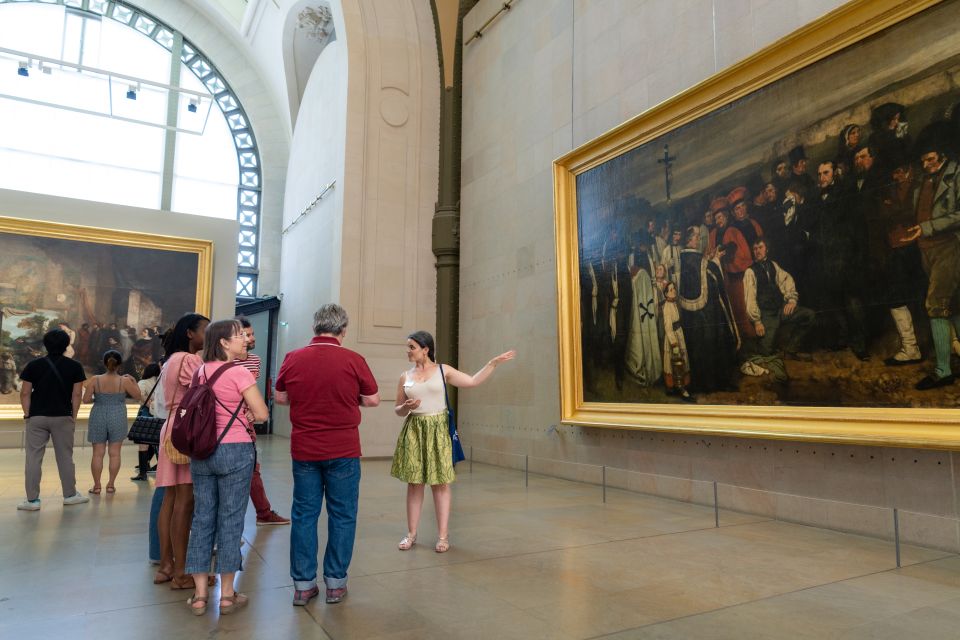
Musée d’Orsay doesn’t just hold art. It frames it. You’re entering a former railway station built for the World’s Fair era, with that grand, old-world structure that makes the whole place feel theatrical. Before you even reach the galleries, you get that Parisian sense of, this is serious space for serious ideas.
And the museum’s “seriousness” matches the art on display. Orsay concentrates on a bold slice of time when artists were breaking rules in public. That matters, because Impressionism didn’t start as polite museum culture. These were new, modern sights and modern painting methods, shown while people were still arguing about what counted as proper art.
If you’ve ever stood in front of a painting and thought, I love it, but I’m missing the point, this is exactly the setting where a good guide helps you catch up. The building puts you in the right mood, and the tour helps you read the paintings with less guesswork.
You can also read our reviews of more guided tours in Paris



The value of an expert guide (especially with headsets)
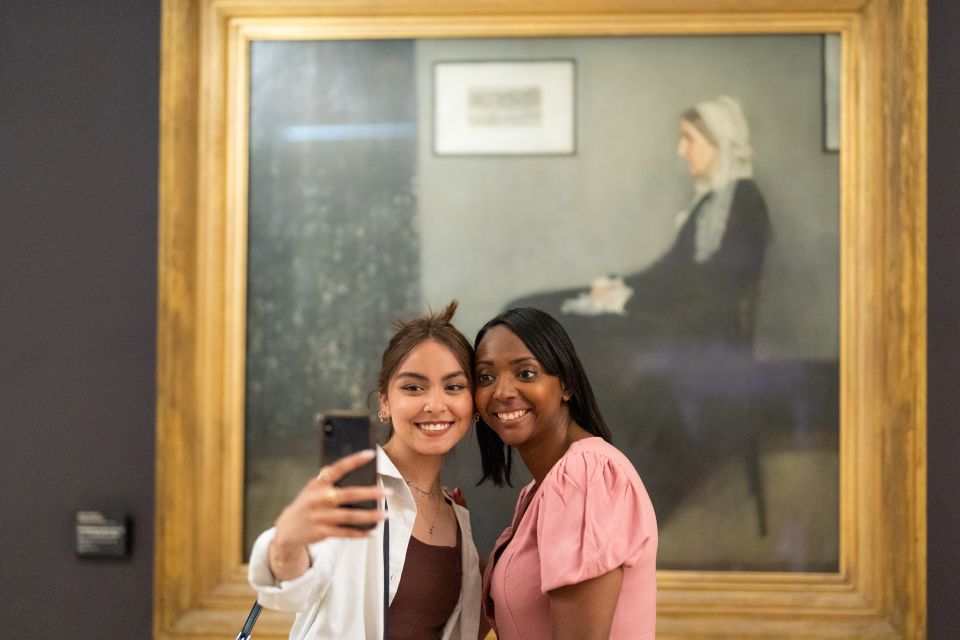
At $82 per person, you’re paying for time saved and understanding gained. Orsay is big, popular, and easy to wander through without a plan. This tour gives you both: a clear path through the museum’s key areas and a guide who can translate what you’re seeing into something you can remember.
The standout practical detail is the headsets. When you’re standing near other groups, there’s always background noise. Headsets let you keep your attention on the guide instead of constantly asking What did they say? That’s not a small convenience. It changes how much you get out of a short museum window.
I also like that the guide doesn’t treat the paintings like isolated objects. The explanations connect artists to each other and to the culture around them. You’re not just viewing works; you’re learning why these styles made people angry, why they looked different up close, and why the ideas spread.
And you can keep going after the guided portion. You get the structure first, then the freedom. That combo is what makes the price feel fair rather than “just another ticket.”
Skip-the-line at Orsay: how it helps more than you think
People underestimate how much waiting drains a museum day. Even if your tickets are timed, lines still eat energy. Here, you get dedicated entrance and skip the ticket line, which means you start your visit while your attention is still fresh.
That time matters because Orsay isn’t a place where you can quickly “sample” everything. You’ll have to choose what to look at carefully. Getting in smoothly helps you spend more of your visit looking and less of it navigating.
The best part is what the tour timing allows you to do afterward. After the guided walk (about 1 hour 45 minutes), you’re free to stay as long as you like. So you can return to paintings that grabbed you, or slow down on details you didn’t have time for during the tour.
The Impressionist story your guide actually tells
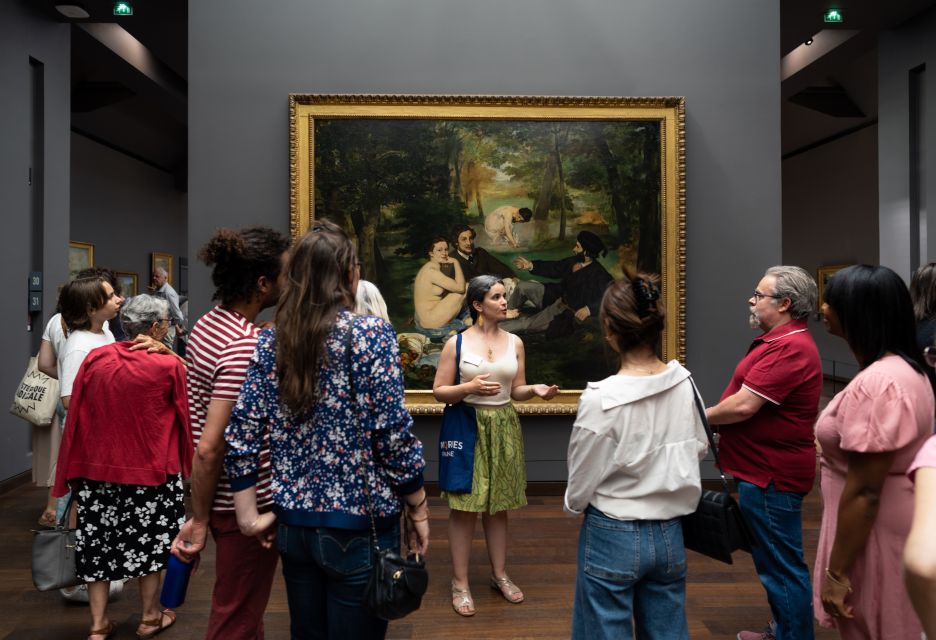
Impressionism can sound like a style label until someone explains the moment it arrived. Your guide will frame it as a shock. When these paintings first appeared, the subject matter and the technique felt wrong to many people.
Expect the tour to focus on the tension between tradition and what was new. Think about the complaints people had: everyday life, visible brushstrokes, vivid color, and scenes that didn’t look polished in the old academic way. That’s why some people considered the works scandalous rather than simply modern.
You’ll connect the “why” to specific artists named in the tour concept: Monet, Manet, Renoir, Degas, and Van Gogh. Rather than treating them like a list of famous names, the guide ties them to changing tastes and changing attitudes.
A few moments tend to land especially well when the guide includes the human side of the art. In the experiences I’m drawing from, guides like Antony and Avi are praised for storytelling that links personal quirks, rivalries, and society’s reactions to what ends up on the canvas. Another guide, Sarah, is noted for adjusting the starting focus so the group can catch Impressionist areas early, before the heaviest crowds settle in.
That kind of flexibility is part of what makes a guided visit worth doing. You’re not stuck with a rigid “read this label, walk to the next room” routine.
Major highlights and the quiet corners you might miss

A highlight tour works best when it points you toward both the obvious and the overlooked. This one is designed to cover major museum moments and also sneak in lesser-known gems so you don’t leave feeling like you only saw the museum’s greatest hits.
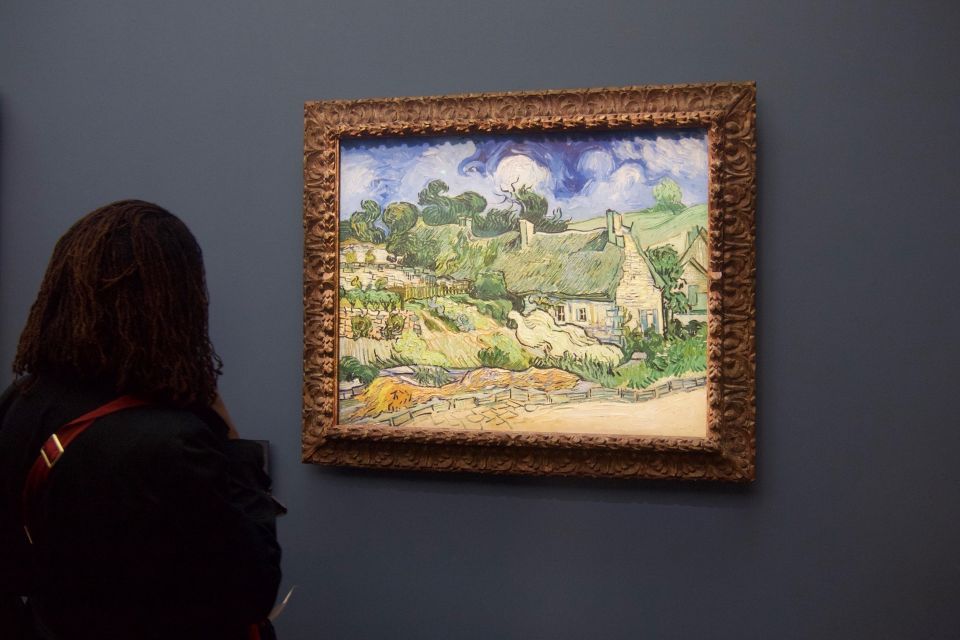
Because Orsay holds a strong concentration of late-19th-century innovation, the “major highlights” typically center on work that represents the shift from old rules to new ones. In practice, that often means you’ll move through key Impressionist areas and end up at places connected to artists like Van Gogh, who is specifically mentioned in the tour structure.
The “hidden treasures” part depends on your guide’s choices, but the tour format encourages you to notice details. You’ll learn what to look for: brushwork, color behavior, how the composition directs your eye, and why certain scenes felt daring when they debuted.
Also, the museum can be packed. In the best-guided groups, that’s handled with movement strategy. Guides are described as managing the crowd well, getting people to good vantage points and keeping the experience from turning into wall-to-wall standing. That matters at Orsay, because if you can’t see the paintings clearly, the art stops working on you.
You can also read our reviews of more tours and experiences in Paris





Timing: 90–150 minutes, and why pacing is the main tradeoff
This tour comes in a 90 to 150 minute window, and it can feel different depending on which slot you choose and how quickly your guide moves the group.
Here’s the practical truth: Orsay is a museum where stopping is part of the experience. If your guided portion is closer to 90 minutes, there’s less time per artwork, and the explanation can feel like it’s rolling forward. One guide performance is described as a bit rushed when the 90 minutes passed quickly, with fast speaking that made it harder to absorb every detail.
That doesn’t mean the tour is bad. It means the format is doing its job: covering the highlights without letting you get stuck in one spot. If you tend to prefer slow museum time, I’d use the tour as the “get oriented” phase, then spend your unstructured time after the guide ends revisiting the paintings you want to study longer.
If you pick up the pace of the narrative early, you’ll get more out of the quick stops. You’ll also know what to prioritize when you return on your own.
Practical arrival: where to meet and how to get there
Meeting point is very specific, which helps when you’re trying to avoid confusion.
Meet your guide opposite the main entrance to the Musée d’Orsay, next to the entrance of the Legion d’Honneur Museum. The guide will wear a guide badge on an orange lanyard, standing by the entrance.
For transit, the nearest options listed are:
- RER Station Musée d’Orsay (Line C)
- Metro Solferino (Line 12)
Plan to arrive a few minutes early. Orsay area streets can be busy, and you want your group to assemble before the museum flow gets too intense.
Also note what not to bring: luggage or large bags are not allowed. If you have a big bag, leave it behind before you go to the meeting point.
Your money’s worth: what $82 actually buys you
It’s fair to wonder if this is “worth it” when you could buy a ticket and walk the galleries yourself. The answer depends on what you want from your Orsay visit.
If you want a highlights overview with context, this price is reasonable. You’re paying for:
- 1 hour 45 minutes of guided focus (not just a quick hand wave)
- a fully accredited local guide
- entrance fees included and a dedicated entrance
- headsets when appropriate
- the ability to stay in the museum afterward as long as you wish
Self-guided is cheaper, but it costs you something: time and the kind of interpretation that makes paintings click. At Orsay, the cost of wandering is that you might not know what you’re looking at or why it mattered historically. A guide prevents that “I saw a bunch of art, but I’m not sure what it means” feeling.
From the guide names that pop up in the experiences you provided, you can also expect strong personalities and clear communication. Antony, Avi, Perrine, Sophia, Sarah, and others are mentioned for being personable, responsive to questions, and helpful in crowded rooms. That kind of guide energy is part of what you’re paying for.
Who should book this tour
This is a strong fit if:
- You love Impressionist art and want the story behind it, not just surface descriptions
- You’re visiting with limited time and want to see the main areas efficiently
- You prefer a guided start, then independent wandering afterward
It’s also a good choice if you’re the type who asks why a painting looks the way it does. A guide who can explain brushwork and the social reaction to these works can make the whole collection feel more personal.
One note on fit: it is not suitable for wheelchair users, based on the activity’s accessibility info.
Should you book the Musée d’Orsay skip-the-line tour?
I’d book it if you want your Orsay visit to feel organized and meaningful, not chaotic. The best reason is the combination: skip the line, get an expert guide with headsets, see the key Impressionist threads, then keep exploring at your own pace.
I would hesitate only if you strongly prefer slow, label-by-label museum time during the main visit. If that’s you, consider using a guided session as the orientation phase and plan extra time afterward to linger in the galleries that call to you.
If you’re aiming to understand why this museum is so beloved in Paris—and why these painters caused real-world arguments when they debuted—this tour is one of the most practical ways to get there fast.
FAQ
What’s included in the Musée d’Orsay skip-the-line tour?
You get a guided tour of about 1 hour 45 minutes, a fully accredited local guide, dedicated entrance with entrance fees included, and headsets when appropriate. You can also stay in the museum after the tour for as long as you like.
How long is the tour?
The duration is listed as 90 to 150 minutes, depending on the starting time you choose.
What language is the tour in?
The live tour guide is in English.
Where do I meet the guide?
Meet your guide opposite the main entrance to the Musée d’Orsay, next to the entrance of the Legion d’Honneur Museum. The guide will wear their guide badge on an orange lanyard.
Do I need to buy museum tickets separately?
No. Entrance fees and the dedicated entrance are included, and the tour is designed to help you avoid the ticket line.
Can I stay in the museum after the guided portion?
Yes. After the tour, you are free to remain in the galleries for as long as you wish.
Is there a baggage restriction?
Yes. Luggage or large bags are not allowed.
What’s the best public transport stop?
The nearest options listed are RER Station Musée d’Orsay (Line C) or Metro Solferino (Line 12).
Is the tour wheelchair accessible?
No. The activity is listed as not suitable for wheelchair users.
What is the cancellation policy?
You can cancel up to 24 hours in advance for a full refund. Refunds are not possible for missed tours.