REVIEW · PARIS
From Paris: Full-Day Champagne Tour
Book on GetYourGuide →Operated by Paris' TRIP · Bookable on GetYourGuide
A day chasing bubbles beats a museum day. You’ll get a focused look at how Champagne earned its crown, from the bigger names in Épernay to Hautvillers, tied to Dom Pérignon. I like the way this trip pairs classic tastings in Épernay with a real sense of place at Hautvillers and Dom Pérignon.
The main thing to weigh is pacing and space: it’s a long day in a small minivan, and on some days the cellar visit can be limited. If you’re the type who wants hours in underground galleries and lots of pours, you might feel a bit rushed.
In This Review
- Key things to know before you go
- Champagne Tour From Paris: What You’re Really Buying
- Meeting Point and the 11-Hour Minivan Day Plan
- First Stop in Épernay: Moët & Chandon, Mercier, or Taittinger
- Hautvillers and Dom Pérignon: The Bottle’s Human Backstory
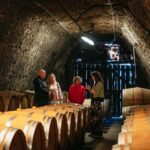
- The Family Producer Cellar Visit: Where Tasting Feels More Like a Conversation
- How 4 or 5 Tastings Add Up (and Why Time Matters)
- Lunch Break in the Champagne Countryside: How to Use the Free Time
- Price and Value: Is $311 a Fair Deal?
- Who Should Book This Champagne Day Trip
- Before You Go: Small Tips That Save the Day
- Should You Book This Tour?
- FAQ
- How long is the Champagne tour from Paris?
- Where is the tour meeting point in Paris?
- How many champagne tastings are included?
- Which Champagne houses might you visit?
- What will you see in Hautvillers?
- Is lunch included?
- What should I wear for the cellar visits?
- Is the tour wheelchair accessible?
- Are children or teens allowed on the tour?
- What are the cancellation and payment options?
Key things to know before you go
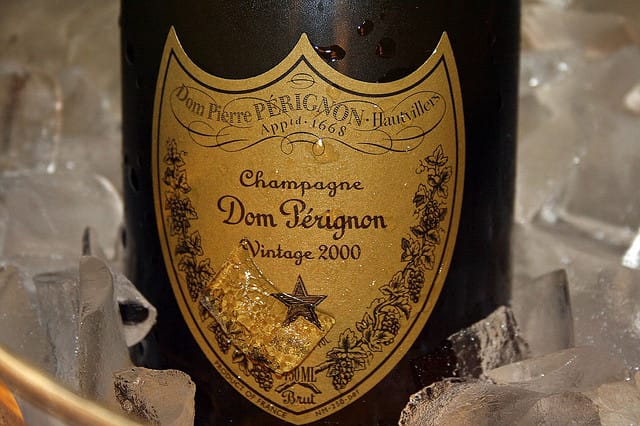
- Épernay big-house tasting first: you visit a top producer such as Moët & Chandon, Mercier, or Taittinger (or similar).
- Hautvillers stop for Dom Pérignon’s tomb: you see where the story of Champagne’s early improvements connects.
- A family producer tasting after: you get a contrast to the big brand experience with a more personal feel.
- 4 or 5 tastings total: the day is built around sampling, but glasses and time can vary.
- Cold, damp cellars are part of the plan: bring warm layers for underground time.
- Small group up to 8: it’s not a huge bus crowd, but the minivan can still feel tight.
Champagne Tour From Paris: What You’re Really Buying
This is a day trip with one clear goal: tasting Champagne while learning how it gets made and marketed, from top-tier houses to smaller producers. You leave Paris by air-conditioned minivan, head into the Champagne region in Grand Est, and spend your day bouncing between places that shaped the drink.
What makes it appealing is the structure. One stop gives you the big-picture brand story and a polished tour experience. Another stop pulls you toward the roots, with Hautvillers and Dom Pérignon. Then you finish with tastings at a family producer, which tends to feel less scripted and more human.
The day is also designed to reduce decision fatigue. You don’t need to plan transport between towns, figure out tasting rooms, or juggle multiple reservations. Your guide handles it, and you’re out in the countryside for much of the day.
You can also read our reviews of more wine tours in Paris

Meeting Point and the 11-Hour Minivan Day Plan
You meet at the Club le Duplex 2, bis avenue Foch, 75116 (in Paris). Expect an all-day schedule: the tour runs for 11 hours, and you’ll be on the road from the capital into the Marne valley area around Épernay and Hautvillers.
You’ll likely appreciate that the group is capped at 8 participants. That means fewer people to compete for guide attention and a more manageable flow in tasting rooms. Still, it’s a minivan. Even with a small group, the seats can feel close for long stretches.
Dress for weather and for cellars. Even when the Champagne countryside is mild, underground galleries are usually cold and damp, so you’ll want a warm layer you can actually stand to wear during tastings.
First Stop in Épernay: Moët & Chandon, Mercier, or Taittinger
Épernay is where Champagne tourism gets serious. The town is lined with prestigious houses, and it’s part of why people love this region: you can move from one storied producer to the next without losing the setting.
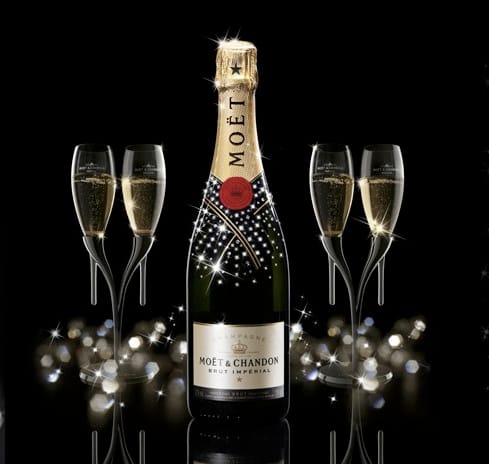
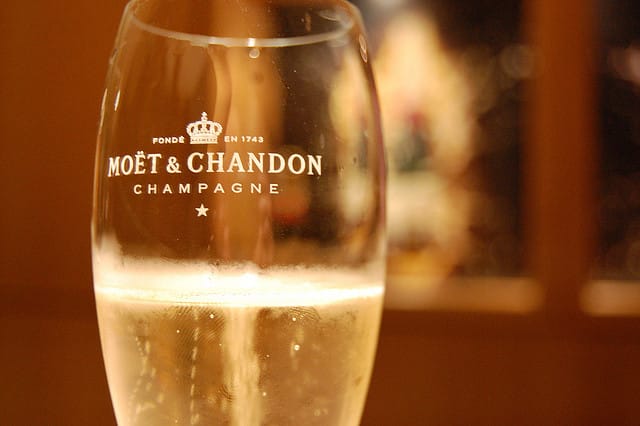
On this tour, your first major tasting is at a top Champagne house. The tour can include Moët & Chandon, Mercier, Taittinger, or a similar producer. If you happen to get Moët & Chandon, you’ll hear their background: founded in 1743, with Champagne gaining major fame in the 1750s when King Louis XV demanded sparkling wine.
What you should expect at a big house is a mix of storytelling and sampling:
- a guided overview of production and brand heritage
- a cellar or facility visit
- tasting(s) paired with explanations from staff
One practical consideration: big houses can feel efficient, even when the staff is friendly. If your expectation is a long, slow, do-everything cellar experience, plan for a tighter format. Some visits may focus more on a quick overview plus tasting, then move on.
Hautvillers and Dom Pérignon: The Bottle’s Human Backstory
After Épernay, you head to Hautvillers, just north of Épernay on the banks of the Marne. This is where the day shifts from brand identity to a specific person and place tied to early Champagne development.
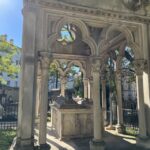
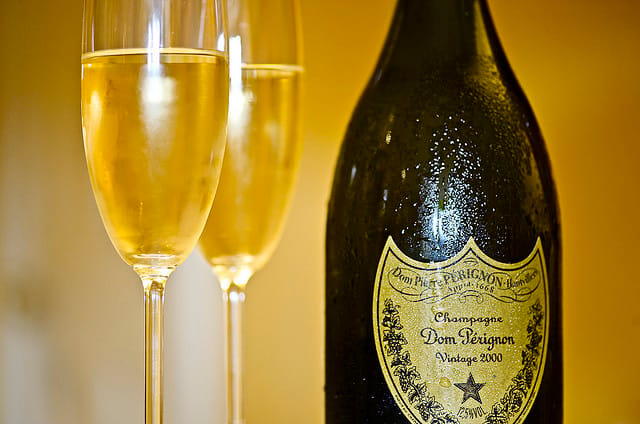
You’ll stop to see the tomb of Dom Pérignon. You’ll also hear that Dom Pérignon worked there in the 1670s to improve the quality of wine and Champagne. It’s a small stop compared to what you’ll do in Épernay, but it lands well because it puts a face and timeline to the region’s reputation.
If you like history, this stop gives you a thread to hold onto as you taste. Even if you don’t treat it like a museum visit, it helps you understand why Champagne culture values craftsmanship, consistency, and the skill required to make bubbles.
One note: this portion of the tour is weather-dependent. Hautvillers is outdoors for parts of the walk and viewpoints, so wear shoes that handle uneven ground and dress appropriately.
The Family Producer Cellar Visit: Where Tasting Feels More Like a Conversation
Your last Champagne tasting stop is at a family producer. This is the part that tends to feel the most valuable to many people because it contrasts with the polished big-house rhythm.
At a family operation, you can often get answers that feel simpler and more direct: what makes their style different, how they think about acidity and fruit, and how they approach blending. You’re still learning, but in a smaller environment where you can actually connect tasting notes to real people behind them.
Expect additional tastings here as part of the day’s total of 4 or 5 champagne tastings. The cellar visit is a key piece, and yes, you’re typically back underground again—so warm clothes matter.
This is also where guide quality can show. When the guide is strong, you get clearer explanations and better pacing through the tasting process. When guide experience is less strong, the tasting can feel more like you’re moving from glass to glass without much added insight. It doesn’t change the Champagne itself, but it changes how much you walk away with.
You can also read our reviews of more tours and experiences in Paris




How 4 or 5 Tastings Add Up (and Why Time Matters)
The tour is built around sampling, but it’s still useful to set expectations about quantity and pacing.
You’re included for 4 or 5 champagne tastings, plus a cellar visit and tastings at both a top house and a family producer. In practice, that can translate into:
- multiple small pours rather than full glasses
- a tasting format that varies by producer and schedule
- time that feels tighter at the big house and more relaxed at the family stop
Think of the tastings as comparison tasting, not a party. The value is in learning how different producers (and different approaches) can land on distinct flavors and styles even within the same overall Champagne category.
If you’re coming in expecting a lot of liquid volume, you may find the day gives you more education than intoxication. Still, it’s an efficient way to learn what you like without spending a full day doing it on your own.
Also remember the rule: you must be 18 or older to be served alcohol. If you’re traveling with teens or someone under legal drinking age in France, they won’t be served, even though they may still join the tour.
Lunch Break in the Champagne Countryside: How to Use the Free Time
Lunch is not included, but you do get free time for lunch with recommendations from your guide. This matters because the region is spread out and dining choices can be hit-or-miss if you’re wandering without a plan.
Use this break to do two things:
- eat somewhere easy so you don’t cut your afternoon short
- pace yourself so you’re comfortable for the next cellar and tasting
Keep it simple. If you’re in doubt, ask your guide for a nearby option, since the timing can be tight and you’ll want to return without stress.
Price and Value: Is $311 a Fair Deal?
At $311 per person for an 11-hour tour from Paris, you’re paying for a mix of logistics and structure:
- round-trip transport by air-conditioned minivan
- a live English-speaking guide
- small group size (max 8)
- multiple producer stops in the Champagne region
- cellar access and 4 or 5 tastings
- Hautvillers and the Dom Pérignon tomb stop
So the question isn’t just price. It’s what you care about.
If you want a guided introduction to Champagne culture, and you like the idea of comparing a major house setting with a family producer setting, the pricing can make sense. You’re not just buying Champagne. You’re buying time, transportation, and an organized path between key towns.
If your top priority is maximum cellar time, deep hands-on production detail, or lots of poured Champagne at each stop, then the value is less certain. A big house visit can move quickly, and a cellar visit can be limited if access changes.
Bottom line: it’s a good value when the day runs smoothly and the guide keeps explanations clear. It’s less impressive if you feel you got only a quick tasting with little context.
Who Should Book This Champagne Day Trip
This tour fits best if you’re:
- visiting Paris and want a Champagne day that doesn’t require planning transportation and reservations
- curious about how Champagne got its reputation, not just the taste
- happy with a tasting-focused agenda and want comparison between producers
- traveling as a small group and prefer the intimacy of up to 8 people
It may be less suitable if you:
- have mobility limitations, since it’s not suitable for people with mobility impairments or wheelchair users
- want a long, slow cellar marathon with minimal walking and no underground waits
- expect food included (it is not)
Before You Go: Small Tips That Save the Day
Cellars are cold and damp, so bring layers. A scarf, light jacket, and warm socks help more than you’d think once you’re underground.
Wear shoes you can stand and walk in during outdoor stops around Hautvillers. If you get seat-squeezed on the way out of Paris, just know that it’s a minivan schedule for a full day—packing a small neck pillow or choosing a seat early can make a difference.
And for the tasting mindset: take notes if you’re the kind of person who likes patterns. The point isn’t to memorize everything. It’s to leave with a sense of what styles you genuinely prefer.
Should You Book This Tour?
Book it if you want a straightforward Champagne education day: Paris-to-Épernay-to-Hautvillers, with multiple tastings and the story behind Dom Pérignon. For many visitors, the mix of big-house structure and family-producer atmosphere is exactly what makes it satisfying.
Skip it or adjust expectations if you’re chasing long cellar time or lots of pouring at every stop. Also keep in mind that the day can feel tight, and cellar access and tasting depth can vary depending on conditions at the producers.
If your idea of a great day is learning while tasting, and you like a small-group format, this tour is a very workable way to taste Champagne without turning the trip into homework.
FAQ
How long is the Champagne tour from Paris?
The tour duration is 11 hours.
Where is the tour meeting point in Paris?
It meets in front of the Club le Duplex 2, bis avenue Foch, Paris 75116.
How many champagne tastings are included?
The tour includes 4 or 5 champagne tastings.
Which Champagne houses might you visit?
You’ll stop at a top Champagne house such as Moët & Chandon, Mercier, Taittinger, or a similar producer in Épernay.
What will you see in Hautvillers?
You stop at Hautvillers to see the tomb of Dom Pérignon.
Is lunch included?
No. Food is not included, but you’ll have free time for lunch with recommendations from your guide.
What should I wear for the cellar visits?
The underground galleries and wine cellars are usually cold and damp, so dress appropriately or bring warm clothes.
Is the tour wheelchair accessible?
No. It is not suitable for wheelchair users or people with mobility impairments.
Are children or teens allowed on the tour?
The tour is not serving alcohol to anyone under France’s legal drinking age of 18.
What are the cancellation and payment options?
You can cancel up to 24 hours in advance for a full refund, and there’s also a reserve now & pay later option.