REVIEW · PARIS
German private Walking Tour through Montmartre & Passages
Book on GetYourGuide →Operated by HelpTourists · Bookable on GetYourGuide
Montmartre makes more sense with a German guide. This private 4-hour walk strings together the big names (Moulin Rouge, Sacré-Cœur, Place du Tertre, Opéra Garnier) with quieter street corners and 19th-century passages that most visitors miss.
I especially like the private format: you get a guide speaking German, tailoring explanations as you go, instead of being lost in a crowd. And I love how the tour connects art, neighborhood life, and city design—so places you might otherwise just photograph turn into stories you can actually remember.
The main thing to consider is time. You’ll cover several areas in 4 hours, and if you’re traveling with young kids who need long seated stops, you may feel the schedule squeeze—so plan for quick breaks when possible.
In This Review
- Key moments worth choosing this tour for
- How a 4-hour private German walk feels in real life
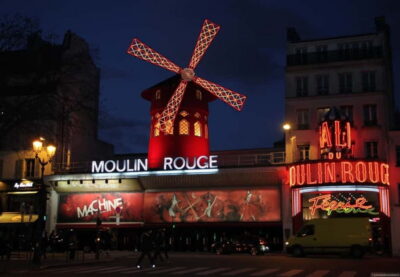
- Place Blanche and Moulin Rouge: the perfect start point
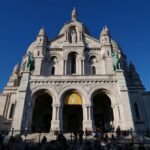
- Sacré-Cœur and Place du Tertre: art square context, not just sights
- Montmartre’s quieter streets: where the crowds thin out
- Grands Boulevards and viewpoints: Paris on its big scale
- The 19th-century passages: Passage Jouffroy and Passage Verdeau
- Palais Garnier and the Phantom: what you’ll pick up en route
- Price and value: is $183 per person worth it?
- Guide impact: why story quality is the real differentiator
- Who should book this tour—and who might skip it
- Should you book? My decision checklist
- FAQ
- What language is the tour guide?
- How long is the walking tour?
- Is this a private tour?
- Where does the tour start?
- Where does the tour end?
- Which major sights will we see?
- How much does the tour cost?
- Can children join?
- What’s the cancellation policy?
- Is there an option to pay later?
Key moments worth choosing this tour for
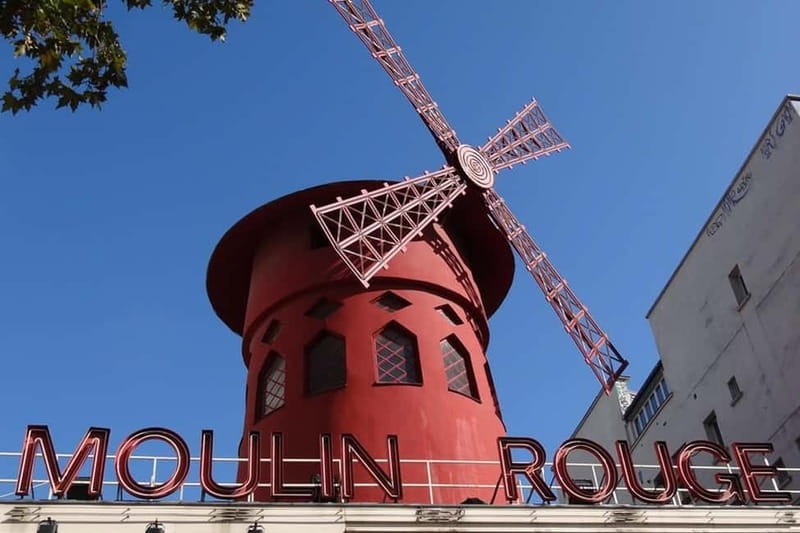
- Start right by Moulin Rouge at Place Blanche so the tour has energy from minute one
- Sacré-Cœur and Place du Tertre with clear artist-quarter context, not just postcard facts
- Montmartre’s quieter side—less crowd time, more small streets and atmosphere
- Passage Jouffroy and Passage Verdeau as true “Paris in miniature” from the 1800s
- Grands Boulevards viewpoints along the city’s older, grand artery
- Opéra Garnier (Palais Garnier) with Phantom history tied to what you’re seeing outside
How a 4-hour private German walk feels in real life
This is a private walking tour in German, built for people who want more meaning than a quick highlight reel. With a 4-hour duration, the flow is steady: you start at Moulin Rouge, work your way through the artist scenes of Montmartre, continue across classic central Paris boulevards, and finish at Opéra Garnier.
A big value of doing it privately (even if you’re just two people) is that you’re not stuck with the slowest person in the group. Your guide can keep momentum, explain clearly, and point out details that you’d otherwise walk right past. The tour also stays focused: you’re not getting “Paris geography class.” You’re getting a guided route.
Language matters here. If you’re comfortable in German, it’s a great way to pick up history and street-level observations without translation lag. If German isn’t your strength, you’ll still see the sights—but you’ll lose some of the story layer that seems to be the main draw.
You can also read our reviews of more walking tours in Paris



Place Blanche and Moulin Rouge: the perfect start point
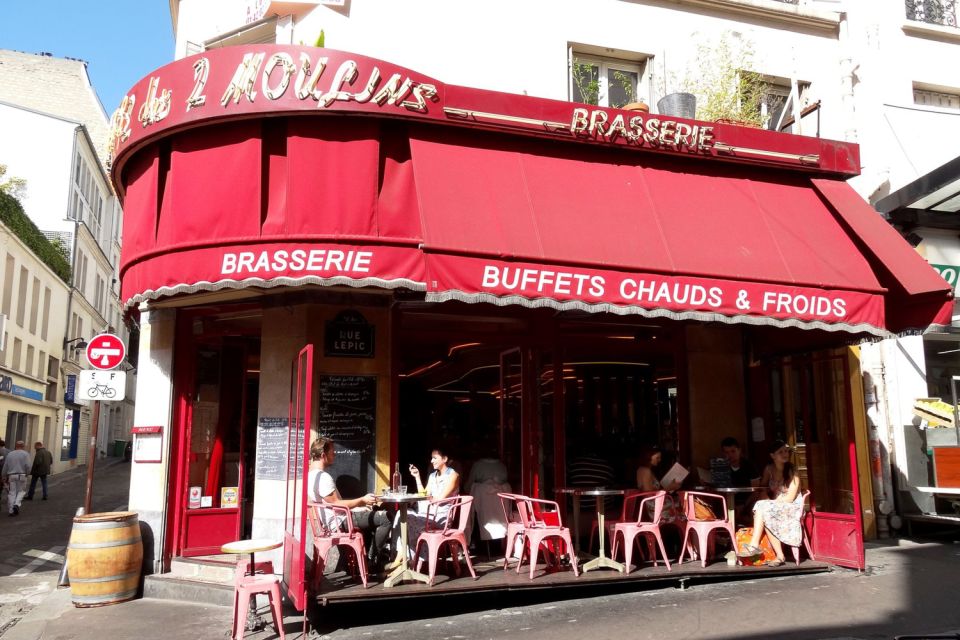
The tour begins at Metro Blanche (line 2), by the small traffic island in front of Moulin Rouge, and you’ll look for your guide with a HelpTourists bag. Starting here makes sense. You’re grounded in the exact area the tour is about—late-19th-century Paris theater energy right up front.
From this starting point, you’ll get the first chunk of context about the Montmartre quarter and why it became so magnet-like for artists. Even if you’ve seen Moulin Rouge on posters for years, it hits differently when a guide ties it to the surrounding neighborhood story rather than leaving it as just a landmark.
Practical tip: if you’re photo-happy, arrive a few minutes early and do any quick framing before the guide starts talking. Once the tour begins, you’ll want your eyes on what’s being pointed out.
Sacré-Cœur and Place du Tertre: art square context, not just sights
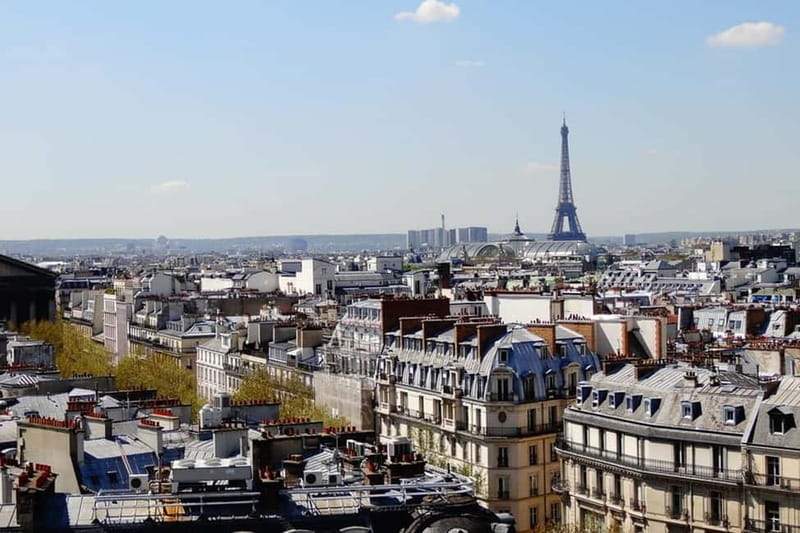
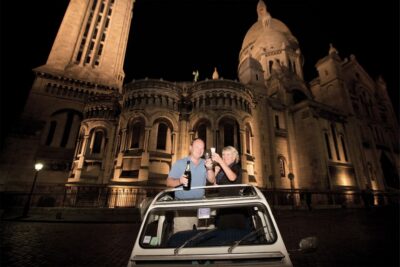
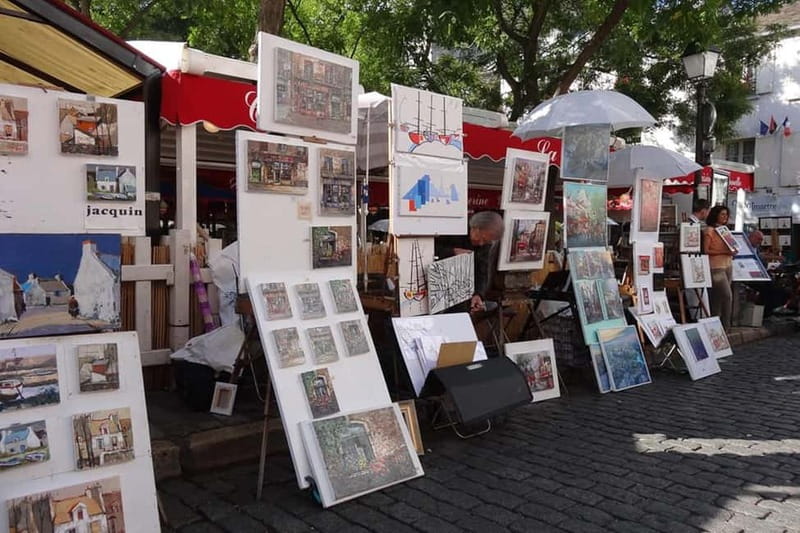
Next comes Sacré-Cœur Basilica and then Place du Tertre, the famous artists’ square. This is where the tour’s “follow the artists” idea becomes real. Instead of treating these places like standalone attractions, your guide connects them to the people who lived and worked in Montmartre around the late 1800s and early 1900s.
You should expect more than general impressions. The tour is described as offering interesting insider information about Place du Tertre—exactly the kind of detail that helps you interpret what you’re seeing on the ground. For example: why this area became associated with art making, and how the neighborhood’s role changed over time.
A small drawback: these are popular stops. Even on a guided route, you’ll feel the public presence at Place du Tertre. The benefit is that the guide helps you read it—so you’re not just watching vendors and tourists drift by.
Montmartre’s quieter streets: where the crowds thin out
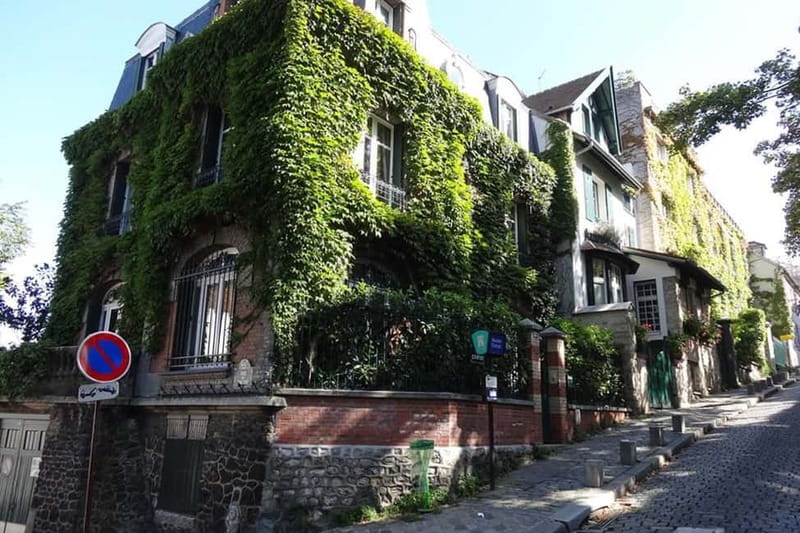
After the major hits, the tour shifts into Montmartre’s less crowded side. This is the part that can genuinely separate a “been there” afternoon from a memorable one: your guide takes you away from the heaviest tourist flow and toward smaller corners with more local feel.
You’ll also get history about the artists’ quarter—how creatives found space here, lived here, and turned the neighborhood into a living studio scene. One guide name that pops up in feedback is Katharina, praised for bringing a lot of local detail and stories tied to the 19th district context. You can’t count on getting that exact guide, but it’s a good sign that the tour is built around story-driven guiding.
If you’re someone who likes your Paris with a little breathing room, this segment matters. You’ll walk past the familiar faces of Montmartre, then get a chance to see how the neighborhood looks when you’re not fighting the main crowd flow.
Grands Boulevards and viewpoints: Paris on its big scale
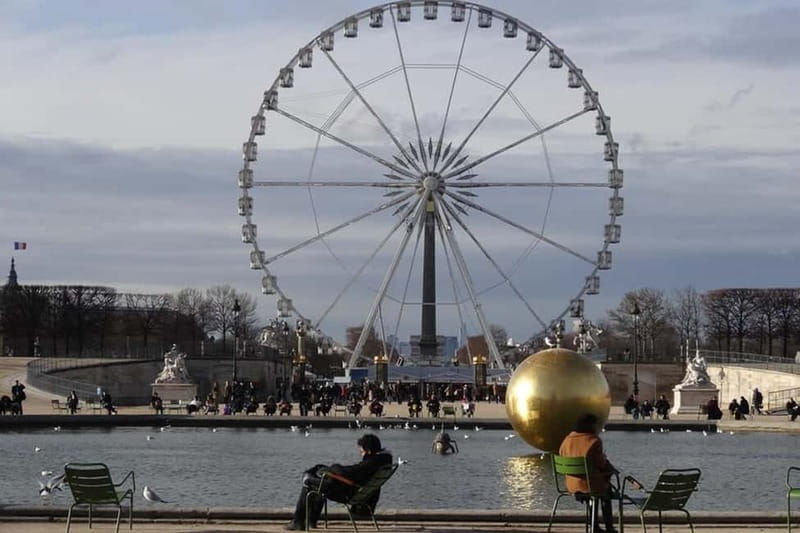
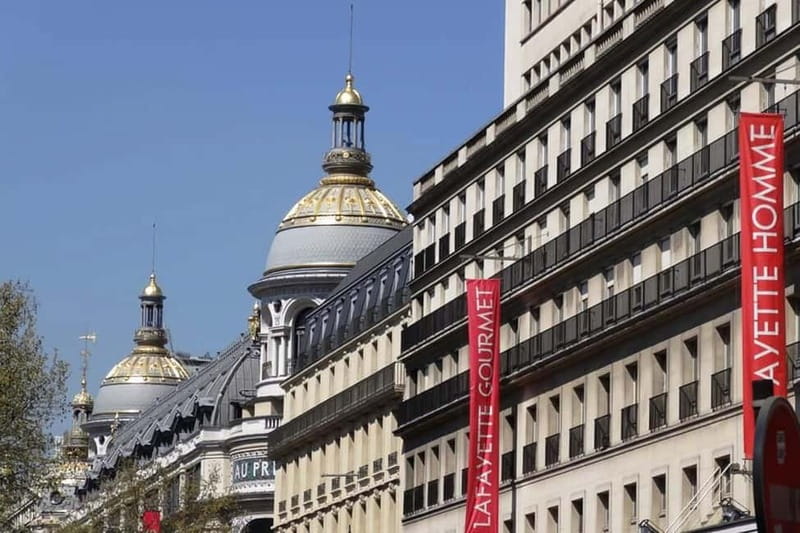
Next the route continues toward the Grands Boulevards, described as continuing along the city’s older boulevards and offering views. This is a useful change of pace. Montmartre is all about artist streets and neighborhood scale. The Grands Boulevards feel like the Paris that stretches outward—wide streets, grand perspective, and classic city drama.
Why this matters for your trip: once you’ve done Montmartre, it’s easier to understand Paris as a system. The city isn’t just monuments; it’s movement—how neighborhoods connect, how foot traffic flows, and why certain areas became the big public stages.
If you’re sensitive to time, keep an eye on the schedule here. You’ll want to enjoy the views without getting stuck too long photographing every façade.
You can also read our reviews of more private tours in Paris





The 19th-century passages: Passage Jouffroy and Passage Verdeau
One of the most “only-in-Paris” parts of this tour is the walk through hidden passages from the 19th century—specifically Passage Jouffroy and Passage Verdeau.
These covered passages are the kind of detail travelers often miss because they aren’t always on the standard checklist. Yet they’re perfect for a walking tour because they give you shelter, a different kind of scale, and a chance to see how older Paris encouraged pedestrian wandering. It’s Paris architecture doing what it does best: turning everyday movement into something atmospheric.
This also helps the tour feel varied. You’re not stuck doing only big exterior monuments. Passages break the pattern with smaller, character-rich spaces that reward slow looking—especially when your guide explains what you’re seeing and why it exists.
Weather-friendly note: because passages are covered, they can be a practical win if you hit a drizzle.
Palais Garnier and the Phantom: what you’ll pick up en route
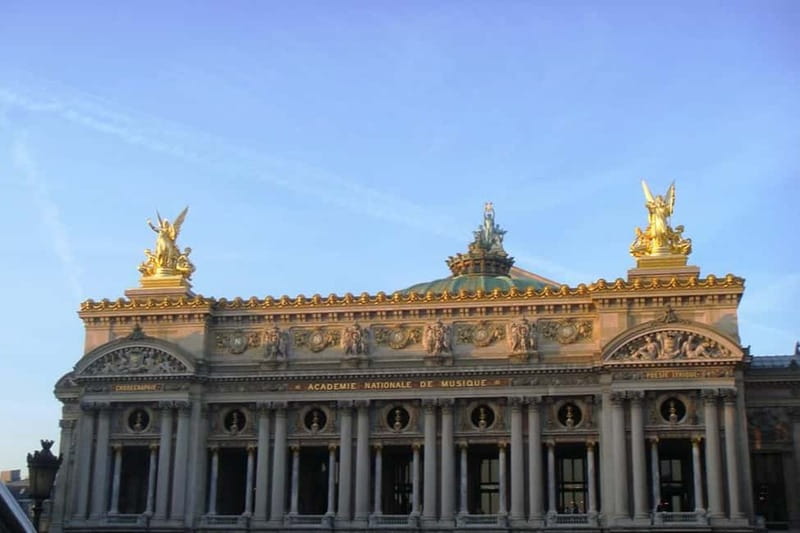
The tour passes Palais Garnier (Opéra area) and ties in history connected to the Phantom of the Opera. Even if you’re not a hardcore theater person, it’s a fun angle because it adds a pop-culture entry point to real architecture and real Paris spectacle.
You’re not just standing outside; you’re being guided toward understanding why this kind of building mattered. Your guide’s role here is to connect story and setting, so the façade and the surrounding opera district feel less like an isolated monument and more like part of Paris’s ongoing performance culture.
Finish point note: the tour details say the activity ends at Opéra Garnier, but an “ends back at the meeting point” note is also listed. That’s worth double-checking when you book, so you know whether you’ll actually end near Opéra Garnier or return toward Blanche.
Price and value: is $183 per person worth it?
At $183 per person for a 4-hour private tour, the honest value question is: do you want a private German guide covering both headline sights and offbeat city features, in one connected route?
If yes, the price starts to make sense. You’re paying for several things at once:
- Private guiding (not split with strangers)
- German language delivery
- A route that mixes major landmarks with passages and neighborhood context
- A guided structure that helps you see more than you could on your own without planning
Where it may not feel like a bargain is if you’re the type who just wants to snap photos and keep moving, or if you prefer a self-guided wander. In that case, you might use that time and budget for a museum ticket or a longer independent evening.
For best value, I’d target this for:
- Couples or small groups where private guiding prevents wasted time
- Travelers who specifically want German explanations
- People who love art neighborhoods and want more than “what it is” facts
Guide impact: why story quality is the real differentiator
The highest feedback emphasizes local detail, stories, and useful knowledge—the kind that changes how you experience streets. One of the named guides in feedback is Katharina, specifically praised for lots of local content and stories around the 19th district.
That matters because Montmartre and the opera area can feel like stage sets if you don’t get context. A strong guide turns those sets into neighborhoods with human histories—artists living and working here, streets that supported that community, and city design that shaped how people moved.
A practical consideration: the tour is designed to cover multiple stops in a set window. If you ask for major detours or long seated meal time, you can lose some sights you were expecting to see.
Who should book this tour—and who might skip it
This tour fits best if you:
- Want a private German-speaking guide
- Care about art history context in places like Montmartre and Place du Tertre
- Enjoy walking and want the route to do the thinking for you
- Like hidden city features such as passages (Jouffroy and Verdeau)
You might consider other options if you:
- Need a super flexible schedule with lots of long stops (especially with kids)
- Don’t want to spend your time in a guided, language-led format
Should you book? My decision checklist
Book this tour if you want a focused afternoon that blends icon sights with 19th-century Paris oddities—especially if German guidance is important to you. The strongest reason to choose it is the mix: Montmartre’s artist quarter, classic boulevards with views, and passages that add texture beyond the usual list.
Before you hit confirm, do this quick check:
- Decide whether you’re good with a steady 4-hour walking schedule
- If your family needs frequent longer breaks, plan on quick snacks rather than long restaurant pauses
- When you book, confirm the exact finishing location since the notes include both Opéra Garnier and an “ends back” statement
If those boxes work for you, you’ll likely leave with more than photos—you’ll leave with a clearer sense of how these Paris areas connect.
FAQ
What language is the tour guide?
The tour is guided in German.
How long is the walking tour?
It lasts 4 hours.
Is this a private tour?
Yes, it’s a private tour for your group only.
Where does the tour start?
You meet at Metro station Blanche (line 2) on the small traffic island in front of Moulin Rouge. Look for your guide with a HelpTourists bag.
Where does the tour end?
The itinerary says it finishes at Opéra Garnier. The activity info also says it ends back at the meeting point, so it’s smart to confirm which applies when you book.
Which major sights will we see?
You’ll pass or visit Moulin Rouge, Sacré-Cœur Basilica, Place du Tertre, Passage Jouffroy, Passage Verdeau, and Opéra Garnier, plus you’ll walk along the Grands Boulevards.
How much does the tour cost?
The price is listed as $183 per person.
Can children join?
Yes. Children under 12 can join free of charge.
What’s the cancellation policy?
Free cancellation is available up to 24 hours in advance for a full refund.
Is there an option to pay later?
Yes, it’s listed as reserve now & pay later.