REVIEW · PARIS
Market Visit and Cooking Class with a Parisian Chef
Book on GetYourGuide →Operated by Meeting the French · Bookable on GetYourGuide
A Paris market morning teaches you where flavor comes from. I love the market shopping with a chef who knows what to look for, and I love that you cook an actual 3-course French meal (entrée, main, dessert) instead of just watching. The only real catch: you’ll need to be comfortable with a hands-on schedule and a fair amount of walking while you shop.
This experience runs as a small-group class (up to 8), typically in the morning, with instruction in English or French. You can choose it whether you’re a confident cook or a beginner, because the recipes are designed to be doable at home.
In This Review
- Key Takeaways Before You Go
- Entering the Paris Market: How You Learn to Shop for Real Flavor
- What you’ll learn to look for
- The Kitchen Switch: From Market Bag to a 3-Course French Meal
- English or French instruction
- What You Actually Cook: Entrée, Main, and Dessert (with Real Techniques)
- Examples of menus described by past participants
- The chef’s approach: simple recipes you can remake
- Small Group Energy: Why the Pace Feels Human
- The social part is real
- Price and Value: What $261 Buys You in the Paris Kitchen
- When it feels like a smart buy
- When it might not fit
- Timing That Works: Morning Sessions and How to Plan Around Them
- What You Get After: Recipes You Can Use at Home
- Should You Book This Parisian Market and Cooking Class?
- FAQ
- How long is the experience?
- What time does it run?
- How big is the group?
- What’s included in the class?
- What will I cook?
- Do I need prior cooking experience?
- What languages are used?
- How do I know where to meet?
Key Takeaways Before You Go
- A chef-led market walk where you learn how to pick ingredients like a local, not just buy souvenirs.
- A full 3-course workflow built around what you selected in the market.
- Small group cooking (max 8) that keeps the pace friendly and the instruction practical.
- Tasting as you go, so you’re not stuck waiting for the end to enjoy your work.
- Recipes sent by email, making it easy to recreate the meal later.
- Real Paris vibe in a real kitchen, since some sessions are taught in a chef’s home setting.
Entering the Paris Market: How You Learn to Shop for Real Flavor
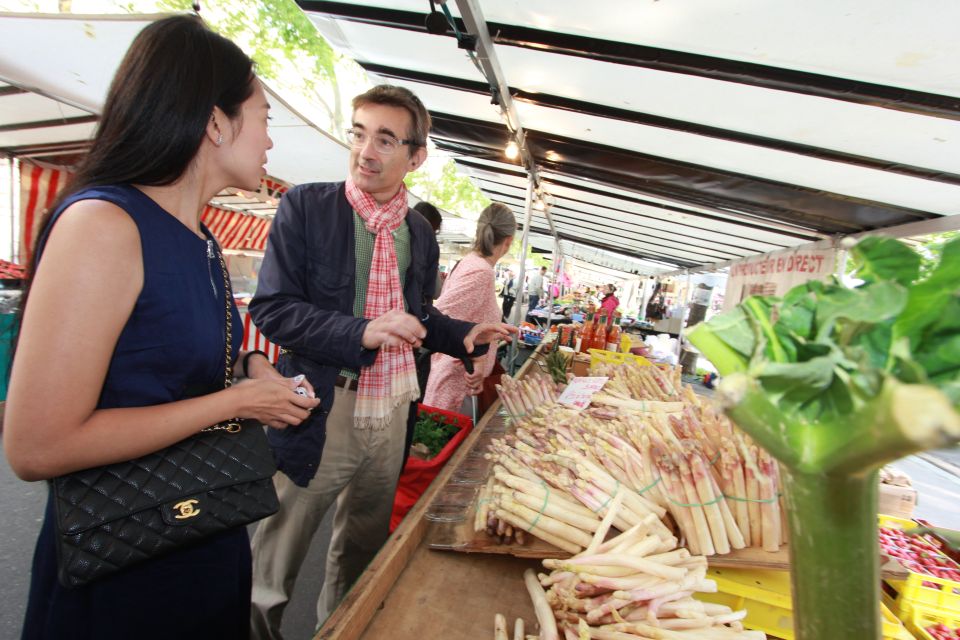
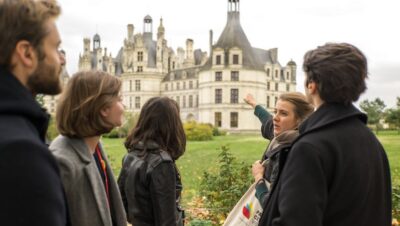
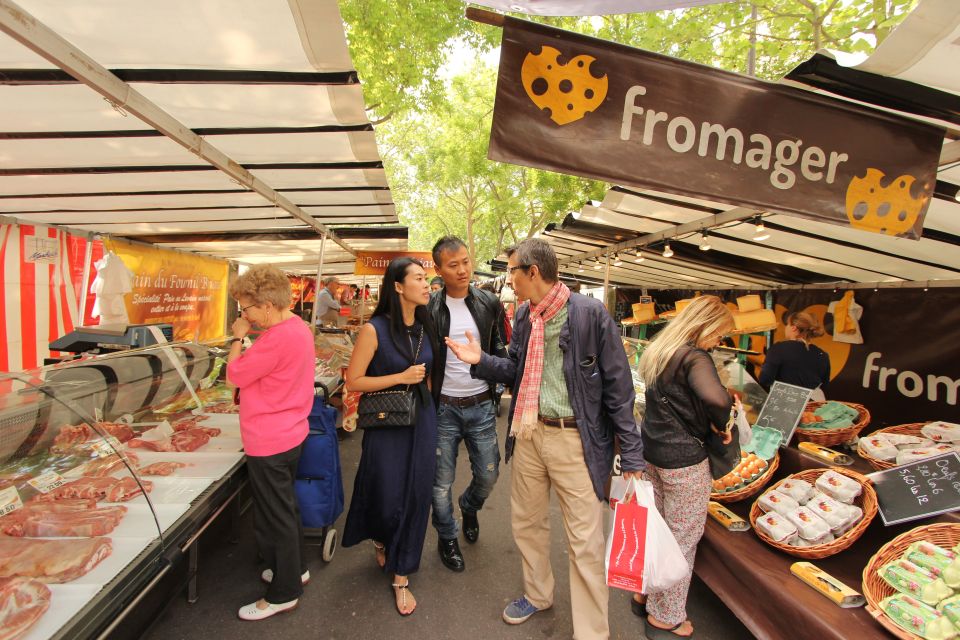
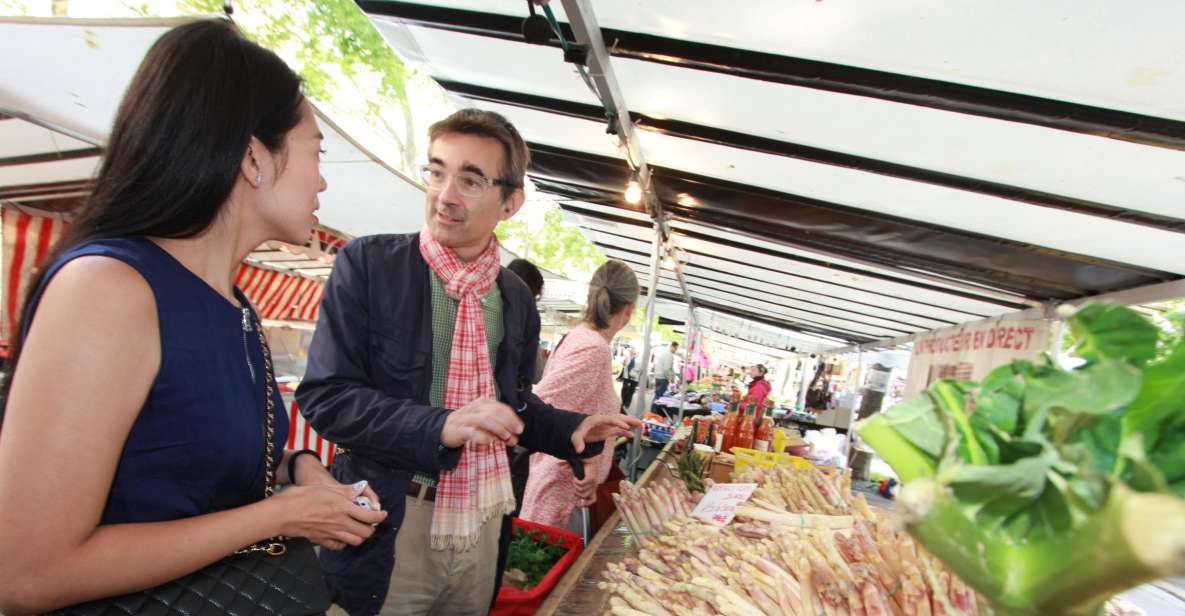
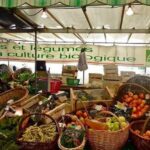
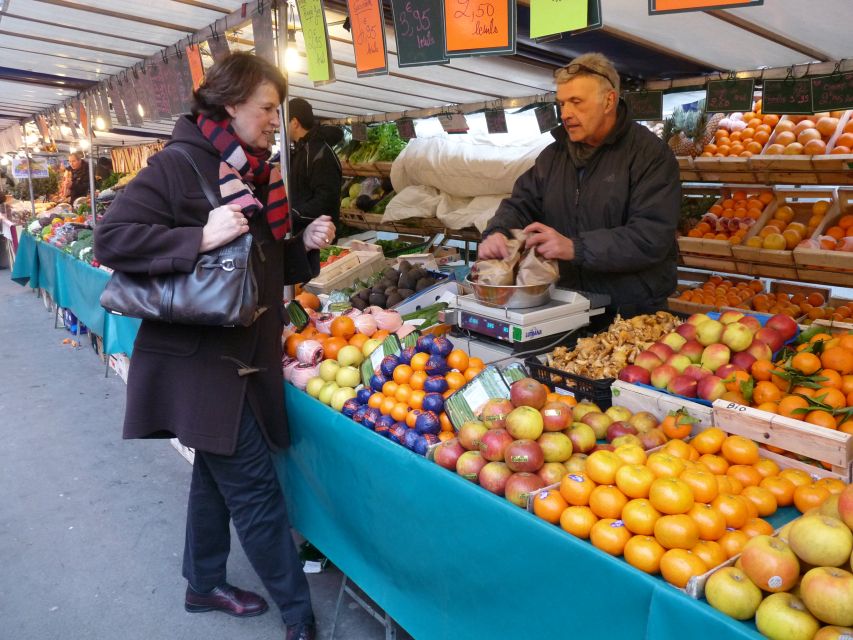
The market part is the heart of the experience. You start by looking at food the way a cook does: not by brand, but by freshness, color, smell, and seasonality. Instead of being handed a shopping list, you learn what makes a produce choice better and how to build a menu around what looks best that day.
What I like most is that the chef doesn’t treat the market like a museum stop. The goal is practical. You’re learning how to identify good ingredients on sight, ask the right questions, and understand how those choices affect your final dish.
And yes, the atmosphere matters. One review mentioned the session felt like Paris daily life thanks to a home-kitchen setting with the chef’s family present. That kind of context is why this works better than the typical cooking class that starts with ingredients already pre-wrapped in a plastic bag.
One consideration: this is a hands-on morning. You’ll be walking and carrying your share of groceries while everyone chooses ingredients. If you’re hoping for mostly sitting and tasting, you’ll likely find the market-and-cook format more active than you expected.
You can also read our reviews of more shopping tours in Paris



What you’ll learn to look for
You’ll pick ingredients that match the menu plan and the cooking techniques you’ll use later. Even without getting “fancy,” you’ll notice how small differences in produce (ripeness, texture, and condition) change what happens in the pan and on the plate.
The Kitchen Switch: From Market Bag to a 3-Course French Meal
After shopping, you move into a cooking class format that stays structured and doable. The class block is 2 hours of cooking and tasting, and the full experience runs 270 minutes total (so you have time to shop, cook, taste, and reset between courses).
This is where the small group size pays off. With no more than 8 participants, you’re not fighting for attention. The chef can explain steps clearly and help troubleshoot when someone’s knife skills or timing aren’t quite there yet.
The best part? You’re not just cooking “a dish.” You’re following a course-by-course plan that mirrors how French meals are built. That changes your thinking. You learn to pace yourself, manage flavors across courses, and understand how one course can set up the next.
English or French instruction
You’ll have an instructor who speaks English and French. That matters more than it sounds. French cooking has lots of small technique words (and lots of subtle differences in how instructions are given), and having the option to switch languages helps you understand what the chef really means.
What You Actually Cook: Entrée, Main, and Dessert (with Real Techniques)
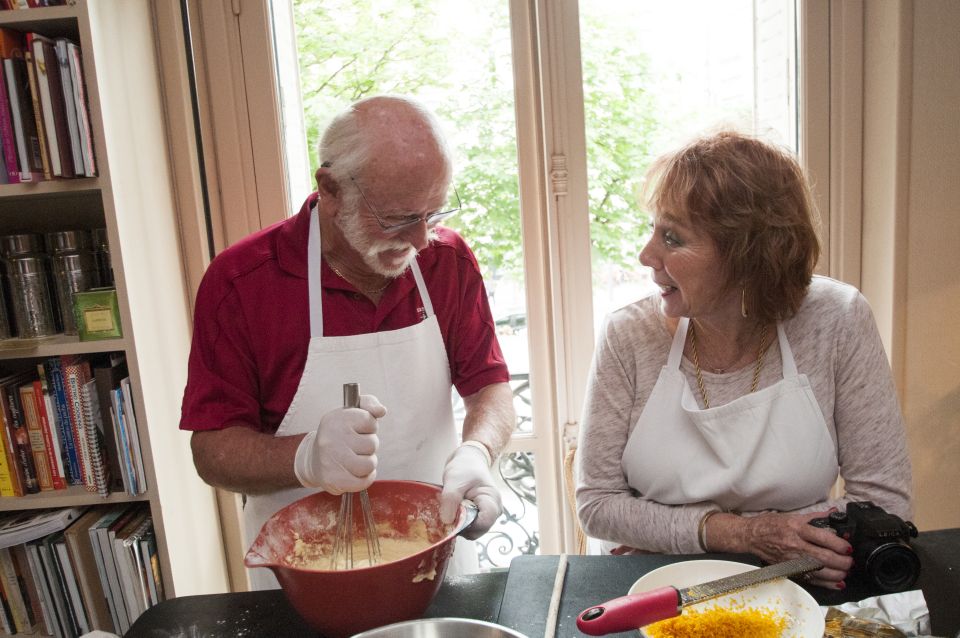
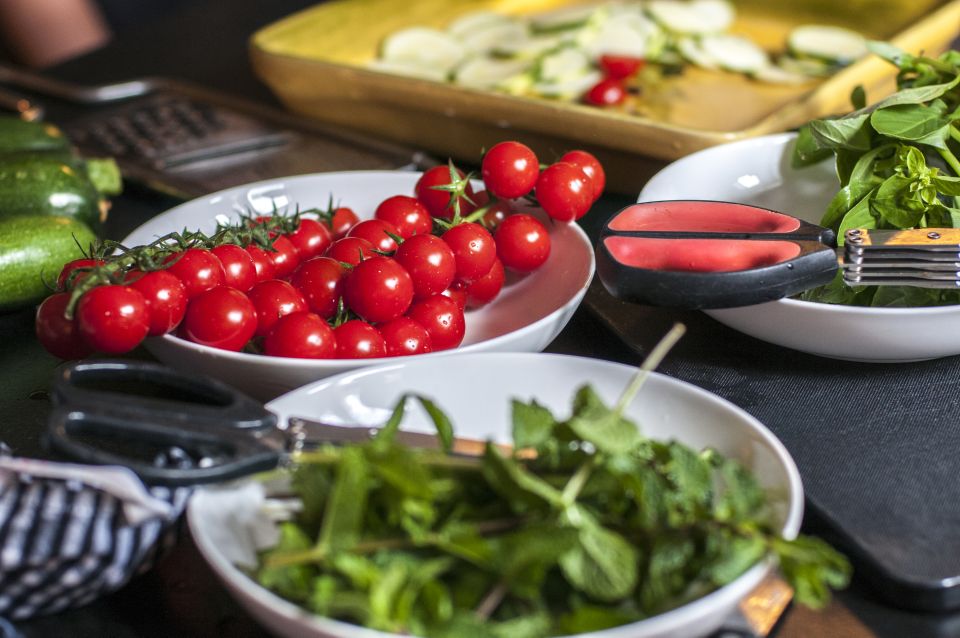
The promise here is simple: you cook a full 3-course meal using the ingredients you chose. Everyone works together, tastes the results, and leaves with recipes to repeat at home.
Even though each class can vary based on market finds, you can expect menus to be built around classic French patterns—starter, main, and a dessert finish.
You can also read our reviews of more tours and experiences in Paris
Examples of menus described by past participants
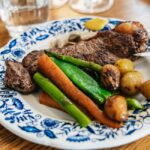
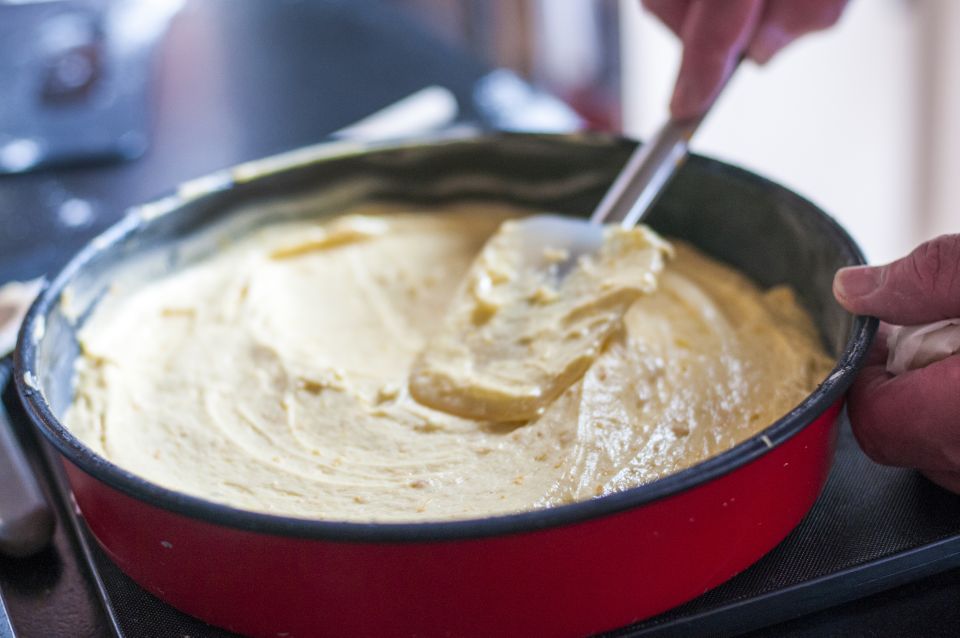
Some past classes included a starter such as goat cheese in phyllo, followed by a salad with homemade dressing. For a main, one described menu featured seared duck breast with shallots and glazed carrots. Dessert examples included a glazed orange cake.
Those are the kinds of dishes that teach real technique without requiring restaurant-level equipment or days of preparation. Phyllo makes sense because it shows texture control. Duck plus shallots teaches pan timing and sauce-building. The orange cake teaches how to finish sweet flavors cleanly.
The chef’s approach: simple recipes you can remake
One theme that comes through strongly is how the recipes are taught to succeed. The menu may look impressive, but the teaching style aims for success: clear steps, practical guidance, and encouragement to adjust while still staying faithful to the method.
This is the difference between a class that’s fun and a class that gives you skills you’ll actually use again next week.
Small Group Energy: Why the Pace Feels Human
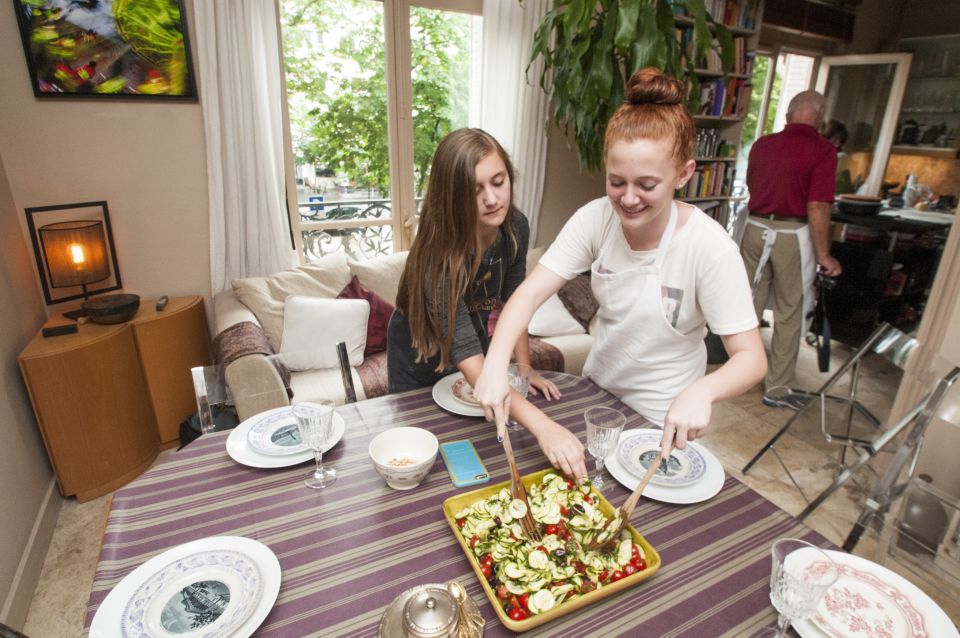
Cooking classes can turn into a blur—too many people, not enough time, and one person always stuck waiting for equipment. Here, the group stays small, and that changes everything.
With a group cap of 8, the chef can:
- keep explanations clear without talking over you
- check how your food is progressing
- adapt attention based on different cooking levels
Reviews also mention a warm, inclusive atmosphere. One parent shared that their 8-year-old had a lot of fun and that the chef was attentive to everyone in the group. That’s a strong sign that instruction doesn’t assume adults already know every technique.
The social part is real
You cook with others, taste what you’ve made, and share a meal together. It doesn’t feel like a factory line. The group energy makes the class more than just a skill lesson—it’s a morning with a purpose.
Price and Value: What $261 Buys You in the Paris Kitchen
At $261 per person, it’s not a cheap activity. But it can be good value if you compare it to what you get: a guided market visit plus a chef-led meal workshop that ends with you eating your own work.
Here’s what you’re paying for that matters:
- a market guide who teaches you how to select ingredients
- a hands-on 3-course cooking session, not just one recipe
- all ingredients and utensils provided (you’re not shopping twice)
- apron provided
- recipes sent by email, so the experience keeps paying off after your trip
Also, the class is scheduled in a tight morning window (typically 09:15 to 13:45, Tuesday to Saturday). That means you’re getting a concentrated, full experience in one block, instead of splitting time across multiple tours.
When it feels like a smart buy
This price tends to make sense if:
- you want to learn what good ingredient choices look like
- you want skills you can repeat later
- you prefer small-group attention
- you like the idea of eating lunch that you helped create
When it might not fit
If you’re the type who hates standing at a stove, or you just want to sample food without cooking, you may prefer a tasting-focused outing.
Timing That Works: Morning Sessions and How to Plan Around Them
This runs in the morning, Tuesday through Saturday, starting between 09:15 and 13:45 depending on availability. That timing is ideal for a few reasons.
First, you’ll finish early enough to keep your afternoon open. Second, you’re shopping while ingredients are fresh—markets are at their best earlier in the day. Third, you avoid the late-day fatigue that can hit after a full day of walking and sightseeing.
If this is your first big activity in Paris, I’d treat it like a “foundation” morning. You’ll leave with a better sense of what French cooking values: ingredients first, technique second, and timing always.
What You Get After: Recipes You Can Use at Home
One of the practical perks is that you’ll receive a copy of the recipes by email. That turns the class from a one-time memory into a repeatable cooking project.
This is especially useful because French cooking can feel intimidating until you have step-by-step instructions in front of you. With the recipes in your inbox, you can recreate the menu when you’re shopping for similar ingredients at home.
If you want to make the recipes stick, do this simple thing: save the email, then cook one part of the meal within a week or two. Starter techniques tend to be the easiest to practice first.
Should You Book This Parisian Market and Cooking Class?
I’d book it if you want an authentic-feeling morning that teaches you real process, not just facts. The chef-led market and the fact that you cook a full 3-course meal (with tasting) make it a strong choice for food lovers who want more than a photo stop.
Skip it only if you strongly dislike hands-on cooking or you’d rather spend your time on sightseeing instead of learning how to shop and cook. For everyone else, this is one of the better ways to understand French food at the ground level—produce in hand, sauce in the pan, dessert on the plate.
In short: if you like the idea of bringing Paris flavors home, this is the kind of class that can actually change your cooking, not just your calendar.
FAQ
How long is the experience?
The total duration is 270 minutes. It includes a 2-hour cooking class and food tasting as part of that total.
What time does it run?
The class is offered in the morning between 09:15 and 13:45, from Tuesday to Saturday.
How big is the group?
It’s a small group, limited to 8 participants.
What’s included in the class?
You get the 2-hour cooking class and food tasting, plus all ingredients, utensils, and an apron. A recipe copy is also provided by email.
What will I cook?
You’ll cook a 3-course meal: an entrée, a main course, and a dessert, using the ingredients you select at the market.
Do I need prior cooking experience?
No. The course is designed for all levels and uses simple recipes you can remake at home.
What languages are used?
The instructor teaches in English and French.
How do I know where to meet?
Your meeting point is shared after your booking has been processed. If you don’t receive it a week before, you should use the emergency contact number provided.