REVIEW · PARIS
Paris: Saint Ouen Flea Market Guided Tour
Book on GetYourGuide →Operated by One Journey Tours · Bookable on GetYourGuide
Saint-Ouen turns shopping into a mini-museum. This 90-minute guided walk starts at La Recyclerie, then guides you through major sections like Marche Vernaison, Marche Dauphine, and Marche Biron where you can shop with context instead of wandering aimlessly. I especially like the small-group feel and the chance to hear vendor stories as you move from market to market. One thing to watch: you’ll do a fair amount of walking and you can easily lose track of time once you’re among racks and shelves, so plan your day around it.
The best part is how the tour gives you a map for a place that can feel endless. You get stops that cover fashion, jewelry, collectibles, and even the more upscale art-and-furniture side, so you’re not just seeing one style of stall. If you hate crowds or only want one narrow category, you might find some sections less relevant to your tastes.
In This Review
- Key reasons this Saint-Ouen tour is worth your attention
- Arriving at La Recyclerie: your launch point at Porte de Clignancourt
- Marche Vernaison: fashion, jewelry, and collectibles with a buying lens
- Marche Dauphine: 70s and 80s dead stock, plus film-favorite vibes
- Marche Biron: luxury art, ornate furniture, and serious textiles
- How the expert guidance changes your shopping results
- The walking route, timing, and where the tour ends
- Money and value: what $40 buys in a market this big
- What to bring so your shopping day stays comfortable
- After the tour: how to use your new market instincts
- Should you book this Saint-Ouen Flea Market guided tour?
Key reasons this Saint-Ouen tour is worth your attention
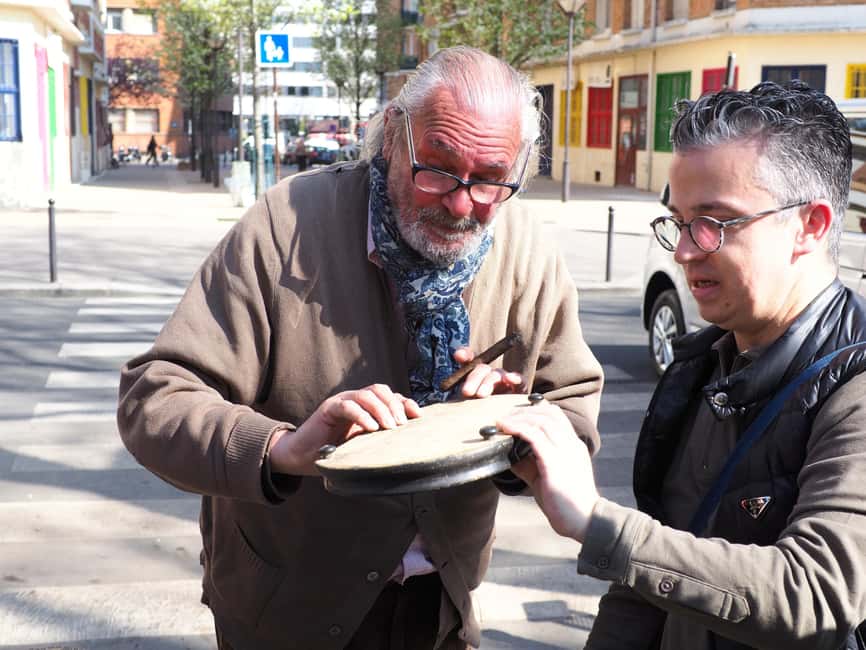
- Start at La Recyclerie in front of Porte de Clignancourt, so you’re grounded in the right place from minute one.
- Market-by-market guidance through Marche Vernaison, Marche Dauphine, and Marche Biron, rather than one long generic walk.
- Exclusive access to key vendors, with on-the-spot stories about items and collections.
- English-speaking guide who can translate what you’re looking at into practical buying tips.
- Shopping strategy for a huge market, so you spend less time guessing and more time choosing.
Arriving at La Recyclerie: your launch point at Porte de Clignancourt
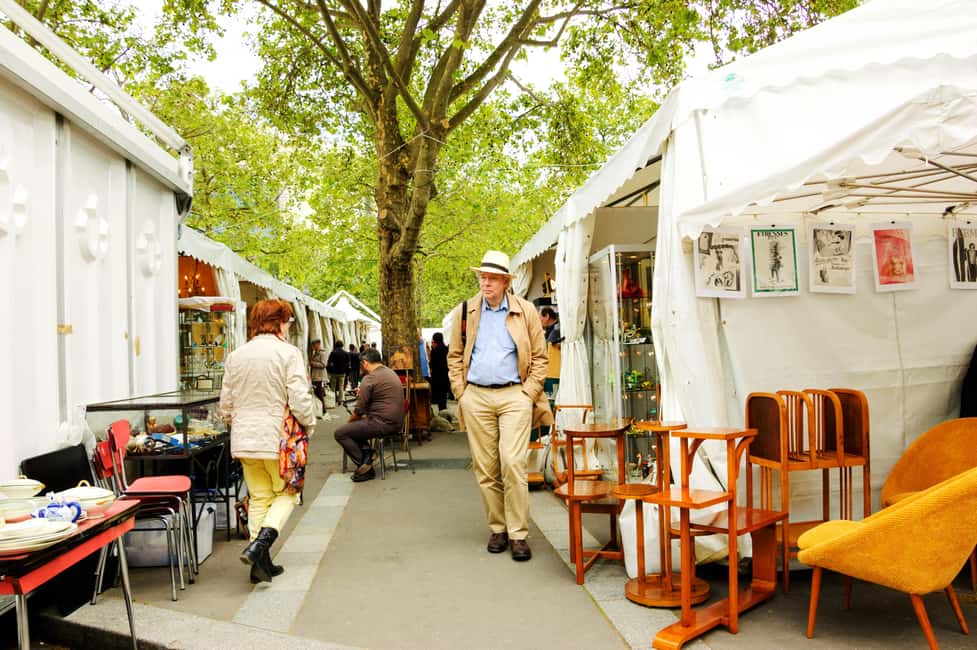
Most flea markets are chaos in the best way, but it helps to have a starting line. This tour begins outside La Recyclerie at Porte de Clignancourt, where you’ll meet your guide holding a red and white One Journey flag. It’s a smart setup because you’re not trying to find the right maze once you’re already tired.
La Recyclerie also sets the tone. It’s where the tour starts, but it’s also a real-world reference point for what Saint-Ouen is today: a place that mixes thrift culture, design-minded shoppers, and serious sellers. If you arrive early, you can do a quick browse or just get oriented before the walking starts.
From there, the tour moves with purpose through sections of the market that many people never fully understand. That matters because Saint-Ouen is huge, and without a guide you can end up seeing only the parts that catch your eye first, not the parts that fit your priorities.
You can also read our reviews of more guided tours in Paris


Marche Vernaison: fashion, jewelry, and collectibles with a buying lens
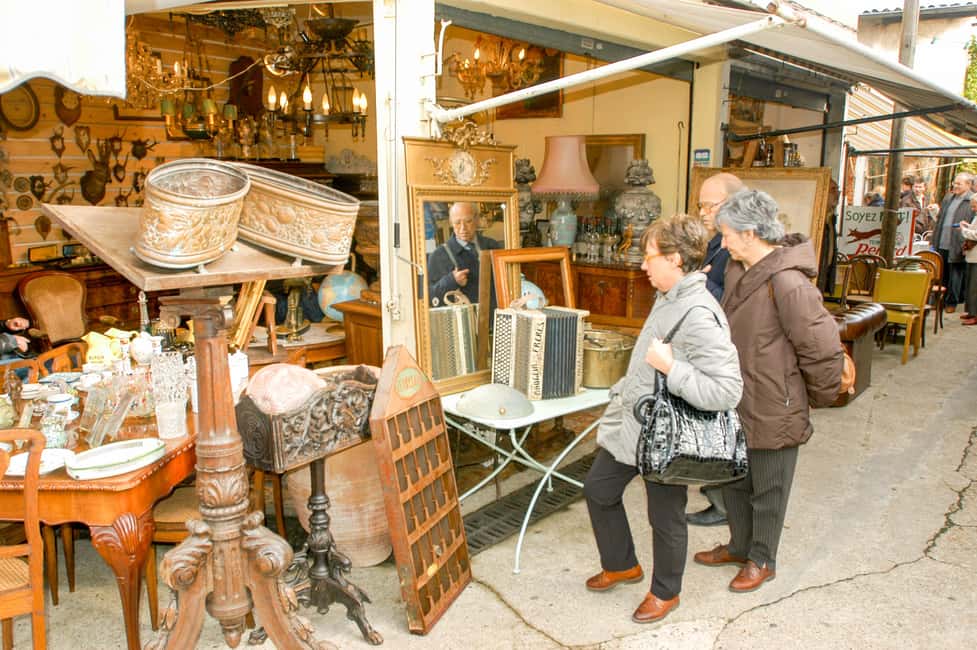
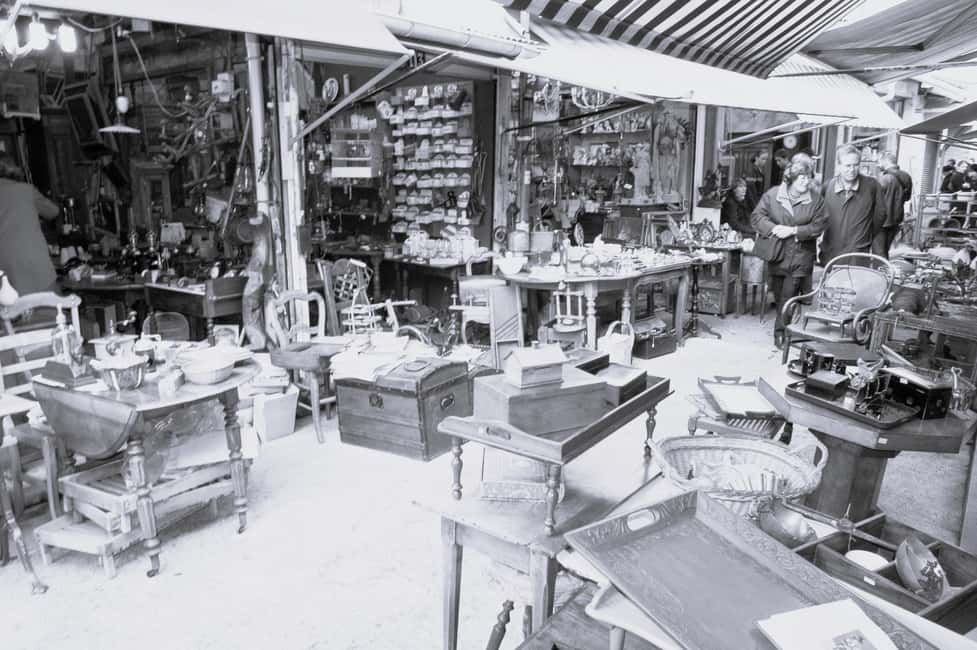
Marche Vernaison is where the tour’s “what am I actually looking at?” value shows up fast. You’ll walk through stalls that lean toward vintage clothing, antique jewelry, and rare collectibles. The point here isn’t just to look—it’s to learn how sellers describe their items and how you can tell the difference between decoration and something with real age.
This is also where you’ll get your first round of personalized advice. I like that the tour is tailored to what you’re interested in, because a vintage lover, a jewelry hunter, and a collectible shopper often shop with totally different questions. A guide can help you ask better questions, spot quality faster, and avoid falling for “looks good” when you really want “priced fairly for what it is.”
A small-group format helps here too. You’re close enough to hear explanations and compare items without feeling swallowed by the crowd. And if you’re the type who likes to take photos while you shop, you’ll get those opportunities as you move.
Marche Dauphine: 70s and 80s dead stock, plus film-favorite vibes
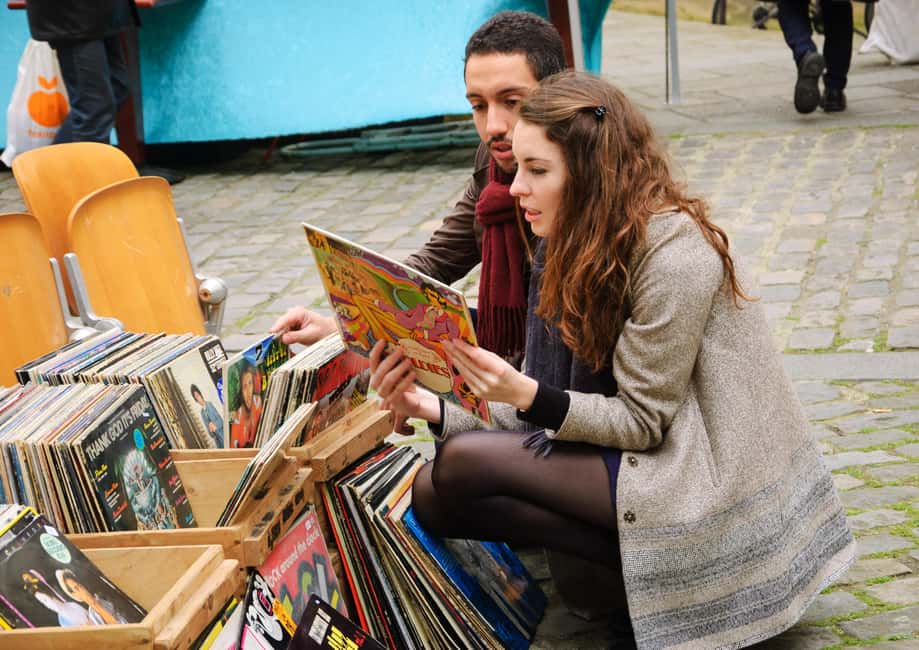
Next comes Marche Dauphine, a section that’s known for appearing in films, including Downton Abbey. The attraction for shoppers is that you may find fashion that’s closer to untouched “dead stock,” particularly from the 1970s and 1980s. If you love the era look—cuts, prints, and fabric choices—this is the stop where that obsession can pay off.
What I find useful is the context. Instead of treating clothing like random costume racks, your guide helps you connect what you’re seeing to why it matters and how to evaluate it. That makes a difference when you’re deciding whether something is worth carrying home or whether it’s just taking up space.
You’ll also have photo moments here, but the smarter move is to photograph with intent. Snap the label, the tag details, and any identifying marks before you get pulled into the next rack. A guide can point out what those details can mean, so you’re not stuck guessing later.
One caution: fashion sections can tempt you into impulse buying fast. Set your budget before you arrive, because Dauphine is the kind of place where you’ll see plenty of things that are fun even if they aren’t practical.
Marche Biron: luxury art, ornate furniture, and serious textiles
Marche Biron shifts the mood. This is the luxury side—fine art, ornate furniture, and grand tapestries. If your vintage interests include interiors or you’re shopping for home décor with a story, this is a key stop.
The best reason to include Biron in a guided route is that sellers often have a lot to say, and your guide helps you hear the details that matter. You’re not just looking at expensive objects; you’re learning what makes them special, where they might come from, and how collections get built over time.
This part can also be a reality check. If your budget is tight, Biron can feel like window shopping with strong opinions. But even then, it’s educational. Seeing higher-end pieces alongside fashion and collectibles helps you understand what quality and originality look like across categories.
How the expert guidance changes your shopping results
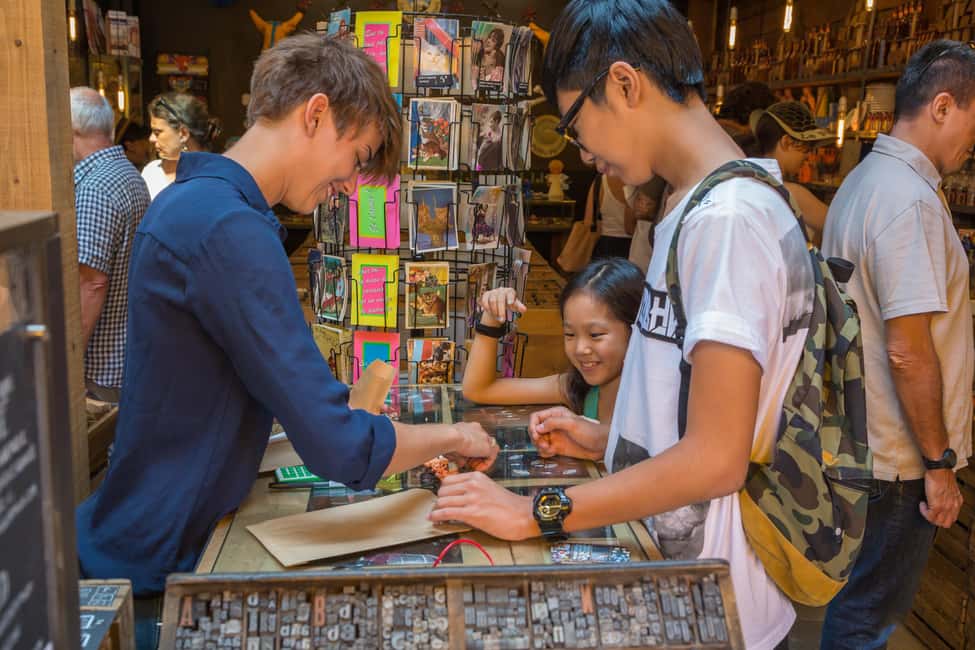
A flea market tour can either turn into a checklist or into real help. This one leans toward practical guidance, especially because it includes cultural insights about the significance of items and the markets themselves. That’s useful for two reasons: it helps you value what you’re seeing, and it makes shopping feel less random.
The tour also includes access to some top vendors. You’ll meet sellers and hear firsthand stories about prized items and how they ended up in their stalls. That’s where you get the payoff for paying for a guided walk: you learn the narrative behind objects, not just the price tag.
Small-group format matters for the “shopping help” side. In a big crowd, you might hear little and spend most of your time trying to keep up. Here, you can get personalized tips based on your interests—fashion, fine art, jewelry, or collectibles—so your time stays focused.
If you get a guide named Joana, you’re in good shape based on past praise for her knowledge and pleasant approach. And there’s also a fun detail: one guide is noted for showing up in charming period clothing, which adds to the feeling that you’re stepping into a world where thrift has style and purpose.
You can also read our reviews of more shopping tours in Paris




The walking route, timing, and where the tour ends
This is an approximately 90-minute guided walking tour. It’s designed to cover several major market sections without eating your whole day. That’s why it works well as a “first visit” plan: you get orientation, a feel for what’s available, and a way to return later on your own with smarter eyes.
The schedule also supports a flexible weekend/short-stay trip. Tours run on Saturdays, Sundays, and Mondays starting at 11am. That timing helps if you want to sleep in and still get a memorable activity before the evening.
The tour finishes at 84 Rue des Rosiers, 93400 Saint-Ouen-sur-Seine. That’s a helpful end point because you’re still near the action, and you can continue browsing, grab a drink, or just wander streets without feeling like you’ve been dropped in the middle of nowhere.
Money and value: what $40 buys in a market this big
At $40 per person for about 1.5 hours, you’re paying for more than walking. You’re paying for entry into key sections like Marche Vernaison, Marche Dauphine, and Marche Biron, plus guided access that’s meant to help you shop more confidently.
The market itself is free to browse in parts, but the value here is the curated route plus vendor access plus insider tips. Without that, it’s easy to waste time on stalls that look interesting but don’t match your tastes or your budget. With guidance, you can spend longer deciding on the pieces you actually want.
One more value point: the tour includes photographic opportunities, plus recommendations for dining and extra exploring around the flea markets. You’re not just left with a route—you get direction for what to do next.
The main financial caveat is simple. Items you buy are not included, and some vendors may not accept credit cards. If you want flexibility, bring cash.
What to bring so your shopping day stays comfortable
This tour is all about feet and weather. You’ll want comfortable walking shoes because you’re moving through multiple market sections. A water bottle is also a good idea, especially if you’re going in warmer months or you tend to linger once something catches your attention.
Bring a small backpack or bag for essentials and any purchases you make. Keep it secure, because you’re in a dense place with lots of people. If you like to do your own research after, a notebook and pen can help you track item details and notes about what you found.
And yes, dress for the day. The markets are outdoors or semi-outdoors depending on where you are, so check the forecast and plan layers if needed.
After the tour: how to use your new market instincts
A major perk is that you get time to explore on your own after the guided portion. The tour gives recommendations for places to grab a Parisian aperitif and suggests where to continue browsing. This is where the guidance pays off: you’ll know what to look for and where the kinds of stalls you liked tend to cluster.
My advice is to set a quick rule for self-exploring. For example, decide in advance whether you’re buying only one category—like jewelry—or only pieces from a specific decade. Otherwise, the market can turn into a soft competition with your own attention span.
If you plan to shop seriously, you can also use the guide’s tips to return later to sellers you liked. Since you’ll have vendor stories in your head, you’ll be able to ask better questions the second time around.
Should you book this Saint-Ouen Flea Market guided tour?
Book it if you want a guided way to experience Saint-Ouen with less guesswork. It’s a solid choice for vintage lovers, antique collectors, and anyone who wants more than random browsing—especially because the route includes multiple market sections and gives you vendor access plus personalized tips in English.
Skip it if you’re a very light walker, hate shopping crowds, or only want one tiny slice of the market. Also, if you’re traveling without cash, be aware that some sellers may not take credit cards, so you might feel slowed down at the wrong moment.
If you’re trying to make your first visit count, this tour is a smart “orientation + shopping strategy” plan. And with a 4.9 rating from 8 reviews, the overall vibe seems consistent: guides are engaging, helpful, and focused on getting you oriented fast.