REVIEW · PARIS
Paris: Ghosts, Legends & Mysteries Evening Walking Tour
Book on GetYourGuide →Operated by City Wonders Ltd. · Bookable on GetYourGuide
Paris at night turns the clock back fast. I like how this tour mixes dark, true stories with real landmarks, and I especially like the stop inside the Conciergerie tied to Marie Antoinette. One thing to weigh: it’s still a walking tour with uneven streets, so if your legs or attention span are limited, this may feel like a lot after a full day.
If you want Paris that goes past postcard mode, this is your lane. You’ll hear about executions, torture, the St. Bartholomew’s Day Massacre, and even the way power and fear shaped streets around Île de la Cité. Expect spooky atmosphere, but the focus stays historical storytelling, not jump-scare theater.
In This Review
- Key reasons this tour scores so high
- Why Paris’ ghosts have real addresses
- Meeting at Henri IV on Pont Neuf: start easy, end different
- Vert-Galant and St-Germain-l’Auxerrois: power, punishment, and panic
- Fontaine des Innocents and Saint-Jacques Tower: the city keeps talking
- Conciergerie and Île de la Cité: the Marie Antoinette stop
- Palais de Justice to Hôtel de Ville: finishing with a different lens
- Should you book this Paris ghosts and mysteries walk?
- FAQ
- How long is the Paris Ghosts, Legends & Mysteries evening walking tour?
- What is the price per person?
- Where do I meet the tour guide?
- Where is the nearest metro station to the meeting point?
- What are the main stops during the tour?
- Is the tour guided in English?
- Does the tour work for wheelchair users or mobility impairments?
- Are baby strollers or baby carriages allowed?
- Where does the tour finish?
- What is the cancellation policy?
- Is there a reserve now and pay later option?
Key reasons this tour scores so high
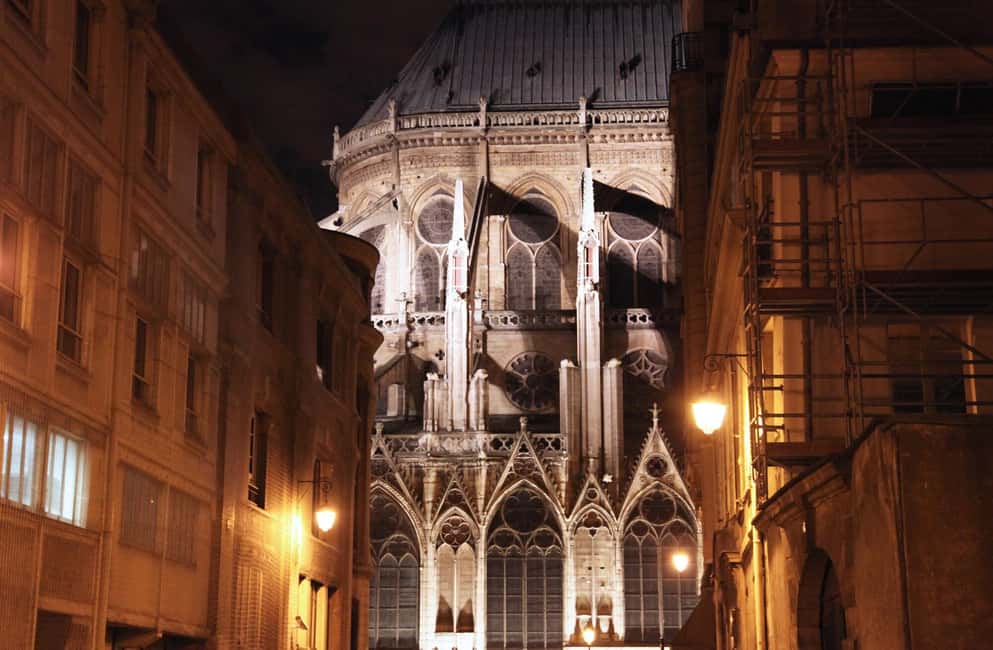
- Hands-on dark history in major landmarks: you’re not just hearing stories from a street corner.
- Marie Antoinette’s imprisonment at the Conciergerie: a heavy, unforgettable anchor stop.
- Nighttime pacing with memorable stops: about 2 hours, with guided moments at several sites.
- Storytellers who keep it moving: guides like Natalie, Aya, Sophia, and Ami are repeatedly praised for humor and clear English.
- A practical intro to medieval-to-Revolution Paris: you start at Henry IV’s statue and walk into the city’s fear chapters.
- Spooky but manageable: many people say it’s not overly scary, just intense enough to make you look around.
Why Paris’ ghosts have real addresses
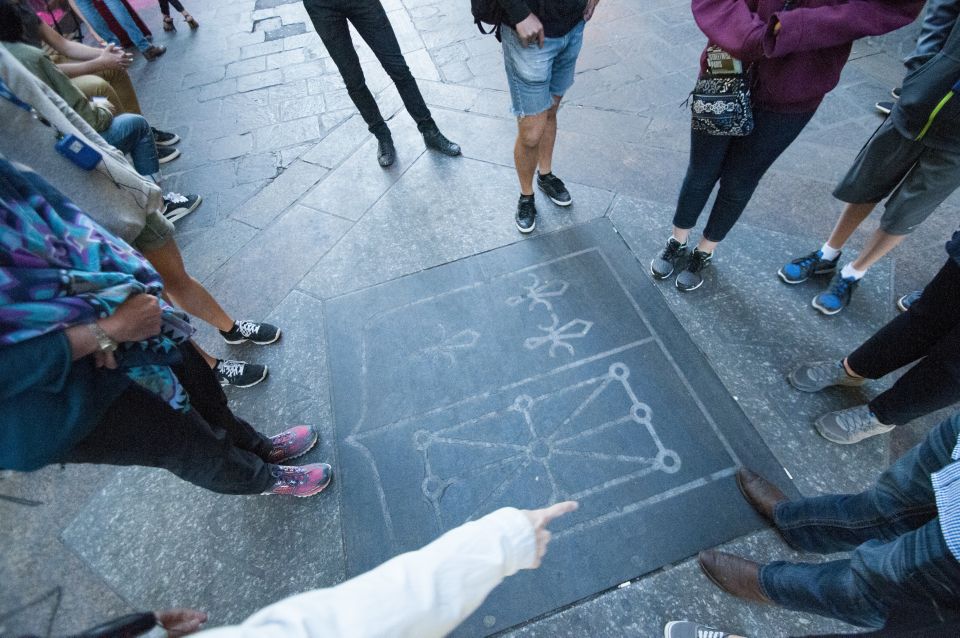
Paris has plenty of legends, but this tour keeps dragging them back to the street names. You’ll hear about torture and execution in a city that was built to impress elites, while suffering often lived in the shadows. The vibe at night helps: alleyways feel narrower, facades feel older, and every stop feels like it has a memory.
I like that the storytelling connects the big events to specific places. You’ll go from the Place de la Vert Gallant (linked here with the last Templar burned at the stake) to the St. Bartholomew’s Day Massacre site at St-Germain-l’Auxerrois, where estimates put deaths around 30,000. It’s the kind of history that’s hard to grasp from a guidebook, but easier to remember once you stand there.
And yes, it includes the “murder-mystery” side too, like serial killers and other darker figures tied to the city’s past. It’s still grounded in the places you can point to, which is what makes it worth your time instead of turning it into spooky wallpaper.
You can also read our reviews of more walking tours in Paris


Meeting at Henri IV on Pont Neuf: start easy, end different
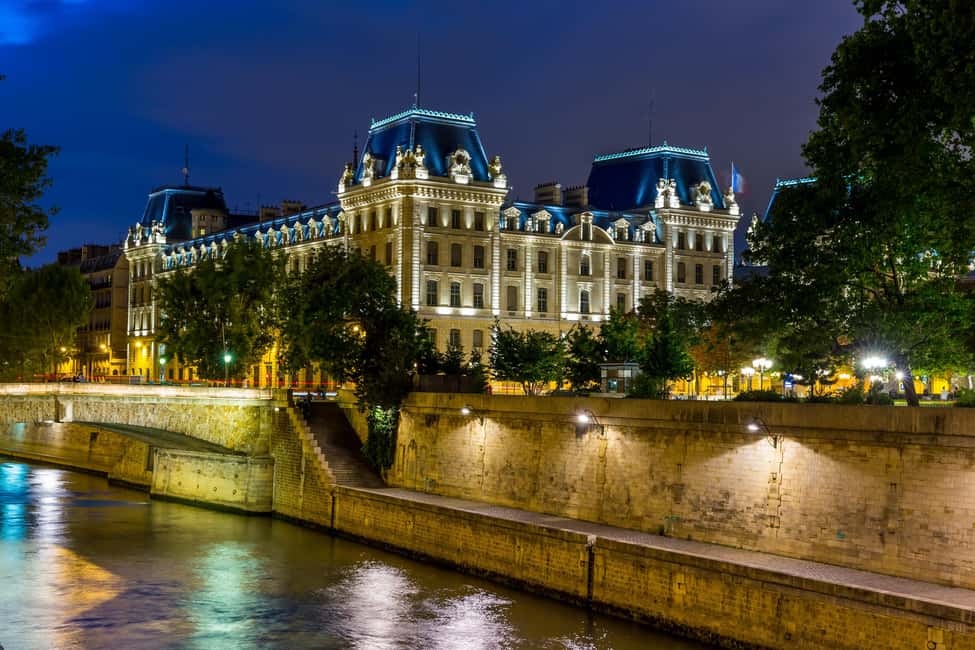
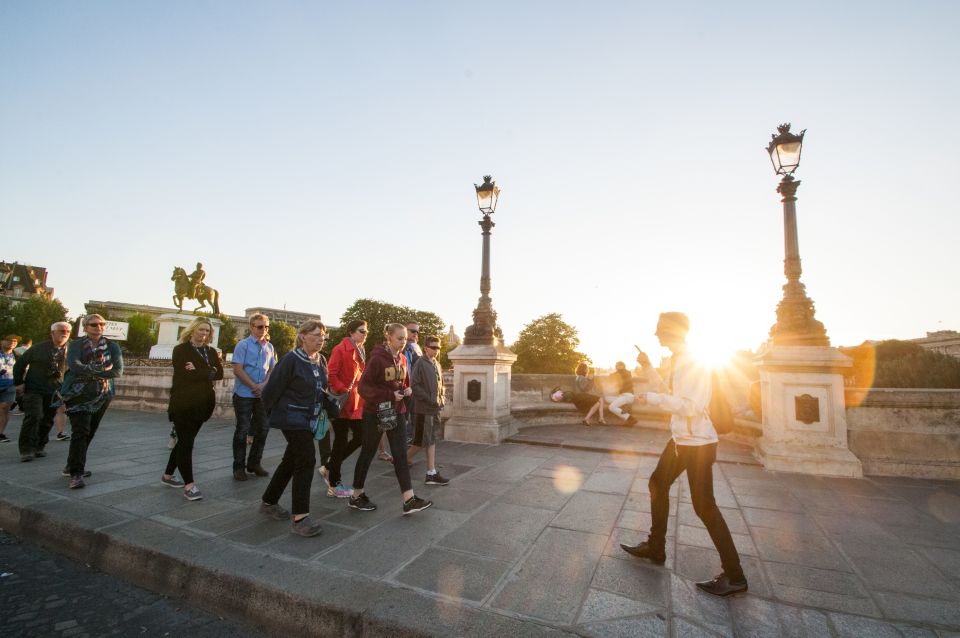
The tour starts at the equestrian statue of Henri IV in the middle of Pont Neuf, on the western end of Île de la Cité. It’s easy to spot: a rider on horseback right on the bridge. For the subway, the nearest stops are Pont Neuf (7) or Cité (4).
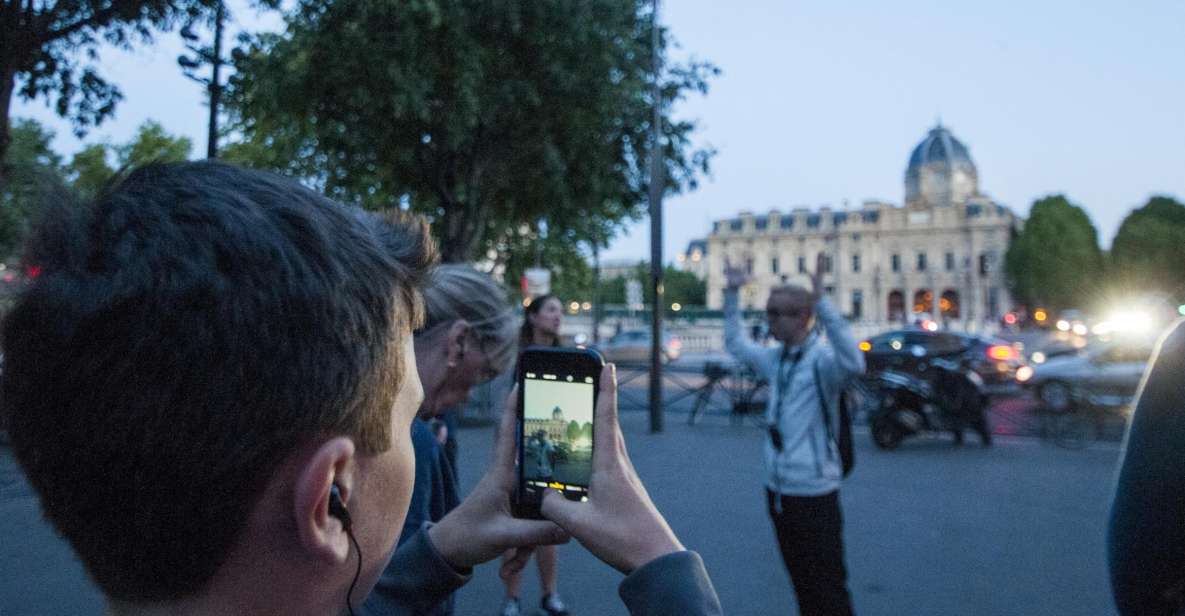
Then there’s one practical detail I like: the route is built for walking at night. You’re out for about 2 hours, with photo stops and guided segments, so you won’t feel stuck inside a van or bus for the whole experience. Still, it’s not a sit-down tour. If you’re used to lots of museum days, plan this for a night where you haven’t already clocked big steps.
Also, this is not ideal for anyone needing extra accessibility support. Strollers, baby carriages, and wheelchair access aren’t supported, so think about footwear and mobility first. The tour’s value comes from moving through older streets and historic corners—great for the story, harder for limited mobility.
Vert-Galant and St-Germain-l’Auxerrois: power, punishment, and panic
Right after you begin near Pont Neuf, you head toward Square du Vert-Galant. This stop is tied to the story of the last Knights’ Templar burning at the stake, and the guide uses the location to explain why public punishment mattered. You’re not just learning that something happened—you’re learning how it was staged to send a message.
From there, you’ll pass by the Louvre area and then get to St-Germain-l’Auxerrois, where the tour focuses on the St. Bartholomew’s Day Massacre. The numbers given here are stark: some 30,000 people are estimated to have been killed. If you’ve ever felt like Paris history is all art and romance, this is where the tone flips hard.
What makes these stops work is the way the guide stitches together belief, authority, and fear. You’ll hear about ritual worship and figures pulled into the same era narrative as major leaders like Henry IV and Napoleon Bonaparte. It’s heavy material, but it stays intelligible because you’re seeing the buildings while the story explains the stakes.
Fontaine des Innocents and Saint-Jacques Tower: the city keeps talking
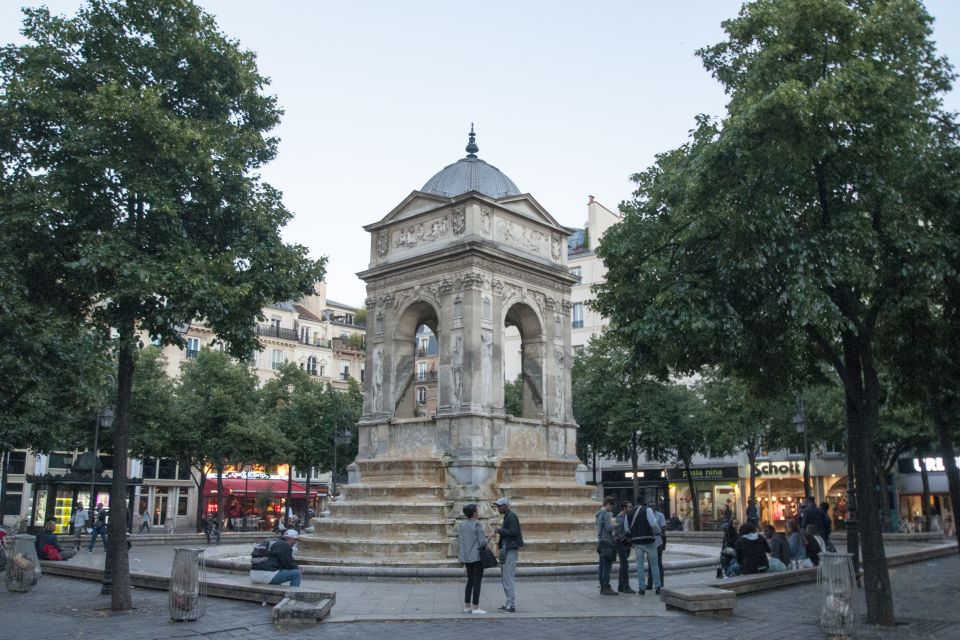
You’ll hit a couple of Paris fountains that look peaceful in daylight, but can feel eerie once the sky goes dark. One is the Fontaine de la Croix-du-Trahoir, where you’ll get a photo stop plus guided context. Another is the Fontaine des Innocents, which you’ll actually visit on the walk.
The tour uses these spots to remind you that Paris dealt with more than court politics. Lower-class disease and death show up in the storyline, and that gives the fountains a different meaning. This is one of the tour’s clever moves: it reframes familiar sights so you’re not just chasing “scary” tales, you’re learning how everyday places carried real suffering.
Then comes Saint-Jacques Tower, with a guided segment. Expect the guide to connect the tower and the surrounding area to the darker side of urban life. It’s also a nice pacing reset: after massacre-level stories, you get something that feels like architecture and character—still serious, just less emotionally blunt.
And the night helps here, too. Tower shapes and stone textures read differently at dusk, which makes the story feel more like place-based history and less like a lecture.
Conciergerie and Île de la Cité: the Marie Antoinette stop
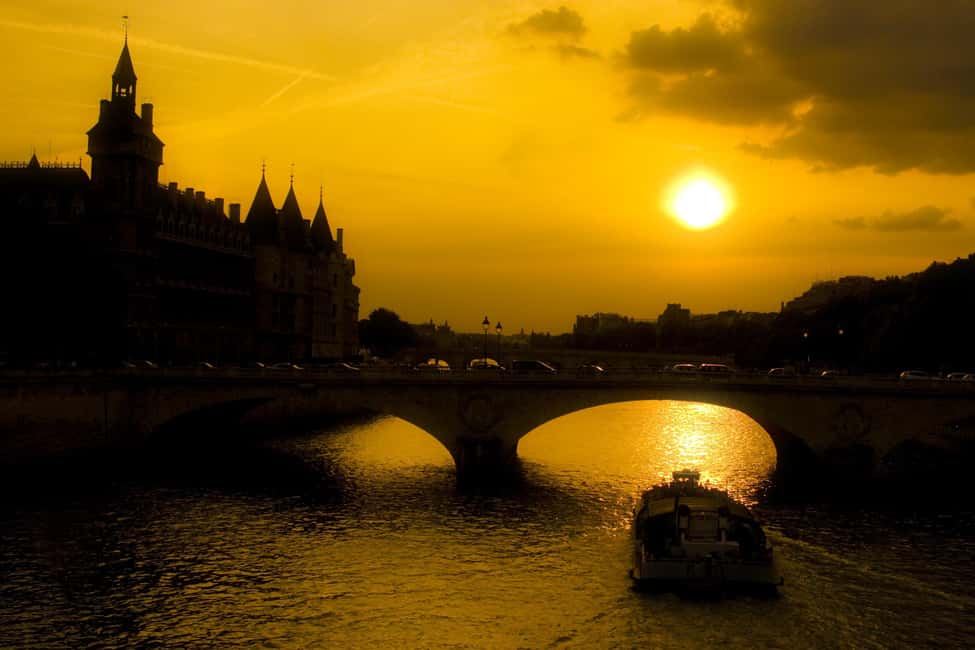
This tour saves one of its biggest emotional anchors for the middle-late portion. You’ll visit the Conciergerie (the guide also refers to it as the place tied to the Hotel de la Conciergerie). This is the site connected here with Marie Antoinette’s imprisonment.
I like this stop because it’s specific. It’s not just Revolutionary Paris as a concept; you get a physical setting tied to a well-known figure, which makes the whole era feel more immediate. In a city packed with statues and grand boulevards, the Conciergerie is the kind of place that forces you to slow down.
Right after, you’ll reach Île de la Cité again for a photo stop, then move along toward the Palais de Justice area. This part matters because it brings you back to the core geography of power—where law, punishment, and spectacle overlap.
You can also read our reviews of more evening experiences in Paris






Palais de Justice to Hôtel de Ville: finishing with a different lens
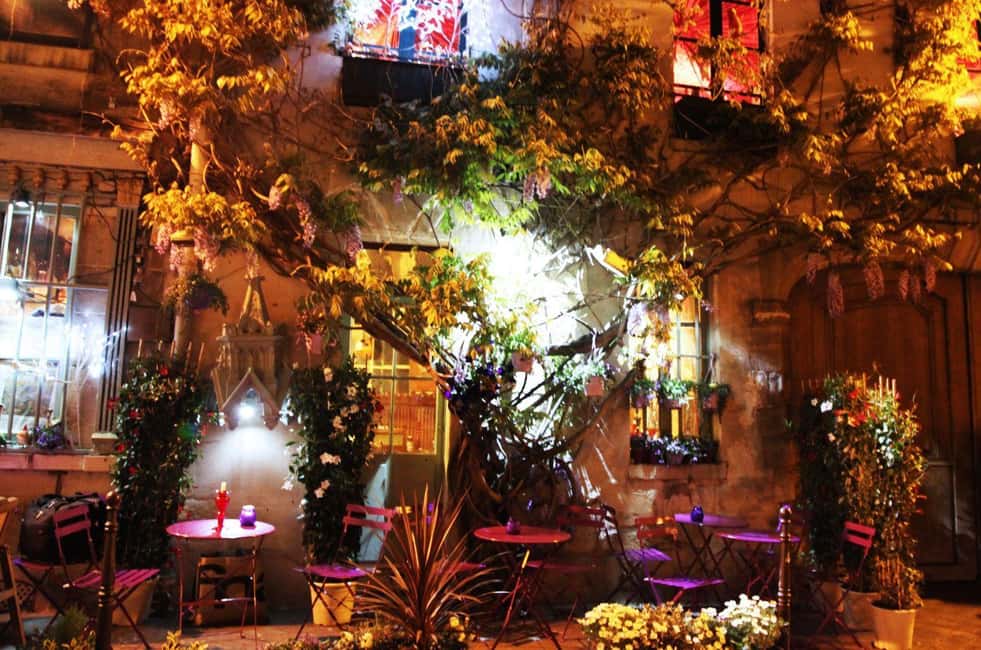
The final stretch is a walk and pass-by around Palais de Justice, Paris, then you end at Hôtel de Ville. Ending at a major civic address feels smart. It gives you a sense of scale: the same city that hosted court drama and executions is also where modern Paris faces its future.
By the time you finish, you should feel like you’ve seen Paris with a second set of glasses. The “ghost” part of the tour works best when you leave with a clearer understanding of how fear and power shaped everyday life. The serial-killer and mystery elements may give you chills, but the real payoff is the sense that history happened in real space, right where you’re standing.
If you’re doing the classic Paris route—Eiffel Tower, Louvre, Seine strolls—this gives you balance. It doesn’t replace the famous sights. It adds context that makes them feel less like a theme park and more like a living city with scars.
Should you book this Paris ghosts and mysteries walk?
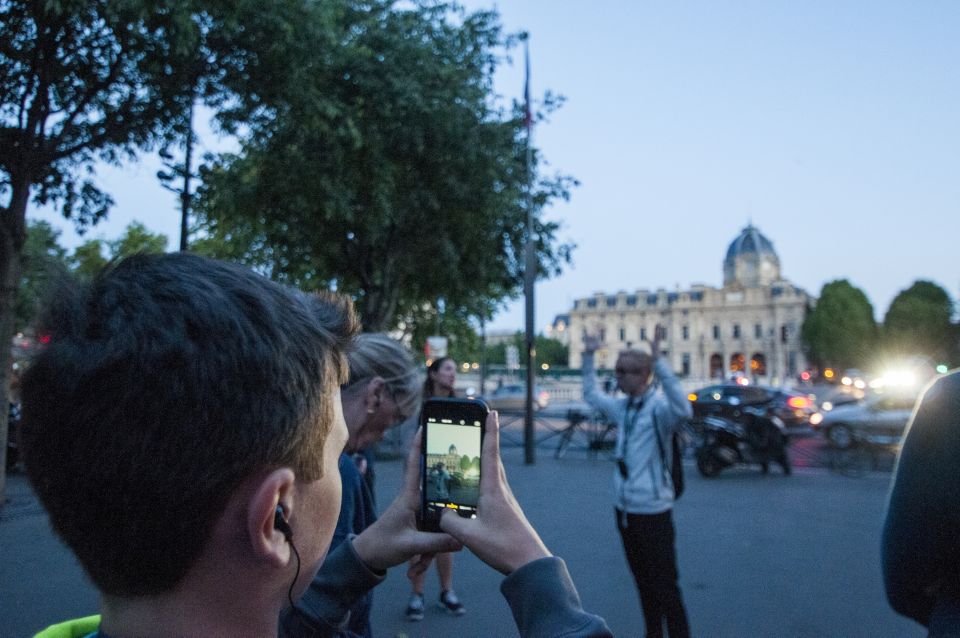
Book it if you want an easy entry into Paris’ darker chapters, and especially if you care about place-based history at night. For $15 for a 2-hour, English-guided walk that includes multiple guided site stops and a visit tied to Marie Antoinette, the value is strong—this is the kind of experience that makes the city feel personal without costing big money.
Skip it if you need step-free access or if you’re sensitive to heavy topics like massacres and executions. Also, if you already walked a ton earlier in the day, consider timing carefully: your feet will notice.
If you match the vibe—curious, okay with history that isn’t polite—this is a memorable way to see Paris after dark.
FAQ
How long is the Paris Ghosts, Legends & Mysteries evening walking tour?
The tour lasts 2 hours.
What is the price per person?
The price is $15 per person.
Where do I meet the tour guide?
Meet at the statue of Henri IV in the middle of Pont Neuf at the western end of Île de la Cité.
Where is the nearest metro station to the meeting point?
The nearest metro stations listed are Pont Neuf (7) or Cité (4).
What are the main stops during the tour?
You’ll pass the Louvre area, have a guided visit at St-Germain-l’Auxerrois, see and photograph fountains like Fontaine de la Croix-du-Trahoir and visit Fontaine des Innocents, have a guided visit at Saint-Jacques Tower, visit the Conciergerie, and include photo/stop time around Île de la Cité and Palais de Justice.
Is the tour guided in English?
Yes, the tour is English-speaking.
Does the tour work for wheelchair users or mobility impairments?
No. The tour is unable to accommodate guests with wheelchairs, strollers, baby carriages, or impairments requiring special assistance.
Are baby strollers or baby carriages allowed?
No, baby strollers and baby carriages are not allowed.
Where does the tour finish?
The tour finishes at Hôtel de Ville.
What is the cancellation policy?
You can cancel up to 24 hours in advance for a full refund.
Is there a reserve now and pay later option?
Yes. The tour offers reserve now & pay later, so you can book your spot and pay nothing today.