REVIEW · PARIS
Paris Gourmet: Food Tour in South Montmartre
Book on GetYourGuide →Operated by PARIS A DREAM · Bookable on GetYourGuide
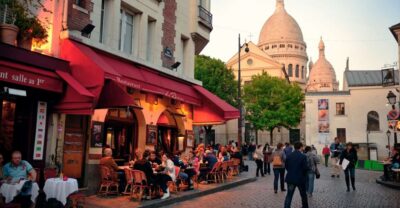
South Montmartre has a way of making you slow down. This Paris gourmet food tour uses that romance as the backdrop, then turns it into a real story about French food culture—one stop at a time, with tastings built in. I especially like the format: small group size and a guide who keeps you moving through flavors while also explaining why they matter. I also like the mix of iconic sights nearby and the practical bonus: you get a complimentary book of addresses to use after the tour. One possible drawback: if you have strong dietary needs, you’ll want to flag them early, because the tastings can vary by season and day.
You’ll spend about three hours in the South Montmartre area—known for cabarets and theaters—walking through 18th- and classic Paris street vibes while learning how the neighborhood’s food life evolved. The guide-led flow moves from chocolate to wine to a serious cheese cellar, then into smaller shops for sweet and savory bites. If you’re expecting a huge amount of sitting-and-eating time, this is more of a walk-and-taste experience, so comfortable shoes matter.
In This Review
- Key highlights worth planning for
- South Montmartre as a “food story,” not just a walking route
- The tasting start: grand cru chocolate that sets the tempo
- Wine and cold cuts: a Paris pairing lesson in miniature
- The 100-year cheese cellar: where your palate gets trained
- South Montmartre shop-hopping on a classic 18th-century street
- Emily in Paris stops, without losing the food focus
- Who this tour fits best (and who should think twice)
- Price and value: $153 for tastings plus expertise
- What to do before you go (small choices that make it smoother)
- Where the tour starts and how to find your rhythm
- Should you book this South Montmartre food tour?
- FAQ
- How long is the Paris Gourmet food tour in South Montmartre?
- What is the group size?
- What food and beverages are included?
- Are dietary requirements accommodated?
- What languages are the live guides?
- Where does the tour meet?
- Is outside food allowed during the tour?
- What should I wear or bring?
- Does the tour include an Emily in Paris stop?
Key highlights worth planning for
- Small group of up to 6 people, which makes questions and conversation actually easy
- Chocolates to start with grand cru tasting, setting the tone fast
- Wine store stop with a cold-cuts platter paired with a glass of wine
- A 100-year cheese cellar experience built around a focused cheese tasting
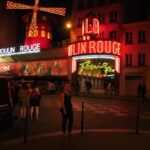
- South Montmartre atmosphere near Moulin Rouge, Musée Grévin, and more
- Emily in Paris connection, including one of the show’s famous addresses
South Montmartre as a “food story,” not just a walking route
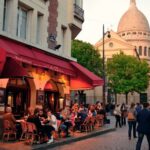
This tour is designed to make the streets feel like part of the menu. South Montmartre is the kind of area where you see Paris show-business history in the architecture and street corners, and the tour leans into that. The guide weaves in anecdotes about the neighborhood and the painters and musicians who used to live there, but the main thread stays with food history—why certain products became famous, how traditions formed, and how Parisian tastes evolved.
Why that works for you: it turns tastings into something you can remember, not just things you sample. Chocolate, wine, and cheese are great on their own, but the “why” helps you order smarter later and shop with more confidence.
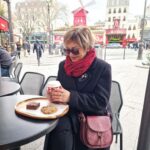
Also, you’re not wandering randomly. The route stays near major landmarks, including Moulin Rouge, Musée Gustave Moreau, Musée Grévin, Musée de la vie romantique, and Palais Garnier. You get the sense of being in the thick of classic Paris—even if you’re mainly focused on small storefronts and intimate counters.
You can also read our reviews of more food & drink experiences in Paris



The tasting start: grand cru chocolate that sets the tempo
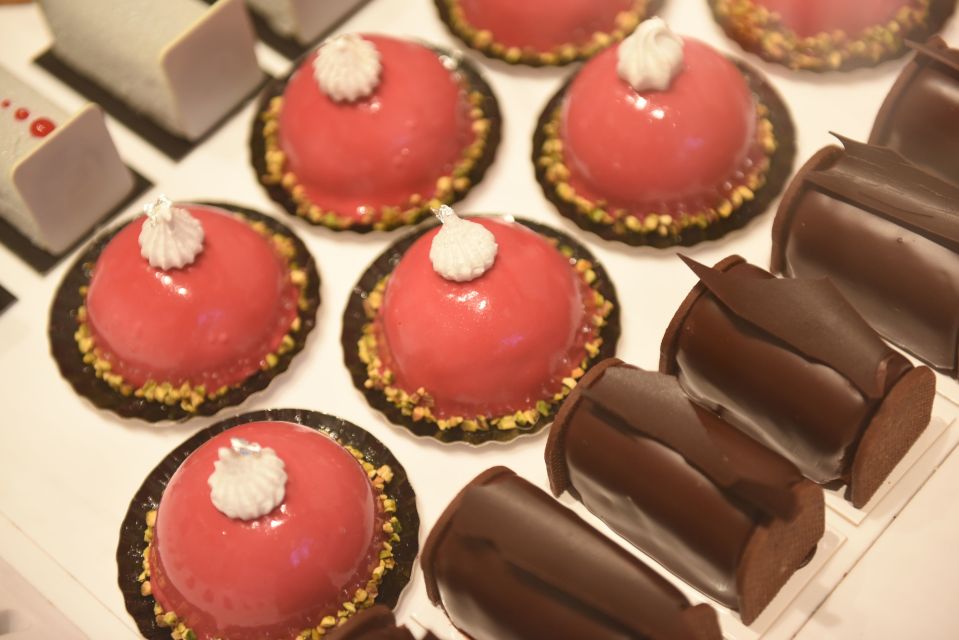
The experience kicks off with a grand cru chocolates tasting. That matters because it’s the first “flavor anchor” of the tour. Instead of jumping straight into alcohol or cheese, the tour starts with something sweet and highly structured, which helps you learn how to notice quality early.
What you’ll take away: you’ll be in the right mindset for tasting. Chocolate tasting isn’t only about whether you like it—it’s about how different producers approach cocoa, texture, and balance. Starting here makes the later stops feel more connected, not like unrelated snacks.
Practical note: since tastings are involved, it’s smart to have a light breakfast or lunch first. The guide also recommends bringing water, which helps when you’re walking between shops.
Wine and cold cuts: a Paris pairing lesson in miniature
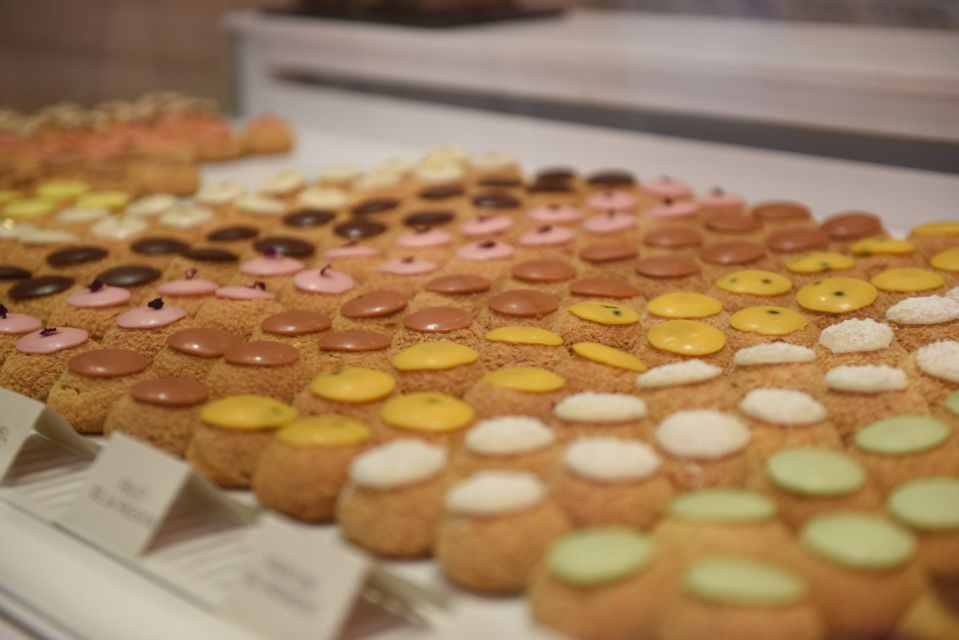
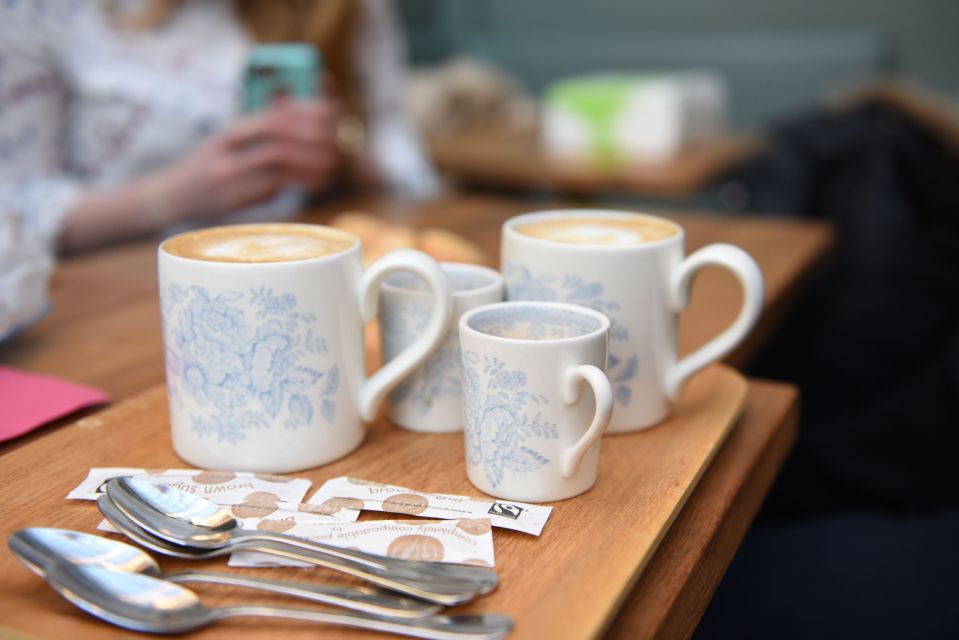
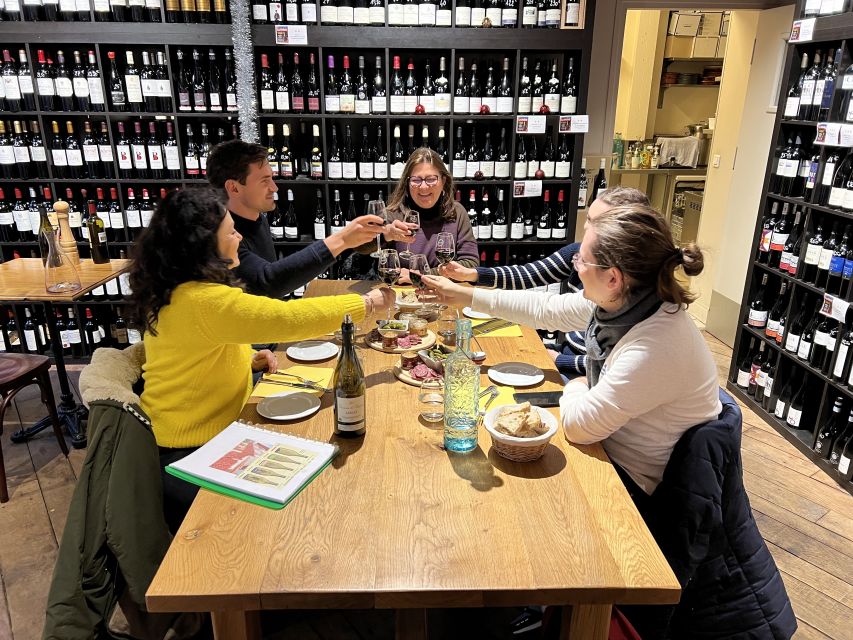
Next comes a charming wine-store stop, where you’ll enjoy a platter of cold cuts and a glass of wine. This is the kind of pairing that Paris does unusually well: simple ingredients, treated with care. And because it’s built into a guided walk, you’re not left guessing what to ask for.
How this benefits you: you learn to think in pairings. The point isn’t just taste-testing; it’s understanding why wine and cured meats fit together—fat, salt, acidity, aroma. Even if you’re not a “wine expert,” you’ll end up with practical instincts for ordering in future wine bars.
One thing to be ready for: this part is social and sensory, but it’s still a timed tour. In other words, don’t plan on taking forever over every bite. The best approach is to slow down while you’re tasting, then keep moving with the group.
The 100-year cheese cellar: where your palate gets trained
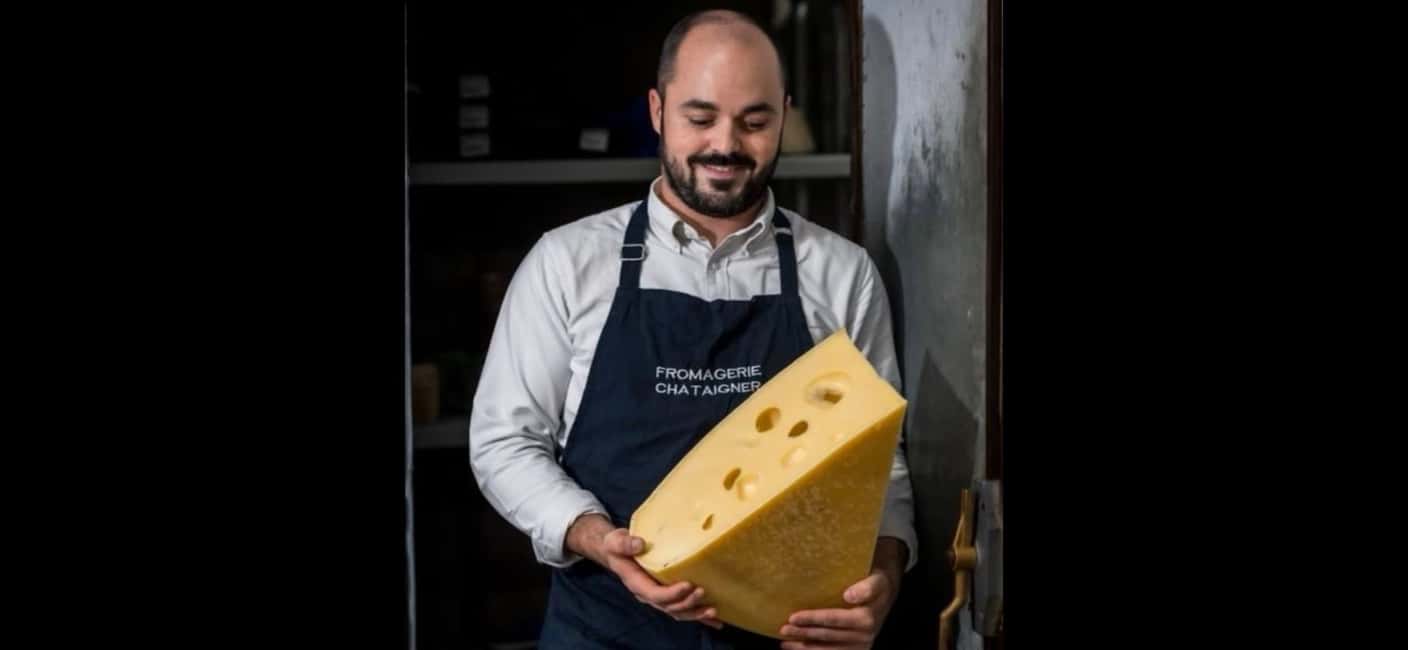
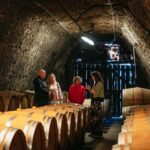
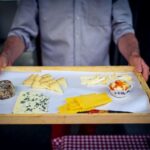
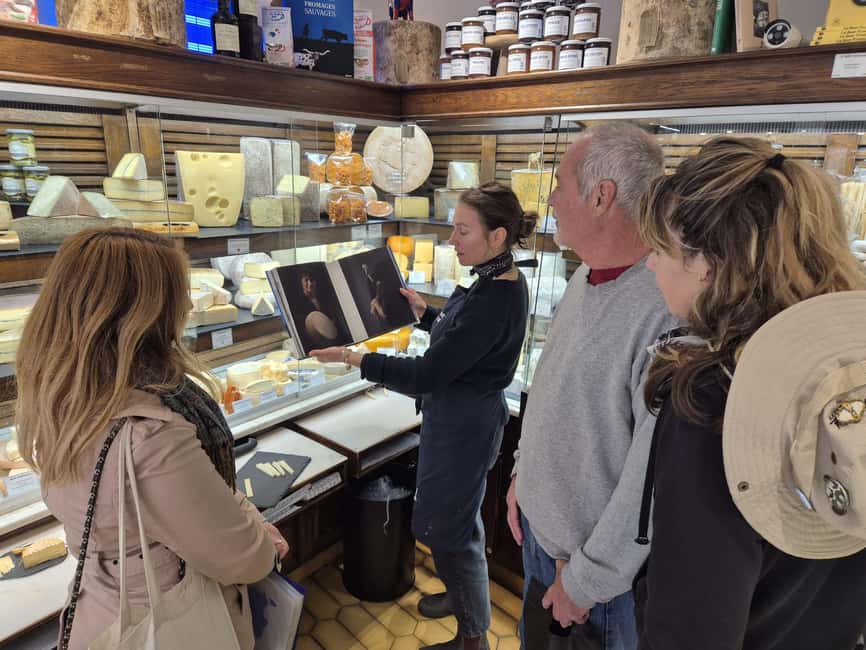
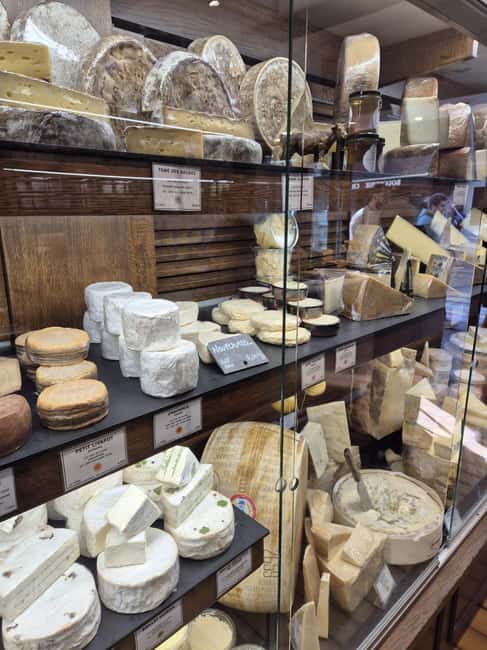
Then you hit one of the strongest anchors of the tour: a 100-year cheese cellar for cheese tasting. This is the stop where you’ll likely feel the “craft” of the experience the most—cheese is deep, cultural, and full of regional identity. A long-running cheese shop (especially one framed as a century-old operation) gives the tasting context: traditions, sourcing, aging styles, and how shopkeepers think.
This stop is also where the tour’s artisan angle shows up clearly. The highlights mention meeting French craftsmen—like a 100-years cheese monger—and you can feel the difference between cheese treated like inventory versus cheese treated like craft.
What to listen for from your guide: how the tasting is paced and explained. You want them to help you notice texture, rind, aroma, and how each cheese changes the experience when paired with other flavors you try earlier or later on the tour.
South Montmartre shop-hopping on a classic 18th-century street
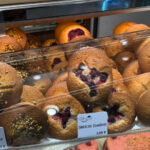
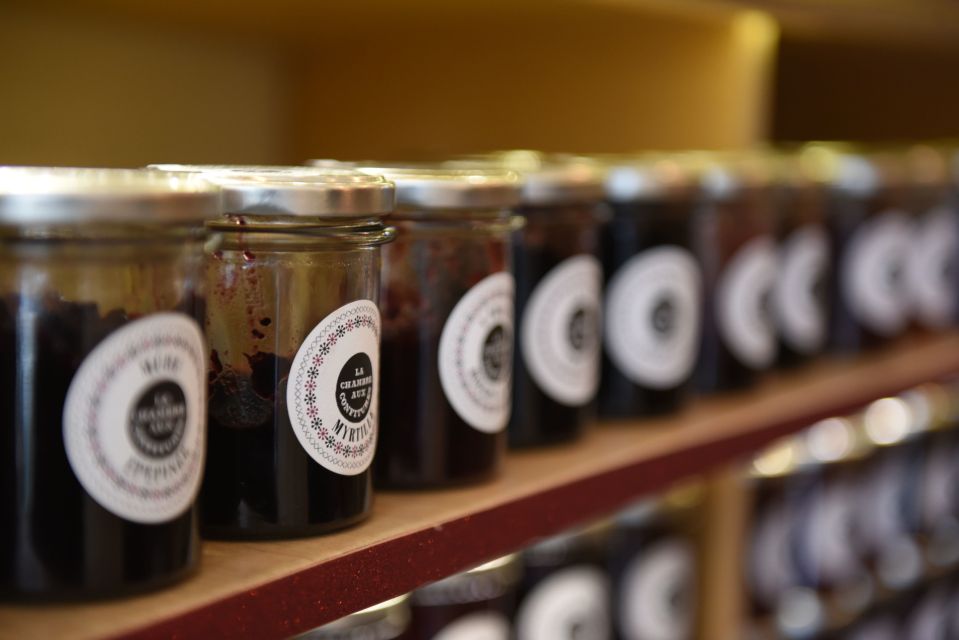
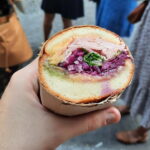
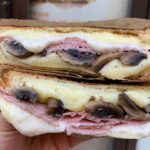
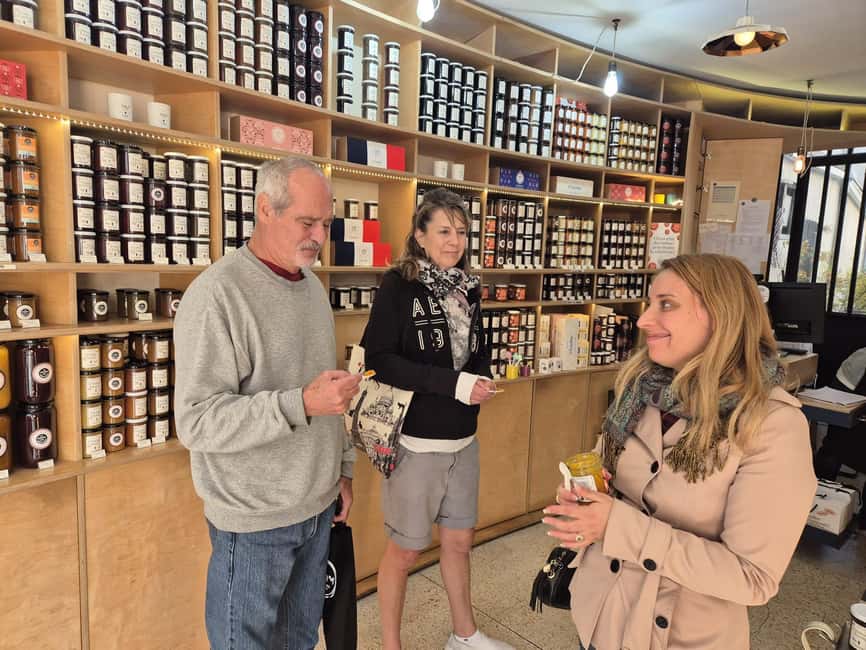
After the cheese cellar, the tour shifts into street exploration. You’ll wander an 18th-century street, meet shopkeepers, and sample local products—both sweet and savory. This part is less about one “big” tasting event and more about exposure: learning what kinds of things are worth buying, how French shop counters work, and what to look for when you’re on your own.
Why I think this matters for you: a lot of food tours stop at the famous moments. This one tries to teach you how to keep eating well after the guided portion ends. And because South Montmartre is a neighborhood where smaller shops still matter, you’re building a map in your head of what’s local, what’s seasonal, and what’s worth repeating.
Also, the tour’s design nudges you to slow-walk through the romance of the area—cabaret and theater energy close by—so you get both atmosphere and practical eating knowledge.
You can also read our reviews of more tours and experiences in Paris

Emily in Paris stops, without losing the food focus
There’s also an Emily in Paris connection. You’ll be shown one of the show’s famous addresses in the area. This is fun, especially if you watch the series, but the key is that it doesn’t replace the food story—it just adds a pop-culture layer to a neighborhood that already has stage-and-screen vibes.
How to enjoy this part: use it as a visual cue. When you see a recognizable corner, it’s easier to remember where you’ve been and what you tasted nearby. The guide’s anecdotes can help stitch together street scenes, history, and the neighborhood’s identity.
Who this tour fits best (and who should think twice)
This is best for you if:
- You like a guided, structured tasting plan instead of wandering blind
- You’re interested in French food culture and product craft (not only scoring Instagram views)
- You want a small group experience with room to ask questions
- You’d like a starter list of gourmet addresses for the rest of your trip
It may be less ideal if:
- You don’t want to walk much during a three-hour outing
- You need very specific dietary accommodations and don’t want to coordinate ahead of time (the tour notes tastings can vary)
On the plus side, the guides bring energy and humor. In particular, the name Victor comes up in standout feedback as an excellent, fun guide, and Marcela is described as warm, cultured, entertaining—exactly the kind of person who can make food history feel lively rather than lecture-like.
Price and value: $153 for tastings plus expertise
At $153 per person for about 3 hours, this tour sits in the mid-to-upper range. So the real question is value: what are you getting for that price?
Here’s the practical breakdown of why it can feel fair:
- You’re getting food and beverages included as part of a guided sequence (chocolate, wine + cold cuts, and cheese tasting, plus local product samples)
- You’re paying for expert storytelling—food culture and history woven into the stops
- You’re not navigating on your own: the guide handles pacing and helps you make sense of what you’re tasting
- You get a complimentary book of addresses at the end, which can extend the value well beyond the tour itself
If you’ve ever spent time and money wandering into the wrong shop or ordering the wrong thing, you already understand why a good guide can pay off. And with small group size up to 6, you’re more likely to get personalized help than on bigger buses.
What to do before you go (small choices that make it smoother)
A few simple prep moves help you enjoy the tour more:
- Wear comfortable shoes. You’ll be on your feet moving through South Montmartre.
- Bring water, especially if you’re booking on a warmer day.
- Plan a light breakfast or lunch beforehand so the tastings feel fun, not overwhelming.
- If you have dietary requirements, advise the operator when booking, since tastings can vary.
Also, note the rule: food is not allowed. That’s usually about keeping the tasting flow consistent. If you’re tempted to graze on your own, resist—let the guide’s plan do the work.
Where the tour starts and how to find your rhythm
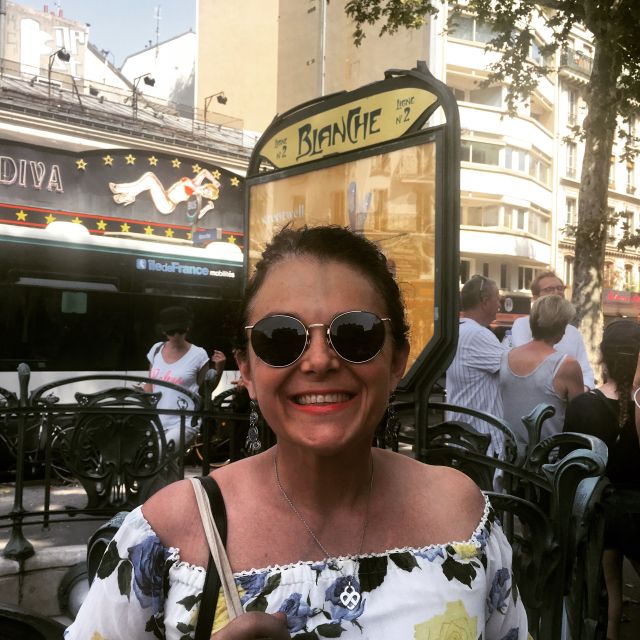
The meeting point is Metro Blanche (Line 2), near the Kiosque. For me, the biggest tip is to arrive a few minutes early and get your bearings fast—South Montmartre is charming, and that also means it can be a little easy to lose your head in the details.
Once you meet the group, the rhythm is straightforward: you’ll taste, walk, learn, taste again. It’s not a marathon, but it is a genuine food tour, and your best move is to keep your energy up and pay attention while you taste.
Should you book this South Montmartre food tour?
Book it if you want a compact, high-quality Paris food experience with real context. The strong points are the guided structure (chocolate, wine + cold cuts, cheese in a 100-year cellar, then local sweet/savory shop stops), the small-group feel, and the extra value of an address book you can use right after.
Think twice if you’re not into walking or you need very specific dietary handling, because the tour’s tastings are shaped by seasonal and day-of-week factors.
If you’re doing Paris soon and want to eat well without second-guessing, this is a smart early-trip plan. Get your bearings, learn how the neighborhood’s food culture works, then use the recommendations to keep going on your own.
FAQ
How long is the Paris Gourmet food tour in South Montmartre?
The tour lasts 3 hours.
What is the group size?
It’s a small group with a maximum of 6 participants.
What food and beverages are included?
Food and beverages are included, and you’ll taste multiple items during the tour, including chocolates, wine with cold cuts, and a cheese tasting, plus local sweet and savory products.
Are dietary requirements accommodated?
You should advise dietary requirements when booking.
What languages are the live guides?
The live tour guide is available in Spanish, English, and French.
Where does the tour meet?
The meeting point is Metro Blanche (Line 2) near the Kiosque.
Is outside food allowed during the tour?
No—food is not allowed unless ordered by the guide as part of the tour.
What should I wear or bring?
Wear comfortable shoes and consider bringing water. It’s also recommended to have a light breakfast or lunch before the tour.
Does the tour include an Emily in Paris stop?
Yes. The tour includes a stop connected to Emily in Paris, showing one of the series’ famous addresses in the area.