REVIEW · PARIS
Paris: Montmartre Private Walking Tour
Book on GetYourGuide →Operated by Paris in person private tours · Bookable on GetYourGuide
Montmartre feels like Paris in miniature. On this private 2-hour walking tour, you trace the legends behind Rue Lepic, the cabarets, and the rise of Impressionism, with a guide who turns street corners into real stories you can picture. It’s a simple format, but it moves fast in the best way: you cover the essentials without feeling rushed.
I especially like how the tour balances big-name sights with the human stuff: illegal alcohol, “obscene” can-can tales, and the contrast between lavish houses and rougher streets. You’ll also get the iconic payoff at Sacré-Cœur after climbing Rue Lepic. The one drawback to consider is that it runs rain or shine, so wear shoes you trust for uphill walking and slick sidewalks.
In This Review
- Key highlights worth your time
- Entering Montmartre: why this private format is the smart play
- Meeting at Metro Blanche and getting oriented fast
- Rue Lepic up the hill: the climb that makes Sacré-Cœur feel real
- Moulin Rouge and Moulin de la Galette: cabarets, can-can, and art inspiration
- A practical tip for these stops
- Place du Tertre: a village square inside a metropolitan machine
- Vigne de Montmartre: the vineyard twist you didn’t expect
- Lapin Agile and the artist drinking dens: Picasso and Modigliani in the mix
- Stories your guide tells: why the contrasts are the whole point
- Price and value: what you’re really paying for at $171 per person
- Who should book this Montmartre private walking tour
- Should you book this tour or skip it?
- FAQ
- How long is the Montmartre private walking tour?
- Where do I meet the guide?
- What does the tour include?
- Are food and drinks included?
- Is the tour private?
- What languages are available?
- Does the tour run in bad weather?
- What is the cancellation policy?
Key highlights worth your time
- Rue Lepic on foot, including the uphill stretch that leads toward Sacré-Cœur
- Cabaret history, with stops tied to the Can-Can era and classic Montmartre venues
- Place du Tertre’s artist square, where the neighborhood still looks and feels like a village inside a city
- Picasso and Modigliani connections via Lapin Agile and the old artist hangouts
- Vigne de Montmartre views, a fun “wait, vineyards are here?” moment in Paris
- Private guide energy, which can keep both adults and kids engaged (I’ve heard great feedback about guides entertaining families)
Entering Montmartre: why this private format is the smart play
Montmartre is the kind of neighborhood where your experience can swing wildly depending on who’s walking you. This is a private tour, so the guide can set the pace, explain what you’re actually seeing, and focus on the details that matter instead of rattling facts for a big group.
It also helps that the tour stays to a tight window: 2 hours. You get a guided sweep of the area’s most famous landmarks, plus the smaller “why it mattered” stories behind them, without burning your whole day. For a first visit, that’s gold.
And there’s a practical bonus: the operator (Paris in person) has been recognized as one of Europe’s top small tour companies. That reputation usually shows up as smoother guiding and a less chaotic experience on the ground.
You can also read our reviews of more walking tours in Paris



Meeting at Metro Blanche and getting oriented fast
You meet at the exit of Metro Blanche, and your guide will be carrying a red canvas tote bag. That matters more than people think. In Montmartre, streets can twist, and landmarks can look close while still being far on foot. A clear meeting point helps you start calmly.
From there, the guide’s job is part navigation, part translation. You don’t just “see” places like Moulin Rouge or Moulin de la Galette—you learn how Montmartre shifted from being outside the city’s jurisdiction to becoming fashionable, bohemian, and artist-famous.
Because this is rain or shine, you’ll want to arrive ready. Bring a compact umbrella if you use one, but more importantly, bring comfortable walking shoes. The neighborhood is all steps, slopes, and sudden climbs.
Rue Lepic up the hill: the climb that makes Sacré-Cœur feel real
Rue Lepic is one of those Montmartre streets that you can walk without realizing why it’s famous. The tour corrects that. You’ll follow the street’s historic role in the way Paris art movements took shape, then move into the uphill rhythm that locals have been dealing with forever.
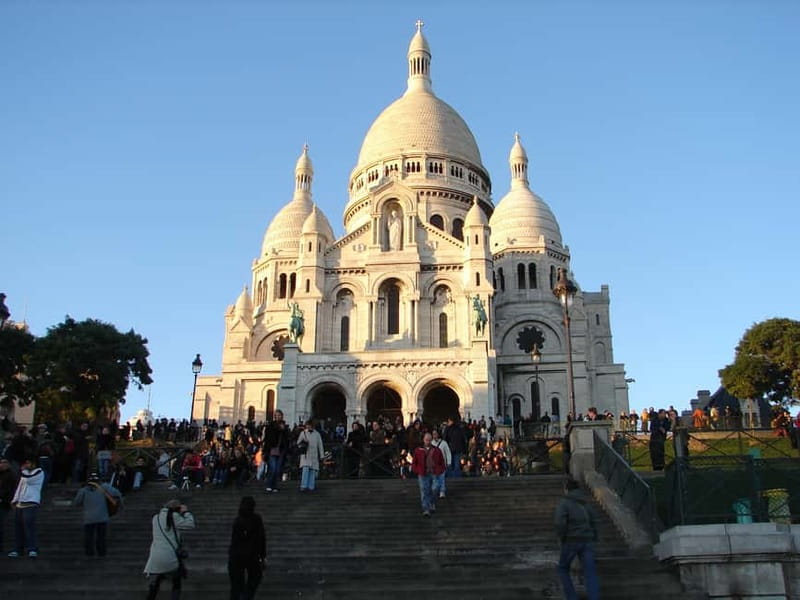
The big moment here is the approach to Sacré-Cœur, with the guide calling attention to what you’re seeing as you climb. The white façade is the obvious photo, but the point of walking up Rue Lepic is that it gives the view meaning. You feel how the neighborhood’s geography shaped its lifestyle, who lived where, and why certain areas became stages for artists.
What to watch for: the pace. You’re on foot for a full 2 hours and Rue Lepic’s climb is part of the experience. If you like casual walking, you’ll love it. If you get winded easily, slow down early and let your guide know your comfort level.
Moulin Rouge and Moulin de la Galette: cabarets, can-can, and art inspiration
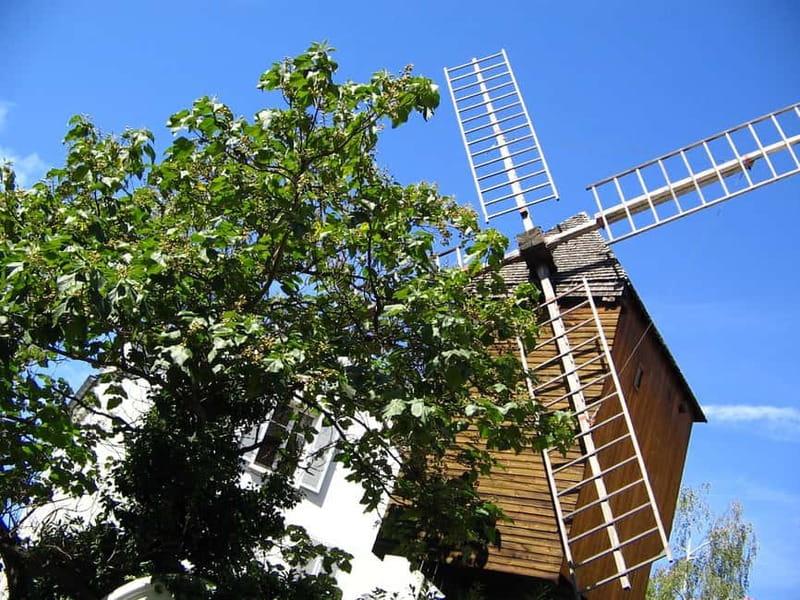
Montmartre’s reputation isn’t only about painters. It’s also about nightlife, performance, and the slightly dangerous edge that helped create legend. On this walk, you’ll pass major landmarks tied to that story, including Moulin Rouge and Moulin de la Galette.
The guide connects the dots between the cabaret world and the wider cultural shifts of the 19th century. Expect a mix of glamorous and messy. The tour includes stories about the can-can’s evolution and even the kind of illegal drinking and “obscene” dancing that earned Montmartre its notorious reputation.
Here’s why that matters for you: it changes how you read what’s in front of you. When you see these venues, you’re not just checking boxes. You understand the role they played in turning a rough former suburb into a magnet for artists and dreamers.
A practical tip for these stops
These areas can be busy, and you’ll likely spend most of your time moving between sights rather than standing around long. If you’re hoping for a sit-down moment, plan to schedule it before or after the tour since food and drinks aren’t included.
You can also read our reviews of more private tours in Paris






Place du Tertre: a village square inside a metropolitan machine
Place du Tertre is the heartbeat of “Montmartre as village.” The tour takes you there so you can see the street-art atmosphere that still feels like a lived-in scene instead of a museum backdrop.
This stop is about more than scenery. It’s where you can sense the neighborhood’s ongoing draw for artists. The guide also sets it in context, explaining how Montmartre became a place where people came to create, perform, and reinvent themselves.
What I like about this portion is that it balances classic landmarks with an area you can still experience in motion. You’re not stuck looking at one façade for 30 minutes. You walk, you observe, and you absorb.
One thing to plan for: the square can feel crowded depending on the day and time. The private guide format helps because you can move on quickly when you want a better look, instead of waiting in a long cluster.
Vigne de Montmartre: the vineyard twist you didn’t expect
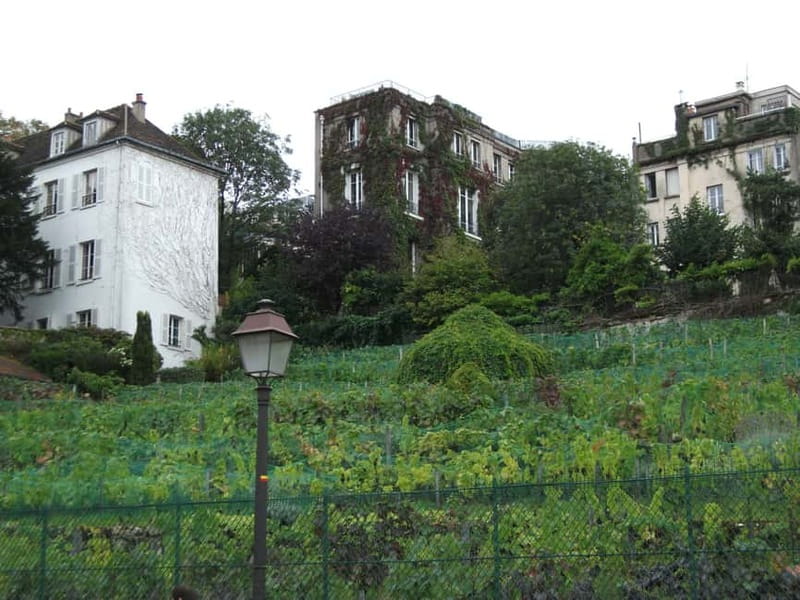
After the famous art-square energy, the tour takes a turn toward something oddly charming: the vineyards of the Vigne de Montmartre. This is a very “only in Paris” moment—because vineyards feel more expected at the edges of France than inside a major city.
The guide’s value here is interpretation. You’re not just walking through a pretty patch. You’re learning how Montmartre’s land use helped shape its identity, from everyday life to the artistic mythology people later adopted.
It’s short, but it sticks. If you like seeing how a city’s landscape affects its culture, this is a great palate cleanser between big-ticket sights.
Lapin Agile and the artist drinking dens: Picasso and Modigliani in the mix
One of the most compelling parts of the walk is the stop at Lapin Agile, a cabaret tied to struggling artists and writers. This is where the tour leans hardest into the “what it felt like” side of Montmartre.
The guide connects Lapin Agile to the wider artist world, including names like Picasso and Modigliani. Even if you don’t already know their biographies, the point is to understand the attraction: Montmartre offered a mix of creative freedom and gritty reality that big-city life often diluted.
I also like that the tour doesn’t sanitize the past. The stories include the sketchier side of the neighborhood—illegal drinking and the scandalous reputations around performance. That makes the legendary reputation feel less like marketing and more like a lived atmosphere.
Stories your guide tells: why the contrasts are the whole point
This tour is built around stories, not just sightseeing. You’ll hear about Montmartre’s layered history, including the shift from less respectable conditions to fashionable bohemian culture. The guide also highlights a striking contrast: lavish houses next to run-down slums.
That contrast is the secret sauce. Montmartre’s look is romantic partly because people carved romance out of hardship. When you hear the backstory while walking, the neighborhood stops being a postcard and starts being a place with causes and consequences.
If you want an extra-credit experience, pay attention to how the guide links different eras. The tour mentions the birth of Impressionism and connects that creative energy to the streets, nightlife, and artist congregation that developed over time.
And the human element matters too. One guide name you might encounter in the wild is Boris, and I’ve seen feedback praising how his English is clear and how he keeps kids engaged. Another guide mentioned is Isabella, praised as both informative and fun. In a private tour, those personality differences can make a big impact.
Price and value: what you’re really paying for at $171 per person
At $171 per person for a 2-hour private walking tour, you’re not paying for a bus ride or entry tickets. You’re paying for a guide who can (1) steer you efficiently through Montmartre, and (2) explain the “why” behind the sights.
That’s worth it if you care about meaning more than selfies. If you want to understand the Can-Can story, the Impressionism connection, and the neighborhood’s shift from former suburb to bohemian hotspot, a guided private format saves you from stitching together bits yourself across multiple guidebooks and apps.
It can be pricey if you’re the type who’s happy doing Montmartre independently with a map. But if you’re traveling with kids, or you want a smooth and story-driven route in limited time, this looks like strong value—especially because it’s private and designed for real conversation.
Also, the tour runs rain or shine, so the guide’s presence matters even when weather turns the streets into a slip-and-slide. Free cancellation up to 24 hours in advance can help you book confidently if your schedule might shift.
Who should book this Montmartre private walking tour
This tour fits best if you want:
- A guided story walk through iconic Montmartre landmarks in just 2 hours
- A route that includes both big names (like Moulin Rouge) and artist-world corners (like Lapin Agile)
- Clear explanations in multiple languages, since guides can work in English, French, and Serbo-Croatian
- A private pace that can work for families; guides have been praised for keeping two kids entertained
It may not be ideal if:
- You hate hills or have limited mobility, since Rue Lepic includes an uphill climb
- You’re expecting food to be part of the experience, since it’s guide-only
Should you book this tour or skip it?
Book it if you want Montmartre to make sense fast. This is one of those places where a private guide turns landmarks into story, and story into an atmosphere you can actually feel while walking the streets.
Skip it if you plan to spend most of your time wandering on your own and you don’t care about the historical links between cabarets, artists, and the birth of Impressionism. In that case, you might enjoy the neighborhood just as well with a self-guided walk and a good map.
If you’re deciding between “see the highlights” and “understand the neighborhood,” this tour leans hard toward the second option—and that’s usually what makes Montmartre unforgettable.
FAQ
How long is the Montmartre private walking tour?
The tour lasts 2 hours.
Where do I meet the guide?
Meet your guide by the exit of Metro Blanche. The guide will be carrying a red canvas tote bag.
What does the tour include?
It includes a live tour guide.
Are food and drinks included?
No. Food and drinks are not included.
Is the tour private?
Yes, it’s a private group.
What languages are available?
The live guide can work in English, French, and Serbo-Croatian.
Does the tour run in bad weather?
Yes, it takes place rain or shine.
What is the cancellation policy?
You can cancel up to 24 hours in advance for a full refund.