REVIEW · PARIS
Paris : Pastries and Tragedies, The sweet tour of Montmartre
Book on GetYourGuide →Operated by Bon Appétit Walks · Bookable on GetYourGuide
Dark stories and sweet bites walk side by side in Montmartre. I love how this tour keeps the pace easy enough for a morning stroll while packing in Moulin Rouge sights and French pastry tastings that feel like the real deal, not a souvenir stop.
One thing to keep in mind: Montmartre is a hill, and this route goes uphill, with some stairs and chunky cobblestones. Add the fact it’s a busy, tourist-heavy area, and you’ll want comfy shoes and some basic street-smarts for phones and wallets.
In This Review
- Key Highlights I’d Prioritize
- Montmartre Goes Dark, Then Turns Sweet
- Where You Start at Place Blanche (and How to Spot the Group)
- The Uphill Reality: Fitness, Stairs, and Walking Shoes
- Moulin Rouge to Pastry Stops: How the Tour Sets the Tone
- Le Bateau-Lavoir and the Artistic Side of Montmartre
- Windmills, Views, and That Walk Toward Sacré-Cœur
- What the Included Tastings Feel Like in Real Life
- Price and Value: Is $79 Worth It?
- Who This Tour Fits Best (and Who Might Want a Different Plan)
- Practical Tips I’d Use on Day One
- Should You Book This Montmartre Pastry-and-Stories Tour?
- FAQ
- How long is the Montmartre pastries and tragedies tour?
- Where does the tour start?
- Where does the tour end?
- What’s included in the price?
- Are drinks included?
- What group size is it?
- What language is the tour guide?
Key Highlights I’d Prioritize
- 6+ included tastings from top local bakeries, with enough variety to actually surprise you
- Storytelling that links place to people, mixing love, loss, and resilience as you walk
- Iconic Montmartre landmarks like Moulin Rouge, Le Bateau-Lavoir, and the windmills
- A viewpoint stop plus a finish at Sacré-Cœur de Montmartre so you end with big views
- Small groups (max 10) with an English live guide who can set a friendly pace
- Guides with personality, with past groups led by guides such as Lancelot, Loïk, and Laurent
Montmartre Goes Dark, Then Turns Sweet
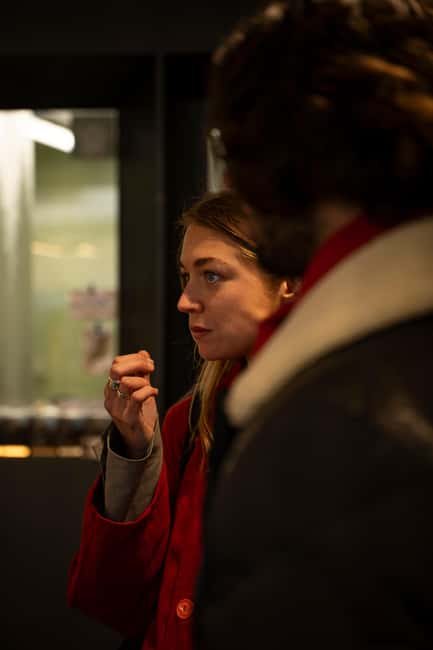
Montmartre has always had two faces. One is romantic and postcard-pretty. The other is where love doesn’t always end well, where art grows out of hardship, and where people keep going anyway. This tour leans into that contrast on purpose: you’ll hear the dramatic side of the neighborhood while you’re also stopping for serious pâtisserie.
I especially like that the sweets aren’t treated as an afterthought. They show up at multiple points during your walk, so the tasting feels like part of the route, not a single big break. And because you’re given multiple chances at different bakeries, you get more than one type of bite.
The end result is a Montmartre experience that feels more human. You’re not just looking at sights like a checklist. You’re walking the streets with a guide who connects what you see to stories you can remember.
You can also read our reviews of more tours and experiences in Paris

Where You Start at Place Blanche (and How to Spot the Group)
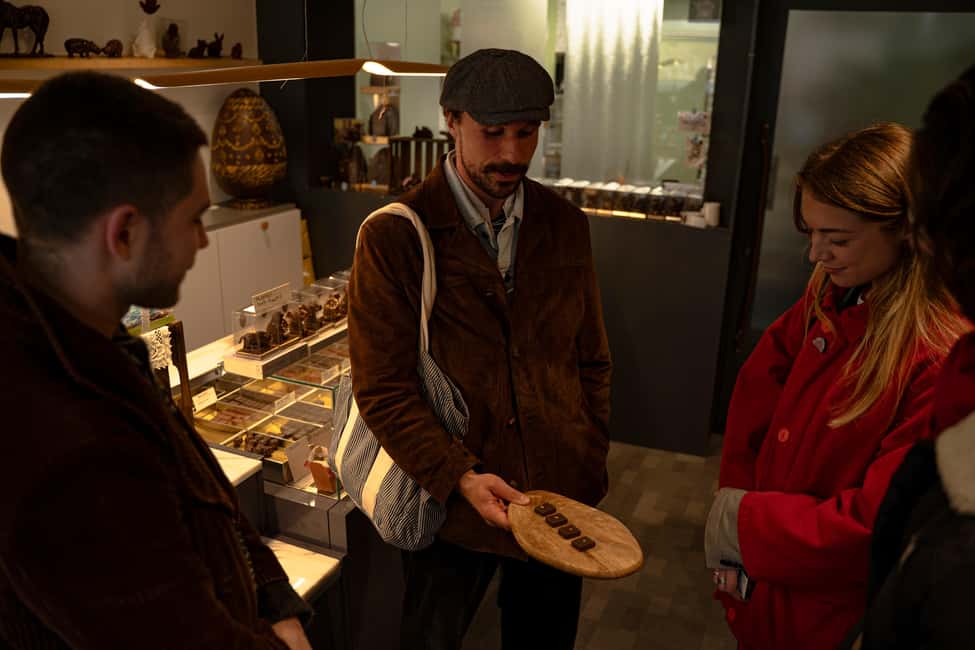
Your tour begins at 5 Pl. Blanche, and the meeting method is simple: look for a badge and a moustache in front of the pharmacy. That detail matters more than you’d think, because Montmartre streets can look like they’re all the same until you’re close.
From there, you’ll head toward the tour’s key landmarks, with a live guide speaking English. Groups are kept small, limited to 10 participants, which helps the pacing. In past tours, guides have also made room for slower walkers, which is good news if you’re traveling with mixed mobility.
Also, a quick expectations check: this is a walking tour. Even though the tastings break things up, you’ll be on your feet for the full 2 hours.
The Uphill Reality: Fitness, Stairs, and Walking Shoes
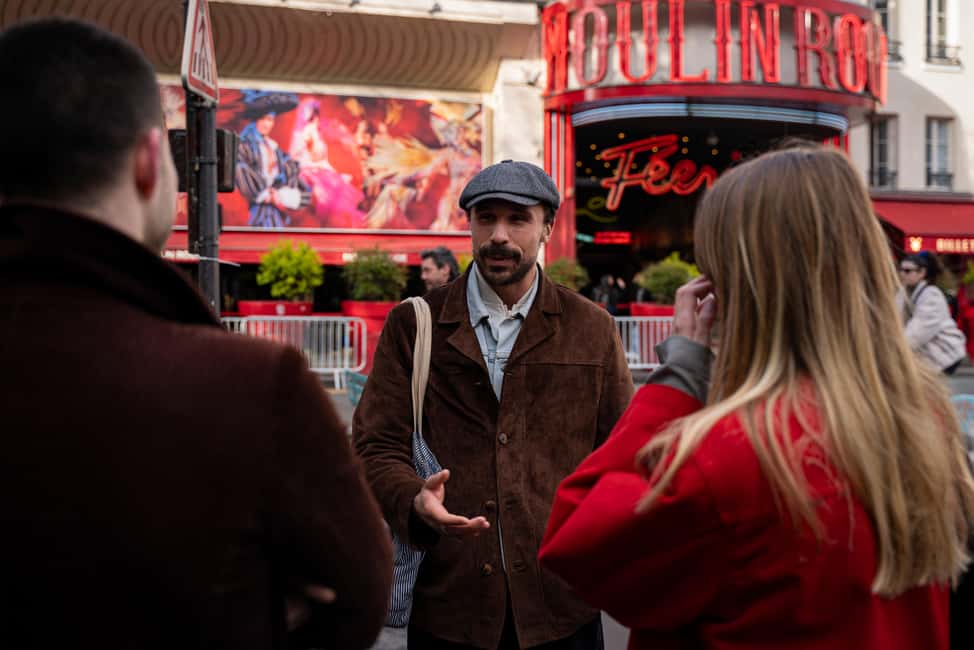
Montmartre is not flat. This route takes you to the top area, and you’ll feel it in your legs. The hill is the main practical consideration, and the route includes stairs and some uneven footing. So if your idea of a good walk is mostly smooth sidewalks, this one might feel tougher than you expect.
Still, the tour is built as a guided stroll rather than a workout challenge. The group size stays small, and guides can help keep everyone moving at a sensible speed. The biggest “be ready” items are footwear and your willingness to slow down a bit on the climbs.
If you’re sensitive to hills, plan to bring a bottle of water. Drinks aren’t included, so you’ll likely want to sip something during the breaks between tastings.
Moulin Rouge to Pastry Stops: How the Tour Sets the Tone
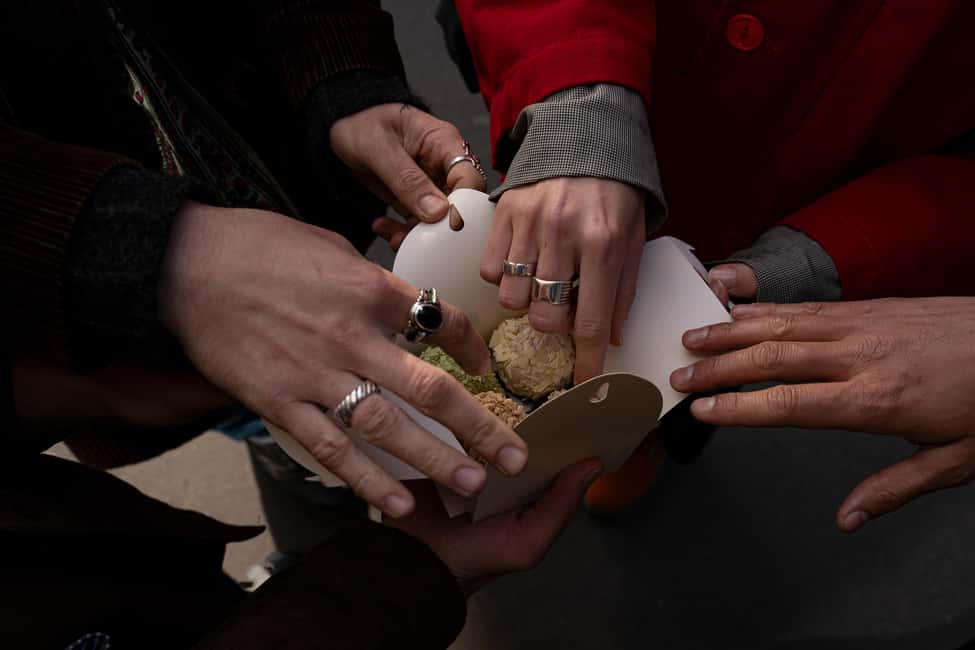
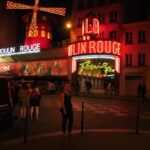
After meeting near Place Blanche, you’ll head toward Moulin Rouge. Seeing it from the street gives you a different sense of the area than photos do. Even if you’ve seen images before, the neighborhood’s mood hits you faster in person.
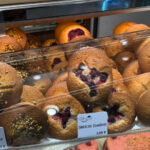
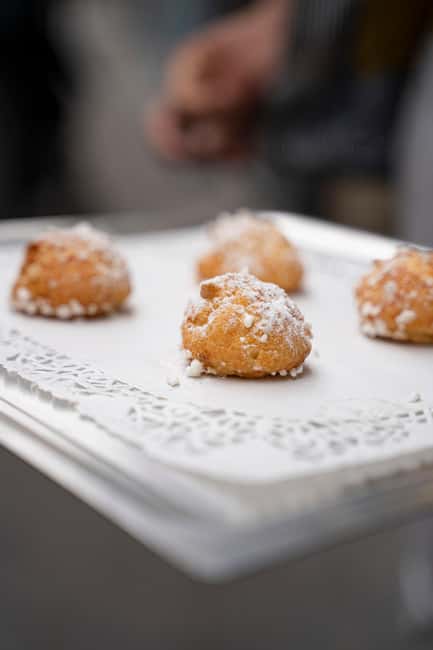
Right after the big visual landmarks, the tour starts pairing place with taste. You’ll make local bakery stops and sample sweets along the way, with food included in the price. The tour promises a minimum of six different treats, and that minimum is important: you’re meant to keep trying new things instead of repeating the same type of pastry.
What makes these early stops work well for visitors is variety. You’ll likely encounter a mix of French bakery classics and small specialty items—sweet bites you might not order on your own because you’re not sure what’s unique there. The guide’s job is basically to save you from choice paralysis while also keeping the story moving.
One more practical note: because tastings happen multiple times, you may end up comfortably full before the final stop. That’s not a downside if you planned for it, but it can affect what you do afterward for lunch or dinner.
Le Bateau-Lavoir and the Artistic Side of Montmartre
Next you’ll move through Le Bateau-Lavoir, which gives the tour a shift from the flashy streets into something more creative and character-driven. This is one of those places that helps explain why Montmartre became a magnet for artists. You’ll hear stories that connect the neighborhood to the people drawn here and how art and daily life fed each other.
Even if you’re not an art-history person, I think this stop is useful because it changes the tone. After Moulin Rouge and the sweets, Le Bateau-Lavoir gives the tour a softer, more human angle. It helps you understand why the neighborhood keeps being remade by new generations.
And the structure still holds: you aren’t stuck in one spot listening for a long time. You’re walking, stopping to taste, then walking again. That flow is part of why the tour feels like a good use of limited time in Paris.






Windmills, Views, and That Walk Toward Sacré-Cœur
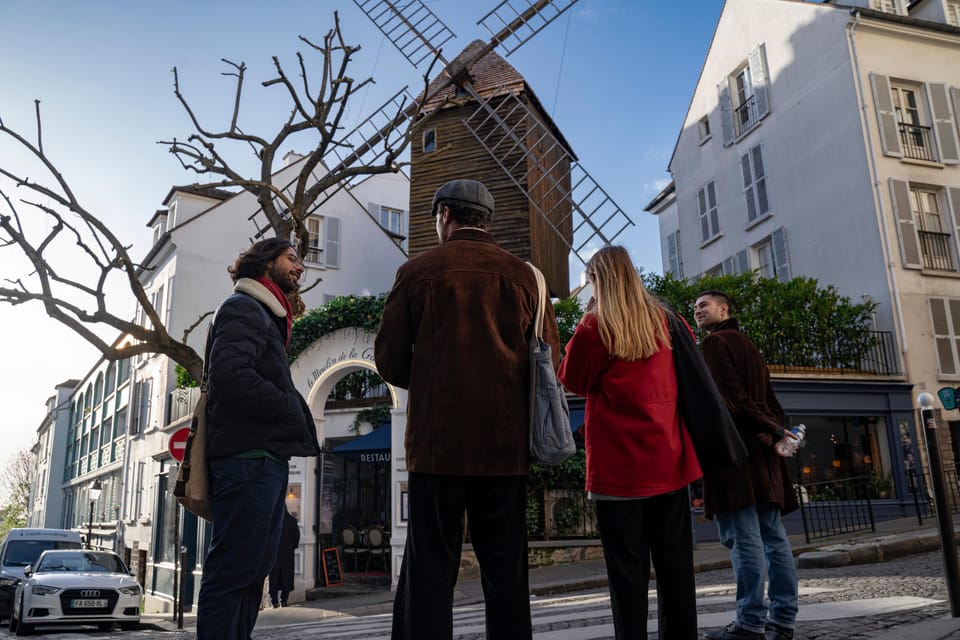
Later in the experience, you’ll reach the windmills area for sightseeing. This is where Montmartre starts to feel like Montmartre. You’re higher up, the streets open slightly, and you get that unmistakable “top of the hill” feeling.
From there, the tour builds toward the finish at Sacré-Cœur de Montmartre. You’ll also stop at a viewpoint, which is a smart move near the end. It lets you catch your breath, take a few photos, and enjoy the neighborhood spread out below before you wrap up.
The finish at Sacré-Cœur is a big part of why this tour works for visitors. The basilica area is one of the most iconic spots in Paris, and ending there makes your last 20–30 minutes feel like a reward. You’ll also be well placed to continue exploring on your own afterward, whether that means lingering for the views or finding dinner on the hill.
What the Included Tastings Feel Like in Real Life
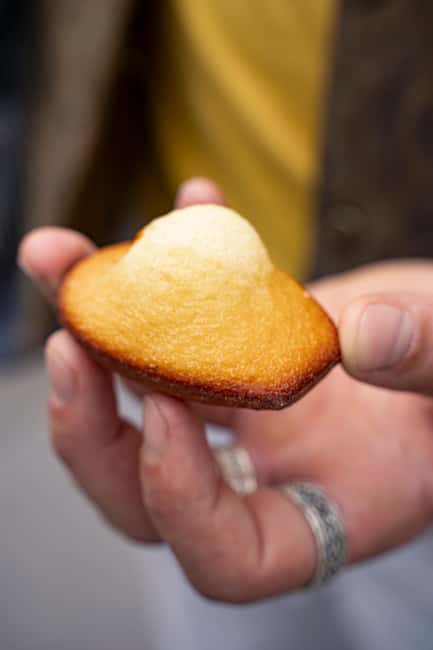
Let’s talk food, because this tour is built around it. You’ll have multiple bakery stops, and the promise is a minimum of six different treats with food included in the ticket price. In practice, that kind of structure means you’re tasting enough that the tour feels like an actual culinary experience, not a token sample.
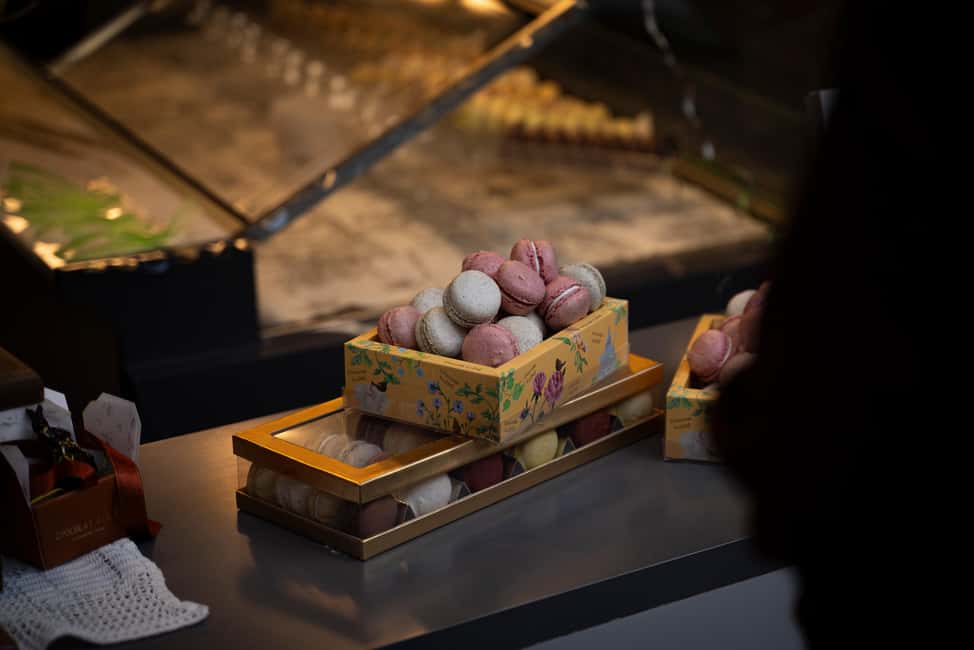
In past groups, the selection has been described as excellent, with variety that includes pastries and sometimes chocolate. That matters because Montmartre is full of bakeries, and without guidance you’d likely end up picking the most famous name rather than the most interesting bite.
If you’re thinking about logistics, here’s what I’d plan for:
- You might not want a heavy breakfast beforehand.
- You’ll be most comfortable with a small day bag so you can manage wrappers while walking.
- Some tastings may happen right after a stair section, so keep an eye on where you’re stepping.
Also, drinks aren’t included, which is why it helps to bring water. You don’t need a picnic; just have a sip ready if your throat gets dry.
Price and Value: Is $79 Worth It?
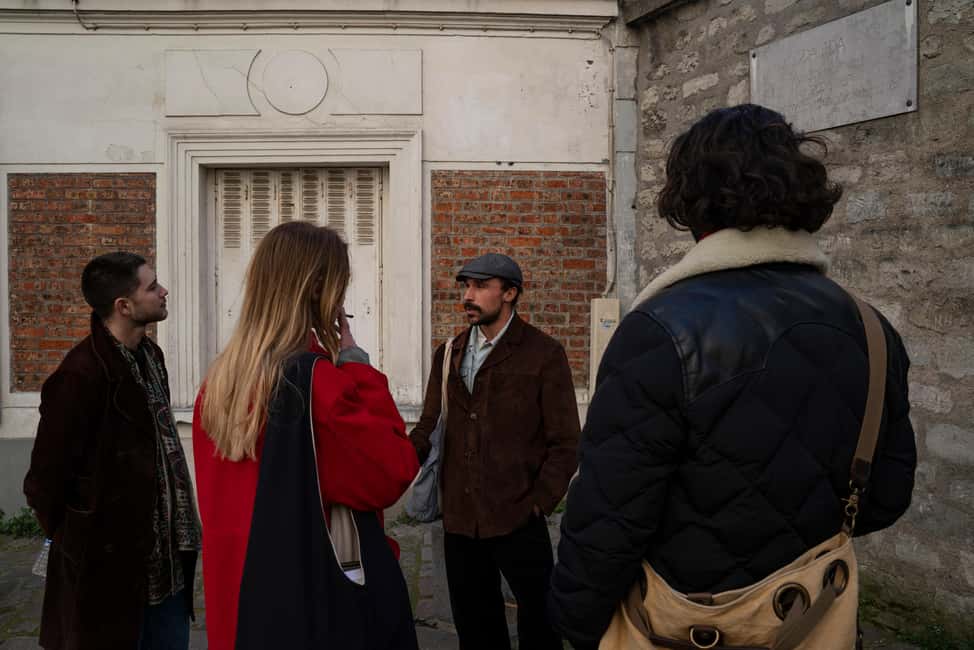
At $79 per person for 2 hours, you’re paying for three things at once: a guide, guided walking through Montmartre’s key sights, and a repeated set of bakery tastings.
The value is strongest if you fall into one of these categories:
- You want to see sights like Moulin Rouge and Sacré-Cœur but prefer a route with stories, not just photo stops.
- You like French pâtisserie and want to try things you wouldn’t normally pick.
- You’d rather pay once and get multiple tastings included than pay for a bunch of single items around the neighborhood.
Where the price can feel less ideal is if you’re not interested in food or if you prefer skipping structured walking tours. But for a sweet-focused experience with at least six tastings, this is in the category of “worth it” Paris add-ons, especially in a small group.
Who This Tour Fits Best (and Who Might Want a Different Plan)
This tour is a great match if you want:
- Montmartre history told through the places you’re actually standing
- A food-first route, with guided stops rather than wandering randomly
- A small group experience in English
It’s also family-friendly in the sense that groups have included multiple generations and still stayed happy with the pace. The pacing sounds like it’s flexible enough that not everyone has to be a speed-walker.
The main mismatch is physical comfort. If stairs and uphill climbs are a challenge for you, this one will require planning. Even with a small group and a guide who can adjust, you can’t avoid the hill and the stair sections in Montmartre.
If you’re sensitive to busy tourist areas, you’ll also want to pay attention to your belongings. The neighborhood can be crowded, and basic pickpocket awareness is smart anywhere you’re mixing sightseeing and phones.
Practical Tips I’d Use on Day One
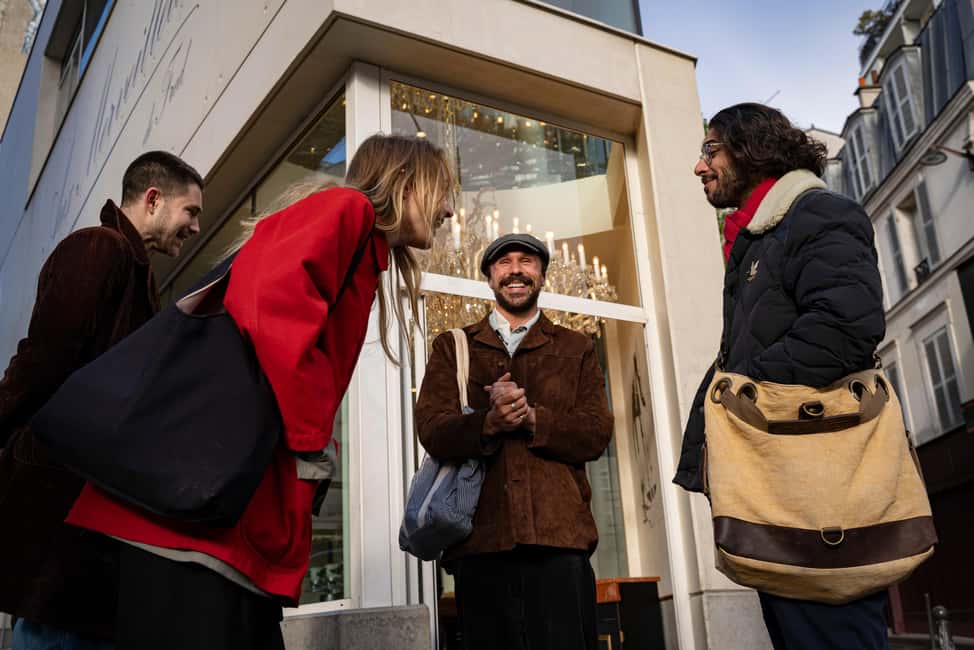
Here’s the short list I’d follow so you enjoy the tastings and the views without frustration.
Wear good shoes. Cobblestones and stairs are part of Montmartre’s charm, and you’ll want traction more than fashion.
Bring a bottle of water. Drinks aren’t included, and you’ll be walking uphill.
Watch your phone and wallet in the busiest areas. Montmartre is heavily touristed, and the guide won’t be able to protect you from careless moments.
Go easy on breakfast. Six-plus treats add up quickly, especially when the route keeps offering new bites.
If you want extra flexibility, keep your schedule light afterward. This is a tour where you’ll likely end up satisfied.
Should You Book This Montmartre Pastry-and-Stories Tour?
I’d book it if you want a Paris experience that’s both practical and memorable: you get classic landmarks, a guide who tells the darker and sweeter sides of Montmartre, and multiple bakery tastings for one straightforward price. The small group size and English live guide make it feel personal rather than rushed.
I’d skip it or choose a different option if hills, stairs, or long walking sessions are a hard no for you. This tour goes uphill to the Sacré-Cœur area, and that’s not a minor detail in Montmartre.
If you’re a history-and-food type, this one is hard to beat: you’ll leave with a better sense of the neighborhood and a satisfied sweet tooth.
FAQ
How long is the Montmartre pastries and tragedies tour?
It lasts about 2 hours.
Where does the tour start?
The tour starts at 5 Pl. Blanche. Look for a badge and a moustache in front of the pharmacy.
Where does the tour end?
It finishes at The Basilica of Sacré-Cœur de Montmartre. The activity info also notes it ends back at the meeting point, so expect the wrap-up to be in that same meeting area.
What’s included in the price?
A local guide, a walking tour, and a minimum of 6 food stops with food included.
Are drinks included?
No. Drinks are not included.
What group size is it?
It’s a small group limited to 10 participants.
What language is the tour guide?
The tour guide is live and speaks English.