REVIEW · PARIS
Paris: 45-minute Chocolate Making Workshop at Choco-Story
Book on GetYourGuide →Operated by The gourmet Chocolate Museum · Bookable on GetYourGuide
Chocolate gets personal here in Paris. I love the 45-minute chocolate workshop where you build a custom bar with molds and toppings, and learn the method from a chocolatier. The trade-off: you are decorating chocolate more than starting from raw cacao, and the pace can feel quick.
I also like that the ticket bundles museum time: three floors of displays plus a chocolate tasting and a virtual demonstration, so you leave with both skills and context.
Just plan around timing. You must arrive at least 15 minutes early, because late entry isn’t accepted and tickets aren’t refundable.
In This Review
- Key highlights to know before you go
- Chocolate Bar Workshop at Choco-Story: What You Actually Do
- Toppings, Molds, and the Art of a Pretty Bar
- The Choco-Story Museum: Three Floors That Add Context (and More Chocolate)
- Timing That Keeps It Fun (Not Chaotic)
- Bilingual Chocolatiers: A Big Quality Factor
- Value for Money: What $58 Buys You in Paris
- Who This Experience Fits Best (and Who Might Skip It)
- Practical Tips for Your Best Chocolate Bar Day
- Should You Book the Choco-Story Chocolate Workshop?
- FAQ
- How long is the workshop at Choco-Story?
- What do I make in the chocolate workshop?
- How much chocolate do I take home?
- What museum access do I get?
- Is there a chocolate tasting and a virtual demonstration?
- What language is the workshop taught in?
- Where is the meeting point?
- Is it suitable for young children?
- What happens if I arrive late?
Key highlights to know before you go
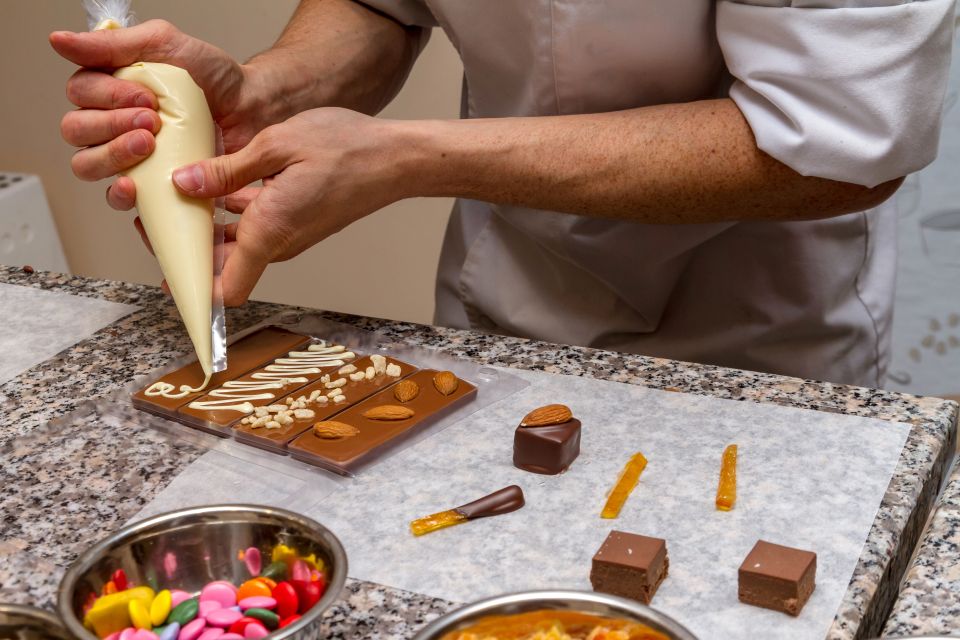
- Design your bar from start to finish: choose the shape and your chocolate layout
- Pick from fun topping options like orange stripes, marshmallows, hazelnut cubes, and mini-tablets
- Learn hands-on from a bilingual chocolatier in French and English (instructors like Stephen and Stefan are specifically praised)
- Museum admission is included with exhibits on chocolate’s story and how it’s made today
- You take home a lot (about 250–300 g of chocolate) and a Choco-Story apron
- Strict start time matters since late arrival is not accepted
Chocolate Bar Workshop at Choco-Story: What You Actually Do
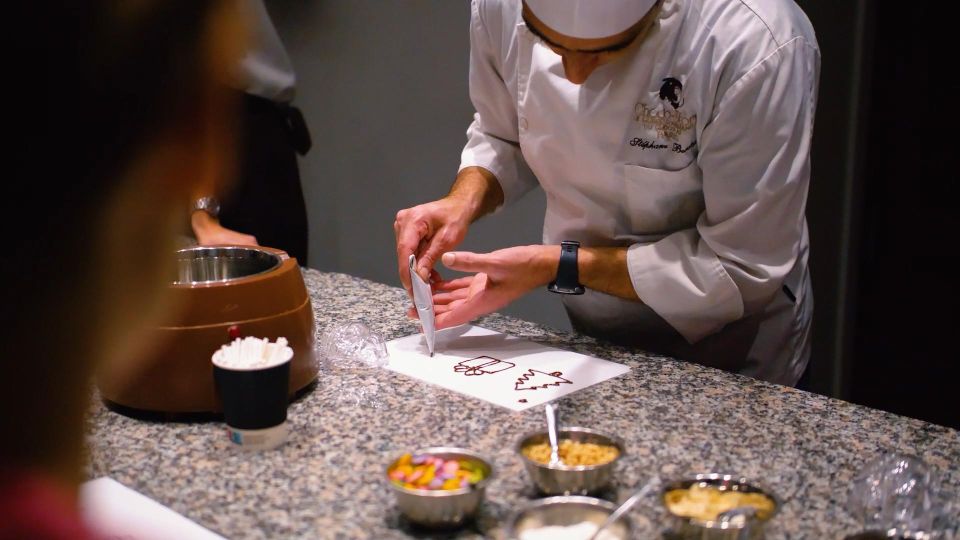
This is a Paris-style activity that mixes craft class energy with museum-day curiosity. The workshop portion is short—45 minutes with a chocolatier—so you’re not stuck in a long, slow class. Instead, you’re in and out while you’re still excited, with a finished chocolate bar to show for it.
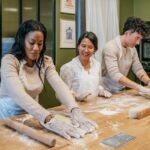
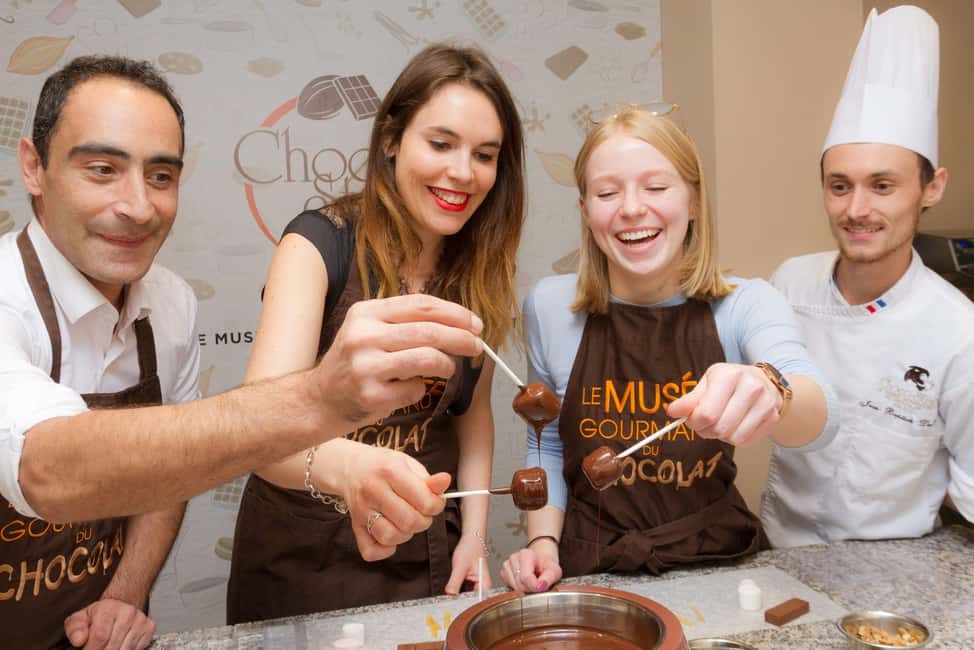
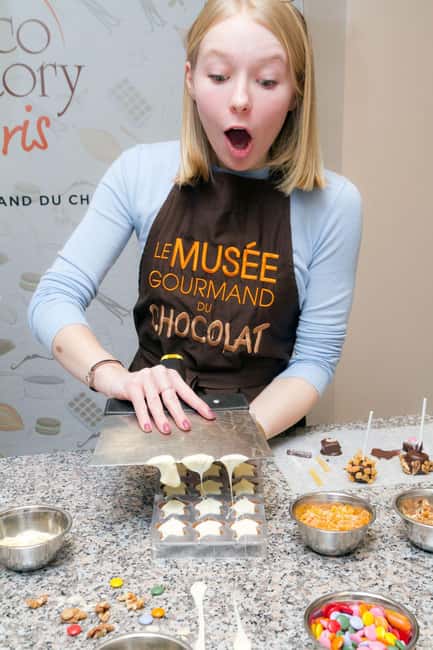
Here’s what the session is built around: you choose a mold and decide what your bar will look like. Then you work through the steps to layer chocolate and add toppings. The topping list includes options such as orange stripes, marshmallows, hazelnut cubes, and mini-tablets, which makes the decorating feel more personal than the usual one-flavor dessert stop.
One important reality check: several people note the chocolate process is more like decorating than making chocolate from scratch. In other words, you should expect to work with prepared chocolate (melted and handled for you), not to learn the full bean-to-bar process. If your goal is “how do I temper and start from cacao,” this won’t fully scratch that itch. But if your goal is “I want to make something I can eat and share,” it hits the mark.
You can also read our reviews of more tours and experiences in Paris

Toppings, Molds, and the Art of a Pretty Bar
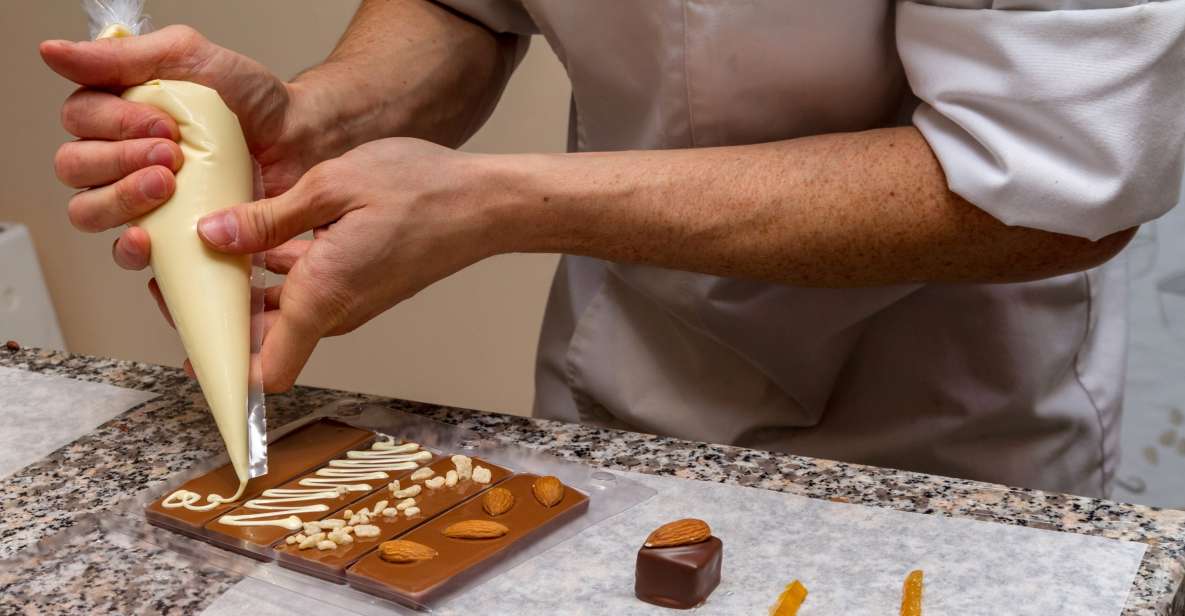
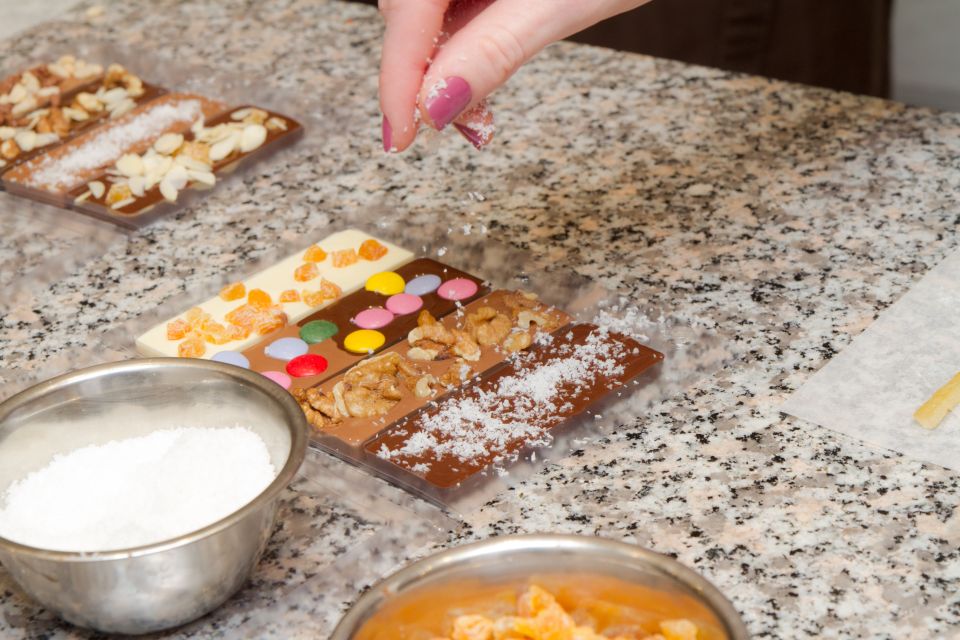
The fun part isn’t just eating chocolate—it’s making it look right. You’ll be choosing shapes and designs, then layering toppings so your bar has contrast and texture, not just sweetness. That’s why the session feels more creative than many tasting experiences.
A practical tip: when you pick toppings, think in layers. Crunchy bits (like hazelnuts) and chewy bits (like marshmallows) create different bites, and citrusy accents (like orange stripes) can brighten a heavy chocolate. The bar you take home tends to be a mix of decorated sections, not a single plain slab, which is why people are surprised by how much chocolate they end up with.
You also get hands-on with different ways to use chocolate—some people describe dipping, rolling, swirling, and sprinkling as part of the experience. Even if you’re not the “crafty” type, the process is guided step-by-step, so you’re not left staring at a bowl wondering what to do next.
The Choco-Story Museum: Three Floors That Add Context (and More Chocolate)
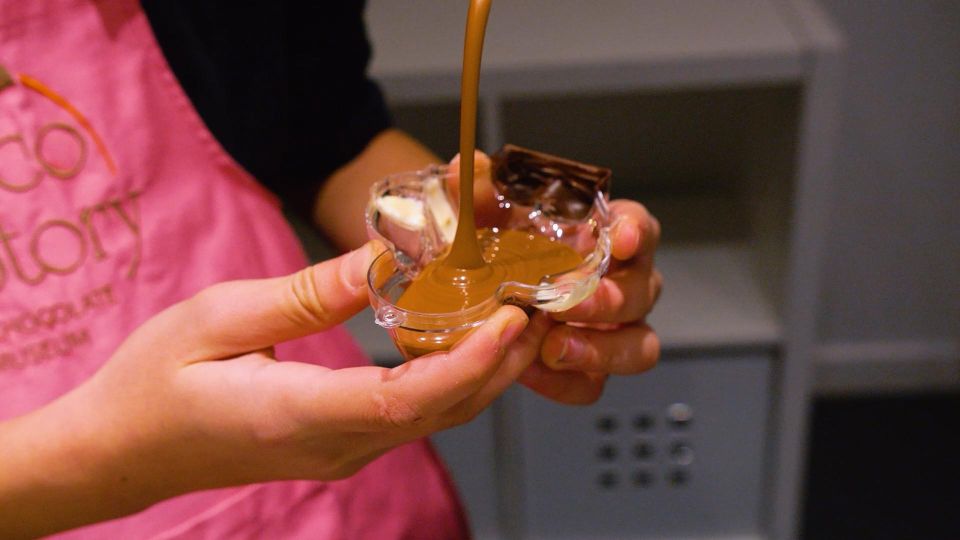
Your ticket doesn’t stop at the workshop table. Admission to Le Musée Gourmand du Chocolat Choco-Story is included, and the museum is laid out across three floors of exhibits. You’ll see the history of chocolate and how it links to its origins in South America, then you’ll move forward to chocolate-making as it’s understood today.
What I like about combining these two parts is simple: the museum gives you the story behind what you’re holding. Instead of only learning techniques, you also get a sense of why chocolate developed the way it did—ingredients, trade routes, and the global path to the chocolate you know.
You should also expect “attraction style” learning: there’s a virtual demonstration and a chocolate tasting included. The tasting isn’t just a bonus. It’s a way to reset your brain after the hands-on work, so the day doesn’t feel like pure sugar adrenaline.
If you’re traveling with kids, this museum approach helps a lot. People describe the displays as engaging, and the mix of interactive elements keeps everyone from getting bored in the same way a normal art museum can.
Timing That Keeps It Fun (Not Chaotic)
The total duration is listed as 2 hours, but the workshop is about 45 minutes. That’s the best thing about this format. You still have time to enjoy the museum, but you’re not committing to an all-afternoon production.
Start time discipline is real here. You’re asked to arrive at least 15 minutes early, and late arrival isn’t accepted. Tickets also aren’t refundable, so treat the start time like a flight. A couple of people report they were fine even when they arrived slightly late, but you shouldn’t gamble on that.
If you want your chocolate to survive your trip back to your hotel, consider the weather. One person noted their chocolate melted in hot sun and that they were given clear plastic bags. You can’t control Paris weather, but you can control your plan: go straight from the activity to an indoor, temperature-stable stop instead of wandering for hours right away.
Bilingual Chocolatiers: A Big Quality Factor
One of the strongest themes in the experience is communication. The workshop supports French and English, and people mention that instructors switch languages smoothly so the whole group follows along. In particular, instructors named Stephen and Stefan show up in positive feedback, especially for being personable and clear.
That matters because the workshop is hands-on and time-limited. If you miss one step, your bar can go from cute to messy fast. Clear guidance makes it feel easier, even if it’s your first time working with chocolate.
Also, humor helps. People describe the vibe as upbeat and friendly. For couples and adults, that makes it more than a “kid activity.” For families, it keeps the kids from feeling like they’re being rushed through a boring safety lecture.
You can also read our reviews of more tours and experiences in Paris




Value for Money: What $58 Buys You in Paris
At $58 per person, this isn’t the cheapest chocolate thing in Paris. But it does pack a lot into one price: the workshop materials and coaching, the museum admission, the tasting, and the virtual demonstration. You’re also taking home 250–300 g of chocolate plus a Choco-Story apron.
The value equation comes down to what you want most:
- If you want a hands-on, take-home souvenir that you actually made, this is strong value.
- If you want a serious education in chocolate tempering and full production, you might feel shortchanged, because several people describe it as more decorating than full chocolate making.
Some feedback is mixed on whether it’s worth the price for the learning aspect. One person even felt the workshop was a bit rushed and wished for more time. So I’d call this best for people who want fun and results more than people who want a deep technical lesson.
The museum portion helps your wallet too. A few people are surprised that the museum visit includes extra chocolate beyond what they expected, which makes the day feel more complete than a standalone workshop.
Who This Experience Fits Best (and Who Might Skip It)
This is a good fit for:
- Couples looking for a light activity that still feels special (some people booked it for birthdays and date-style celebrations)
- Families with kids 7 and up since it’s specifically noted as not suitable for children under 7
- Solo adults who don’t mind being in a room with families, as long as you’re there for the experience, not the crowd scene
- Groups like hen parties or friend groups, since the decorating steps are social and everyone ends up with their own chocolate design
You might want to skip it if you strongly prefer:
- long, technical workshops
- making chocolate from scratch (starting with raw cacao and doing the whole tempering/production arc yourself)
- a slow-paced class without time pressure
Think of it this way: this is a “make your own edible souvenir” experience with museum context, not a chocolate lab.
Practical Tips for Your Best Chocolate Bar Day
A few small moves can make the day smoother:
- Arrive early (at least 15 minutes). Late arrival isn’t accepted.
- Wear clothes you don’t mind tasting-tested-adjacent. Chocolate is messy in the best way, and the workshop involves handling and decorating.
- Plan your next stop right after you finish so your chocolate stays in good shape. Hot weather can be a problem.
- Choose toppings with bite variety, not just color. Orange + hazelnut + marshmallow tends to create different textures.
- If you’re with kids, set expectations that it’s hands-on decorating, guided by a chocolatier, and then museum fun afterward.
Also, the meeting point is straightforward: Musée du Chocolat, 28 Boulevard de Bonne Nouvelle, 75010 Paris. If you’re using public transit, give yourself buffer time so you’re not sprinting across the city at the last second.
Should You Book the Choco-Story Chocolate Workshop?
Book it if you want a short, satisfying Paris activity where you leave with a chocolate bar you designed, plus museum time with tastings and interactive exhibits. It’s especially compelling if you like the idea of choosing toppings and shapes rather than only tasting pre-made chocolates.
Skip it if you’re chasing a deep, technical chocolate-making class or if you strongly dislike time limits. The workshop is intentionally short, and the “making” leans toward decorating and shaping rather than full production.
If you go with the right expectations—creative decorating, bilingual guidance, and a museum that adds meaning—this is one of those rare Paris experiences that’s both fun in the moment and useful later when you’re eating your own souvenir.
FAQ
How long is the workshop at Choco-Story?
The workshop portion is 45 minutes, and the overall experience is scheduled for 2 hours.
What do I make in the chocolate workshop?
You create your own chocolate bar by choosing the shape and design, layering chocolate, and adding toppings.
How much chocolate do I take home?
You take home about 250 to 300 g of chocolate.
What museum access do I get?
Your ticket includes admission to Le Musée Gourmand du Chocolat Choco-Story.
Is there a chocolate tasting and a virtual demonstration?
Yes. A chocolate tasting and a virtual demonstration are included.
What language is the workshop taught in?
The instructor can speak French and English.
Where is the meeting point?
You meet at Musée du Chocolat, 28 Boulevard de Bonne Nouvelle, 75010 Paris, France.
Is it suitable for young children?
No. It is not suitable for children under 7.
What happens if I arrive late?
You should arrive at least 15 minutes before the workshop. Late arrival is not accepted, and tickets are not refundable.