REVIEW · PARIS
Paris: Private walking tour – Latin Quarter and Center!
Book on GetYourGuide →Operated by Paris Walks with Blaze · Bookable on GetYourGuide
Paris rewards slow looking. This private walk helps you do it. With Blaze guiding, you connect medieval Paris to the classics you see every day, and you learn how to spot Gothic, Classical, and Haussmannian design without needing a museum degree.
I also like the way the tour stays interactive. You’re encouraged to ask questions, and the pace leaves room to actually notice details while you glide through pedestrian-friendly paths instead of getting stuck in the crowd churn. One thing to consider: this route is not for people with mobility impairments, so plan for moderate walking on uneven city sidewalks.
In This Review
- Key highlights worth getting excited about
- Starting at Notre-Dame: getting your bearings fast
- Arènes de Lutèce and the Roman-to-medieval shift
- Notre-Dame again, with sharper eyes
- St. Étienne du Mont: where religious art feels close
- La Sorbonne: scholarship you can walk into
- Thermes de Cluny: Roman roots you can actually see
- Saint-Germain-des-Prés: the neighborhood between eras
- Île de la Cité and the Panthéon area: power, freedom, and place
- La Seine and Pont Neuf: the city’s long connection lines
- Saint-Séverin and the last stretch: calm, detail, and closure
- Price and value: what $82 gets you in real terms
- Who this tour fits best (and who should look elsewhere)
- Final verdict: should you book it?
- FAQ
- Is this a private tour or a group tour?
- How long is the walking tour?
- How much does the tour cost?
- Where does the tour start and end?
- What stops are included on the route?
- Are admissions to the sites included?
- What languages are the tour guides?
- What should I bring, and is it affected by weather?
- Is photography allowed?
Key highlights worth getting excited about
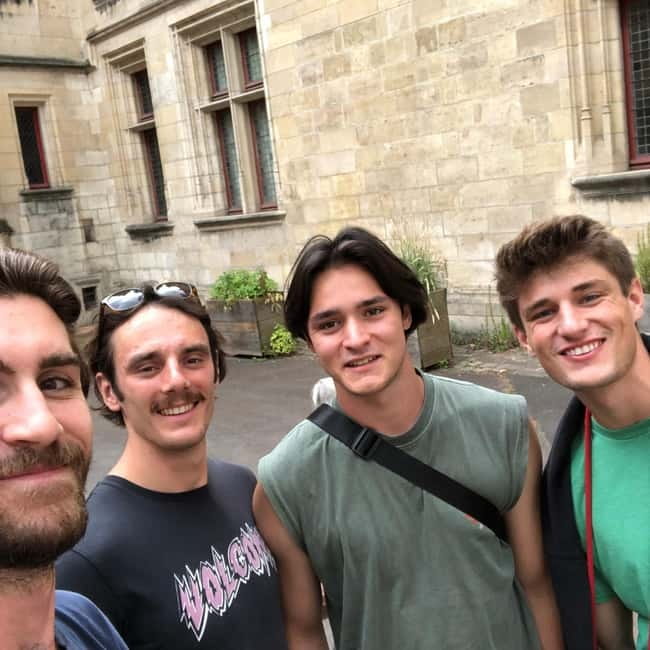
- Blaze’s personable, question-friendly style makes the walk feel like a conversation, not a lecture
- Architecture spotting: learn to tell Gothic, Classical, and Haussmannian styles apart on the street
- Medieval Paris, made understandable with amusing anecdotes and clear context
- Small private group up to 6, so you get more personal attention and flexibility
- Notre-Dame area revisited for better perspective and easier navigation
- Admission included for the visited sites, so you avoid ticket-hunt stress
Starting at Notre-Dame: getting your bearings fast
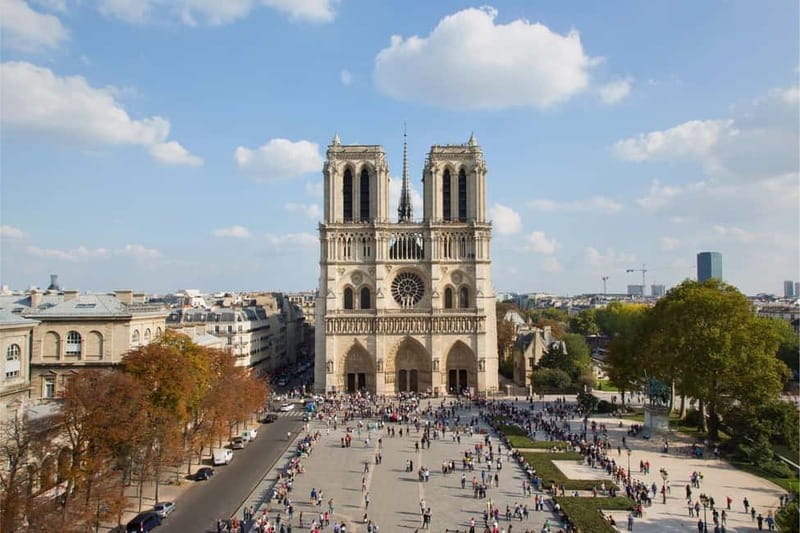
You begin close to the Saint-Michel area, with Notre-Dame as the anchor point for the whole story. That matters because Notre-Dame is more than a postcard. It’s a central reference point for understanding how Paris grew, how power showed itself in stone, and how each era left its fingerprints on the city plan.
In the first stretch, your guide sets the tone: what you’re about to see won’t just be names and dates. You’ll get the practical lens to read the city—how buildings announce their era, and how neighborhoods shaped everyday life. If you’re new to Paris, this kind of orientation helps you stop feeling lost. If you’ve been here before, it gives you fresh details that make the familiar feel new again.
You can also read our reviews of more walking tours in Paris



Arènes de Lutèce and the Roman-to-medieval shift
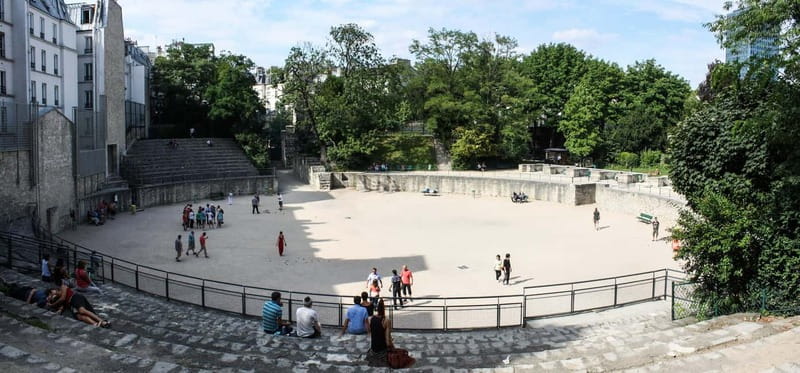
One of the coolest steps on this walk is Arènes de Lutèce. You’re not just looking at old stones—you’re getting a sense of what public life once meant here. The setting helps you understand why the Latin Quarter survived and transformed instead of simply fading away.
From there, the route threads through the Latin Quarter’s street-level rhythm. You’ll spend time around Place de la Contrescarpe, a spot that’s ideal for slowing down and watching how the neighborhood works at human scale. This is where Blaze’s format shines: he connects what you’re seeing to how people lived, argued, studied, prayed, and made decisions long before modern traffic existed.
If you enjoy history that feels like real life (with tensions and everyday routines), this section is your payoff.
Notre-Dame again, with sharper eyes
Notre-Dame shows up twice on the tour, and that’s not a gimmick. Returning to it later gives you a second chance to look with better context. By the time you revisit the cathedral, you’ve already learned how to identify different architectural languages, so the building makes more sense.
You’ll get commentary that turns big visual features into something you can read. That’s the key skill from this experience. You walk away knowing what to look for—how shape and structure signal style, and how later eras adjusted older spaces. Even if you know the basics, this is the moment where you start noticing what you previously ignored.
Practical tip: if you’re photographing, follow site rules and keep flash off. Also, bring a water bottle. Notre-Dame area sightseeing can tempt you to “power walk,” but the tour is meant to be paced.
St. Étienne du Mont: where religious art feels close
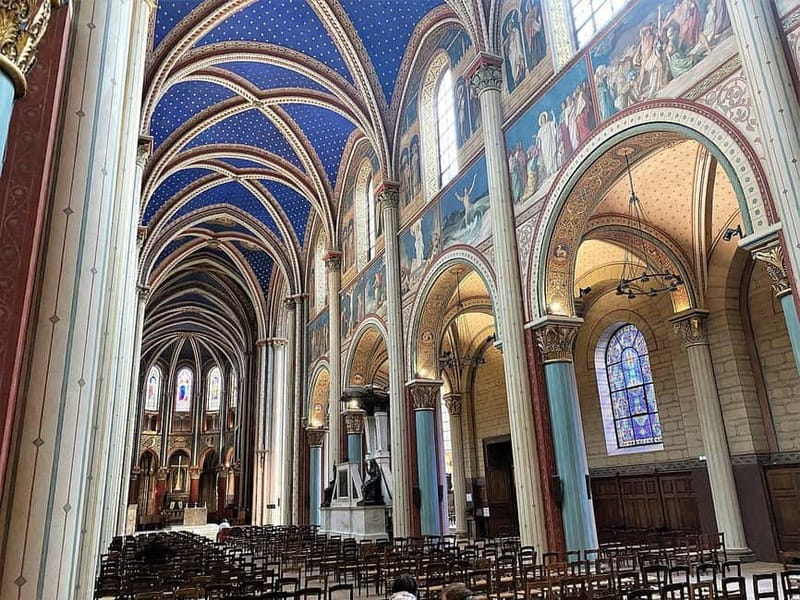
Next comes St. Étienne du Mont, a church stop that works well for people who like seeing Paris not just as monuments, but as living cultural layers. You’ll spend time here rather than sprinting past, and that changes the experience.
This is where the tour’s mix of politics, culture, and art becomes more tangible. Churches in Paris aren’t only places of worship. They’re landmarks that record how communities gathered and what they valued—visually and socially. Blaze’s storytelling style helps you connect the building to the era’s mindset, instead of treating it like an isolated object.
If you like guided pauses—moments where you stop, look up, and learn what you’re actually seeing—this stop will click.
La Sorbonne: scholarship you can walk into
A major theme of this tour is how power and ideas shaped the city. La Sorbonne fits that theme perfectly. When you reach it, you’re stepping into a space tied to learning and intellectual life, and the guide uses that context to explain why the Latin Quarter looks the way it does.
What I like here is the balance. You’re not just given academic trivia. You’re guided to notice how education influenced the surrounding streets, how prestige pulled people in, and how political tension and social change often traveled through institutions.
Blaze’s background as a Sorbonne graduate is part of the magic. It’s not just “I studied here.” It’s that the walk carries a personal attention to meaning. You can feel it when he ties architecture to human stories—who walked these streets, what they debated, and what the city allowed them to do.
You can also read our reviews of more private tours in Paris





Thermes de Cluny: Roman roots you can actually see
Thermes de Cluny is one of those places that makes Paris feel like a layered time capsule. You’re shown Roman-era remnants in a way that helps them connect to the later medieval world you’ve been building in your head.
This stop is especially valuable because it breaks the common Paris pattern of “medieval, then Haussmann, then done.” Here you get the longer timeline. You understand that Paris is not a sequence of eras replacing each other. It’s more like different layers stacked, reused, and reframed.
I’d consider this the tour stop for people who want more than façade appreciation. You’ll leave with better instincts for reading the past in physical space.
Saint-Germain-des-Prés: the neighborhood between eras
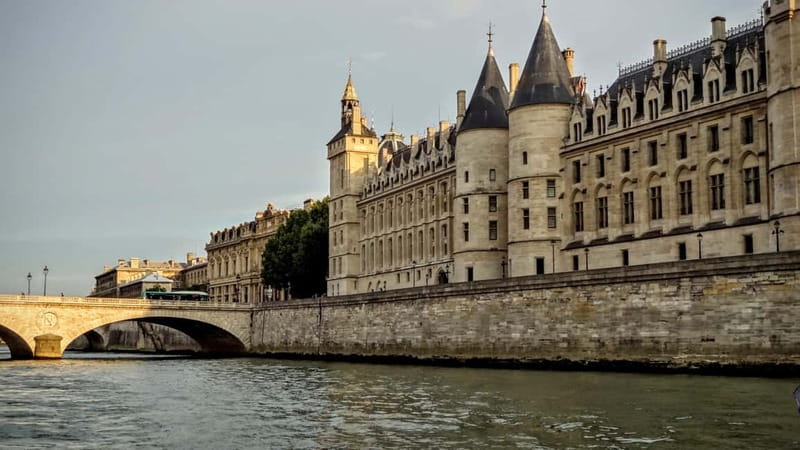
Saint-Germain-des-Prés is often described with a vibe word, but what makes it great on this walk is the way the guide anchors it in real context. You get a casual, interactive walk that shifts from architecture to social life, from institutions to how people moved through the neighborhood.
This is where you may notice the tour’s emphasis on language and culture. Blaze weaves in the nuance of French in a way that supports real understanding, not just trivia. If you’re trying to improve your listening skills in Paris, this kind of mini-context helps your ears catch more than just the tourist basics.
Also, the atmosphere here is ideal for getting answers. If you have questions about what you’re seeing—buildings, street patterns, political history tied to specific neighborhoods—this is a good stretch to ask.
Île de la Cité and the Panthéon area: power, freedom, and place
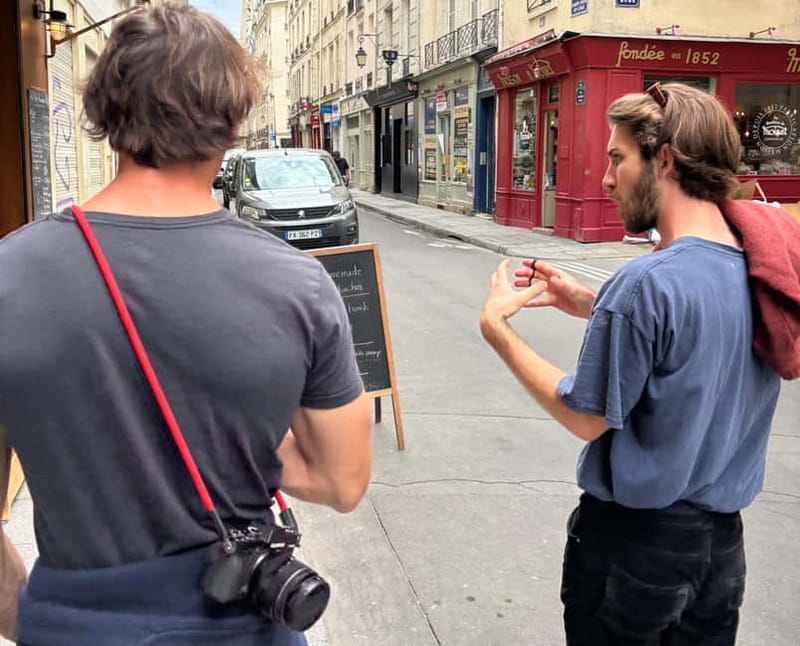
You then move toward Île de la Cité, the island that’s central to Paris’s identity. This section matters because it’s not only about landmarks. It’s about how geography shaped authority.
From there you reach Place du Panthéon. Even without treating it like a bucket-list stop, the area gives you a strong lesson in how Paris honors ideas and people. The guide’s framework—balance between power, freedom, and society—lands well here. You start seeing the city as a set of political choices made in stone.
This is also where the walking becomes a “you’re learning while enjoying” rhythm. You’re guided, but you also get enough space to take in the bigger picture: bridges, sightlines, and the way Seine-side views pull everything together.
La Seine and Pont Neuf: the city’s long connection lines
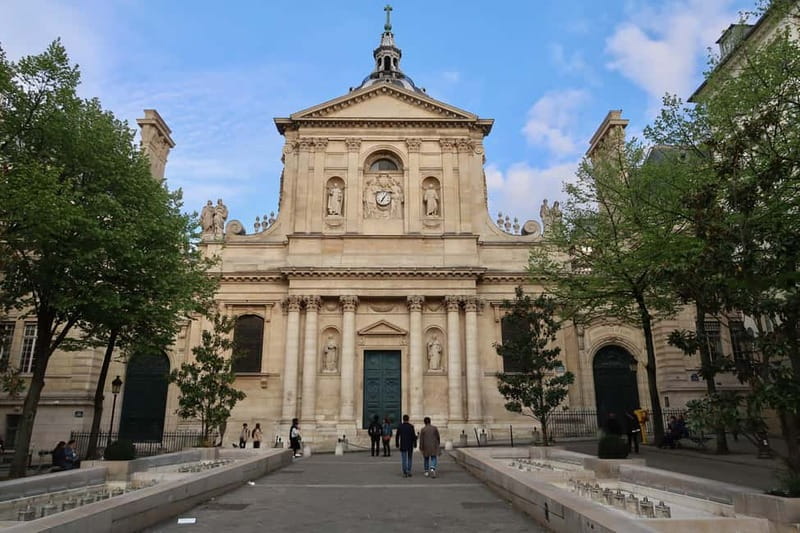
La Seine is more than a pretty river. It’s a travel shortcut through Paris’s story. As you approach the river and follow the Seine viewpoints, you’ll get context that helps you understand why so many major neighborhoods grew around crossing points.
Pont Neuf is a strong stop for this reason. Bridges in Paris aren’t only infrastructure. They’re social connectors. On this tour, Blaze uses those crossings to tie together politics, movement, and how the city kept reworking itself while staying recognizable.
If you’re the type who loves getting photos with meaning, this is where your pictures start to match what you know. You’re not just snapping. You’re capturing the city’s structure.
Saint-Séverin and the last stretch: calm, detail, and closure
Saint-Séverin is a thoughtful final cultural note. It’s a great place to wrap up because it encourages close attention without needing you to rush to the next highlight.
By now, you’ve learned how to identify architectural styles and how to connect buildings to the era that shaped them. That makes the last stop feel less like an “extra” and more like closure. It’s the kind of finish that helps you leave with a mental map, not just memories.
The tour ends back near the meeting point, with drop-off options that can end around Arènes de Lutèce or Maubert – Mutualité, depending on how the route is handled. Either way, you’ll be positioned well for continuing your day on foot.
Price and value: what $82 gets you in real terms
At $82 per group up to 6 for about 2.5 hours, this tour is priced like a true private experience. That’s important because you’re not paying per person for a seat in a large group. You’re buying time with a guide who can tailor the walk to your questions.
The value improves because admission to visited sites is included, which matters in Paris where ticketing can eat into time and planning energy. You’re also getting the “small-group effect”: better conversation, fewer awkward silences, and more chances for your guide to notice what you care about—architecture, language, politics, or just the stories that make the city feel human.
If you can afford a private format, this is one of those times where private pays off.
Who this tour fits best (and who should look elsewhere)
This tour fits best if you want:
- A first-time Paris orientation that goes beyond monuments
- A history-and-architecture walk where you learn how to see
- A calm pace that still keeps you moving between major stops
- A guide who answers questions with enthusiasm and connects details to bigger themes
It may not fit you if you need a step-free, low-walking outing. The route involves a moderate amount of walking and isn’t suitable for people with mobility impairments.
Final verdict: should you book it?
I think this is a smart booking if you want a private, question-friendly Paris walk that teaches you how to read the city instead of just where to stand for photos. Blaze’s friendly demeanor and real grasp of history, art, culture, and politics make the experience feel personal and genuinely useful.
Book it if you like walking at a steady pace, spotting architectural styles in context, and leaving with a better mental map of the Latin Quarter, the center, and the Seine.
FAQ
Is this a private tour or a group tour?
It’s a private group tour with a maximum group size of up to 6 people.
How long is the walking tour?
The duration is 2.5 hours.
How much does the tour cost?
The price is listed as $82 per group for up to 6 people.
Where does the tour start and end?
It starts close to the bridge Saint Michel area and ends back at the meeting point, with possible drop-off locations around Arènes de Lutèce or Maubert – Mutualité.
What stops are included on the route?
Key stops include Notre-Dame, Arènes de Lutèce, Place de la Contrescarpe, St. Étienne du Mont, La Sorbonne, Thermes de Cluny, Saint-Germain-des-Prés, Île de la Cité, Place du Panthéon, La Seine, Pont Neuf, and Saint-Séverin.
Are admissions to the sites included?
Yes, admission to all visited sites is included.
What languages are the tour guides?
The tour is offered in English and French.
What should I bring, and is it affected by weather?
Wear comfortable shoes and bring water and weather-appropriate clothing. The tour operates in all weather conditions.
Is photography allowed?
Yes, photography is allowed, but you should be respectful of each site’s rules, including flash photography rules.