REVIEW · PARIS
Paris: The Da Vinci Code Walking Tour with a Local Guide
Book on GetYourGuide →Operated by LocalBini AG (EU) · Bookable on GetYourGuide
Paris is where fiction borrows real streets. This 90-minute walking tour starts right at the Ritz Hotel and uses the movie’s ending as your launchpad into Dan Brown’s Paris. I like how it keeps tying the story to place, so you’re not just hearing plot points, you’re learning what’s actually rooted in real locations.
Two other things I really enjoyed: the small group size (up to 8) keeps the pace easy and questions welcome, and the guides bring in lots of novel-and-city context so the tour feels like smart companion reading, not a lecture. One drawback to keep in mind: the format is dependent on the guide and the day, so if you’re expecting every single beat to match the film shot-for-shot, you may find the emphasis shifts a bit.
In This Review
- Key points worth your attention
- Meeting Point at the Ritz: Start Where the Movie Ends
- The Ritz Hotel Stop: How the Ending Becomes Real Geography
- Palais Royal: Following the Rose Line Hunt in a Quiet Square
- Fact vs Fiction: What You’re Really Learning About Paris
- Group Size and the 90-Minute Pace: Small-Group Means Real Questions
- Price and Value: When $116 Makes Sense
- What to Bring for a Comfortable Walk
- Who Should Book This Da Vinci Code Walk—and Who Should Skip It
- Should You Book This Da Vinci Code Walking Tour?
- FAQ
- Where do I meet for the tour?
- How long is the Da Vinci Code walking tour?
- How big is the group?
- What languages are available for the live guide?
- What sites does the tour cover?
- Is the tour focused on real locations from the story?
- What should I bring?
- Are tickets or transport included?
Key points worth your attention
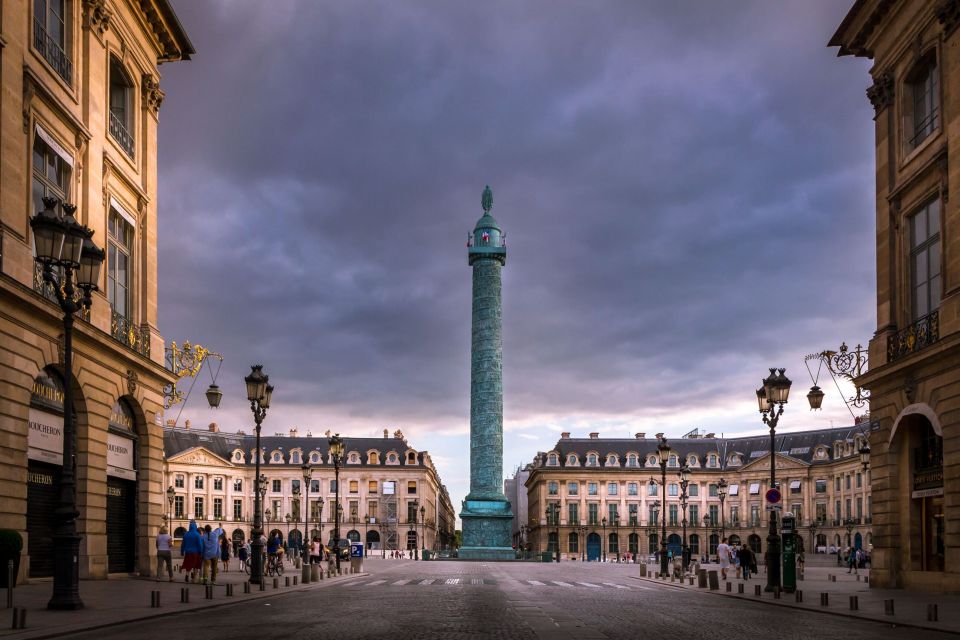
- Ritz Hotel starting point that anchors the movie’s final chapter mood
- Palais Royal passages tied to Robert Langdon’s end-of-the-rose-line search
- Small group of max 8 for a more conversational walk
- Fact vs fiction focus on which story elements connect to real spots
- English or French live guiding with itinerary adjusted to your pace
Meeting Point at the Ritz: Start Where the Movie Ends
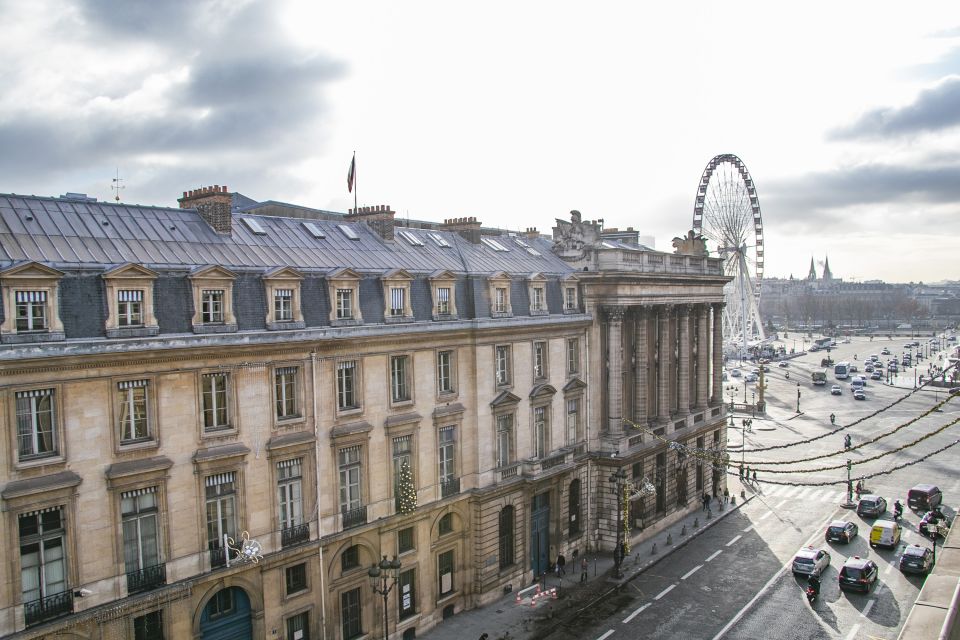
Meeting in front of the Ritz Hôtel is a clever way to begin, because it frames the whole experience like a mystery you’re walking toward, not away from. You’ll stand at the doorstep of the hotel that sets the tone for the final chapter in the film, and the guide sets you up for what you’ll be trying to understand next. It’s also a practical start: the location is easy to find, and the tour begins immediately rather than wasting time with a long lead-in.
What you’ll do right after you meet is talk through the ending and how Robert Langdon finds the last piece of the puzzle. Even if you’ve read the book, this discussion helps you connect the dots using physical Paris scenery instead of only memory. And if you’re more of a film person, you’ll still get value, because the tour keeps translating screen moments into real-world geography.
I also like that the guide doesn’t treat the Ritz as a one-photo stop. It becomes the story’s emotional anchor, so you have a reason to care as you move on. The one thing to consider is that this is a walking tour, and you’ll be on your feet for about 90 minutes total. Wear comfortable shoes and don’t count on long pauses for sitting breaks.
You can also read our reviews of more walking tours in Paris



The Ritz Hotel Stop: How the Ending Becomes Real Geography

At the Ritz, your guide uses the film’s final chapter setting as the springboard for the tour’s core theme: which elements of The Da Vinci Code connect to real places, and which don’t. This is where you get the most useful setup for the rest of the walk. You’re not just hearing what happens in the plot—you’re learning how the story uses Paris landmarks as clues.
If you’re a fan of Robert Langdon played by Tom Hanks, this part also gives you a “where are we, exactly” feeling. You’ll hear explanations that connect story actions to Paris locations, which makes the later walking segments more satisfying. It’s one thing to remember a scene; it’s another to stand near the kind of setting the story wants you to believe.
Now, a balanced note. One guide (in a previous booking) reportedly didn’t stick to the expected focus and the tour ended early. That’s not something you can eliminate entirely when tours are run by independent guides, so here’s what you can control: go in with a clear goal—matching film locations and story logic—and be ready to use questions early if the tone veers off-course.
Palais Royal: Following the Rose Line Hunt in a Quiet Square
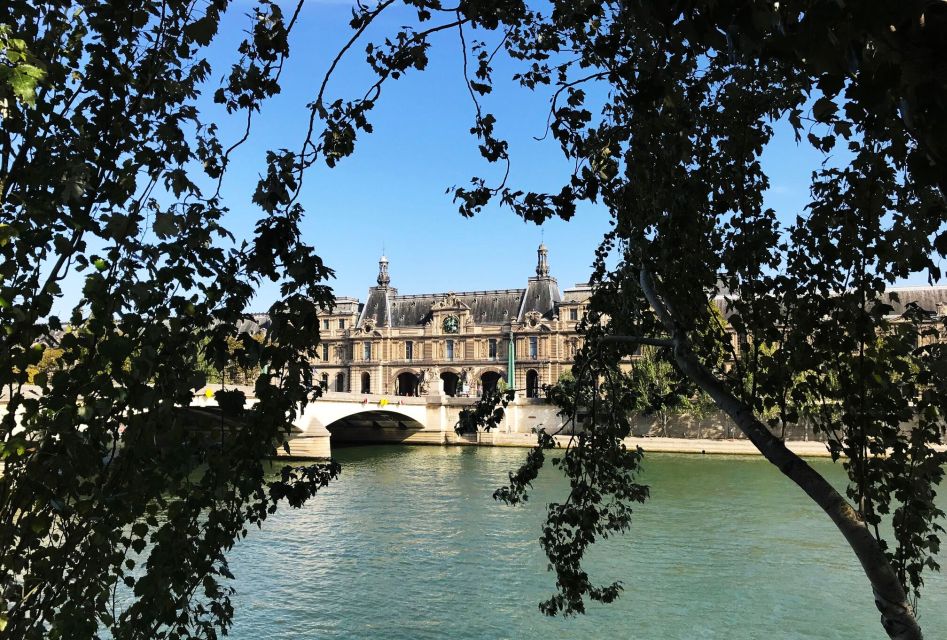
After the Ritz, you’ll head to Palais Royal, a historic palace and tranquil square that shows up in the story’s atmosphere. This is the second major location, and it’s a strong choice for a walking tour because the space encourages slower looking. You’re not just moving past sites; you’re moving through a setting that feels right for a puzzle hunt.
At Palais Royal, the guide helps you see the same passages Robert Langdon walks as he searches for the end of the rose line. The key value here is that you get to connect the fiction to the physical walk. In other words, you’re training your eyes to notice what the story is pointing to—routes, perspectives, and the kinds of corners that make clues feel plausible.
This is also where you typically get the best “aha” moments. The guide’s job is to highlight which bits of the story exist in reality and which stay in the world of fiction. That’s more than trivia. It teaches you how authors and filmmakers use Paris: they borrow real landmarks, then shape them into a narrative that feels urgent and solvable.
Fact vs Fiction: What You’re Really Learning About Paris
The most praised part of this kind of tour is rarely the brand-new information alone. It’s the way the guide links entertainment to understanding. Here, the tour’s spine is explaining which story elements are rooted in real locations and which are creative stitching. That means you leave with a clearer sense of what you can verify yourself in Paris and what you should treat as storycraft.
You can expect discussions that compare the novel and the film adaptation’s Paris setting, and how that translates to actual streets and squares. The format works well because you’re moving between two major anchor points. That prevents the tour from feeling like a long lecture where facts blur together.
I’d also pay attention to how your guide frames the ending explanation. A good guide makes the logic feel accessible, not obscure. In past experiences with guides like Marie, the tour tone tends to be organized and enthusiastic, with lots of fun facts about the novel and Paris. Others, such as Bianca, have been described as very informative. And Célia has been noted as charming and punctual with anecdotes that make Paris look different once you know what to watch for.
Group Size and the 90-Minute Pace: Small-Group Means Real Questions
A maximum of 8 travelers is the sweet spot for this style of tour. You get intimacy without feeling like you’re on a private performance where the guide forgets other people exist. It also helps that the itinerary can adapt to your interests and walking pace. If you want more story logic, you can usually steer the conversation that way; if you want more place-based explanation, you can ask for that too.
You should plan on steady walking across central locations. The tour is 90 minutes, so it’s not designed to feel leisurely like a café crawl, even though the vibe at Palais Royal is naturally calmer. If you’re the type who stops to take photos often, give yourself permission to keep moving—this is about building a route in your mind.
The language options (English or French) also matter in a practical way. A lot of “place-logic” tours get better when you can ask quick follow-ups in the language you’re most comfortable with. That’s one reason this format is a good fit if your Paris French is limited but you still want depth.
You can also read our reviews of more guided tours in Paris





Price and Value: When $116 Makes Sense
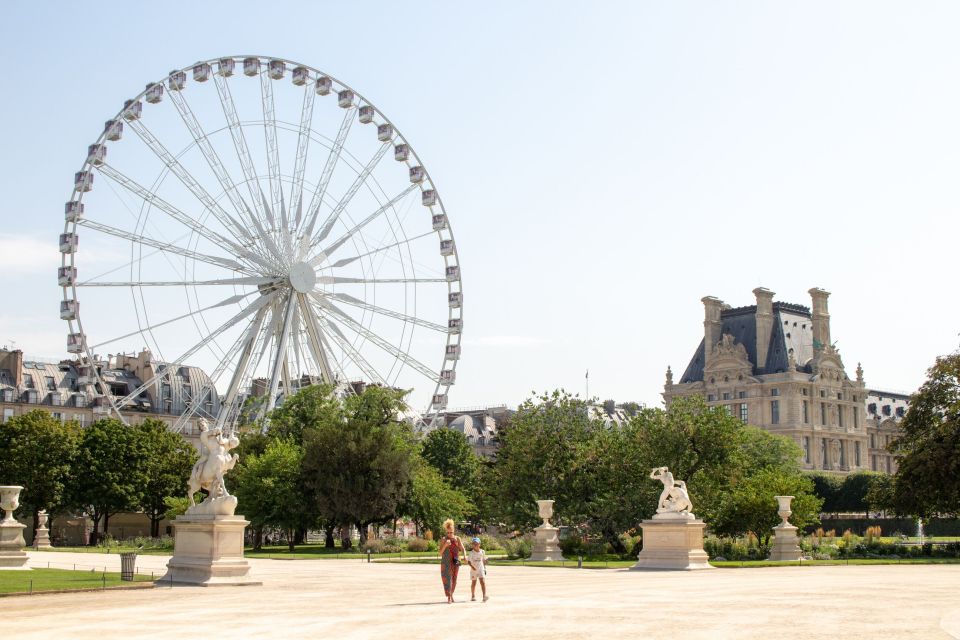
At $116 per person for a 90-minute walking tour, you’re paying for more than footsteps and a map. You’re paying for a local guide’s ability to connect story scenes to real-world geography—and for the advantage of a small group where the guide can respond rather than just deliver a script.
So when does it feel like good value? When you care about the relationship between fiction and location. If you just want a quick photo loop of famous Paris spots, you’d likely find cheaper options. But if you want to understand how The Da Vinci Code uses real places (and where it invents), the guide effort becomes the product.
What’s not included also affects value planning. You won’t have transportation, museum, or monument entry tickets included, and personal expenses are on you. For this specific tour, that’s not a dealbreaker because it’s a walking route anchored by exterior views and street-level storytelling. Still, budget for any optional stops you might decide to add after the tour ends.
What to Bring for a Comfortable Walk
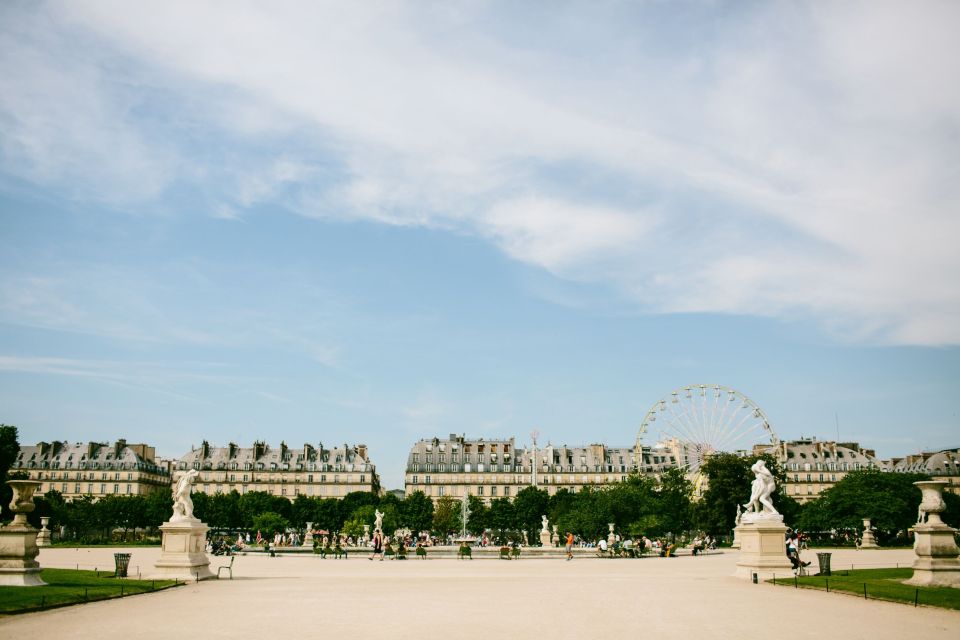
This is a practical little checklist. Bring comfortable shoes, because the tour is walking-focused. Add a bottle of water, especially if you’re traveling in warmer months or it’s a long day of sightseeing. Dress for weather; the itinerary can vary based on conditions.
Also, bring a charged smartphone. You’ll find it useful for quick photos, navigation, and pulling up references if you’re comparing what you remember from the film or novel while you walk. (Just don’t spend the entire tour staring at the screen.)
If you’re traveling with mobility limitations, note that this tour is not suitable for people with mobility impairments. Since it’s a walking experience with no indication of special accommodations, you’ll want to pick a different format.
Who Should Book This Da Vinci Code Walk—and Who Should Skip It
This tour is a strong match if you fit one of these profiles:
- You’re a Dan Brown or film fan who wants Paris context beyond the plot summary.
- You like walking tours where the guide explains what you’re seeing and why it matters.
- You want to compare fiction scenes to real locations without doing the research yourself.
It might be a weaker match if you’re expecting a clockwork replication of every film beat in exact detail. Even though the tour is guided by the story’s Paris settings, the itinerary can adapt, stops may vary, and guide emphasis may shift.
It’s also not ideal if your main priority is general Paris landmarks without any connection to the story. The tour’s focus is specifically on The Da Vinci Code’s Paris elements, especially the Ritz and Palais Royal storyline.
Should You Book This Da Vinci Code Walking Tour?
I’d book it if you want a smart, story-driven walk that helps you see Paris with new eyes. Starting at the Ritz Hotel and ending at Palais Royal is a clean route, and the small group size makes the guide interaction feel human. When the guide is enthusiastic and organized—as with Marie, and when they bring clear information—as with Bianca—the tour feels like an excellent way to turn movie memories into real-world understanding.
I would think twice if you’re extremely strict about film-accurate pacing, or if you get upset when a tour runs shorter or shifts focus. Since this experience is hosted by an independent local and the itinerary can adapt, quality depends on the day and the guide. If your expectations are clear, though, you can usually guide the conversation early.
If you’re ready to mix literature, cinema, and street-level Paris, this is a good use of 90 minutes.
FAQ
Where do I meet for the tour?
Meet right in front of the Ritz Hôtel.
How long is the Da Vinci Code walking tour?
The tour lasts 90 minutes.
How big is the group?
It’s a small group with a maximum of 8 travelers.
What languages are available for the live guide?
The tour is guided in English and French.
What sites does the tour cover?
You start at the Ritz Hotel and then go to Palais Royal, where you’ll walk passages tied to the rose line search.
Is the tour focused on real locations from the story?
Yes. The guide explains which story elements are rooted in real locations and which remain fictional.
What should I bring?
Bring comfortable shoes, water, weather-appropriate clothing, and a charged smartphone.
Are tickets or transport included?
No. Transportation and entry tickets for museums or monuments are not included, and personal expenses are also not included.