REVIEW · PARIS
Paris: The Ultimate Wine and Cheese Tasting in English
Book on GetYourGuide →Operated by Les Caves du Louvre · Bookable on GetYourGuide
Ten pairings. Two hours. That’s the whole deal. This Paris experience turns a classic French combo into a guided lesson, built around 10 wines and 10 cheeses plus a clear explanation of how French wine styles work.
I also really like the English-led instruction. You learn tasting techniques, how to choose wine, and how to connect what’s in your glass to terroir and French rules like AOP.
One consideration: there’s no hotel pickup, and non-alcoholic drinks aren’t included, so you’ll want to plan your arrival and pace yourself.
In This Review
- Why This Tasting Works So Well (Key Points)
- Stepping Into Les Caves du Louvre: The Setting Matters
- The 2-Hour Flow: How the Class Keeps Moving
- Your Flight: 10 Wines Paired With 10 Cheeses
- The wine side
- The cheese side
- What “paired” actually means here
- AOP and French Wine Rules: Turning Confusion Into Clarity
- Learning to Taste: Techniques You Can Use After the Class
- Bordeaux, Burgundy, Rhône: What You’ll Be Comparing in Real Time
- Cheese Pairing Logic: Brie, Blue, and Fresh Goat From the Loire
- Brie
- Blue cheese
- Fresh goat cheese (Loire Valley)
- The Human Element: Your English Sommelier Makes or Breaks It
- Value and Price: Is $128 Worth It?
- Who Should Book This Class (and Who Might Want to Skip)
- Booking and Practical Notes That Actually Matter
- Should You Book This Paris Wine-and-Cheese Tasting?
- FAQ
- How long is the wine and cheese tasting?
- Is the class offered in English?
- How many wines and cheeses will I taste?
- Where does the tasting take place?
- Does the price include hotel pickup or drop-off?
- Are non-alcoholic beverages included?
- Is it suitable for children?
- What is the cancellation window?
Why This Tasting Works So Well (Key Points)
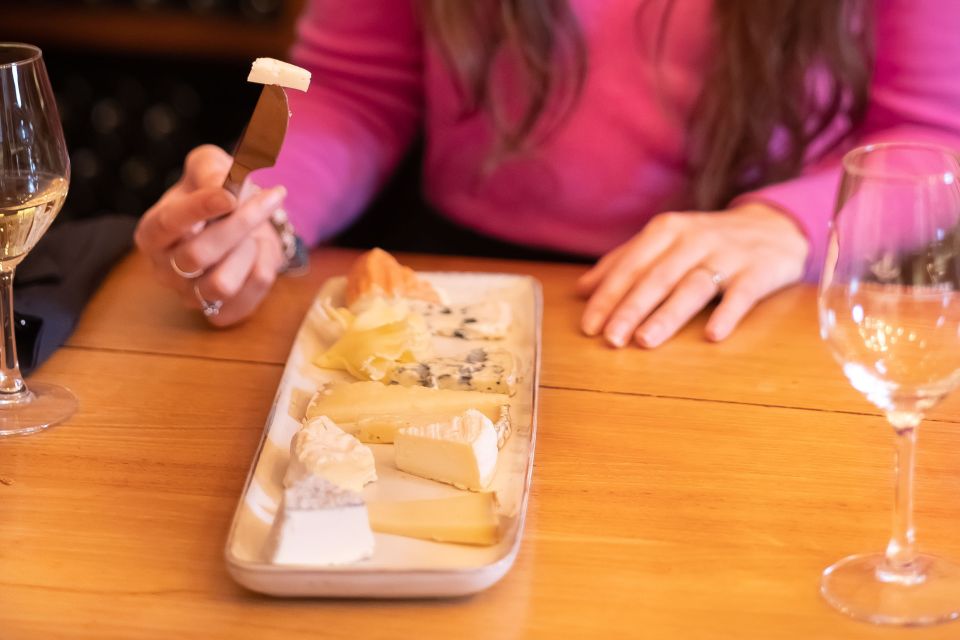
- A 10-and-10 format: you’ll taste 10 wines paired with 10 cheeses, not just random samples
- English expert guidance: the lesson stays understandable even if you’re new to French wine
- French region comparisons: Bordeaux, Burgundy, and the Rhône Valley come up as you taste
- AOP shows up in real life: you learn what it means and how it affects what you’re drinking
- Seasonal lineup changes: at least for some dates, the wine and cheese selections rotate by season
- Cheese variety beyond Brie: you’ll hit Brie, blue cheese, and fresh goat cheese from the Loire Valley
Stepping Into Les Caves du Louvre: The Setting Matters
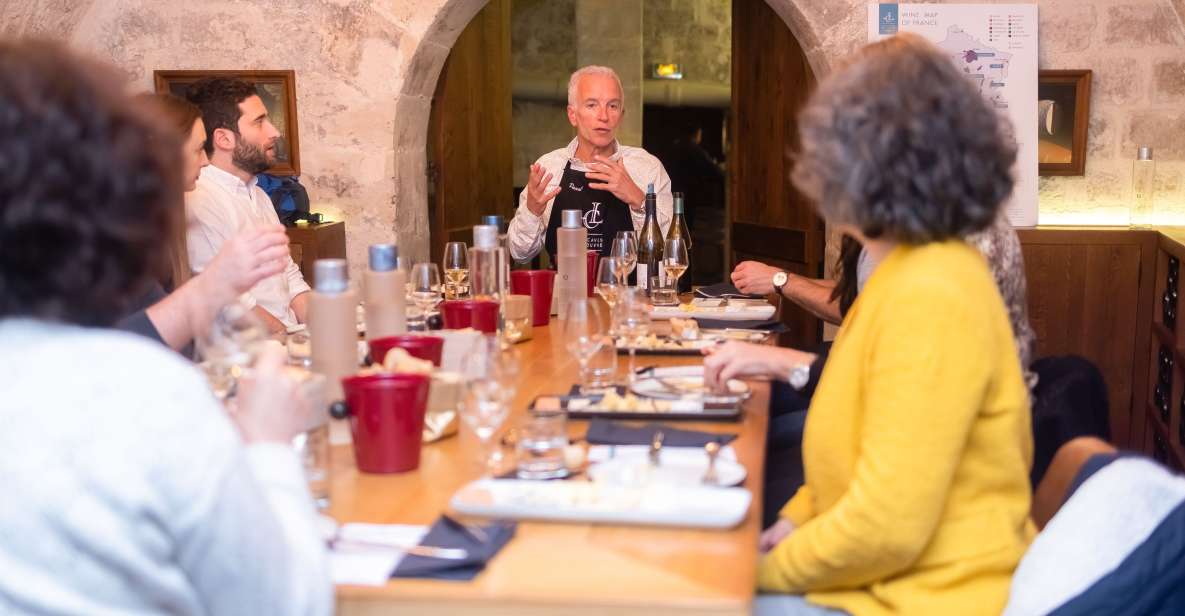
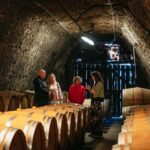
The experience happens in a cellar environment linked to Les Caves du Louvre, and that’s not just decoration. A tasting room like this helps you slow down, pay attention, and focus on small differences in aroma and flavor without the usual restaurant noise.
You’re there for a class, not a loud “samples and run” situation. You’ll be guided through multiple pairings, and that works better when the room naturally keeps things calm and organized.
It also helps that the tastings are framed around French wine-and-cheese logic. You’re not just being told what to like. You’re learning how to notice why a pairing works.
You can also read our reviews of more food & drink experiences in Paris



The 2-Hour Flow: How the Class Keeps Moving
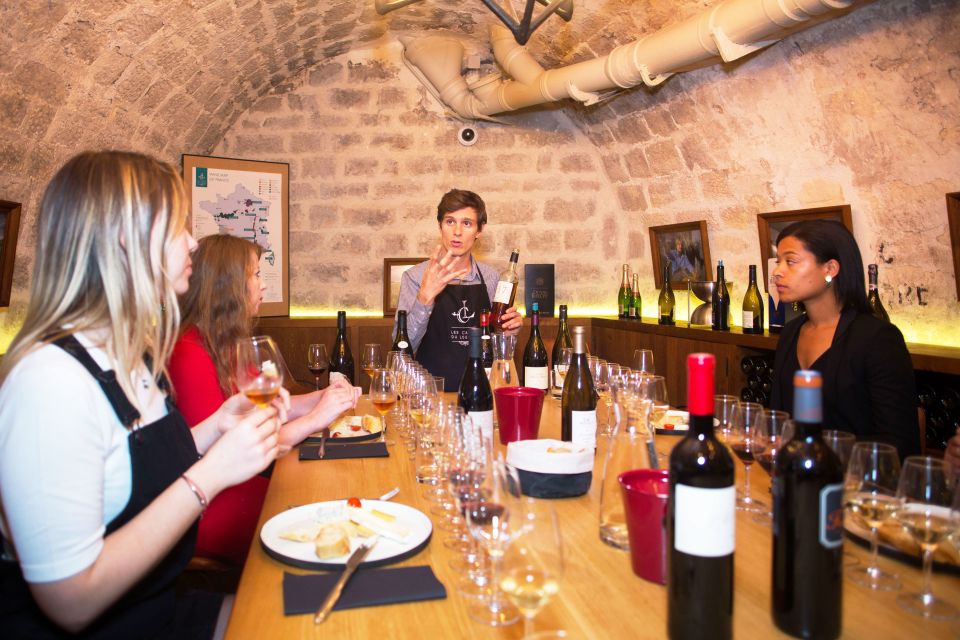
This is a 2-hour tasting class in English, designed to cover a lot without turning into a lecture marathon. The structure is built around pairings and short explanations that attach meaning to what you taste.
Here’s what you can expect as the time unfolds:
- You’ll start with an introduction to the idea of French terroir—how growing conditions and soil shape flavor.
- Then you’ll taste a set of wines that includes 5 whites and 5 reds.
- Each wine pairing comes alongside a corresponding cheese, so you can test the match in your own mouth, not just on paper.
- You’ll learn practical techniques: how to taste, how to describe what you’re tasting, and how to think about pairing choices after the class ends.
This pacing is a big reason the experience earns so many top marks. You’re getting guidance while your palate is still fresh, which makes the lesson stick.
Your Flight: 10 Wines Paired With 10 Cheeses
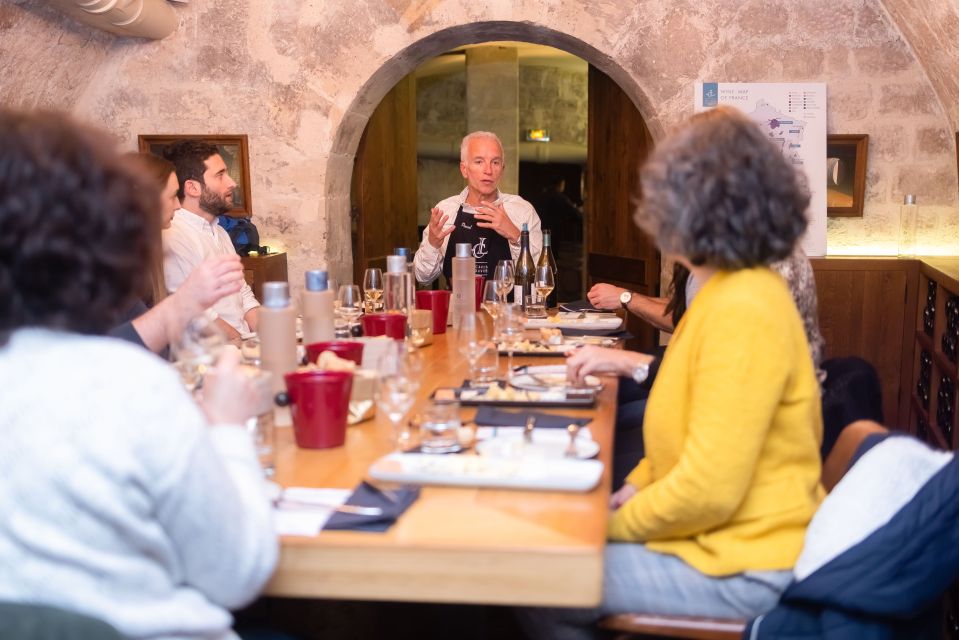
This tasting is built around a simple truth: wine and cheese are more fun when you experience them together. With 10 wine tastings and 10 cheese tastings, you get a wide range of styles in one sitting.
The wine side
The wine lineup represents major French regions—specifically Bordeaux, Burgundy, and the Rhône Valley—so you can compare styles in real time. You’ll also learn how those regions typically lead to different flavor patterns, and you’ll get practice noticing what changes as you move from one wine style to another.
The cheese side
The cheese selection covers multiple French cheese styles, including:
- Brie
- Blue cheese
- Fresh goat cheese from the Loire Valley
That range matters. Brie tends to feel soft and creamy, blue can bring sharper, more intense notes, and fresh goat cheese often delivers a tangy, lively edge. When you taste them next to different wines, you start to understand how acidity, texture, and intensity affect the pairing.
You can also read our reviews of more wine tours in Paris


What “paired” actually means here
In a good wine-and-cheese class, the pairing is the lesson. You’re not just sampling two things—you’re testing how they behave together.
When you taste the wine first (or alongside), pay attention to what happens to:
- bitterness and sharpness
- creaminess or dryness
- how strong the cheese feels compared to the wine
If a pairing surprises you, good—that’s the point. One review even highlighted that people who don’t usually love cheese often find something they actually enjoy in this lineup.
AOP and French Wine Rules: Turning Confusion Into Clarity
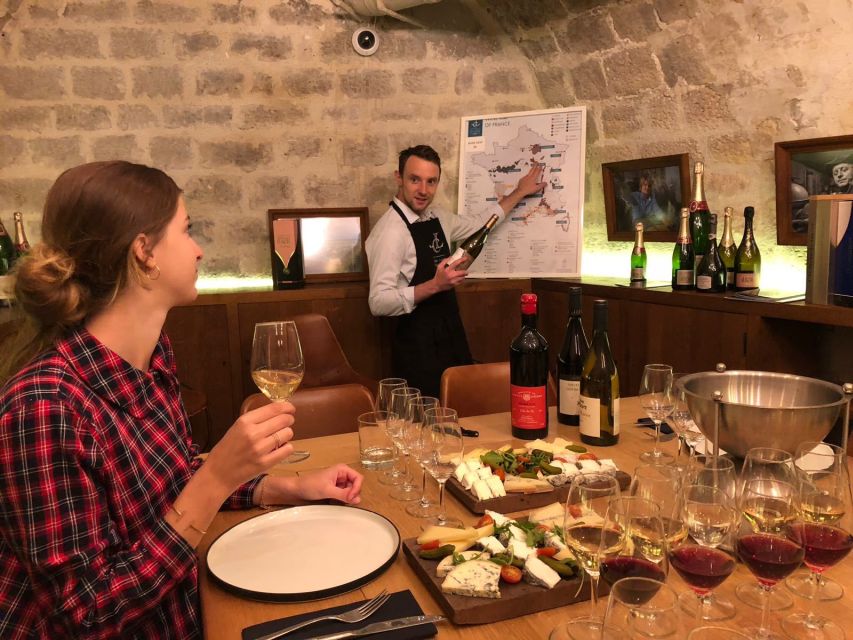
AOP can sound like a bureaucratic word. In this class, it’s treated like a tool. The instructor helps you connect AOP to how French wine is made and regulated, so you understand why certain styles show up again and again from specific regions.
You’ll also learn how to distinguish wine styles—not by memorizing a wall of facts, but by linking style to the region and the rules behind it. That gives you a practical advantage when you’re shopping for bottles later.
If you’ve ever stood in a wine shop thinking, I know I like this, but I don’t know what to ask for next, AOP and region comparisons help you translate taste into choices.
Learning to Taste: Techniques You Can Use After the Class
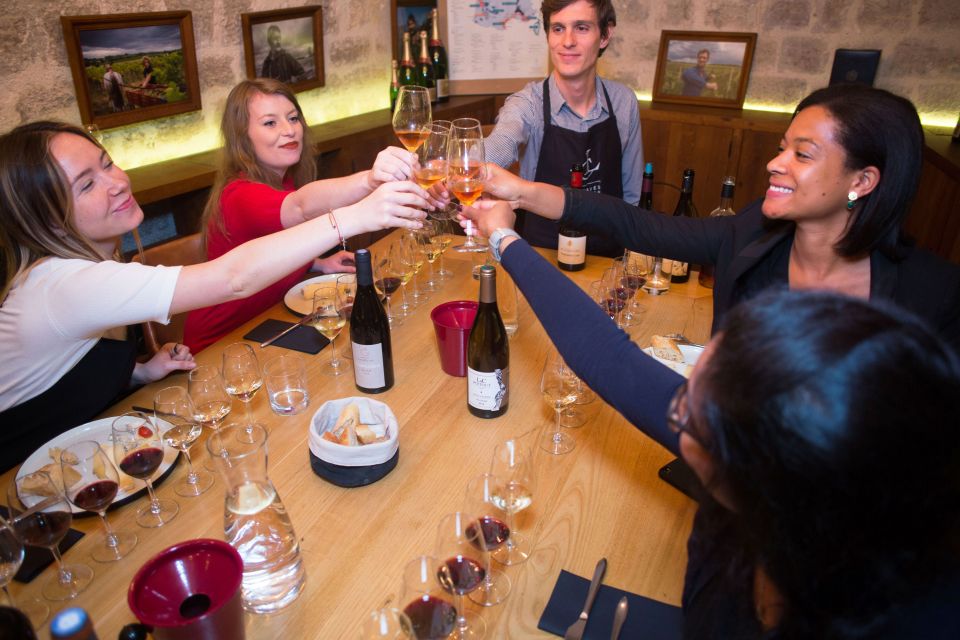
One of the smartest parts of this experience is that it teaches you how to taste, not just what to taste.
You’ll work on basic tasting techniques in a way that supports real conversation. The goal isn’t to turn you into a sommelier overnight. It’s to help you:
- notice aroma differences more confidently
- understand how wine acidity and fruitiness interact with cheese
- recognize what pairing creates balance versus what makes flavors fight
You also learn how to choose wine. That means you’ll start thinking in terms of style and matching, not just grape labels.
In reviews, the instructors are praised for explaining terroir through growing conditions and even soil types. That kind of detail gives you a story behind the taste, and stories make it easier to remember what you liked.
Bordeaux, Burgundy, Rhône: What You’ll Be Comparing in Real Time
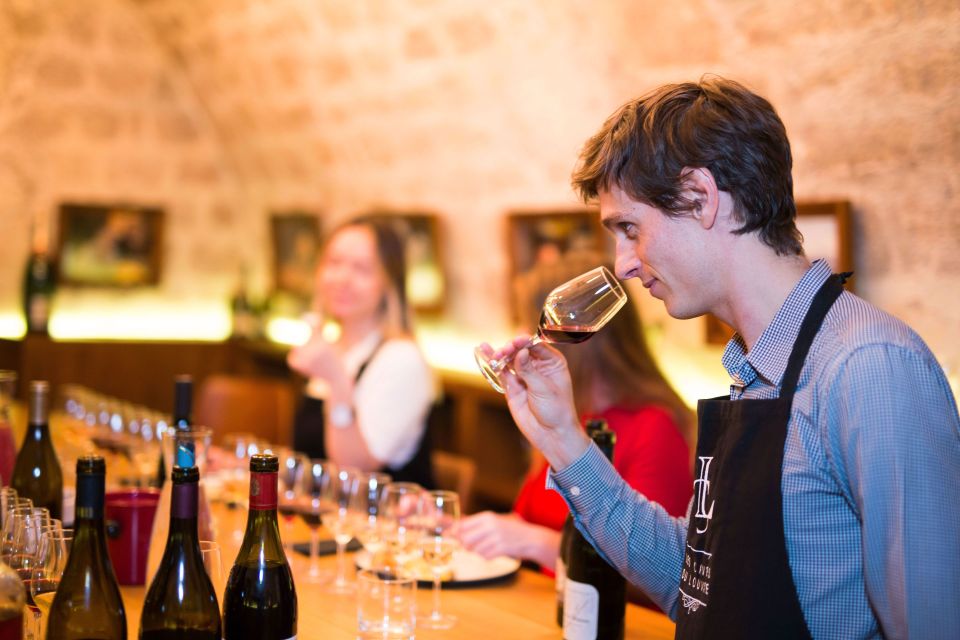
French wine education gets easier when you focus on a few big labels and learn the patterns they’re known for. This class does that by referencing Bordeaux, Burgundy, and the Rhône Valley as you taste.
When you compare regions side by side, you start seeing themes, like:
- how reds and whites can carry different balances of fruit, structure, and acidity
- how region-linked styles tend to pair differently with dairy richness and saltiness
- how the same basic cheese type can feel different with different wine characters
Even if you don’t know the jargon yet, the pairing format lets you learn by contrast. You taste, you adjust, and the instructor guides you in interpreting what you’re noticing.
Cheese Pairing Logic: Brie, Blue, and Fresh Goat From the Loire
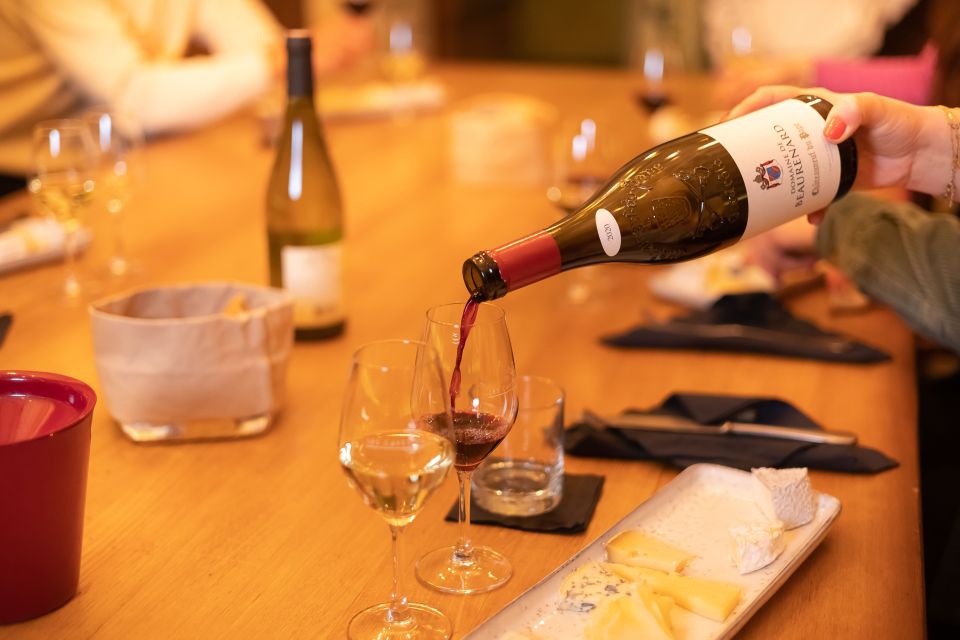
Cheese is not all the same, and the class uses that variety to teach you pairing logic.
Brie
Brie is a great “baseline” cheese. It’s creamy and mild enough that you can notice how the wine’s structure changes the overall feel. Brie tends to make wines taste smoother when the wine has enough balance.
Blue cheese
Blue cheese adds intensity—salt, funk, and power. Pairing it well usually means the wine needs to stand up to it. You learn how to judge whether the wine supports the cheese or gets swallowed.
Fresh goat cheese (Loire Valley)
Fresh goat cheese from the Loire Valley brings a tang and often a lighter feel than aged cheeses. That can be a challenge for some pairings, but it’s also where you learn the most. You’ll see how acidity and texture in wine affect the goat-cheese tang.
This is also where you get those “I didn’t expect to like that” moments. One review specifically pointed out that even if cheese isn’t your usual thing, you’re likely to find a pairing that works for you here.
The Human Element: Your English Sommelier Makes or Breaks It
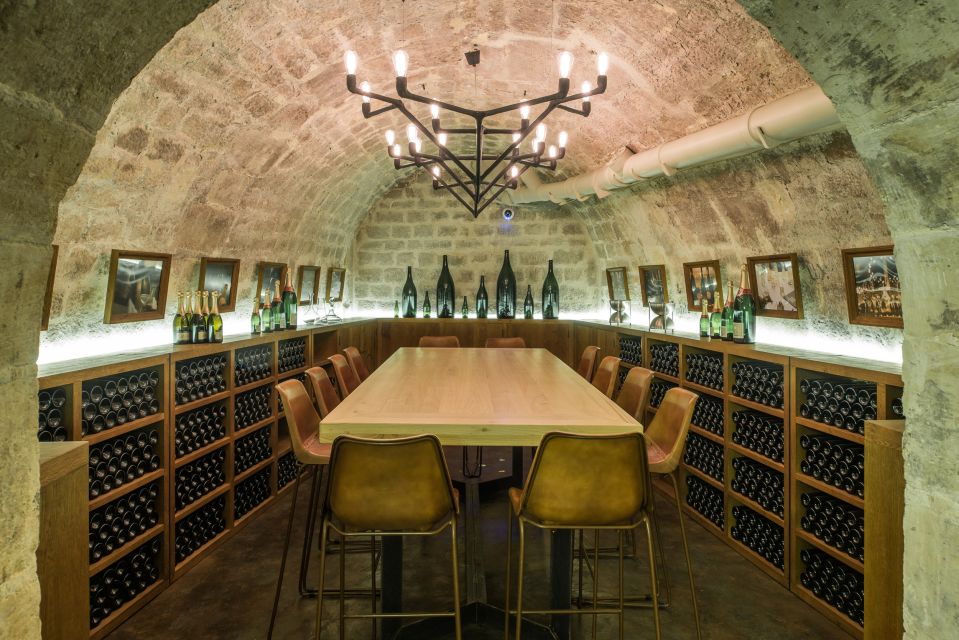
This is an English class led by an instructor, and the reviews give you a clear signal: the guide’s explanations matter.
You might be led by instructors such as Justan, Alexis, or Clemant. Their teaching approach is described as passionate and tied closely to pairings, regions, and practical wine understanding.
That’s important because wine education can get dry fast. In this class, the teaching style connects the dots between:
- what you taste right now
- where it comes from in France
- and what to look for later when you buy wine
If you like questions and quick clarifications, you’re in the right format.
Value and Price: Is $128 Worth It?
At $128 per person for a 2-hour experience, you’re paying for three things at once:
- 20 tasting samples (10 wines + 10 cheeses)
- English instruction tied directly to what you’re tasting
- Access to a cellar entry setting that supports the full class flow
If you compare this to doing wine tastings by yourself, the difference is guidance. You’re not just “trying stuff.” You’re learning how to interpret it, how to pair intelligently, and how French wine regulations like AOP affect what’s in the bottle.
Also, the cheese and wine range covers both whites and reds and includes multiple regions and cheese types. That breadth in one sitting is part of what makes the price feel reasonable.
One more value note: the lineup can change by season, which means a return visit might feel like a different experience instead of repetition.
Who Should Book This Class (and Who Might Want to Skip)
This is ideal for adults who want:
- a structured introduction to French wine
- real pairing practice with multiple cheeses
- English explanations that don’t talk over you
It’s also a good pick for birthdays and special evenings, since the format is social and fun, not stiff.
Skip it if:
- you’re shopping for a casual snack-and-drink stop (this is a class first)
- you prefer non-alcoholic options as part of the experience (non-alcoholic beverages aren’t included)
- you need child-friendly programming (it’s not suitable for kids under 18)
If you’re a committed cheese fan, you’ll have plenty to savor. If you’re cautious about cheese, keep an open mind—the tastings are designed to include enough variety that you can find at least one pairing you genuinely like.
Booking and Practical Notes That Actually Matter
You’re responsible for your own getting there since hotel pickup and drop-off are not included. Also plan for pacing: non-alcoholic beverages aren’t part of the package, so don’t show up thinking this will work like a soda-and-cheese afternoon.
On the bright side, the class runs in English, lasts about 2 hours, and you can cancel up to 24 hours in advance for a full refund. There’s also a reserve now & pay later option, which can help if your Paris schedule is still a moving target.
Should You Book This Paris Wine-and-Cheese Tasting?
If you want a smart, guided way to understand French wine-and-cheese pairing—without piecing together lessons from multiple places—this is an easy yes.
Book it if you like learning by tasting, want region and AOP context, and enjoy the idea of comparing whites and reds with a variety of cheeses. The strong reviews about instructors like Justan, Alexis, and Clemant are a useful hint: the teaching style is a major part of the value.
Skip it only if you need a non-alcoholic-friendly experience, or if you hate the idea of 2 hours in a structured class setting. Otherwise, this is the kind of Paris activity that leaves you leaving with answers, not just flavors.
FAQ
How long is the wine and cheese tasting?
It lasts 2 hours.
Is the class offered in English?
Yes, the instructor teaches in English.
How many wines and cheeses will I taste?
You’ll taste 10 wines and 10 cheeses.
Where does the tasting take place?
It’s in the Ile-de-France area of France, with entry to the cellar included.
Does the price include hotel pickup or drop-off?
No, hotel pickup and drop-off are not included.
Are non-alcoholic beverages included?
No, non-alcoholic beverages are not included.
Is it suitable for children?
No. It’s not suitable for children under 18 years.
What is the cancellation window?
You can cancel up to 24 hours in advance for a full refund.