REVIEW · PARIS
Private Exquisite Red & White Burgundy Wines Trip from Paris
Book on GetYourGuide →Operated by Clewel Travel · Bookable on GetYourGuide
A day that starts with Chablis often ends with a new obsession. This private Burgundy outing strings together four wine stops, including both whites and reds, with Grand Cru and 1er Cru tastings. I especially like the way each domaine teaches you something different, not just hands you a glass, and I also like the cellar focus, since that is where Burgundy really makes sense. One catch: it is a long day, with early pickup and a drive that totals roughly 8 hours round-trip.
You will be moving between three areas that wine lovers talk about nonstop: Chablis, then Beaune, then Pommard. The comfort matters on a day this packed: you’re in a Mercedes E220 for smaller groups or a Mercedes minivan for larger ones, with an English-speaking driver who keeps things on schedule. If you hate long drives or you want a slow, stop-every-while kind of pace, this probably won’t feel right.
In This Review
- Key points to know before you go
- A long day from Paris, built around tasting time
- Chablis wine lessons at Jean-Marc Brocard and Maison Régnard
- Beaune lunch break in the middle of the action
- Patriarche Père et Fils: the tunnel-cellar experience under Beaune
- Château de Pommard for Pinot Noir and the Grand Cru road
- The tasting math: 20 glasses, and why it matters
- What the guide format feels like in real life
- Cars, timing, and the comfort of a private group
- Price and value: what you’re really paying for
- Practical tips so you enjoy every stop
- Who should book this Burgundy wine day
- Should you book it?
- FAQ
- FAQ
- How long is the private Burgundy wines trip from Paris?
- What areas of Burgundy does this tour cover?
- How many wine tastings and glasses are included?
- Is the tour guided at the wineries?
- Are red and white wines included?
- Do I get lunch included in Beaune?
- Is transportation included from Paris?
- What language is the driver?
- Is Jean-Marc Brocard always visited?
- What should I wear and bring?
Key points to know before you go
- 4 domaines, 20 total glasses across Chablis and Pommard, with Grand Cru and 1er Cru showing up repeatedly
- Guided learning at 3 stops (plus a sommelier-led tasting) so you’re not guessing what you’re tasting
- Cellars are a theme, from cave visits in Chablis to the big tunnel system under Beaune
- You get a real Beaune break, dropped in the center for lunch near landmarks like Hôtel-Dieu de Beaune
- Driver timing is part of the value, with a business-class Mercedes experience built for a full-day schedule
A long day from Paris, built around tasting time
This is not a quick “wine tasting and done” outing. Pickup is at 07:30 from your hotel or Airbnb address in Paris, and you’ll get back around 21:30. The total duration is about 870 minutes, and the plan is clearly designed around giving you multiple tastings without rushing you through each room.
The driving itself is straightforward: Paris to Chablis is about 190 km (roughly 2.5 hours) on highway, with a rest stop along the way. Beaune sits about 130 km away from Chablis (about 1.5 hours), and the return to Paris is around 312 km (about 3.5 to 4 hours), again with one rest stop. Bottled water is included, which is a small thing that helps a lot when you’re tasting all day.
One practical note: food is not allowed in the vehicle and you’re not supposed to bring alcohol or drugs. That’s normal for tours, but it does mean you’ll want to plan your lunch on your own during the Beaune break.
You can also read our reviews of more private tours in Paris

Chablis wine lessons at Jean-Marc Brocard and Maison Régnard
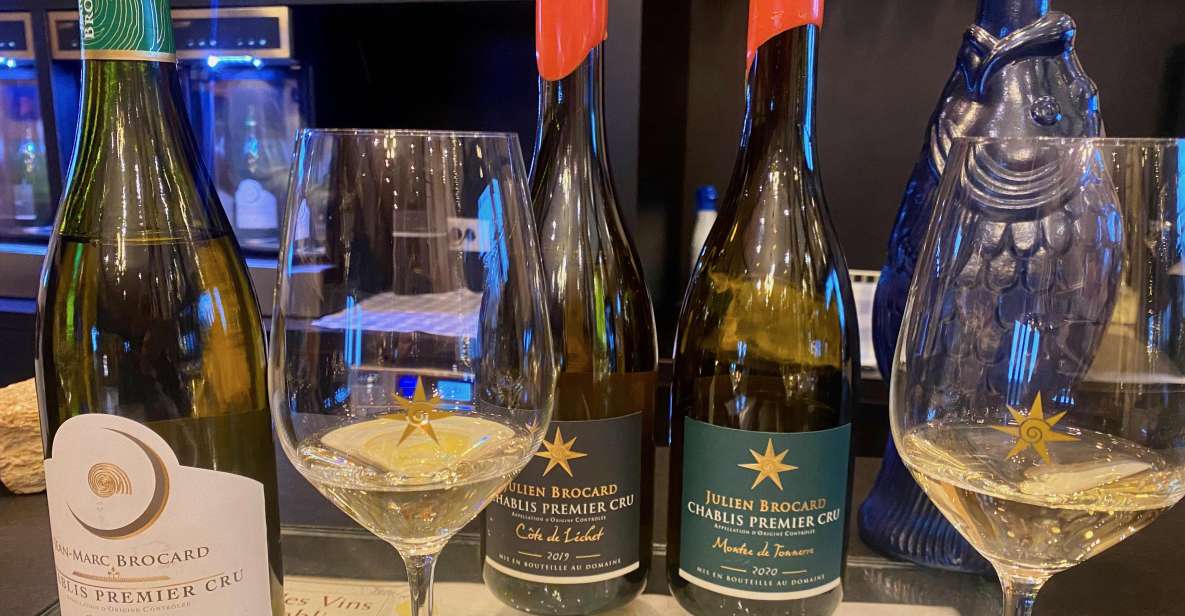
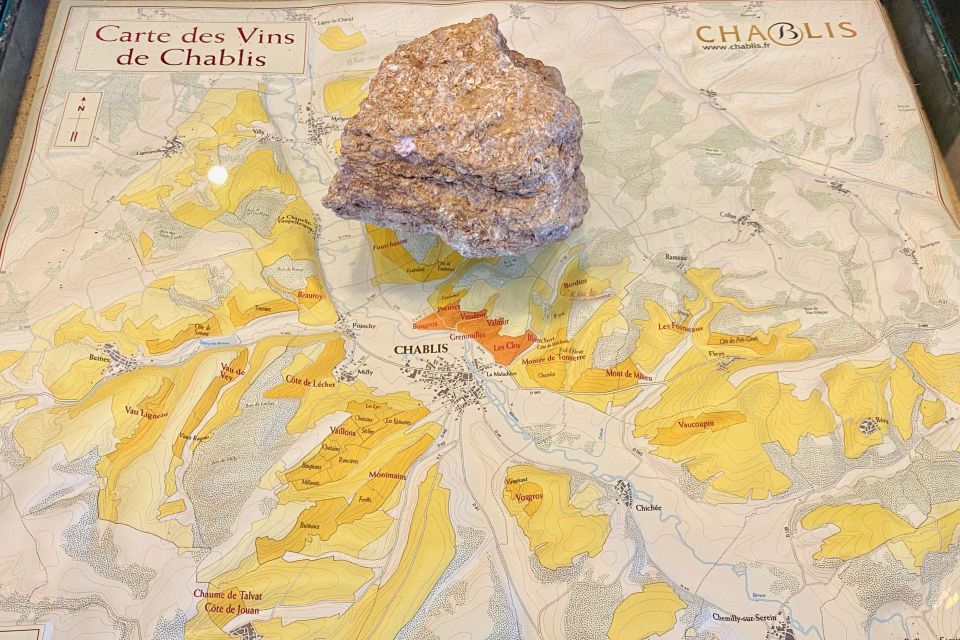
Chablis is where the day earns its credibility. Instead of treating it like a single stop, you get two Chablis domaines that explain the classification in a way that sticks.
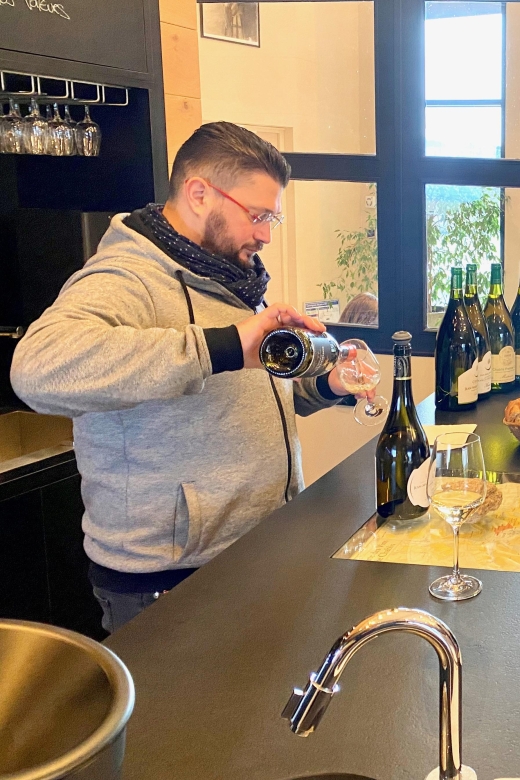
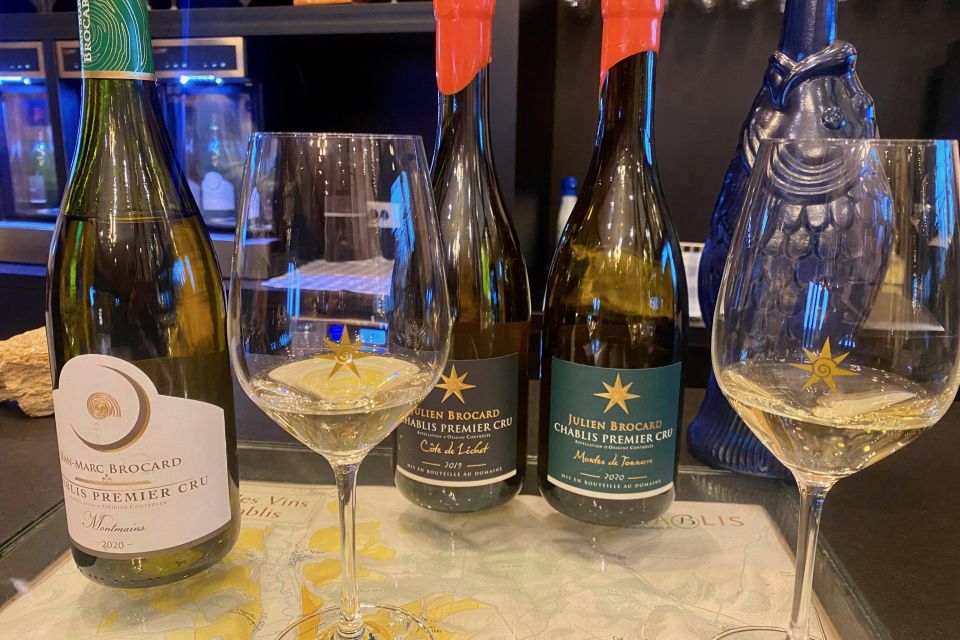
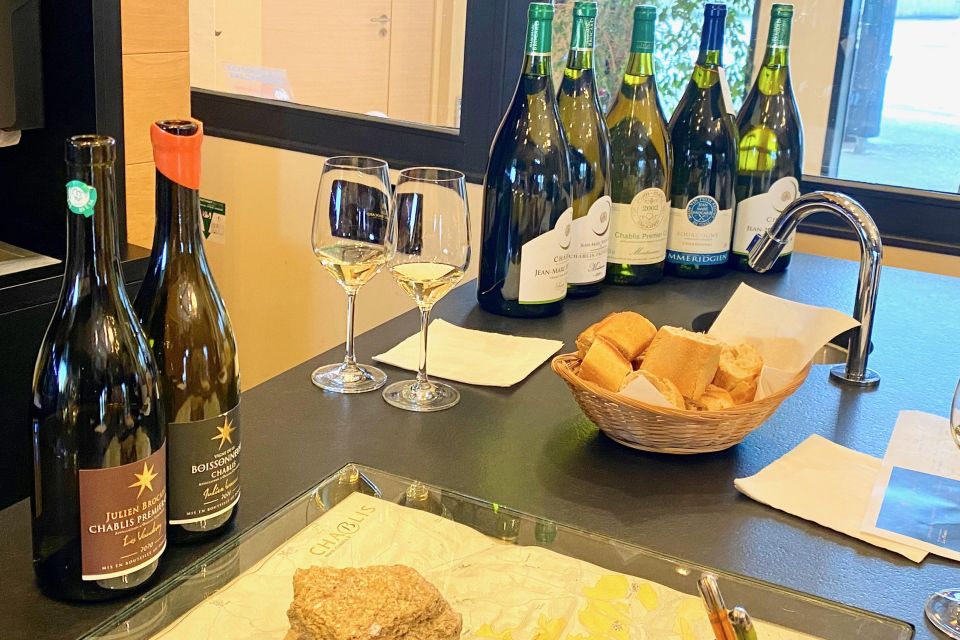
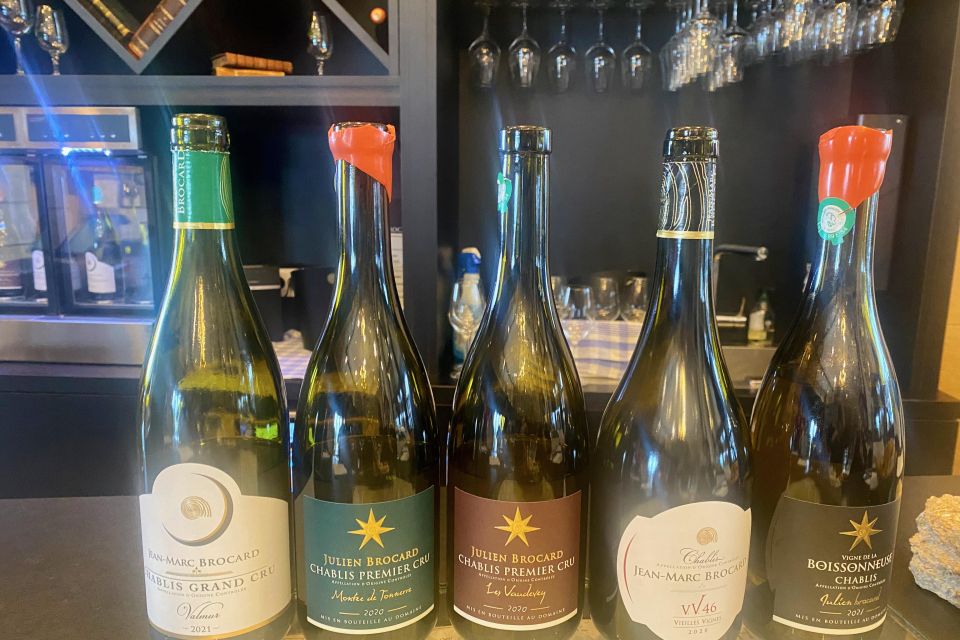
At Jean-Marc Brocard, you start with a guided experience surrounded by the vines, plus a cave visit and a tasting of 5 wines with a cheese plate. The wines are organized to show the progression through Chablis, Chablis 1er Cru, and Chablis Grand Cru. You’ll hear how the winemaking process works in Chablis and—crucially—how those labeled tiers translate into flavor and expectations.
Then you head to Maison Chablis Régnard in Chablis, with a guided visit at a house founded in 1860. Here, the tasting list is broader and more instructive: you’ll taste Petit Chablis, Chablis Village, Chablis 1er Cru (included again as part of the set), and Grand Cru offerings. The format matters: a sommelier-led setup makes it easier to connect what’s in the glass to what you’re hearing about classification and cellaring.
A helpful detail for planning: Jean-Marc Brocard is closed on Sundays, so the tour swaps in a different Chablis house. If your travel dates include Sunday, you’ll still get the Chablis-focused structure—you just won’t see Brocard that day.
Beaune lunch break in the middle of the action
After Chablis, you head to Beaune, often called the wine capital of Burgundy. The stop here is simple: a drop-off in the city center for about an hour, so you can have lunch on your schedule.
You’ll be dropped close to Hôtel-Dieu de Beaune, the Hospices of Beaune—one of the best-preserved Renaissance buildings in Europe. Even if you only do a quick walk and a photo, it gives your day context. Beaune is where Burgundy stops being just labels and starts feeling like a real place with history you can walk through.
Since lunch isn’t included, you’ll want to use that hour efficiently. Bring comfy shoes, and don’t plan something that needs a long sit-down reservation.
Patriarche Père et Fils: the tunnel-cellar experience under Beaune
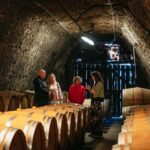
Your next wine window is in Beaune’s famous cellars at Patriarche Père et Fils. The tasting is supported by a professional sommelier, and you also get self-guided cellar time so you can see the scale without feeling herded.
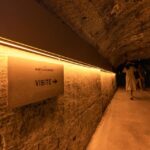
This is the kind of place where Burgundy becomes physical. The cellars are described as a system of 5 kilometers of tunnels under the city, and the site traces back to 1780, in former convent spaces. You’ll get a sense of why these wines are so tied to time and storage conditions, not just grape variety.
You’ll also taste another set of 5 Chablis wines, including Grand Cru and 1er Cru. The nice payoff: you’ve already tasted across the Chablis hierarchy twice, so by the time you’re in the tunnel system under Beaune, you’re picking up patterns faster.
Château de Pommard for Pinot Noir and the Grand Cru road
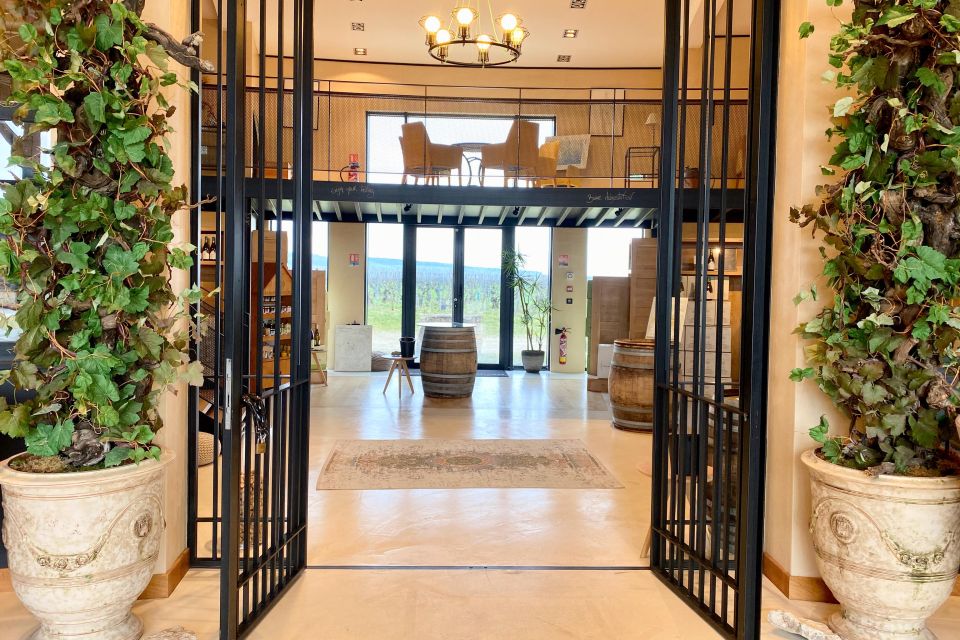
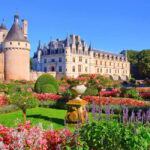
After Beaune, you go to Château de Pommard, close to the town and surrounded by vineyards. This part of the day shifts the theme from Chablis whites to Burgundy’s broader identity, especially the way Pinot Noir and Chardonnay express differently across villages and terroirs.
You’ll have a guided visit plus a tasting of 5 wines with a professional sommelier. The tasting includes selections from Château de Pommard and also references Famille Carabello-Baum and the Route des Grands Crus theme. This is where you start connecting geography to taste: how subregions and village-level distinctions shape the style you end up with in the glass.
You’ll also get an explanation of Burgundy’s five subregions and how they show up in the specialties you’re tasting. If you want your Burgundy day to move beyond “this is crisp” and “this is smooth,” this is the session that pushes you toward real understanding.
You can also read our reviews of more wine tours in Paris

The tasting math: 20 glasses, and why it matters
The headline promise here is clear: 20 glasses total across four wine stops. That breaks down into 5 wines each at Jean-Marc Brocard, Maison Régnard, Patriarche Père et Fils, and Château de Pommard.
You also get both the classification and the variety angles. Chablis tastings focus on the tiers (Chablis, 1er Cru, and Grand Cru) and on the progression from village-level labels upward. In Pommard, the focus shifts to Burgundy’s ability to translate terroir—especially through Pinot Noir—while still keeping Chardonnay in the conversation.
One more detail you’ll appreciate: at least one tasting includes a cheese plate. That helps your palate reset during the long day, and it’s a practical way to keep things enjoyable when you’re tasting many wines back-to-back.
Also, because tastings are spread across the day, you’re not drinking only in one village block. That pacing makes it easier to remember what you liked where, rather than blending everything into one big blur.
What the guide format feels like in real life
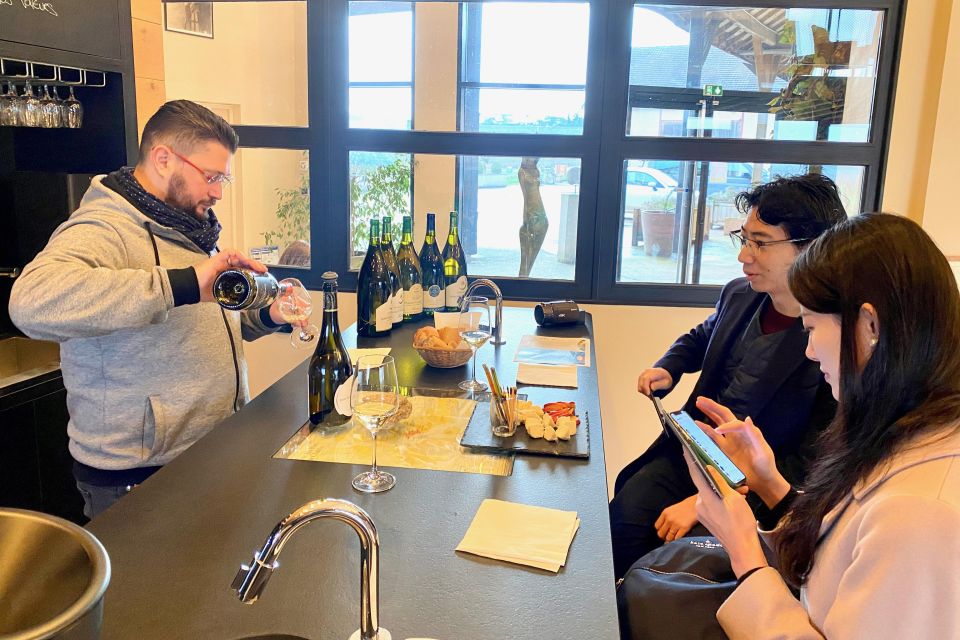
Three parts of the day are guided tours at 3 domaines, and then there’s a self-guided component at Patriarche. The trick is that even the self-guided time includes tasting structure, so you still get expert context.
At Brocard and Régnard, you’re in a guided learning environment, with explanations tied to the wines you taste. At Patriarche, you get a sommelier-led tasting and then you can walk the cellars at your own pace. At Château de Pommard, you’re back in guided mode, which helps lock in what you learned about Pinot Noir, Chardonnay, and terroir differences.
In other words: you’re not just collecting stamps. You’re collecting explanations.
Cars, timing, and the comfort of a private group
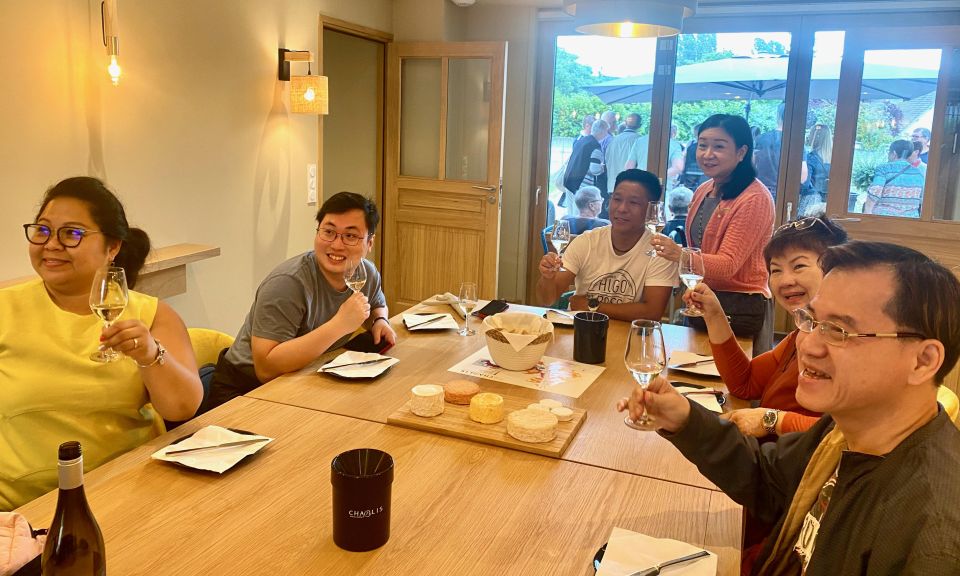
This is a private group tour, which changes the feel immediately. You’re not squeezed into a seat with strangers, and the driver can focus on keeping your day smooth.
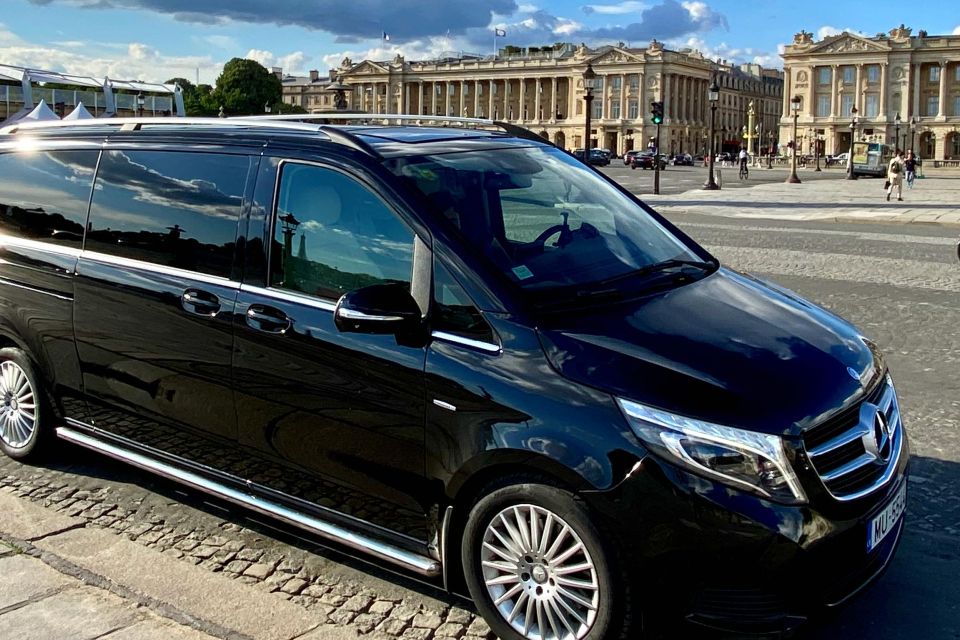
For transportation, you’re in a Mercedes E220 business class vehicle for 2–3 people, or a Mercedes minivan for 3–7 people. The driver is English-speaking, and pickup and drop-off are handled from your door in Paris at 07:30 and back to 21:30.
I like this setup for a long wine day because it removes the biggest stress: timing. The driving is fixed around winery appointment windows, and the tour is built to run on schedule. Your hotel location matters, and they plan around it.
Price and value: what you’re really paying for
At $690 per person, this is not a budget activity. But it also isn’t just “sit and taste.” You’re paying for the full-day private format that includes:
- Private round-trip transportation from Paris for a long highway day
- Multiple scheduled wine tastings across 4 domaines
- Guided tours at three stops and a sommelier-led tasting at the fourth
- 20 glasses total, including Grand Cru and 1er Cru examples
- Cellar visits and experiences tied to each location
- All fees and taxes plus bottled water
Value in Burgundy often comes down to two things: access and context. You could try to assemble a similar day yourself, but you’d spend hours coordinating transport and matching appointment schedules. Here, you get a packaged day built around wine education and cellar time, with minimal friction.
Your biggest cost-risk isn’t the price itself. It’s whether you want a full schedule with little wiggle room after the first departure time.
Practical tips so you enjoy every stop
A few small choices will make the day feel easier.
Wear comfortable shoes. You’ll spend time walking around vineyards and cellars, including underground areas where surfaces can be different than you expect. Bring outdoor clothing, since you’re outside in the morning and moving between locations throughout the day.
Stay hydrated (water is included). Then pace your tasting mentally: 20 pours sounds fun until you realize it’s an all-day concentration test. The upside is that you get multiple chances to reset your palate, including a cheese pairing and repeated education on classification.
And plan for lunch. The Beaune break is about one hour, drop-off in the city center, meals not included. If you need a sit-down meal, you’ll want to choose something efficient.
Who should book this Burgundy wine day
This tour is ideal if you want:
- A structured Burgundy day focused on Chablis classification and Pommard terroir
- Both red and white tastings, not just one style
- A private experience with an English-speaking driver and less logistical stress
- A day long enough to feel like a real wine education session, not a quick tasting stop
It’s not a fit for wheelchair users, and it’s not suitable for children under 6. If you’re traveling with very young kids or anyone who can’t handle a long day, you’ll want a shorter format.
Should you book it?
If you love Burgundy and you want the day to teach you something—Chablis tiers, what Grand Cru versus 1er Cru can signal, and how terroir shows up in Pommard—this private route is a strong choice. The best reasons to book are the 20 glasses, the mix of guided and cellar-focused experiences, and the fact that the schedule starts and ends with convenient Paris hotel pickup and drop-off.
Skip it if you want a relaxed, unstructured day, or if long driving plus multiple tasting rooms sounds exhausting. Otherwise, this is the kind of full-day wine trip that can turn “I like Chardonnay” into a real Burgundy point of view.
FAQ
FAQ
How long is the private Burgundy wines trip from Paris?
The duration is about 870 minutes, starting with pickup at 07:30 and returning around 21:30.
What areas of Burgundy does this tour cover?
You visit the Chablis area, stop in Beaune (wine capital), and finish at Château de Pommard.
How many wine tastings and glasses are included?
You’ll have a total of 20 glasses of wine across four wine stops, with 5 wines at each location.
Is the tour guided at the wineries?
Three domaines have guided visits. The Beaune cellar stop includes a tasting with a professional sommelier and also includes self-guided time in the cellars.
Are red and white wines included?
Yes. The day includes red and white wines, with Chablis tastings on the white side and Château de Pommard on the red side.
Do I get lunch included in Beaune?
No. You’ll get a lunch break in Beaune with drop-off in the city center, but meals are not included.
Is transportation included from Paris?
Yes. Hotel pickup and drop-off are included, and you travel by Mercedes E220 business class or a Mercedes minivan depending on group size.
What language is the driver?
The driver is English-speaking.
Is Jean-Marc Brocard always visited?
Brocard is closed on Sundays, and on those days the tour replaces it with another Chablis house.
What should I wear and bring?
Wear comfortable shoes and bring outdoor clothing, since you’ll be walking around vineyards and in different outdoor and cellar conditions. Bottled water is included.