REVIEW · PARIS
Paris: Chocolate Discovery Workshop and Tasting
Book on GetYourGuide →Operated by Nutrivitalité Rrraw Cacao Factory · Bookable on GetYourGuide
Chocolate has a backstory, and this workshop explains it. In Paris’s Grands Boulevards area, you get a focused hour with artisan chocolatiers Yasmine and Sébastien, plus a tasting finish that turns theory into something you can actually taste.
I like that the session covers how chocolate is made, not just what it tastes like. I also like the payoff: you leave with 45 grams of chocolate to savor later. The one drawback to weigh is that the tasting portion can feel small if you’re expecting a big flight of samples or lots of hands-on testing.
In This Review
- Key takeaways before you go
- How the 1-hour chocolate session really works in Paris
- Meet Yasmine and Sébastien: what they teach (and what to expect from the pace)
- History and nutrition: why this talk section can be genuinely useful
- Cocoa cultivation and the making process: the heart of the workshop
- The tasting: what you’ll actually get at the end
- Price and value: is $35 a fair deal?
- Small group size: good for attention, not always for hands-on testing
- Language: French and English, with an education-first style
- Who should book this workshop in Paris (and who should skip it)
- Practical tips for planning around the Grands Boulevards location
- Should you book? My decision guide
- FAQ
- How long is the Paris Chocolate Discovery Workshop and Tasting?
- Who leads the workshop?
- What languages are available?
- How many people are in the group?
- What do I get to taste during the workshop?
- Do I take home chocolate?
- Is it suitable for children?
- Can I cancel or reserve without paying yet?
Key takeaways before you go
- A tight 1-hour format: you’ll learn the cocoa and chocolate chain without a long sit-down seminar.
- History plus nutrition: the workshop includes chocolate history and nutritional values tied to its cultural origins.
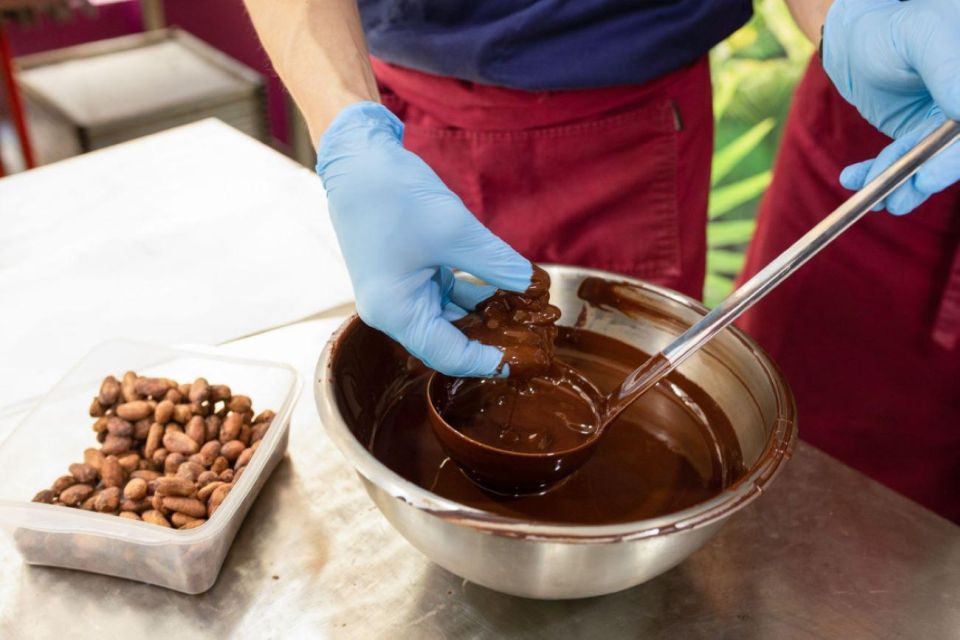
- Cacao-to-bar process explained: you’ll walk through cocoa cultivation and how beans become chocolate.
- Tasting is part of every step: you don’t just listen—you taste along the way.
- Small group, max 8 people: easier to ask questions, and the pace stays manageable.
- Take-home chocolate is real: the included 45 grams helps make the experience feel more complete.
How the 1-hour chocolate session really works in Paris
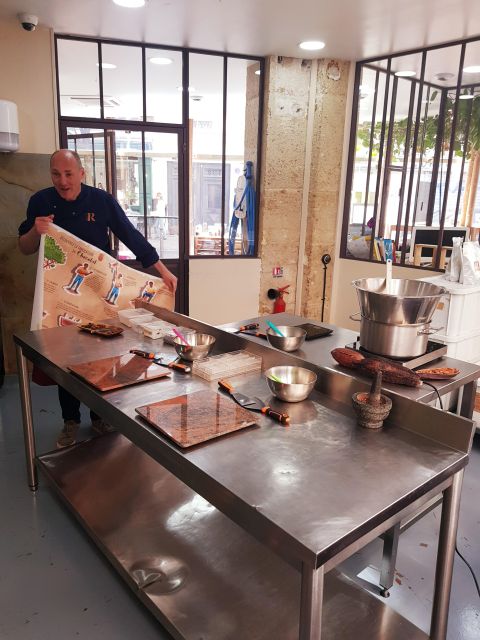
This workshop is short on time and heavy on explanation, which can be a good thing. In an hour, you’ll cover the story of chocolate, the basics of cocoa cultivation, and the steps involved in turning cacao into chocolate—then you taste at the end (and as part of the process, too).
What makes it feel practical is the setup: it’s run by Yasmine and Sébastien, and it’s limited to 8 participants. That small size matters in Paris. You’re not competing with a crowd for attention, and it’s easier to follow along when the instructor is teaching in French and English.
The location is also convenient for a quick add-on day plan: Grands Boulevards, in the Ile-de-France area. If you like walking around central Paris, this is the kind of activity that fits between sightseeing blocks without eating your whole evening.
You can also read our reviews of more food & drink experiences in Paris



Meet Yasmine and Sébastien: what they teach (and what to expect from the pace)
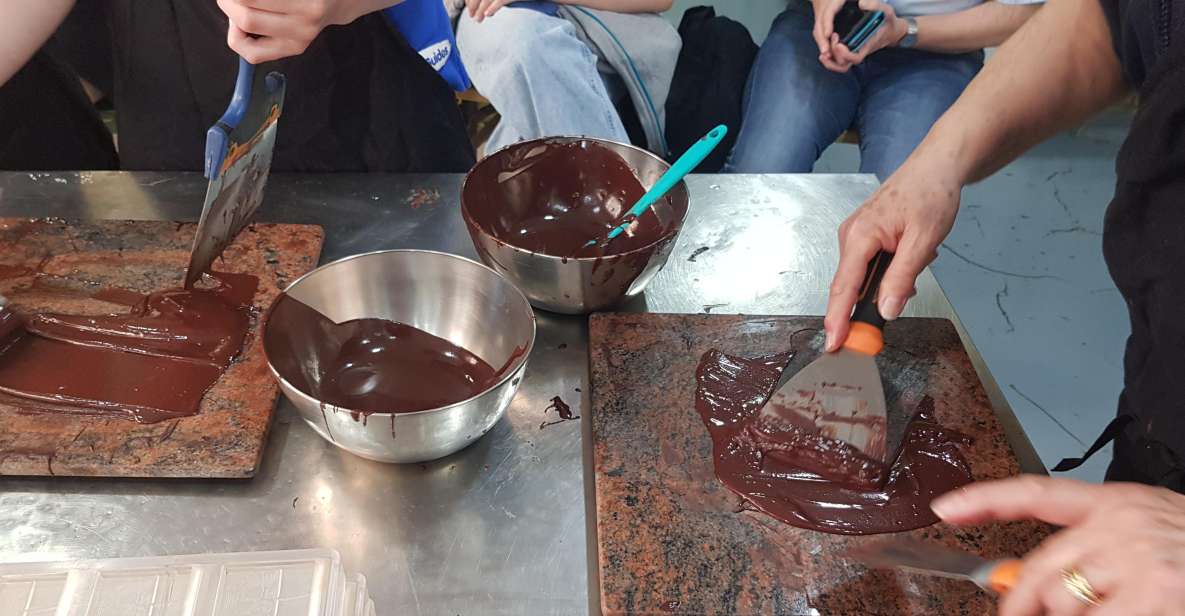
The workshop focuses on what chocolate actually is—cacao, processing, and why it ends up in your hands as a bar or bites. You’ll start with the history of chocolate, and you’ll also hear nutritional values discussed in the context of chocolate’s cultural journey.
One specific name comes up during the lesson: Frédéric Marr. The idea is to connect chocolate’s origins and significance to its broader story, including how it became a food that people kept coming back to over time.
You should expect the session to run like a guided talk with demos and tastings woven in. It’s not described as a “build it yourself” chocolate lab, so if you’re the type who learns best from lots of physical trials, you may want to set your expectations accordingly. Think: you’re there to learn the logic and flavor progression, not to manufacture a bar.
History and nutrition: why this talk section can be genuinely useful
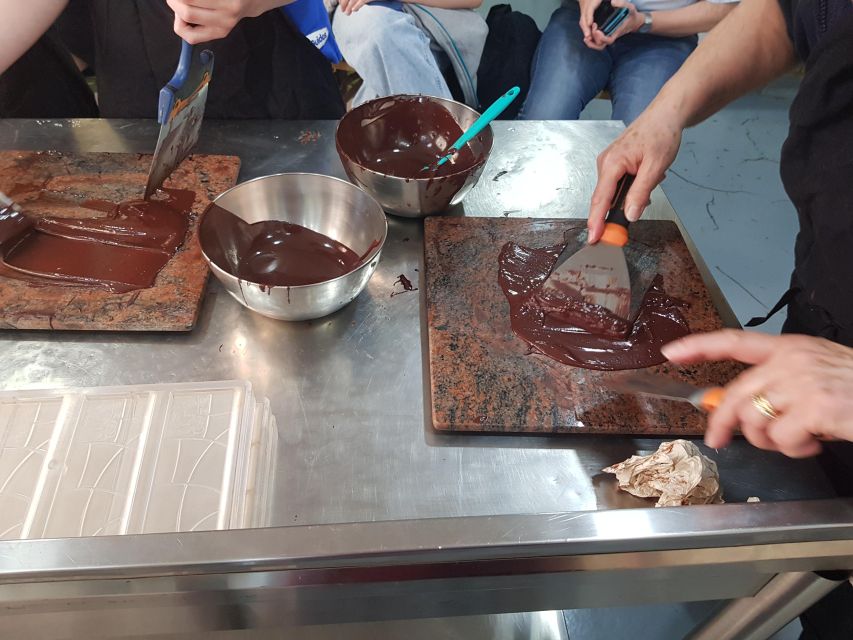
Chocolate history can be either trivia or context. Here, it’s framed as part of understanding what chocolate is and why it became meaningful. The session connects chocolate’s origins with cultural roots linked to Amazonian peoples, presenting chocolate as a sacred food in its early narrative.
Then comes nutritional values. The point isn’t a nutrition label lecture. It’s more about giving you a way to talk about chocolate beyond taste—what makes cacao stand out, and how people think about it as more than a dessert.
If you’ve ever wondered why some chocolate conversations sound “serious,” this is the angle. You’ll leave with a better vocabulary for what you’re eating, and you’ll be able to connect the taste you experience later to the production story you heard first.
Cocoa cultivation and the making process: the heart of the workshop
After history and nutrition, you shift into the cocoa-to-chocolate chain. You’ll learn about cocoa cultivation, then the intricate steps that transform cocoa into chocolate.
That “intricate process” matters because it’s where many chocolate differences come from. Bean type, growing conditions, and processing choices all affect flavor. Even without seeing every factory step in person, you get a map you can use the next time you shop for chocolate.
The workshop also says you’ll taste every step of chocolate creation. In practice, that usually means short tastings tied to different stages or flavor profiles, rather than a long menu of separate bars. It’s a smart teaching method: your brain links the story you heard to the taste you detect.
The tasting: what you’ll actually get at the end
The finale is a chocolate tasting experience, and you’ll leave with 45 grams of chocolate to take home. That take-home portion is a big deal for value because it lets you keep evaluating what you learned after the workshop ends.
At the same time, there’s an important expectation to manage: the tastings can be bite-sized. Some people have found the number of samples and the portion sizes disappointing compared with what the title suggests. So if you’re imagining a generous flight—lots of distinct chocolates, big portions, and plenty of repeat tasting—this may not fully satisfy that craving.
If you’re there primarily for the education (cocoa cultivation and process), the short tasting portion can still feel worthwhile. You’ll walk away with enough chocolate to replay the lesson at home—and that matters because chocolate is best judged slowly, not in a rush.
You can also read our reviews of more tours and experiences in Paris




Price and value: is $35 a fair deal?
At $35 per person for a 1-hour experience, you’re paying for two things: instruction from artisan chocolatiers and a guided tasting plus take-home chocolate.
The value question is simple: do you want guided chocolate knowledge more than you want a large sample spread? This workshop is priced like an educational class, not like an all-you-can-taste event. When you factor in the included 45 grams to take home, the math shifts in your favor a bit—especially if you like tasting and comparing chocolate after the lesson.
If your main goal is maximum tasting variety and lots of interaction, the experience may feel tight. The group size is small (max 8), but the workshop is still only one hour, so there’s limited time for deeper back-and-forth or extended hands-on testing.
Small group size: good for attention, not always for hands-on testing
A limit of 8 participants is a practical advantage. In a small group, you can usually ask a question and get a real response. It also helps the instructor keep the pacing under control, especially when there are multiple tastings.
But small groups don’t automatically mean lots of hands-on work. The format described is more about learning the chocolate making pathway and tasting along the way. If you’re hoping for a very interactive “test and compare everything yourself” experience, you might find it’s more structured than that.
Still, for many travelers, this balance is ideal: you get the story, you get tastings, and you’re out on your feet exploring Paris without turning it into a half-day event.
Language: French and English, with an education-first style
The workshop runs in French and English. That’s great if you’re comfortable in either language, and it’s a strong sign that international visitors can follow the lesson.
That said, some people have asked for more visual presentation and more English emphasis. Translation and teaching style can influence how “tactile” the experience feels—especially if much of the session is explanation-based. If you prefer learning through lots of visual cues and demonstrations, come with a curious mindset and be ready to ask direct questions.
Who should book this workshop in Paris (and who should skip it)
This is best for you if:
- You want a short, focused lesson on cocoa cultivation and the chocolate making process.
- You enjoy understanding context—history and nutrition—while tasting.
- You like small group experiences that don’t drag on.
It may not be ideal if:
- You’re expecting a big, generous flight of chocolates with many samples.
- You want lots of hands-on testing and heavy interaction during the hour.
- You’re traveling with kids under 8 (it’s not suitable for them).
If you’re a “process nerd” or you love turning food into a story you can repeat at home, this fits well. If you’re mainly chasing variety and quantity of tastings, you may want to compare options before committing.
Practical tips for planning around the Grands Boulevards location
Grands Boulevards is a central, walk-friendly area. That’s helpful because you can pair this with nearby sights without much scheduling stress.
A few practical notes:
- Wear comfortable shoes. You’ll likely be doing pre- or post-workshop walking.
- Plan to eat lightly beforehand. Tastings are part of the hour, and you’ll leave with more chocolate.
- Bring one or two questions about what you eat most often. The teaching is structured, so good questions help you get more out of the tasting.
Also, remember it’s a 1-hour experience. That’s perfect for a busy Paris day, but it means you won’t have time to wander off or turn it into a long lounge session.
Should you book? My decision guide
Book it if you want a compact, education-first chocolate experience in central Paris—run by Yasmine and Sébastien—with chocolate you can take home. The biggest strength is the story: history, nutrition, cocoa cultivation, and the process, tied directly to tasting.
Skip it or think twice if your priority is a large tasting buffet or lots of interactive testing. With a one-hour format and small bites, you may feel like the tasting portion is not big enough for your expectations.
FAQ
How long is the Paris Chocolate Discovery Workshop and Tasting?
It lasts 1 hour.
Who leads the workshop?
It is led by artisan chocolatiers Yasmine and Sébastien.
What languages are available?
The workshop is offered in French and English.
How many people are in the group?
It’s a small group limited to 8 participants.
What do I get to taste during the workshop?
You taste every step of chocolate creation, with a tasting experience that concludes the hour.
Do I take home chocolate?
Yes. You leave with 45 grams of chocolate to enjoy later.
Is it suitable for children?
It is not suitable for children under 8 years.
Can I cancel or reserve without paying yet?
You can cancel up to 24 hours in advance for a full refund, and you can reserve now & pay later (book your spot and pay nothing today).