REVIEW · PARIS
Paris: Couture workshop, upcycle your own jacket
Book on GetYourGuide →Operated by Artwear Studio · Bookable on GetYourGuide
Upcycling in Paris feels like couture, not costume. In 3 hours, you’ll learn real garment techniques and then turn a donated or thrifted jacket into something personal, guided by Tara in a small atelier near Montmartre.
I especially love the hands-on structure: you pick a starting jacket, then work through practical methods like patchwork, cut-out details, and embroidery. I also like the studio focus on materials—fabric cut-offs from luxury design houses plus curated thrift finds—so your finished piece can feel higher-end, even though it’s made from second life. One possible drawback: you’re limited to what you choose and what’s available in your size range, so bring patience if you don’t instantly spot the perfect base.
In This Review
- Key points to know before you go
- A couture workshop near Montmartre, with real upcycling materials
- Meeting Tara and finding your starting jacket
- Patchwork, cut-out, and embroidery: the techniques you’ll use
- Patchwork: add structure and story
- Cut-out: create detail without making the whole thing complicated
- Embroidery: the personal signature
- Turning old fabric into something durable and personal
- What you’ll actually do during the 3 hours
- Who this workshop fits best (and who should skip it)
- Price, time, and value: is $170 worth it?
- Quick practical tips for a smoother session
- Should you book this Paris upcycling couture workshop?
- FAQ
- How long is the workshop?
- What is the group size?
- Where is the meeting point?
- What techniques will I learn?
- Do I need to bring my own jacket?
- What’s included in the price?
- Is there an age limit?
- What languages are offered?
- Can I cancel or pay later?
Key points to know before you go
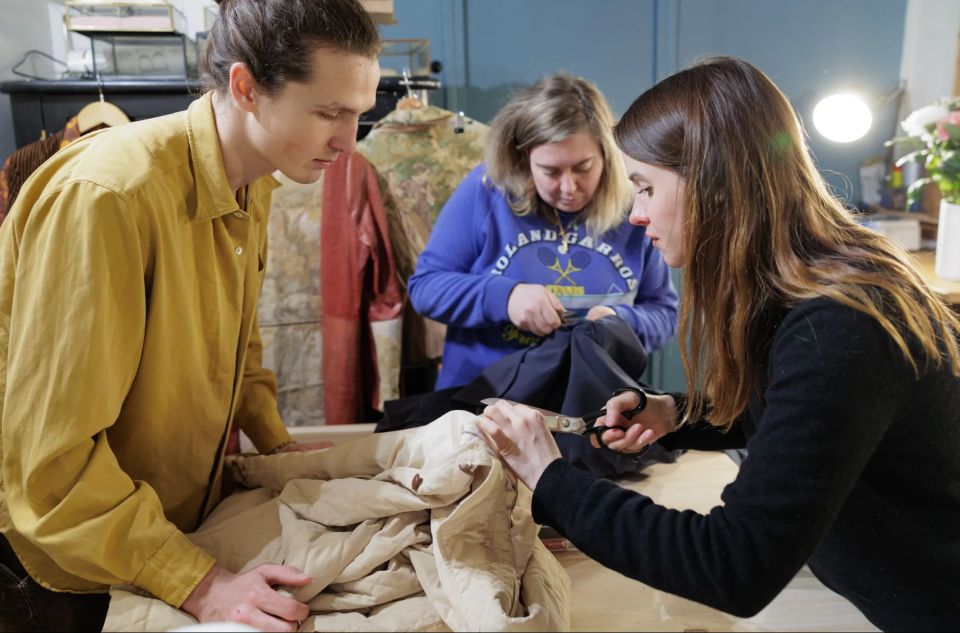
- Small group (max 5) means more time at the sewing table and fewer rushed steps
- Tara’s patience comes up again and again in the feedback, especially for cutting and sewing
- You choose your jacket from luxury cut-offs and thrift-store options in different sizes
- Patchwork, cut-out, and embroidery let you either specialize or combine techniques
- Leave with your finished upcycled jacket after the 3-hour session
A couture workshop near Montmartre, with real upcycling materials
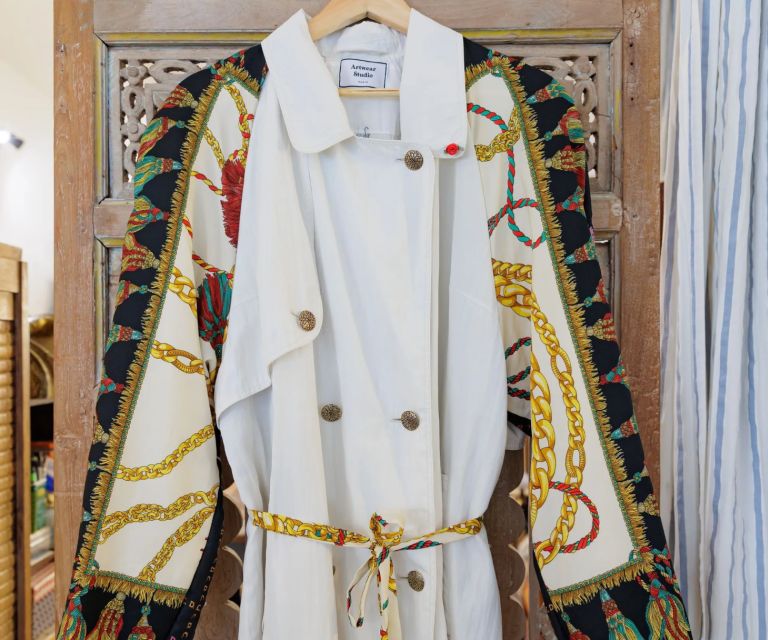
This is the kind of workshop that makes sustainable fashion feel practical. Instead of just talking about ethics, you work with actual textiles and real techniques you can use again later. And you do it in a proper Paris atelier setting—compact, focused, and built for sewing.
What I like most is that the experience treats “upcycling” like design, not a craft fair project. You’re not just decorating fabric. You’re making choices: which jacket becomes the base, where to cut, and how to build shape and texture using patchwork, cut-out, and embroidery.
You’ll be in the Ile-de-France area, close to Montmartre, so it’s easy to pair with a day of walking. Still, don’t plan anything stressful right before your session—sewing workshops reward calm timing.
You can also read our reviews of more tours and experiences in Paris



Meeting Tara and finding your starting jacket
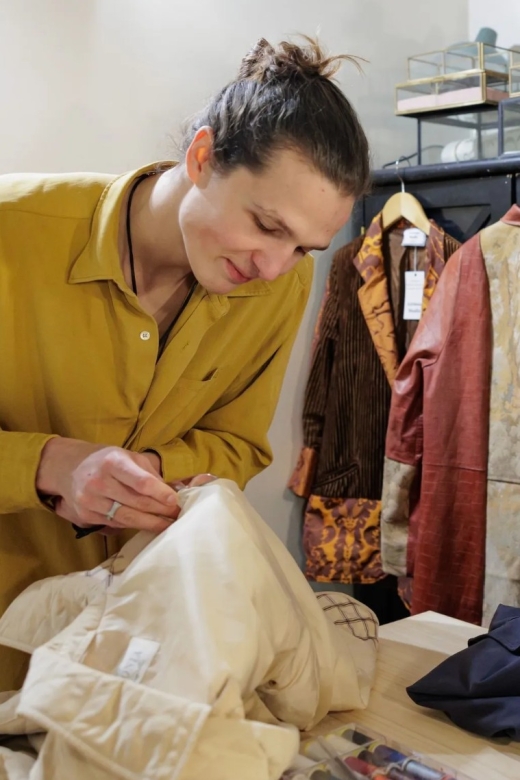
You’ll meet in a studio address in Paris with a specific entry code: black door code A5961, Building A, 2nd floor. It’s the sort of meeting point that asks you to arrive a few minutes early, not ten minutes late. Once you’re inside, Tara welcomes you and sets the tone: thoughtful, creative, and geared toward getting you to a finished result.
The studio setup matters. You’ll see fabric cut-offs from luxury design houses, and you’ll also find jackets selected from thrift stores in various sizes. This isn’t random rummaging—you’re selecting from options that the designer has already sorted and matched to how upcycling projects work.
Then you choose your jacket. That choice is the moment the workshop clicks. You’ll start thinking like a designer: Do I want a bolder front panel? Do I want cut-out sections where the fabric texture looks interesting? Do I want embroidery to highlight a seam line or add personality to the collar area?
If you bring your own jacket, you can still use it as the base. If you don’t, the workshop provides a vintage jacket to upcycle, plus the necessary upcycling materials.
Patchwork, cut-out, and embroidery: the techniques you’ll use
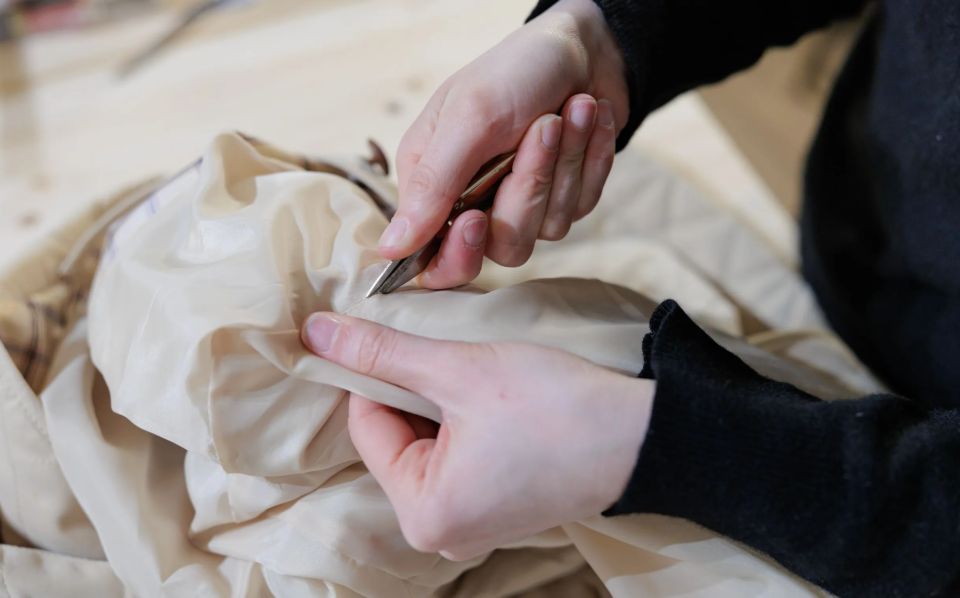
The workshop is built around three techniques, and you’ll guide your work based on what you want your jacket to become.
Patchwork: add structure and story
Patchwork isn’t only about “making something from scraps.” You’ll use it to create intentional panels—places where the colors and textures contrast in a designed way. It’s also one of the quickest routes to a visibly unique jacket, because even small patches can change the look of a whole garment.
Cut-out: create detail without making the whole thing complicated
Cut-out techniques help you introduce shape and rhythm. Done well, it adds a fashion-forward detail while keeping the garment wearable. The workshop guides you through how to approach this step so you’re not just hacking away at fabric and hoping for the best.






Embroidery: the personal signature
Embroidery is where your jacket becomes yours, fast. Even if you focus on just one or two embellishment areas, it turns an upcycled piece into a design you’d actually wear with confidence. The feedback consistently praises the designer’s hands-on guidance here—especially for people who don’t sew often.
You can choose to focus on one technique or combine all three. That flexibility is a big deal in a 3-hour format. If you’re nervous about time, pick the technique that feels most natural. If you want maximum originality, combining patchwork, cut-out, and embroidery is where the jacket turns into a true one-off.
Turning old fabric into something durable and personal
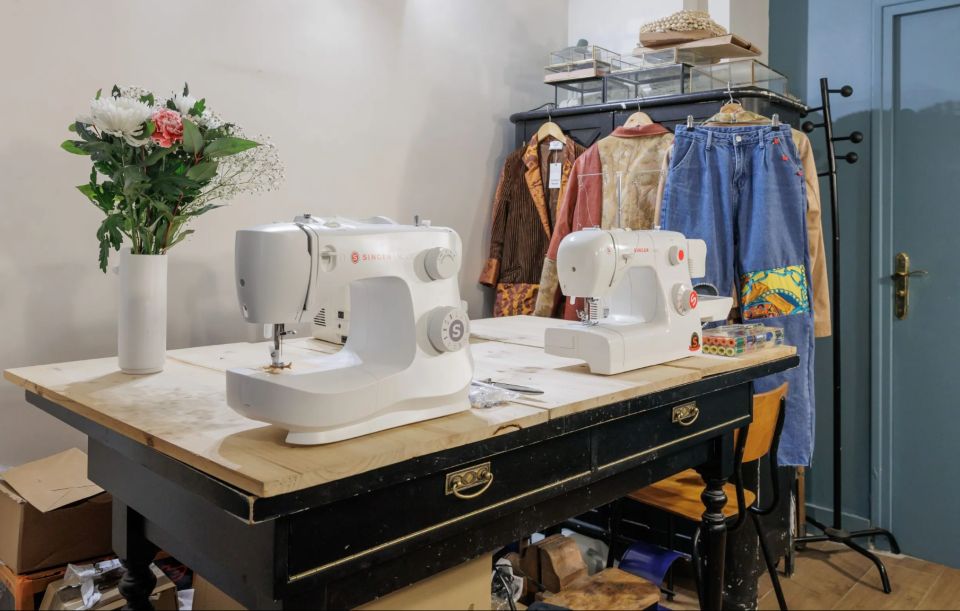
One of the best parts of this workshop is the mindset shift. Instead of viewing old or forgotten clothing as disposable, you treat it as raw material. That’s not just a feel-good concept—it affects how you work. When you respect the base jacket, you make smarter cuts and choose details that complement the original structure.
In the process, you get practical lessons about giving fabric a second life. You also see what “durable” looks like in real terms: techniques that hold, details that don’t unravel, and design choices that fit a jacket rather than just decorating it.
The tone of the studio also helps. Multiple past participants specifically mention Tara being skilled and patient, and the vibe is not rushed. That’s important, because cutting and sewing require a few small corrections along the way, and those corrections only work if the instructor has the time to guide you through them.
At the end, you walk out with a finished upcycled jacket. That’s the whole point. You’re not leaving with a list of things you still need to practice someday—you’re leaving with wearable proof of what you just learned.
What you’ll actually do during the 3 hours
Even without a printed schedule, the flow is clear and logical:
First, you arrive and settle in. Tara introduces upcycling and shows examples of finished pieces, including her own approach to turning saved and thrifted items into fashion you can wear. This gives you immediate ideas for what’s possible with your selected jacket.
Next, you choose your base. You look through jackets and fabrics in different sizes and textures, then pick what will become your upcycled masterpiece.
Then comes the technique phase. You learn and practice three methods—patchwork, cut out, and embroidery—with instruction built around how to apply them to a jacket form. You decide whether to focus on one technique or combine them.
Finally, you build. The workshop shifts from guidance to your own making. The excitement tends to rise fast once you see the jacket changing from “before” to “after,” especially when the cutting and sewing steps start lining up.
When time runs out, you don’t just stop mid-project. The workshop is designed so you leave with the jacket you created.
Who this workshop fits best (and who should skip it)
This is a small-group workshop, limited to 5 participants. That size is great if you want real coaching, not a classroom with too many hands moving at once.
It’s also a strong match for:
- People who want hands-on sewing rather than a lecture about sustainability
- Anyone who likes the idea of wearing something you didn’t buy off a rack
- Travelers who like workshops where you can immediately see results
It’s not a fit for everyone. The workshop specifically notes it’s not suitable for children under 10. If you’re bringing someone younger, you should choose a different activity.
If you’re completely new to sewing, this still may work because the instruction is personalized and patient. But keep your expectations realistic: a single 3-hour session can produce a great jacket, but it’s not the same as weeks of practice. The goal here is a wearable finished result, guided every step of the way.
Price, time, and value: is $170 worth it?
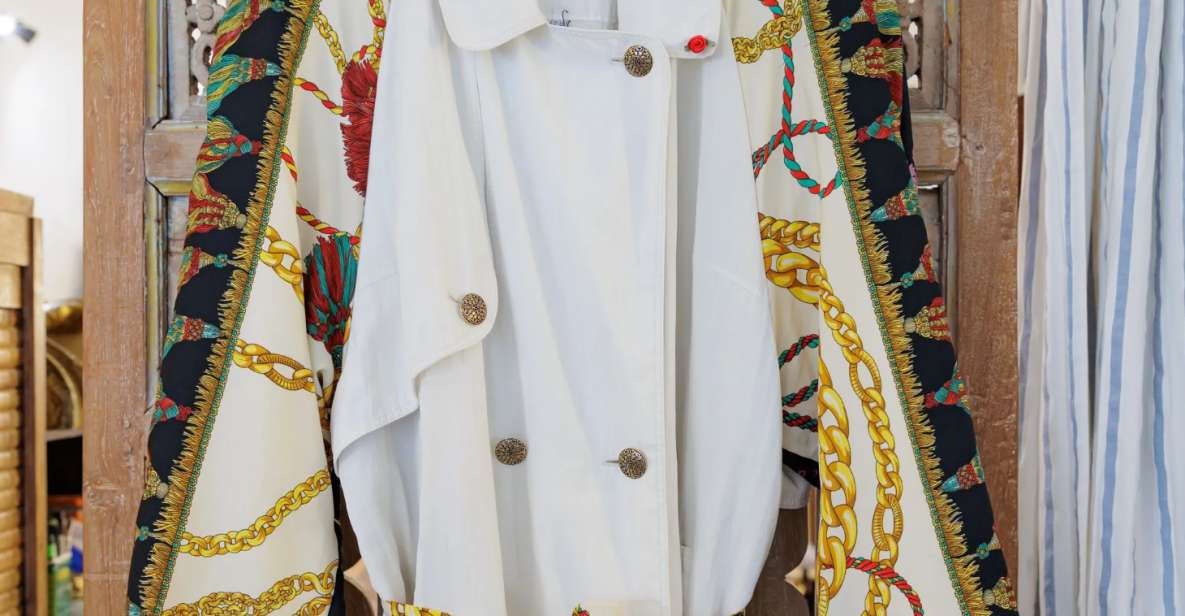
$170 per person for a 3-hour couture-style upcycling workshop near Montmartre isn’t cheap in the abstract. But it makes sense when you break down what’s included.
You’re paying for:
- 3 hours of sewing instruction with an established designer
- A vintage jacket supplied for your project (unless you bring your own)
- Upcycling materials (including luxury design house cut-offs and studio-selected components)
- A small group limit, meaning you’re not just paying for time—you’re paying for access to guidance
That last part is the hidden value. When a workshop caps at 5 people, you’re more likely to get timely feedback while you cut, stitch, and apply your details. That can be the difference between leaving with something you love and leaving with something you’re still unsure how to finish later.
Also, you’re leaving with an actual wearable item that you designed. For many people, that “I can use this right away” factor makes the cost feel less like a class fee and more like a crafted purchase you created yourself.
Quick practical tips for a smoother session
A few things will help you get better results and enjoy the experience more.
- Arrive early: with a code entry and a 2nd-floor meeting point, give yourself buffer time.
- Wear something flexible: you’ll be working at a table and handling fabric, so loose layers are your friend.
- Decide your vibe fast: once you see the jacket options, think about what you want—patchwork contrast, cut-out detail, or embroidery focus.
- Bring questions: if you’re unsure about where to place an embroidery detail or how to approach cut-out sections, ask early rather than when you’re mid-step.
- Consider bringing your own jacket if you have a sentimental favorite. The workshop says it’s optional, and it can make your finished piece feel even more personal.
If you’re on a tight itinerary day, try not to stack a long museum detour right before your session. A sewing workshop is best when you can concentrate.
Should you book this Paris upcycling couture workshop?
I think you should book if you want a hands-on Paris experience that mixes creativity with real technique—and you care about sustainability in a way that goes beyond words. The strongest selling points here are the small group size, Tara’s patient coaching style, and the fact you leave with a completed jacket you designed.
Skip it if:
- You want a purely scenic activity with minimal making
- You’re not interested in sewing at all and would rather just watch
- You’re traveling with children under 10 (the workshop isn’t suitable)
If your goal is to leave Paris with a one-of-a-kind jacket and a few concrete techniques you can reuse later, this workshop is a smart use of a half-day.
FAQ
How long is the workshop?
It lasts 3 hours.
What is the group size?
The workshop is a small group, limited to 5 participants.
Where is the meeting point?
Meet at the black door with code A5961, Building A, 2nd floor.
What techniques will I learn?
You’ll be guided through three techniques: patchwork, cut out, and embroidery. You can focus on one or combine them.
Do I need to bring my own jacket?
No. A vintage jacket to upcycle is provided, but you may also bring your own jacket (optional).
What’s included in the price?
The price includes the 3-hour sewing workshop with an established designer, a vintage jacket to upcycle, and upcycling materials to create your custom piece.
Is there an age limit?
It is not suitable for children under 10.
What languages are offered?
The instructor speaks English and French.
Can I cancel or pay later?
There’s free cancellation up to 24 hours in advance for a full refund, and you can reserve now and pay later.