REVIEW · PARIS
Paris: Macaron Class at Galeries Lafayette
Book on GetYourGuide →Operated by Galeries Lafayette Paris Haussmann · Bookable on GetYourGuide
Macarons in the middle of Paris shopping can be surprisingly calming. In Galeries Lafayette’s Opera-area building, you get hands-on guidance from a French pastry chef (often instructor Marie), and you leave with 4 macarons plus 2 recipes in a class that runs about 1.5 hours. I especially love how the class setup keeps things tidy with pre-measured ingredients, and how you get practical technique you can repeat at home. One thing to plan for: the meeting point inside Galeries Lafayette’s maze can be tricky to spot quickly.
If you like Paris that feels a bit local, this works. You’ll learn the core macaron workflow in two stages: making the shells and the ganache, then assembling your final macarons. You’ll taste and work with flavors like chocolate and pistachio, and the shared class size (about 4 to 16 people) makes it feel friendly rather than like a production line. For families, there’s a parent-and-child format on Wednesdays (and Sept. 19th), with children aged 5 to 12; most other sessions require participants to be over 13.
In This Review
- Quick reasons to book
- A macaron class that actually teaches technique, not just sweets
- Getting to the right spot in Galeries Lafayette (your first mini-task)
- What you make in 1.5 hours: shells, ganache, and a final assembly
- The chef’s macaron secrets: what makes or breaks the shell
- Flavors, ingredients, and allergens you should know before you book
- Who this macaron class is best for (and who might feel limited)
- Price and value: what $67 buys you in central Paris
- Language and ID: small details that prevent last-minute confusion
- Should you book this Paris macaron class?
- FAQ
- What is the duration of the macaron class?
- Where do I meet for the class inside Galeries Lafayette?
- How many macarons will I make?
- Are there child and parent sessions?
- What are the age requirements?
- What languages are offered?
- What allergens are listed for this class?
Quick reasons to book
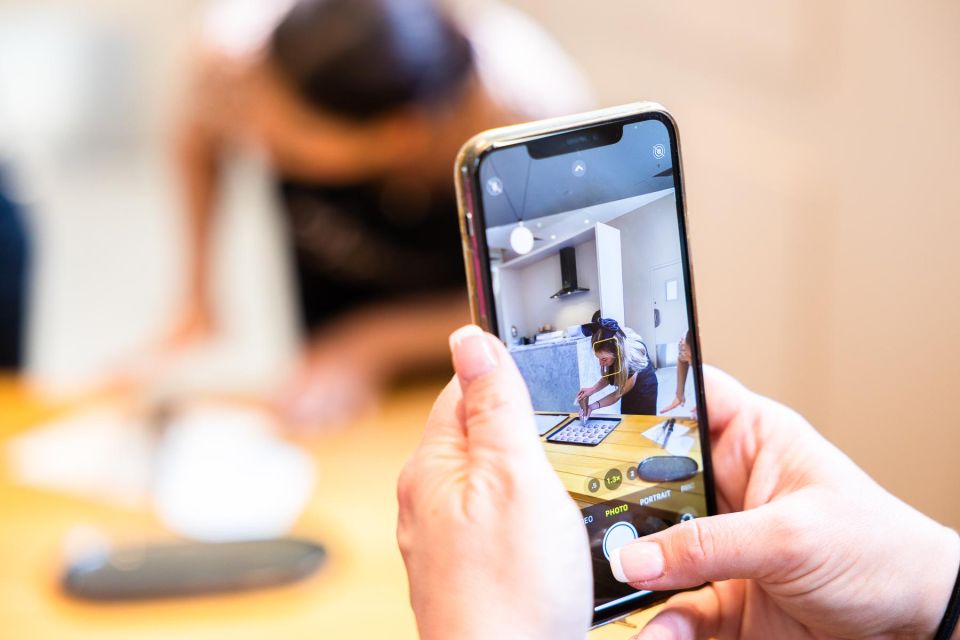
- French pastry chef instruction with clear steps for shells and ganache
- Pre-measured ingredients that make the process less messy
- Hands-on piping and filling, plus learning what makes macarons temperamental
- You leave with 4 macarons to eat on the spot or take away
- 2 recipes included so you can recreate flavors at home
- Family-friendly options on Wednesdays and Sept. 19th
A macaron class that actually teaches technique, not just sweets
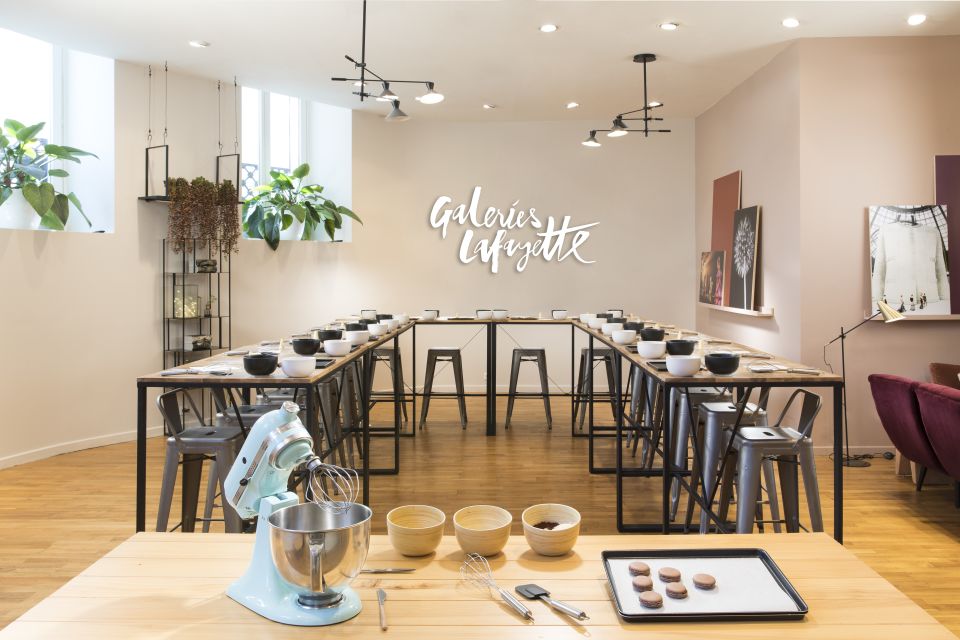
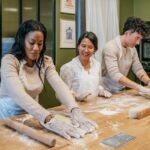
A Paris macaron class can go two ways: either you watch a demo while your hands do nothing, or you get a real skill you can practice later. This one leans toward the helpful middle. You’ll follow a structured two-stage process: first shells, then ganache (the filling), and then assembly. Even though the full macaron timeline is longer in real life, the class is designed so you still learn the order of operations and the reasons behind each step.
I also like that the class doesn’t pretend macarons are easy. The instructor focuses on the techniques that matter most for success, like how batter behaves when piped, what you’re aiming to see, and how the filling should be handled. You’ll get to work with at least two flavors (commonly including chocolate and pistachio), and you’ll leave with macarons that you made, not just ones someone else finished for you.
The venue is part of the charm: you’re in Galeries Lafayette Paris Haussmann, in the Opera district area, but the class happens in a quieter corner on a specific floor. That contrast helps. You get Paris shopping energy outside, and a calm, skill-focused lesson inside.
You can also read our reviews of more tours and experiences in Paris


Getting to the right spot in Galeries Lafayette (your first mini-task)
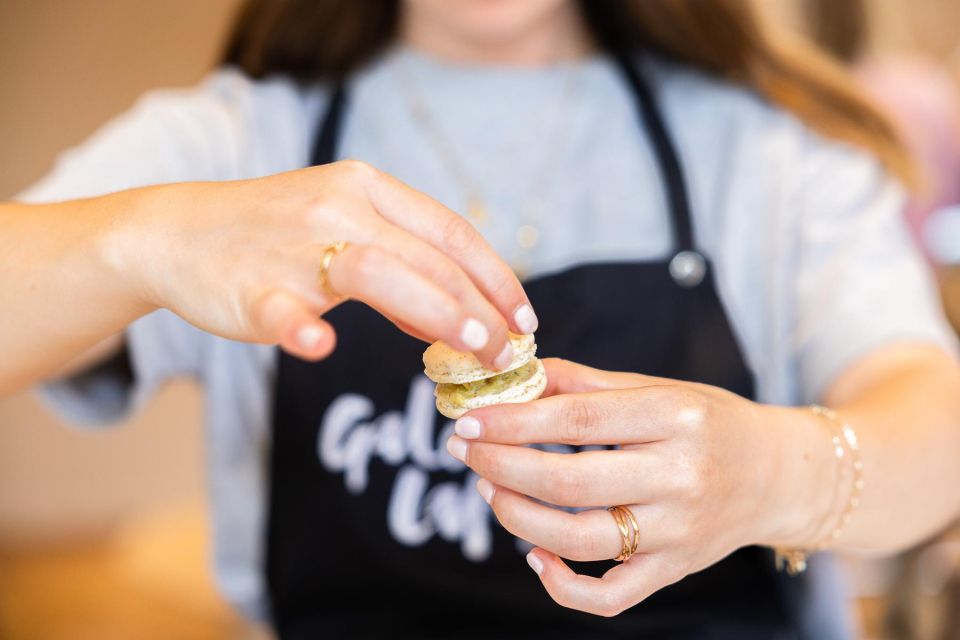
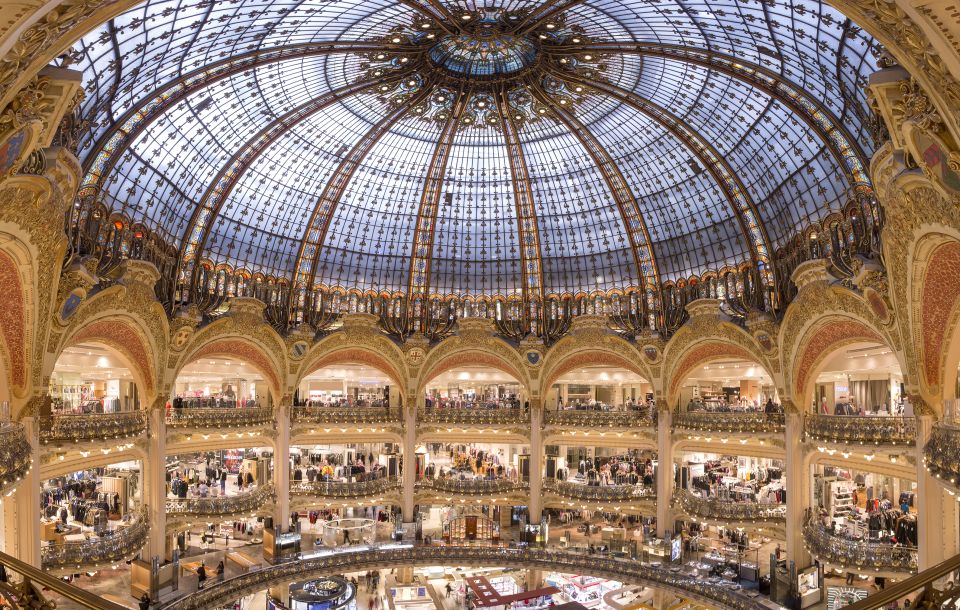
Location is both a perk and a puzzle here. The class meeting point is at the Appartement Lafayette, on the 3rd floor of the main store La Coupole, near the (Re)Store area and the Concierge.
If you’ve ever navigated Galeries Lafayette, you already know it’s not laid out like a neat museum. Plan a little extra time to slow down and orient yourself. A few practical notes that help you avoid stress:
- Go up to the 3rd floor and look specifically for Appartement Lafayette signage.
- Use the Concierge area as a landmark if you’re unsure.
- If you’re coming right after shopping, factor in a minute or two to calm down before class starts.
Once you’re there, the learning environment feels well set up. You’re not bouncing around departments or trying to figure out equipment logistics. Everything you need for the session is provided.
What you make in 1.5 hours: shells, ganache, and a final assembly
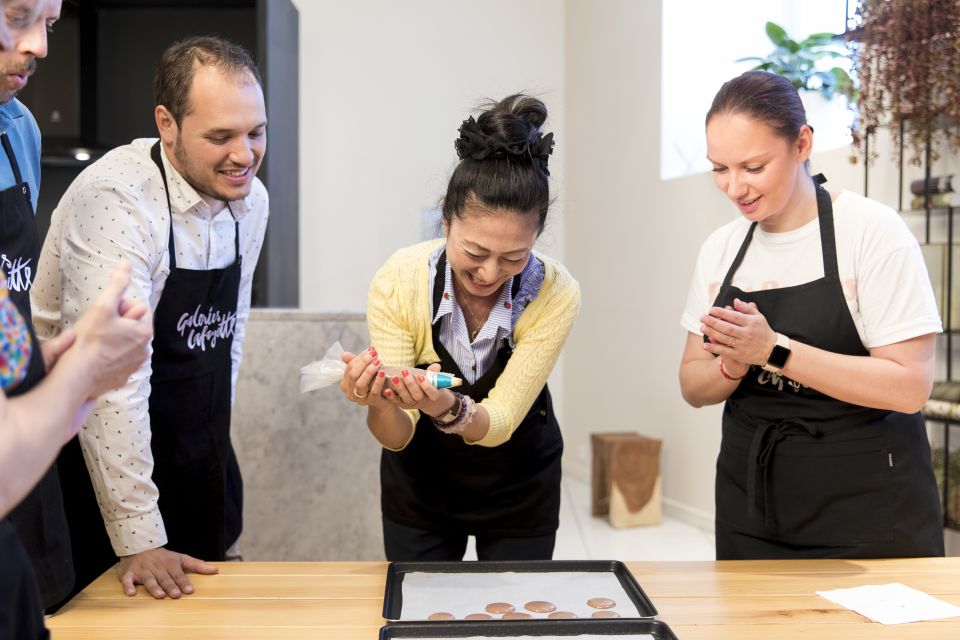
The schedule is tight, but it’s built around macaron reality. In most versions of the class, you won’t start every step from scratch at home-style speed. The chef typically handles parts like shell preparation through demonstration and/or using prepped components so you can still do meaningful hands-on work.
Here’s what you can expect during the class flow:
- Stage 1: Shells
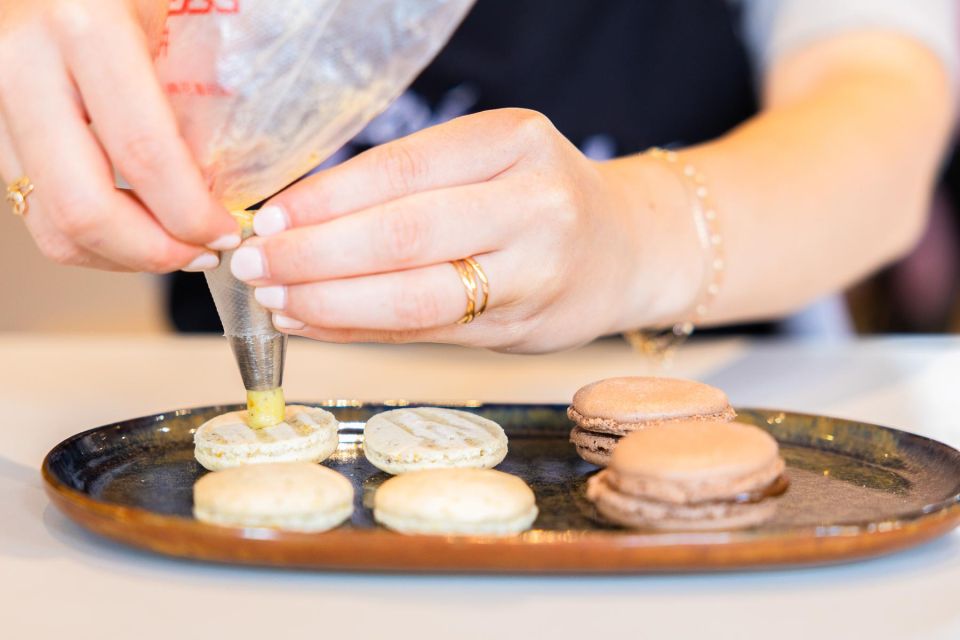
You learn what the shell batter should look like and how the process works. You may practice piping and work with materials that are already partly prepared, so you can focus on technique without losing time.
- Stage 2: Ganache
You work on the filling. A key win here is getting to make your own ganache rather than only assembling with pre-made filling.
- Assembly and finishing
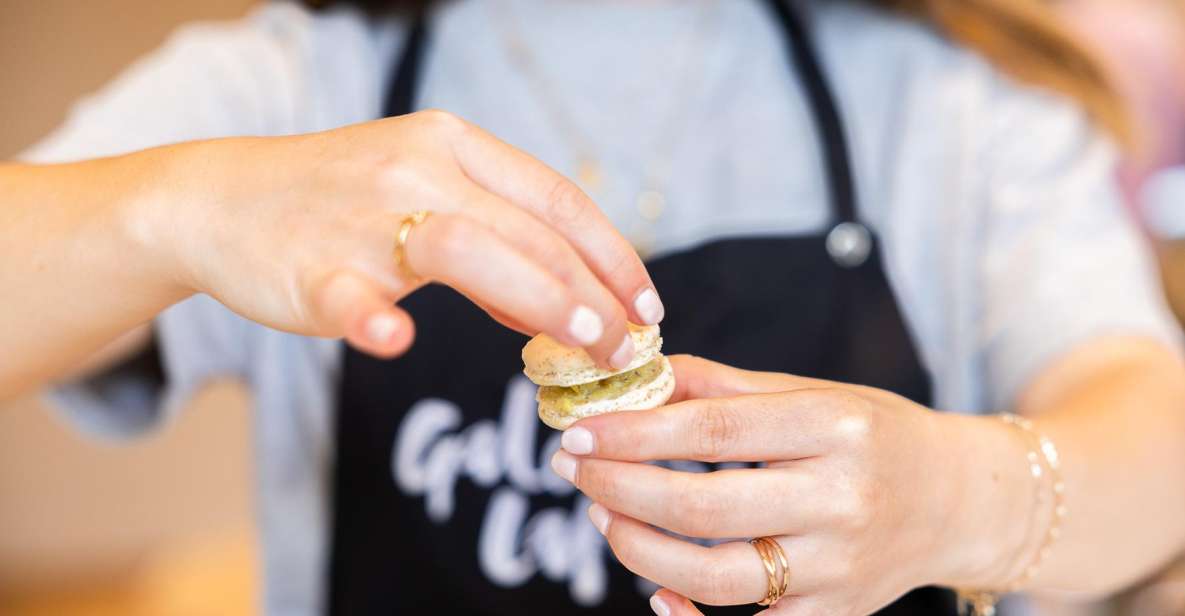
You learn how to pair shells and add filling, with the goal of creating macarons you can actually eat right away.
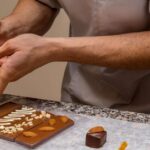
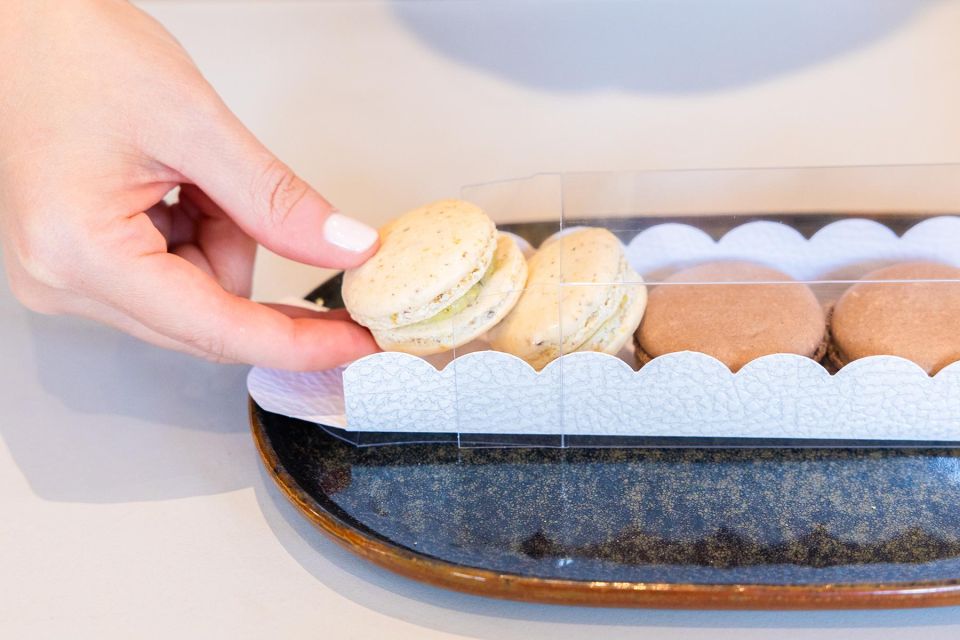
At the end, you’ll have at least 4 macarons to eat on the spot or take away. That’s a nice balance for different travel styles: you can enjoy them immediately like a sweet Paris pit stop, or you can package them to share later.
The chef’s macaron secrets: what makes or breaks the shell
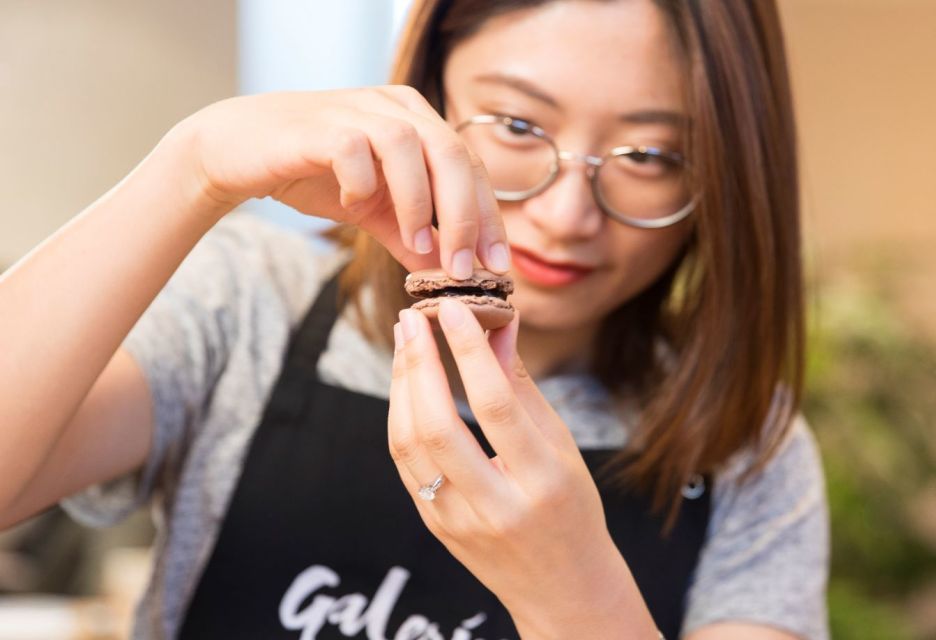
Macarons are famous for being temperamental. That reputation can scare people off, but it also makes the right kind of instruction valuable. The best part of this class is that you’re shown the process with a chef’s eye for the details that matter most.
From the way the lesson is taught, you’ll focus on:
- Texture and consistency cues for batter (what you should notice as you mix and pipe)
- Piping technique, including how to portion and shape shells so they bake more evenly
- Ganache balance, meaning how the filling should be handled once it’s made
- Assembly discipline, so the final macaron is properly matched and filled
Instructor Marie is specifically praised for being patient and involving everyone, which matters a lot when you have mixed skill levels in the same room. If you’re a total beginner, you’ll benefit from step-by-step pacing. If you’ve baked before, you’ll likely appreciate the chef’s tips that explain why certain choices work better.
And yes, you’ll get practical recipes to take home. That’s the real payoff. A class is fun, but recipes are what turn it into an ongoing hobby.
Flavors, ingredients, and allergens you should know before you book
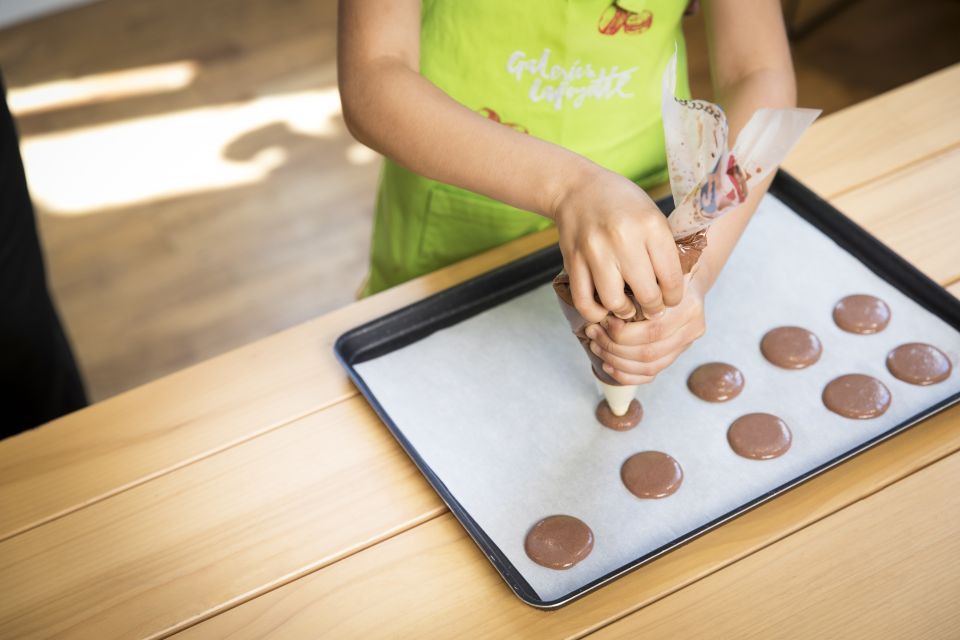
This class uses local organic produce for its macaron recipes, and you’ll see popular flavor combinations like chocolate and pistachio. That makes it a safe bet for most tastes, including picky eaters who want something classic instead of experimental.
One thing I strongly recommend: check the allergen list before you commit. The class lists allergens including egg, dairy, dark chocolate, almonds, and pistachios. If anyone in your group has allergies related to those ingredients, you’ll want to confirm suitability with the provider before showing up.
Also note that you’ll have time to sample what you make during the session. That tasting moment helps you connect technique with results. Instead of guessing whether your shells are on track, you can compare your work to what the chef is aiming for.






Who this macaron class is best for (and who might feel limited)
This is a great fit for people who want a structured, social activity that still teaches a real culinary skill. The class works well for:
- Couples looking for a romantic-but-practical Paris experience
- Families who want an activity kids can handle (especially on Wednesdays)
- Food lovers who enjoy learning the logic behind French baking
Because the group is shared and typically 4 to 16 people, you get interaction without feeling like you’re on a tour conveyor belt. The instructor helps everyone follow along.
That said, the time limit matters. Some steps may be partially handled by the chef (or delivered in a pre-prepped format) so the session can finish on schedule and still cover shells, ganache, and assembly. If you’re expecting to do every single macaron step start-to-finish with zero shortcuts, you might find the class more instructional than exhaustive.
It’s still worth booking if your goal is to learn the method and leave confident enough to repeat it at home.
Price and value: what $67 buys you in central Paris
At about $67 per person, you’re paying for more than ingredients. You’re paying for:
- Chef expertise in macaron technique
- Equipment and setup provided for a hands-on class
- At least 4 macarons to eat and/or take away
- 2 recipes so you can recreate the process later
- A central, easy-to-combine Paris location near major transit and major sights
Is it the cheapest thing you can do in Paris? No. But it’s also not just a tasting. This is a short course in a skill people usually learn through trial and error. If macarons are on your Paris bucket list, the chef-led tips are what make the money feel justified.
If you’re traveling with kids, it can also feel like a strong value: they get something physical to do, they take home a sweet outcome, and the class format includes specific parent-and-child sessions on Wednesdays (plus Sept. 19th).
Language and ID: small details that prevent last-minute confusion
The instructor speaks French and English, and the language setup has a clear pattern. From January 2024, sessions are in English, except for Tuesdays at 5pm, which are in French. So if language matters to you, check the session time before you book.
You’ll also want to bring an ID card or passport. That’s one of those simple requirements people forget until check-in time.
Equipment is provided, and the class is designed for mixed participants. You do not need to bring your own tools or baking background.
Should you book this Paris macaron class?
Book it if you want a hands-on Paris food experience with real technique. This class is especially appealing if:
- You want to learn shell and ganache basics from a French pastry chef (with instructor Marie being a standout name for clear, patient teaching).
- You like the idea of leaving with macarons and recipes, not just memories.
- You’re traveling with family and want a structured activity that fits kids on Wednesdays.
Skip it (or set expectations carefully) if you’re hunting for an ultra-deep, all-steps-from-scratch baking marathon. With only 1.5 hours, the chef has to manage time, so parts of the process may be demonstrated or partially prepped to keep everyone moving.
If you’re deciding between another food stop and this class, I’d choose the class. It gives you a skill you can use again, and that makes Paris feel less like sightseeing and more like learning.
FAQ
What is the duration of the macaron class?
The class lasts about 1.5 hours.
Where do I meet for the class inside Galeries Lafayette?
Meet at the Appartement Lafayette on the 3rd floor of the main store La Coupole, next to the (Re)Store area and the Concierge.
How many macarons will I make?
You’ll make at least 4 macarons, which you can eat on the spot or take away.
Are there child and parent sessions?
Yes. There is a French macaron class for parents and children every Wednesday (and also on Sept. 19th). Children must be aged 5 to 12 for the child/parent option.
What are the age requirements?
Participants must be over 13 years old. For the child/parent option, children must be between 5 and 12.
What languages are offered?
The instructor uses French and English. From January 2024, sessions are in English except Tuesdays at 5pm, which are in French.
What allergens are listed for this class?
The allergens listed are egg, dairy, dark chocolate, almonds, and pistachios.