REVIEW · PARIS
Paris: French Macaron Culinary Class with a Chef
Book on GetYourGuide →Operated by Ateliers Parisiens · Bookable on GetYourGuide
Macarons seem hard, but this class makes them doable. In 150 minutes at Maison Fleuret, you’ll learn the core steps behind that crisp shell and chewy-smooth filling, with small group coaching that keeps things practical. I like that the vibe stays friendly, even when the technique requires focus, and the results feel like you actually earned them.
Two standout things I’d highlight: first, you work through meringue and then ganache rather than just watching someone else do it. Second, you leave with a box of macarons you helped craft, which turns the lesson into something you can share that same day. The main drawback to consider: if you already bake a lot, you may want more advanced troubleshooting than the class typically offers.
In This Review
- Key Highlights You’ll Care About
- Finding Maison Fleuret and Your Pace in a Small Group
- The Step-by-Step: Meringue and Ganache Like a French Pastry Team
- Building That Classic Crisp Shell and Soft Center
- Choosing Flavors, Colors, and Actually Enjoying It
- What You Take Home: A Box of Macarons (and Real Share-Value)
- English Instruction and Who This Class Fits Best
- Value in the Real World: Why This Class Feels Worth It
- Should You Book This Paris Macaron Workshop?
- FAQ
- Where is the meeting point?
- How long is the macaron class?
- Is the class taught in English?
- How big is the group?
- What’s included in the price?
- What’s not included?
- Will I take macarons home?
- Is there free cancellation?
- Can I reserve without paying right away?
- Is the workshop wheelchair accessible?
Key Highlights You’ll Care About
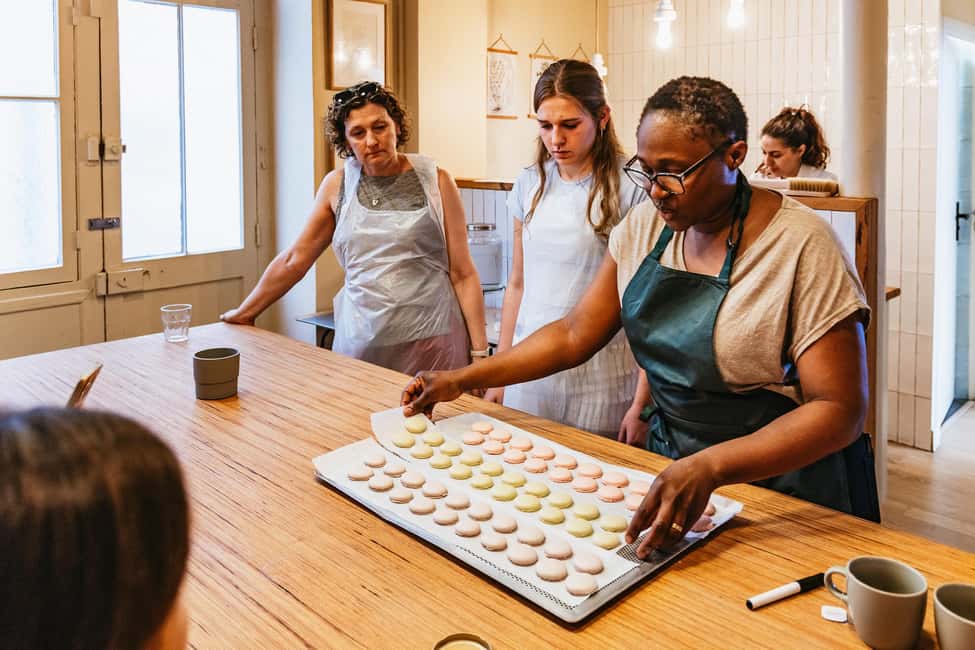
- Hands-on meringue work guided by an English instructor
- Ganache-making steps explained clearly, not guessed
- Crisp shell + soft center is the goal, and you’ll practice the process
- Small group size (up to 6) means more one-on-one help
- Flavor and color choices can be part of the fun, including multi-color macarons
- Take-home box so your effort doesn’t disappear after the session
Finding Maison Fleuret and Your Pace in a Small Group
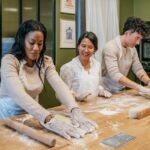
This isn’t a big, conveyor-belt cooking show. The whole experience is designed around a tight group size (limited to 6), which matters for macarons because small details add up fast. When the chef can see your batter and pipe count in real time, you waste less time fixing the same issue over and over.
Meeting point is simple: meet at the scheduled time in front of the grey door at Maison Fleuret School. It’s also exactly the kind of detail that helps you avoid the classic Paris problem of standing on the sidewalk looking confused while everything starts without you. Once you’re in, you’ll meet the other participants before the chef starts instruction.
What I like about this setup is the tone. Even in reviews mentioning families with kids, the workshop is described as organized and supportive. If you’ve never piped anything before, that’s a relief. If you’ve made macarons before but had them fail, it’s also useful—you get a chance to compare what you did at home with what the chef is training you to do here.
One practical consideration: a couple of people reported the class finishing around 1 hour 45 minutes instead of 2.5 hours. So don’t panic if your schedule looks like it might free up a little early. Just plan around the listed 150 minutes so you stay stress-free.
You can also read our reviews of more tours and experiences in Paris


The Step-by-Step: Meringue and Ganache Like a French Pastry Team
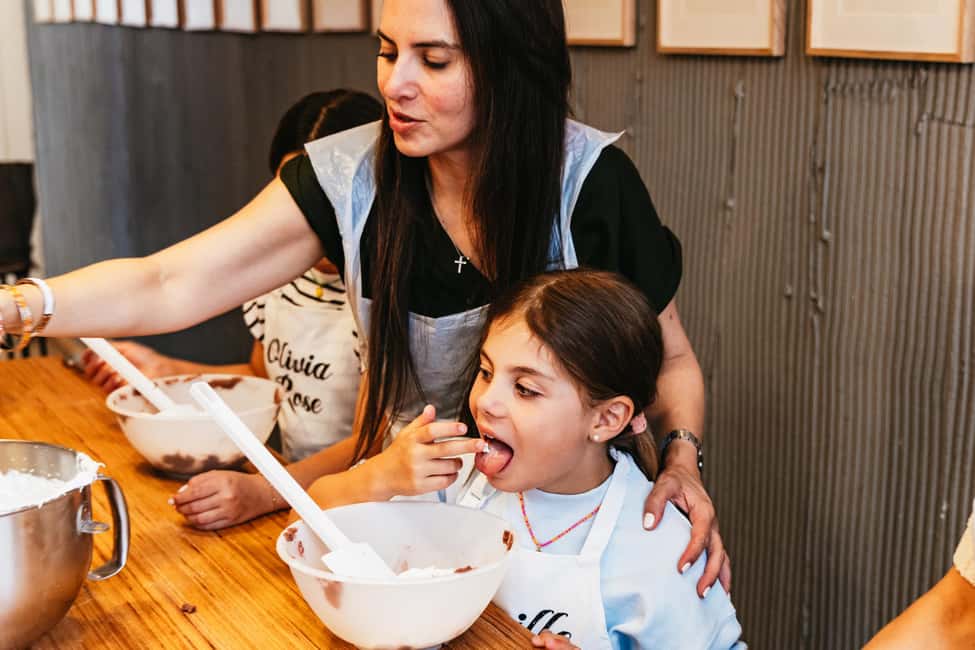
The class is built around two big skills: meringue and ganache. That pairing makes sense because a macaron is basically two systems working together. One part is structural and texture-driven (the meringue-based shell). The other is flavor-driven and balance-driven (the filling).
You’ll start with the meringue and learn what the chef wants you to see—how it changes as you mix and how to know you’re not just doing motions, but hitting the right consistency. This matters because macarons are famous for being finicky. A shell batter that’s off by even a little can lead to cracked tops, hollow insides, or a chewy outer layer that never quite firms up the way you want.
Then comes ganache-making. This is where many cooking classes stop short. Here, you get guided technique for the filling rather than a generic suggestion like stir and hope. Ganache also helps you understand what “right” means: smooth, well-mixed, and ready to use when you assemble.
From reviews, the instruction style is a big reason people loved it. Names that show up often in past class experiences include Alice, Delphine, Matteo, Christian, William, and Amélie. Different instructors, same payoff: clear explanations plus hands-on correction so you can adjust while it’s still fixable.
Building That Classic Crisp Shell and Soft Center
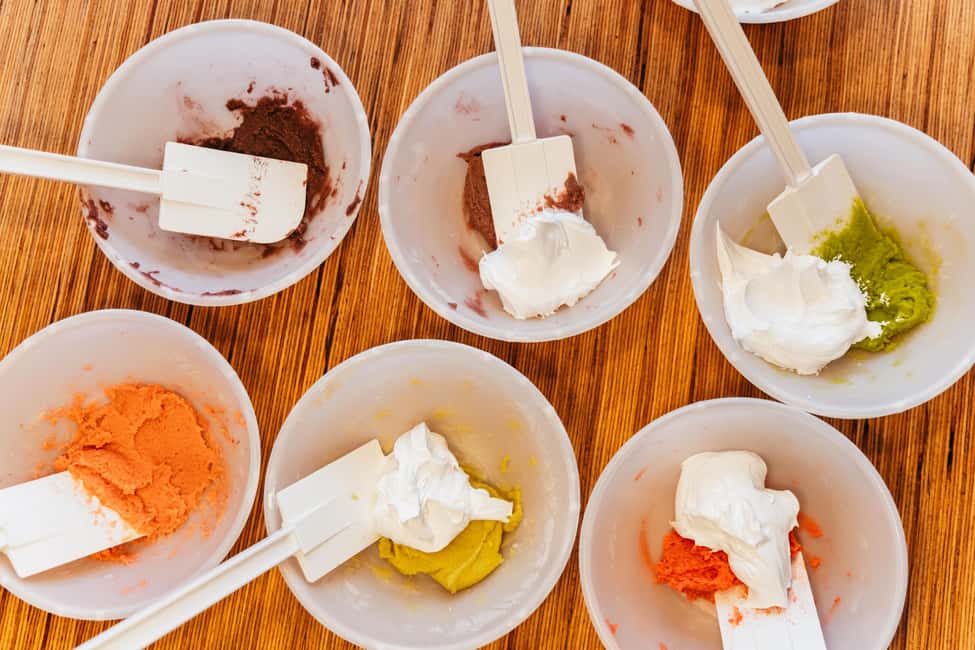
If you’ve eaten French macarons in Paris, you know the magic: a lightly crisp shell that gives way to a softer interior. The chef’s lesson aims at exactly that “crack in the top, tender bite underneath” texture.
In the workshop, you’ll practice the full macaron-making workflow—from preparing the shell batter to assembling the final cookie. The key point is not just end result. You’ll also learn how the process leads to that final texture, including what to look for while you’re working.
What makes this valuable for you is confidence. A lot of people fail at macarons at home because they only learn recipes. Here, you’re learning method. And method is what helps when you’re dealing with your own kitchen variables like humidity and oven behavior.
You’ll also get direction on the outer shell quality. That’s why the class is worth doing even if you’re tempted to buy macarons and call it a day. Learning how to chase that crisp shell (and avoid shells that stay soft or collapse) is the difference between a one-time success and a repeatable skill.
Choosing Flavors, Colors, and Actually Enjoying It
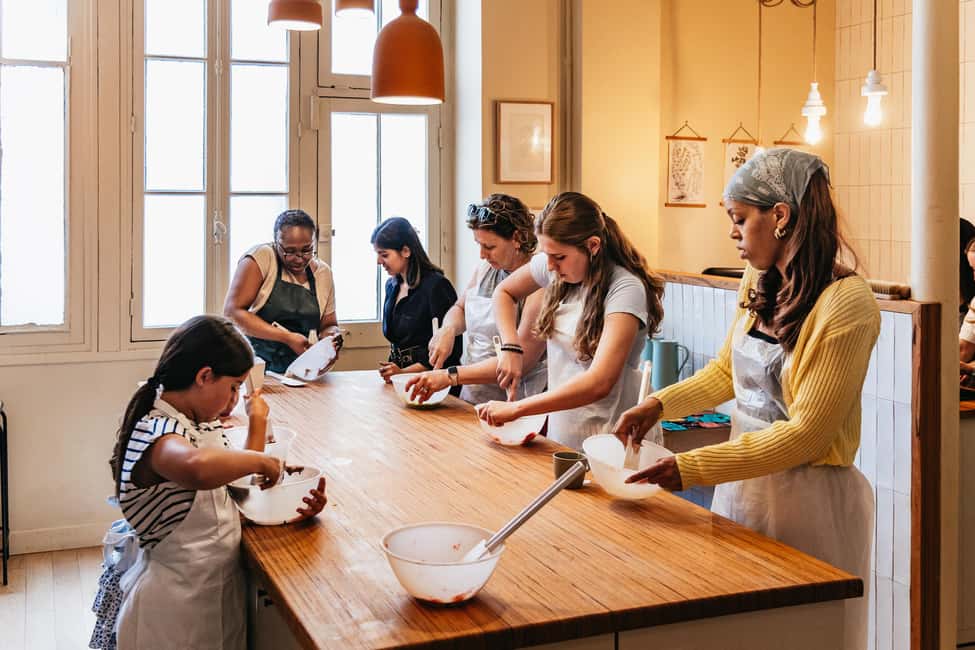
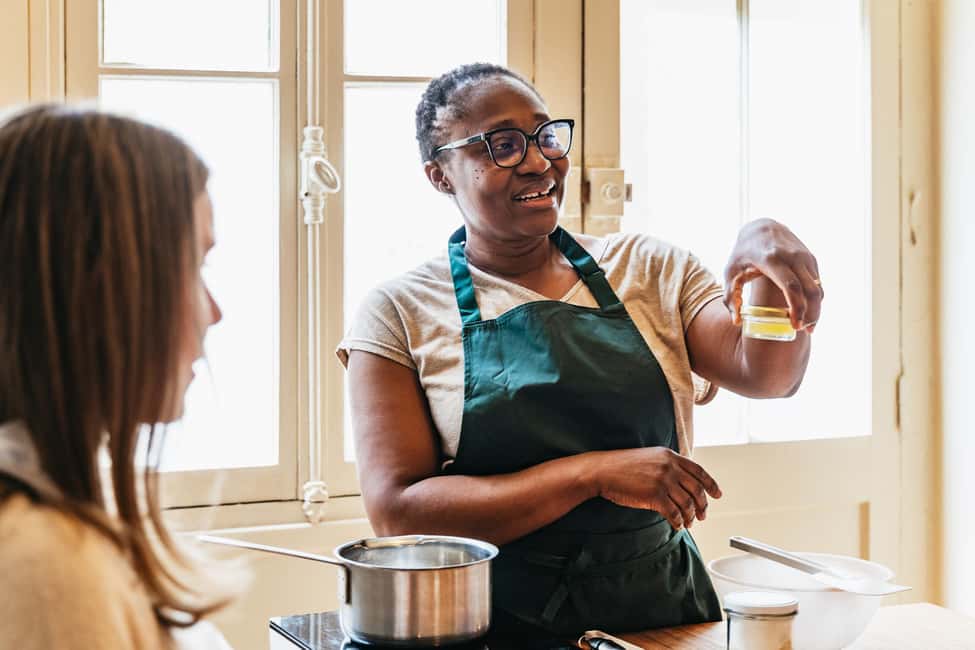
Macarons are serious pastry work, but the workshop doesn’t treat you like you’re in a lab with no joy. A lot of the positive energy in reviews centers on the chef’s personality—fun, upbeat, and helpful—plus the fact that you’re in a room with other people who are also learning.
Several reviews mention flavor and color choices. Some people reported making multi-colored macarons, which is a fun way to see how your shell texture holds up when you’re working on different batches. It’s also a good reminder that technique matters more than aesthetics. You can’t count on color to save a batter that’s off.
Family groups also show up in the feedback. One parent described kids as young as 5 or 6 participating and producing macarons that looked and tasted great, not just the usual “we had fun” outcome. If you’re bringing teens or younger kids, expect the chef to keep things interactive and manageable, especially in a small group setting.
One more note: a small number of reviews mention the room can be a bit loud. If you’re someone who needs quiet for detailed instruction, you might want to keep that in mind and focus on how you learn best (watching the chef, asking questions, and taking breaks between steps if needed).
What You Take Home: A Box of Macarons (and Real Share-Value)
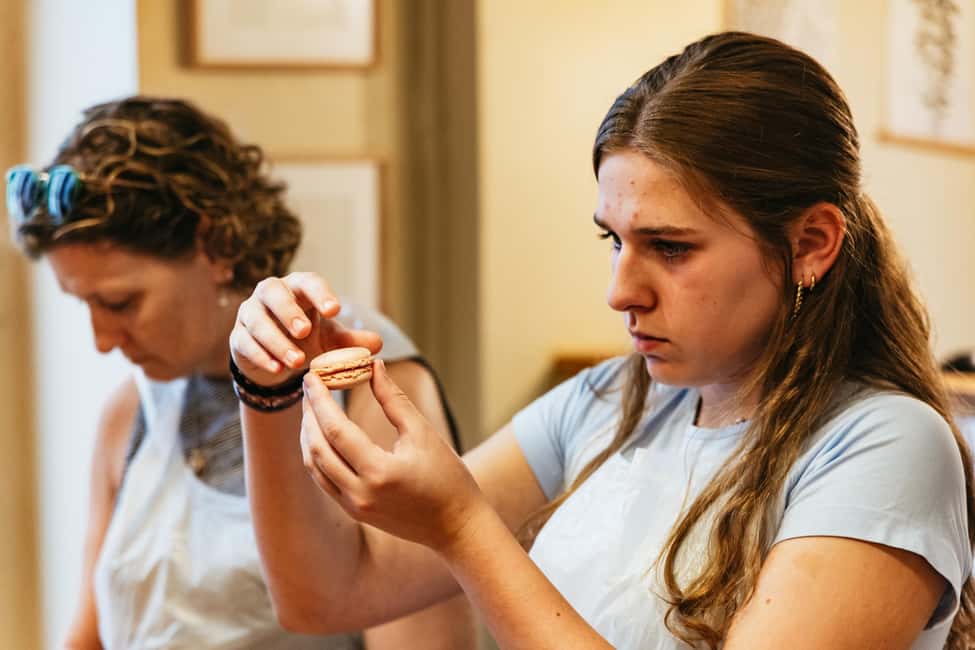
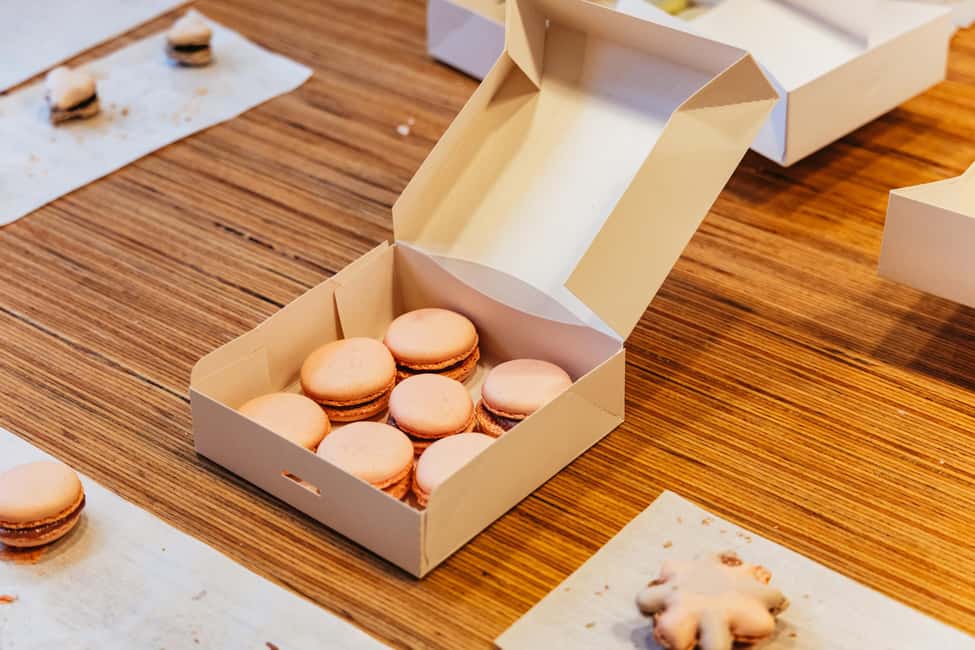
The class includes a box of macarons made during your session. That sounds obvious until you think about why it matters. Many cooking classes teach technique, but you still end up with leftovers for one meal. Here, you can bring them home, share them the same day, or wrap them for later.
Transport is also part of the real-life experience. One review mentions carrying the box back to the UK without a disaster, even with heat melting issues avoided so the macarons stayed enjoyable for the family. That’s not something you can test at home until you’re already holding the delicate cookies, so leaving with a box you didn’t have to assemble yourself at the end is a practical win.
Also, the class is described as hands-on and organized enough that people often feel proud of what they produced. Some mention getting enough macarons to eat later in the week, and others mention each person making a dozen plus a couple extra. Even if your exact yield varies slightly, the consistent message is: you get a real take-home payoff.






English Instruction and Who This Class Fits Best
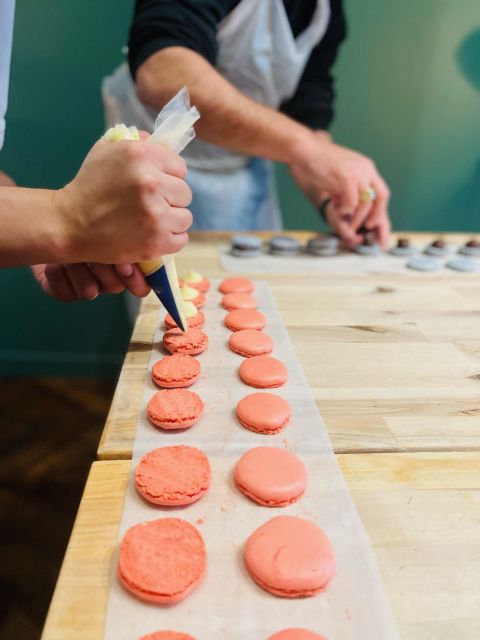
The instructor language is English, and the workshop is described as welcoming in a multilingual way too. One review specifically praised an instructor who spoke in both French and English, which helps if you want to pick up a few pastry terms while you learn.
This class works especially well if you:
- Want a guided path into French baking without guessing
- Have tried macarons once and want a method reset
- Are traveling with people who love food and enjoy interactive activities
- Prefer small-group instruction over crowded group cooking
It also fits beginners surprisingly well. Many reviews emphasize that people with no baking background felt comfortable and left with confidence to try again at home. If you’re an experienced baker, you’ll still get value from technique coaching—but remember the drawback I mentioned earlier. One review suggested the class may not go far enough for advanced needs. So for experts, think of it more as a refined fundamentals session than an R&D bakery day.
Wheelchair accessible is listed, which is helpful when you’re planning an activity that needs real physical accessibility, not just a polite entrance.
Value in the Real World: Why This Class Feels Worth It
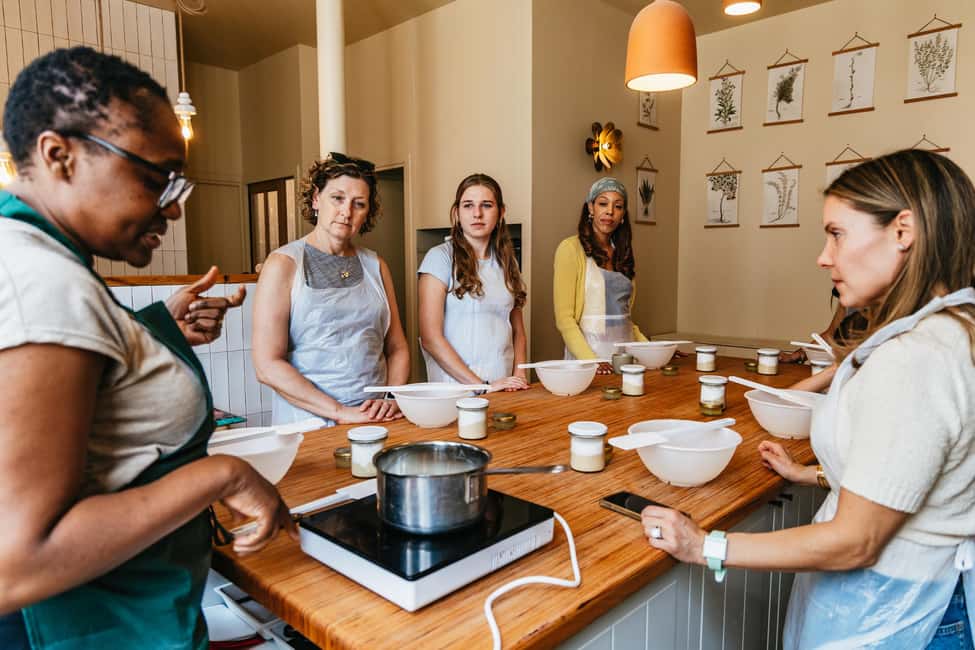
No price is provided here, so I can’t do a direct cost comparison. What I can say is the value is built into what you receive.
You get:
- Chef instruction on the exact techniques that usually make macarons fail (meringue and ganache)
- A structured session long enough to practice rather than rush
- A box of macarons you made, so your learning has an edible finish
And the small group limit matters for value because it’s what turns a cooking class into coaching. If you’re trying to learn a finicky pastry, time spent piping and correcting batter is far more useful than time spent listening to general pastry talk.
Also, the class time (150 minutes) is a good length for a travel day. It’s long enough to learn, but not so long that it eats your entire afternoon.
Should You Book This Paris Macaron Workshop?
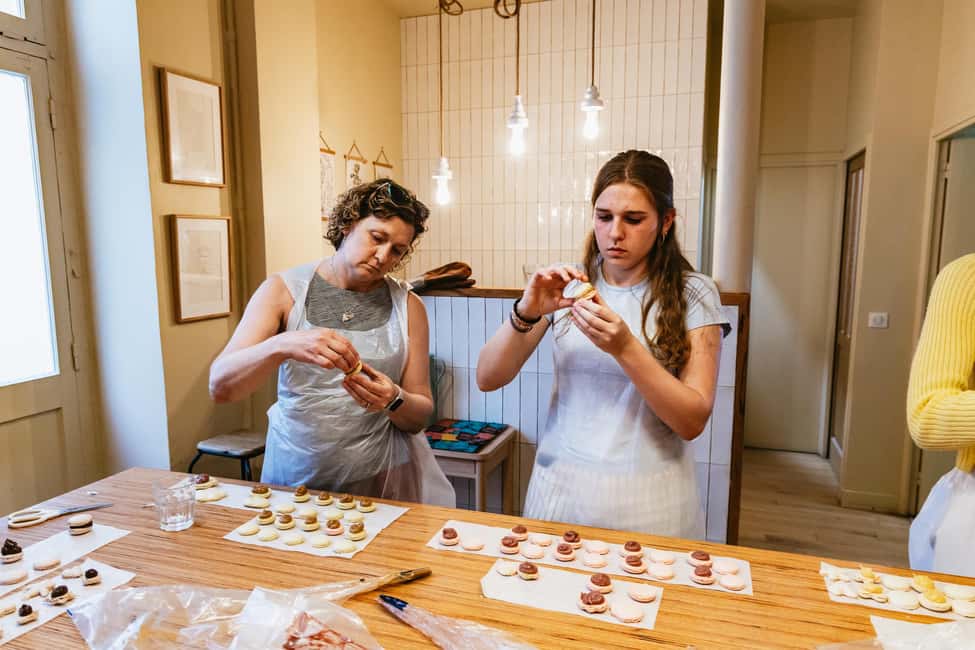
I’d book it if your goal is learning the real macaron mechanics with human help. The combination of meringue training, ganache instruction, small-group support, and a take-home box makes it a practical food experience, not just a souvenir activity.
Skip it only if you’re already a deep macaron specialist looking for advanced theory and troubleshooting. Otherwise, this is a friendly, organized way to leave Paris with a skill and not just a bag of pastries.
FAQ
Where is the meeting point?
Meet at the time of your reservation in front of the grey door at Maison Fleuret School.
How long is the macaron class?
The class duration is listed as 150 minutes.
Is the class taught in English?
Yes, the instructor is listed as teaching in English.
How big is the group?
The class is a small group limited to 6 participants.
What’s included in the price?
Included items are the macaron cooking class, a chef instructor, and a box of macarons.
What’s not included?
Hotel pickup and drop-off are not included.
Will I take macarons home?
Yes, you receive a box of macarons carefully crafted during the lesson.
Is there free cancellation?
Yes, free cancellation is offered up to 24 hours in advance for a full refund.
Can I reserve without paying right away?
Yes, the option to reserve now & pay later is available.
Is the workshop wheelchair accessible?
Wheelchair accessibility is listed for this activity.