REVIEW · PARIS
Paris: French Croissant Baking Class with a Chef
Book on GetYourGuide →Operated by Ateliers Parisiens · Bookable on GetYourGuide
Butter, folds, and real Paris pastry technique. This Maison Fleuret class is interesting because you’re not just watching pastry happen, you’re learning how laminated dough actually turns into those flaky layers. I love the small group feel (you get real coaching) and the way the chef teaches technique you can repeat at home. The main consideration is the price: at $159 per person, it’s a splurge, so pick the class if croissants are truly a priority for you.
You’ll spend about 150 minutes in the studio space on the Left Bank, learning step-by-step and leaving with a stash you can eat later. It’s also a great rainy-day fit since you’re in a warm kitchen classroom, not outdoors wandering for hours.
In This Review
- Key moments that make this class worth your time
- Where you start: 3 Rue des 3 Portes and the Left Bank vibe
- Maison Fleuret Ateliers Parisiens: a real kitchen school feel
- The heart of the class: laminated dough and the croissant “why”
- Chocolate croissants and chocolate snails: more than one trick
- Learning from chefs: what their teaching style does for you
- What you take home: breakfast you don’t have to plan
- Price and value: does $159 make sense for you?
- Who should book this croissant class (and who might skip it)
- Should you book this croissant class?
- FAQ
- Where is the class located?
- How long is the croissant baking class?
- Is the instructor fluent in English?
- What is the group size?
- What’s included in the price?
- Is hotel pickup provided?
Key moments that make this class worth your time
- Small group limit of 8 means less waiting and more one-on-one corrections
- Laminated dough practice so you understand what creates the flaky layers
- French pastry chefs leading in English so you don’t lose details
- Croissants plus chocolate pastries (including chocolate versions like pain au chocolat) for variety
- Take-home results, not just a quick bite during class
- Hands-on guidance from chefs such as Felix, Guillaume, Erika, Alice, and others who’ve taught here
Where you start: 3 Rue des 3 Portes and the Left Bank vibe
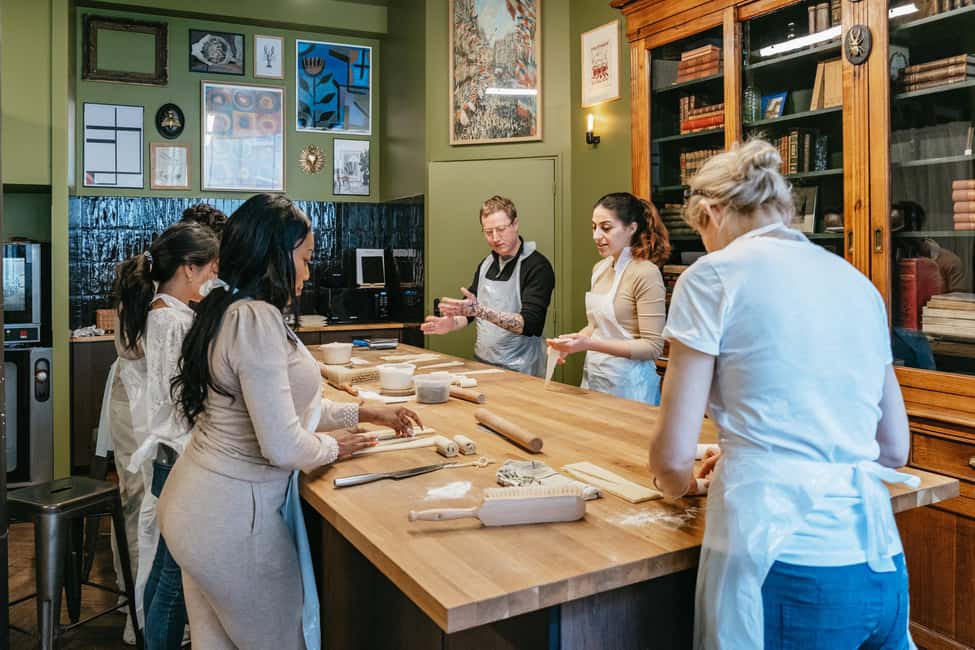
Your experience begins at 3 Rue des 3 Portes in Paris. This matters more than you might think: the meeting spot puts you in the classic Left Bank rhythm where you can tack on a short walk before or after your class.
The school space (Maison Fleuret Ateliers Parisiens) is on the Left Bank, and it’s in an area people associate with major landmarks like Notre-Dame nearby. That’s handy because even if your morning starts with a croissant mission, you can still build in an easy sightseeing loop around it. If you’re the type who likes to do something meaningful early, this class fits that style well.
One more practical note: hotel pickup and drop-off aren’t included. So plan to get yourself there by metro, taxi, walking, or whatever works for your itinerary.
You can also read our reviews of more cooking classes in Paris
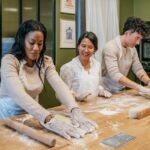
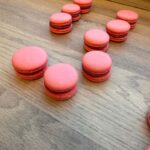
Maison Fleuret Ateliers Parisiens: a real kitchen school feel
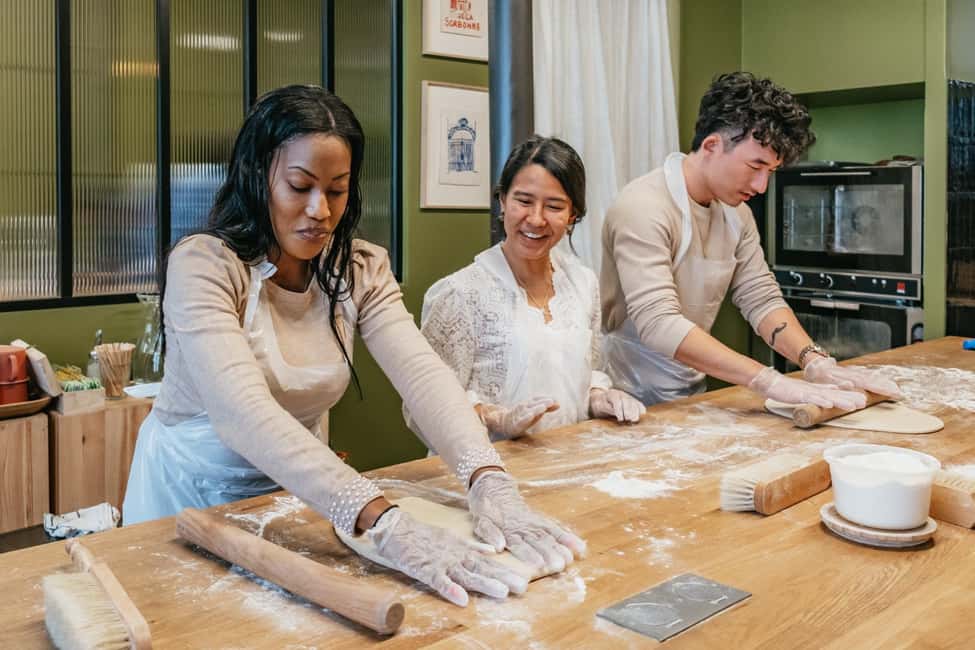
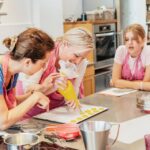
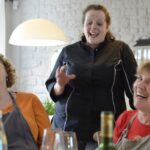
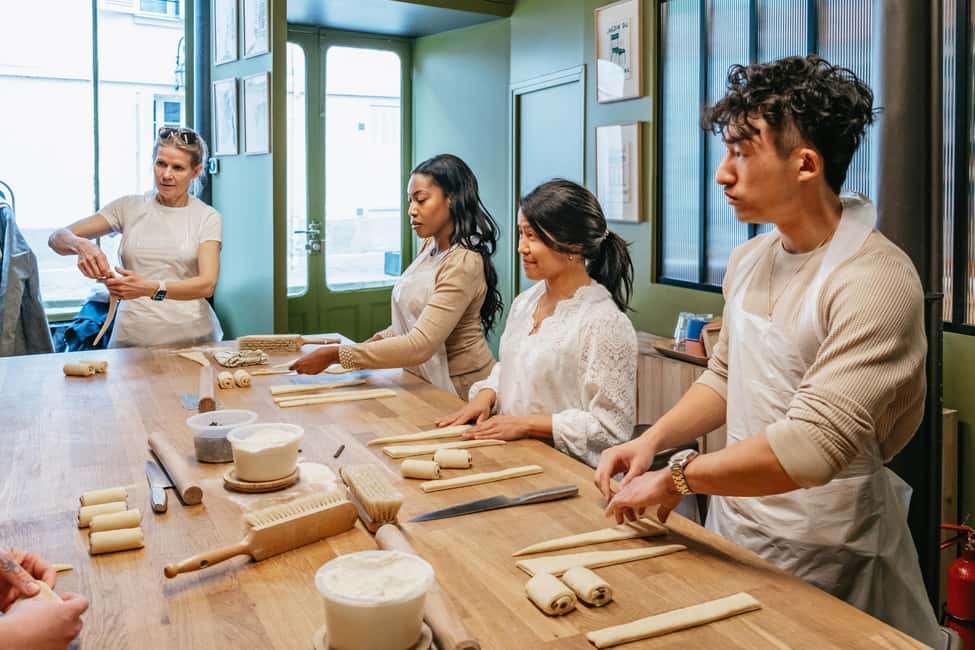
This isn’t a pop-up demo. You’re stepping into a pastry school studio, with that French-residence-style charm described as warm, familiar, and not overly staged. The atmosphere is part of the value: when you’re about to work with butter at the right temperature, you want a space that feels calm and professional.
What you’re also paying for is structure. The class is set up so you learn the technique in a logical order, with an instructor on hand to guide you. And because the group size is capped at 8 participants, it’s much easier to ask questions and get specific fixes instead of generic advice.
In terms of communication, the instructor is English-speaking, which is a big deal for pastry technique. Croissant baking is the kind of skill where one misinterpreted instruction can mean your dough won’t behave. Here, the language support helps you keep pace.
The heart of the class: laminated dough and the croissant “why”
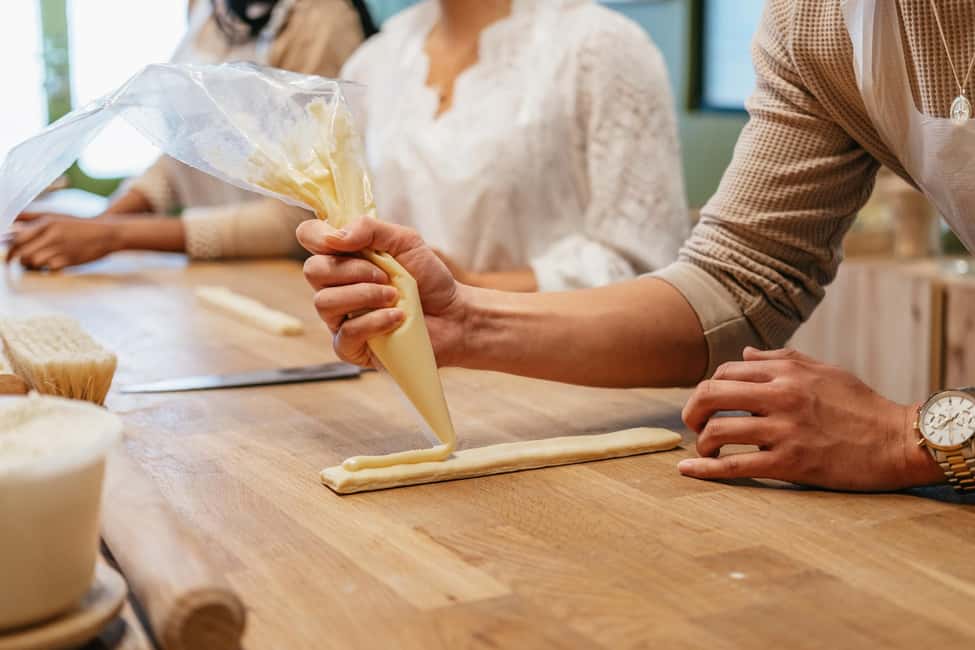
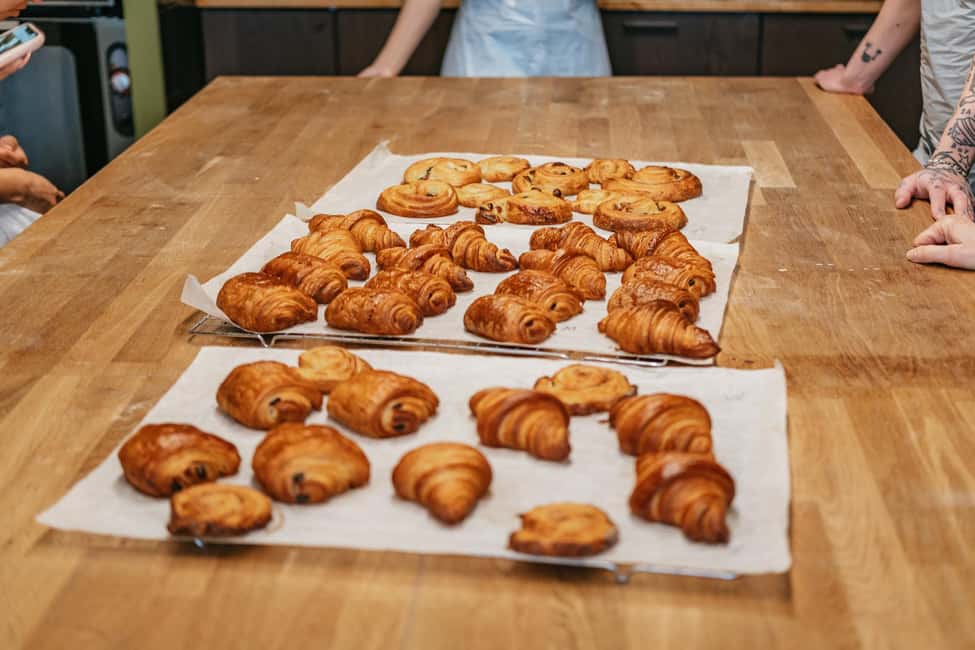
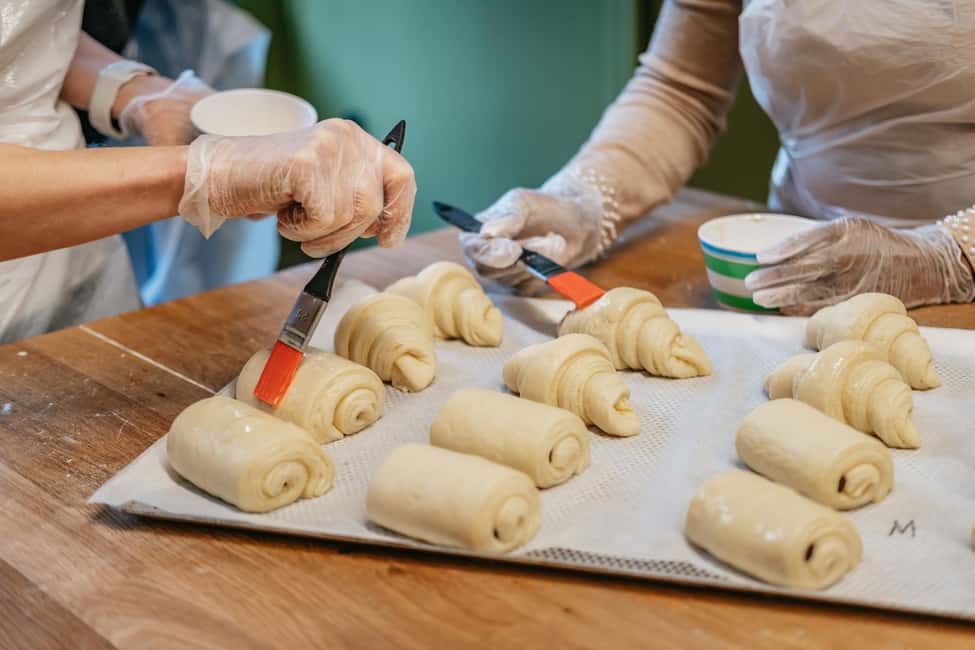
The main event is French croissant-making, taught through hands-on practice. The core of the class is how to make buttery puff pastry into proper croissant layers. If you’ve ever tried making croissants at home, you already know the frustrating part: it’s not that the recipe is hard to read, it’s that the process has timing, temperature, and handling rules.
In this class, you learn the “rules” in a practical way. You work through the steps that shape the dough and folds, then you learn how to handle the dough so you end up with that signature texture: crisp outside, tender layers inside.
You’ll also hear the logic behind the technique, including why croissants became a Paris staple. The class includes a bit of history, with the idea that croissant popularity took off in the early 20th century among Parisians and the French. That context helps the baking feel less like a random challenge and more like you’re participating in a real food tradition.
Chocolate croissants and chocolate snails: more than one trick
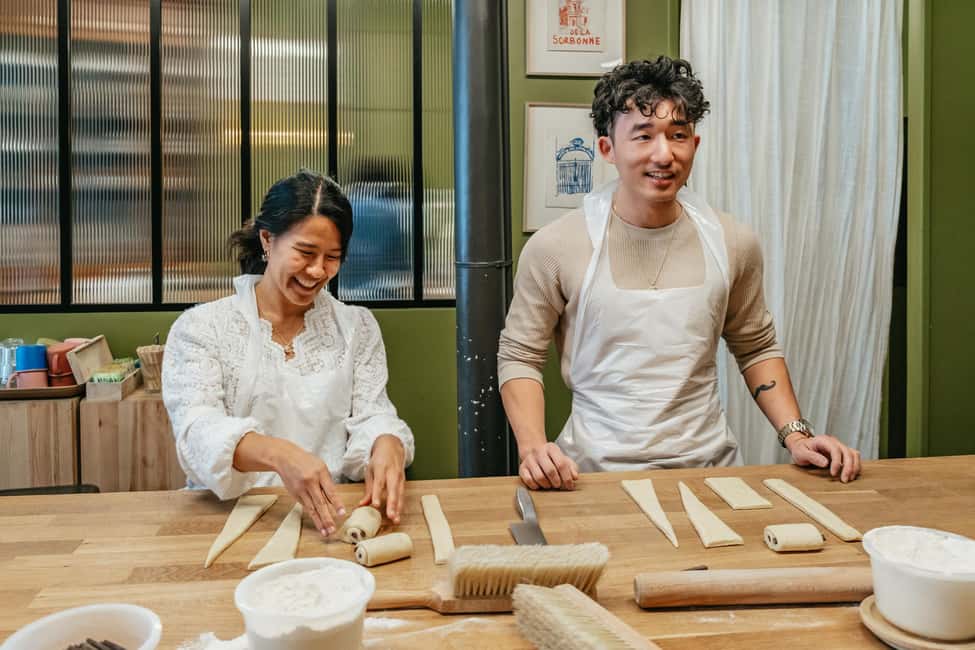
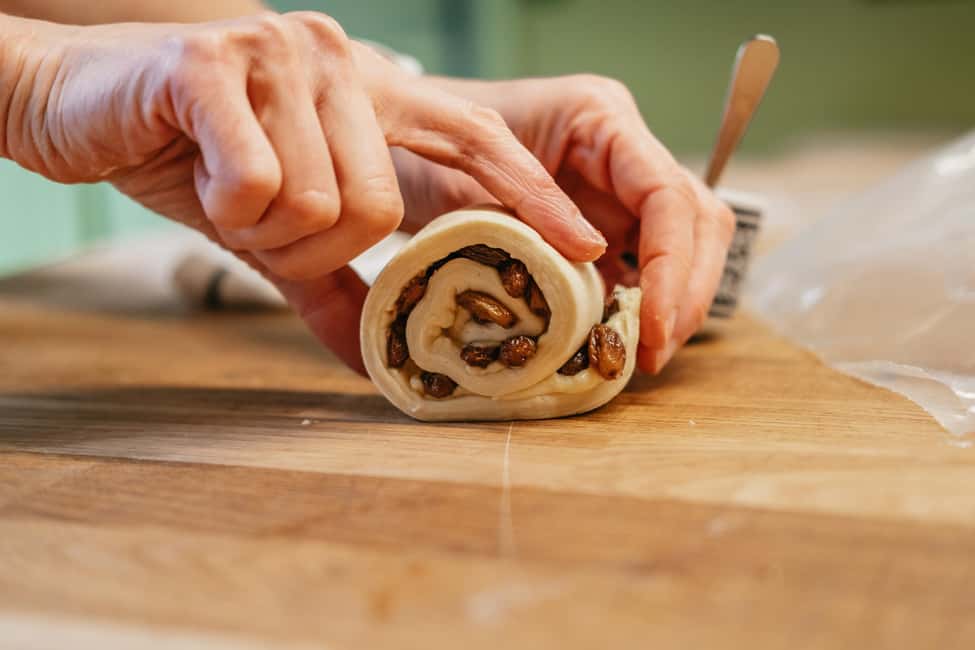
Croissants are the headline, but the class also branches into chocolate pastries. The experience specifically mentions crafting chocolate croissants and chocolate snails (often known as escargots, with chocolate filling).
Why this is a smart setup: it keeps your session from turning into a one-size-only lesson. You’ll practice the dough craft, then apply it to a couple of shapes and filling styles. That gives you more variety when you take the results home, and it helps you see how the same base technique can create different pastries.
If you’re someone who already knows you like chocolate pastries (pain au chocolat is repeatedly mentioned in class feedback), this portion is a morale booster. You finish class with more than one item to enjoy, and that matters when you’re paying for a hands-on experience.
Learning from chefs: what their teaching style does for you
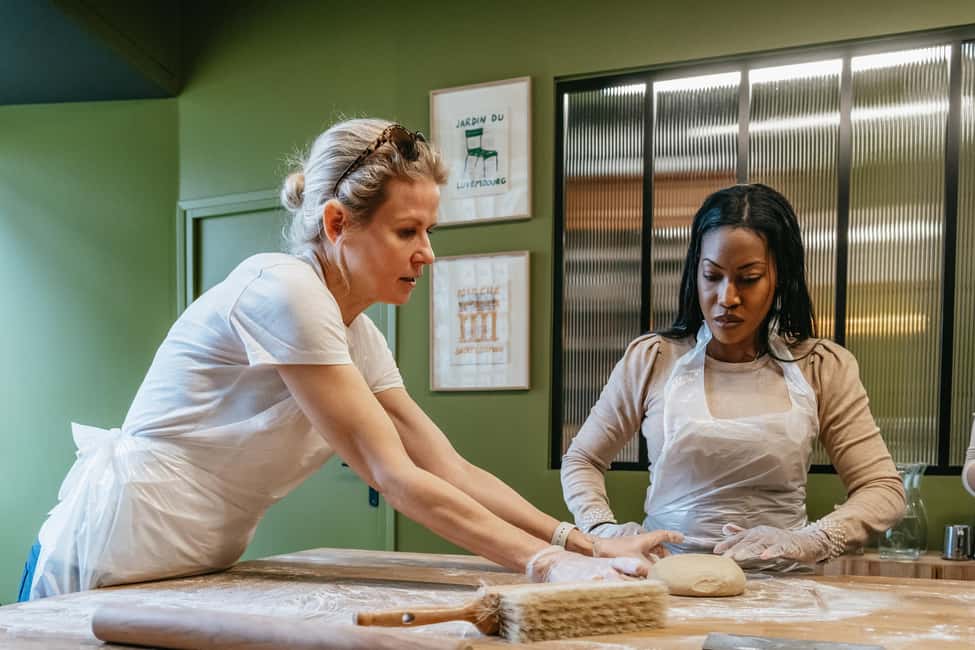
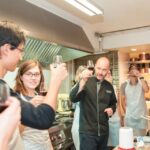
One thing that comes through strongly is instructor quality. Chefs and pastry instructors who have led classes include Felix, Guillaume, Erika, Alice, Lauren, Leslie, Ke, Selma, Ines, and Manel. Different personalities, same goal: clear guidance and professional baking technique.
Here’s what you should watch for when you’re in the room:
- Step-by-step coaching while you’re actively working, not after the fact
- Corrections that focus on what affects the dough (handling, timing, and structure)
- A friendly pace that keeps first-timers from falling behind
Even if you’re an experienced cook, croissants are their own category. You’ll likely leave class with a better sense of how professionals think about dough behavior, not just what to do.
You can also read our reviews of more tours and experiences in Paris




What you take home: breakfast you don’t have to plan
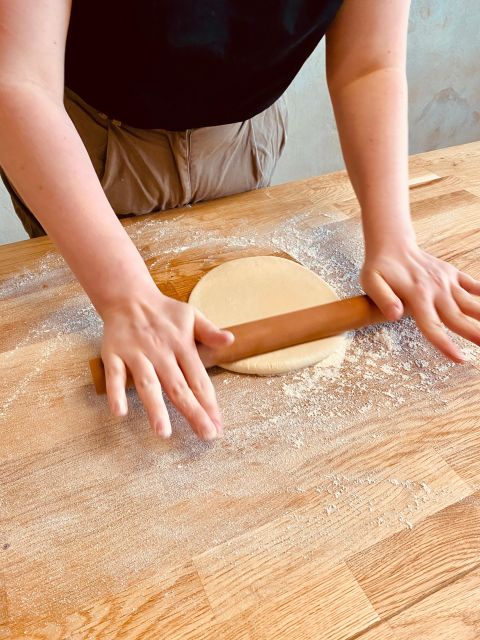
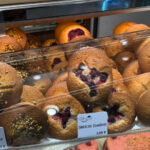
A big part of the value here is that you take away what you make. Classes include you producing a lot enough to bring pastries home, and many people use them as the basis for breakfast for the next day or two.
That affects how you should plan the rest of your trip. If you’re doing this early in your stay, you can treat the class as part baking lesson, part food souvenir. It’s also a good move if you want to skip a big pastry tour later and just buy a few extra items to compare.
You should also expect the pastries to be fresh from the effort you put in. The class is designed as a practical cooking workshop, so the eating part isn’t separate from the learning. You learn, you taste what you’re making, and you leave with something real.
Price and value: does $159 make sense for you?
At $159 per person, this class is pricey compared with basic food tours. But it’s not overpriced if you look at what’s included and what you’re gaining.
You’re getting:
- A full 150-minute hands-on cooking workshop
- A chef instructor and cooking equipment
- Small-group teaching (max 8), which reduces the “crowd factor”
- Technique you can repeat at home, not just a sample tasting
- Take-home pastries you made yourself
So the real question isn’t whether it’s expensive. It’s whether croissants are a “learn-to-do” goal for you. If you’re into baking, or if you want a memorable cooking skill tied to the Paris food identity, the cost is easier to justify.
If you mostly want to eat your way through Paris with minimal prep, you might prefer a tasting-focused activity instead. But if you want to bring the craft home, this is the kind of class that can pay off in the form of skills and future baking weekends.
Who should book this croissant class (and who might skip it)
This class fits best if you:
- Love croissants and want to understand the technique behind the layers
- Want a hands-on Paris food experience rather than a walk-and-sample tour
- Appreciate small groups and direct instruction
- Are traveling with teens or family members who enjoy cooking projects
- Prefer indoor plans that still feel very “Paris”
It may be less ideal if you:
- Think croissants are just something you snack on, not something you’ll practice
- Don’t want to handle dough steps at all (this is a real working class)
- Are looking for a bargain morning activity
Also, one small practical heads-up: at least one person noted not getting water or coffee like other classes. I’d treat that as a reason to plan your own timing and, if you’re the type who hates waiting thirsty, consider bringing a water bottle to stay comfortable.
Should you book this croissant class?
If croissants are on your Paris must-eat list, book it. The combination of small-group instruction, full technique coaching for laminated dough, and take-home results makes it more than a novelty class. It’s the kind of experience that turns Paris food into a real skill you can reuse.
I’d especially say yes if you’re visiting at a time when rain or cold makes outdoor plans less fun. Being in a professional kitchen classroom keeps the whole experience comfortable and focused.
Book it if you want the craft. Skip it if you only want the tasting.
FAQ
Where is the class located?
The class takes place at Maison Fleuret Ateliers Parisiens on the Left Bank. The meeting point is 3 Rue des 3 Portes.
How long is the croissant baking class?
The class duration is 150 minutes (about 2.5 hours).
Is the instructor fluent in English?
Yes. The instructor is listed as English-speaking.
What is the group size?
It’s a small group experience limited to 8 participants.
What’s included in the price?
Included are the cooking class itself, cooking equipment, and a chef instructor.
Is hotel pickup provided?
No. Hotel pickup and drop-off are not included.