REVIEW · PARIS
Paris: Montmartre Small Group Guided Walking Tour
Book on GetYourGuide →Operated by Exploring Tours and Services · Bookable on GetYourGuide
Montmartre feels personal when you travel with only eight. This guided walk turns Sacré-Cœur and the artist streets into a clear, human story, not a rushed checklist. I love the expert guide storytelling and the small-group pace that leaves room for questions. You’ll also get time in the quieter corners behind the famous postcard spots.
The one possible drawback: it’s still Montmartre. Expect a hill climb and plenty of walking on uneven streets, and the route is not set up for wheelchair users or people with mobility issues.
In This Review
- Key takeaways before you go
- Montmartre with room to breathe: small group value
- Starting at Anvers: the hill that sets the tone
- Sacré-Cœur Basilica: what to look for beyond the postcard
- Place du Tertre: where the artists perform for your eyes
- Vineyards, Lapin Agile, and Montmartre’s more playful side
- Picasso and Van Gogh street-level connections
- Dalida statue, Le Bateau-Lavoir, and Abbesses stops
- Moulin Rouge area: finishing at the base of the hill
- Price and what $74 actually buys you
- Weather, timing, and how to get the best photos
- Who should book this Montmartre walking tour?
- Should you book? My take
- FAQ
- Where does the tour start?
- How long is the walking tour?
- How big is the group?
- What languages are available?
- Is this tour wheelchair accessible?
- Is food or the funicular included?
- Can I get a refund if plans change?
Key takeaways before you go
- Meet at Anvers (Line 2) right outside the metro, with a GetYourGuide sign
- Sacré-Cœur plus city views as you work your way up the hill
- Place du Tertre explained with context about the artists who made it famous
- Vineyards and cabarets like Lapin Agile and Moulin de la Galette, not just big-name landmarks
- Picasso and Van Gogh locations pointed out along the way (from the street level, where you can actually see them)
- Ends near Moulin Rouge at the base of the hill, so you’re set up to keep exploring
Montmartre with room to breathe: small group value
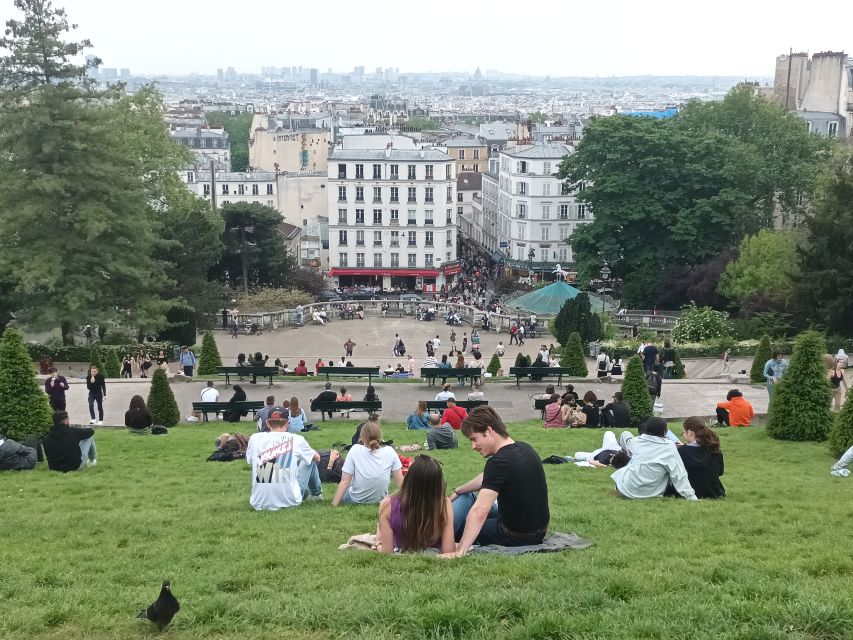
Montmartre can be chaotic if you arrive with a crowd and a schedule. This tour keeps things calmer by limiting you to a small group of up to 8. That matters because the hill is steep, the streets are narrow, and your attention gets pulled in a dozen directions. With fewer people, your guide can slow down at the right moments and you don’t feel like you’re being yanked from stop to stop.
Another big value point is the guide focus. You’re not just walking past sights; you’re hearing why this neighborhood became a magnet for painters and performers. On tours like this, the difference is often subtle: you leave with a mental map of what mattered and why it still shows up in the streets today.
You can also read our reviews of more walking tours in Paris



Starting at Anvers: the hill that sets the tone
You’ll meet outside Anvers metro station (Line 2), and the guide is holding a GetYourGuide sign. Plan to show up about 10 minutes early so you’re not stuck at the back while the group starts climbing.
Then the tour begins the way Montmartre always wins: with a climb. As you head up, you get those gradual, improving views across Paris. Even if you’ve seen photos, there’s something different about watching the skyline open up street by street. It changes how you look at the later stops, especially Sacré-Cœur and the squares below it.
And yes, you’ll walk. This is the kind of “light workout” that sneaks up on you. Wear comfortable shoes and dress for the weather, because the tour runs rain or shine.
Sacré-Cœur Basilica: what to look for beyond the postcard
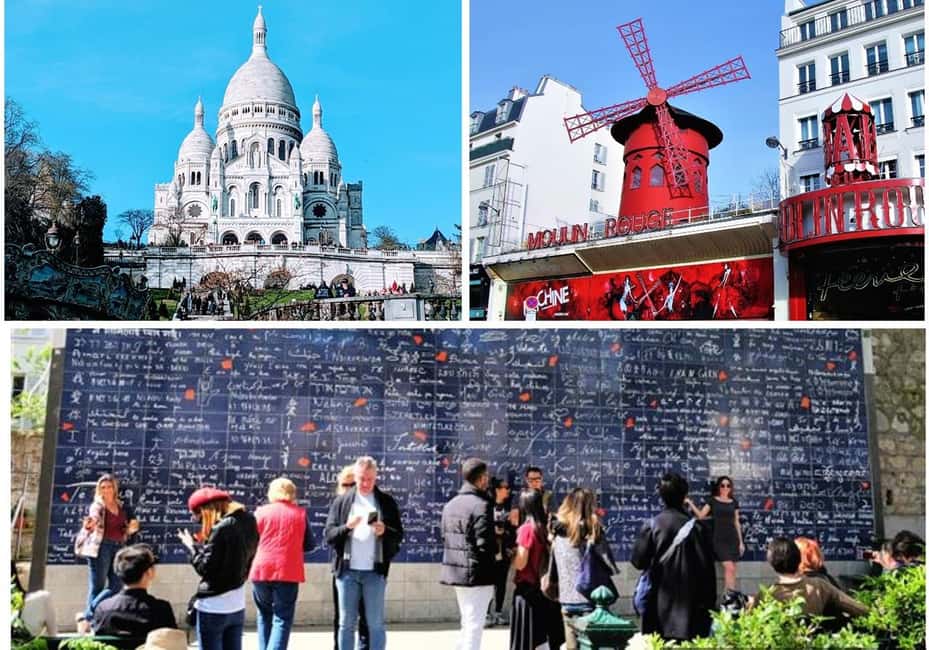
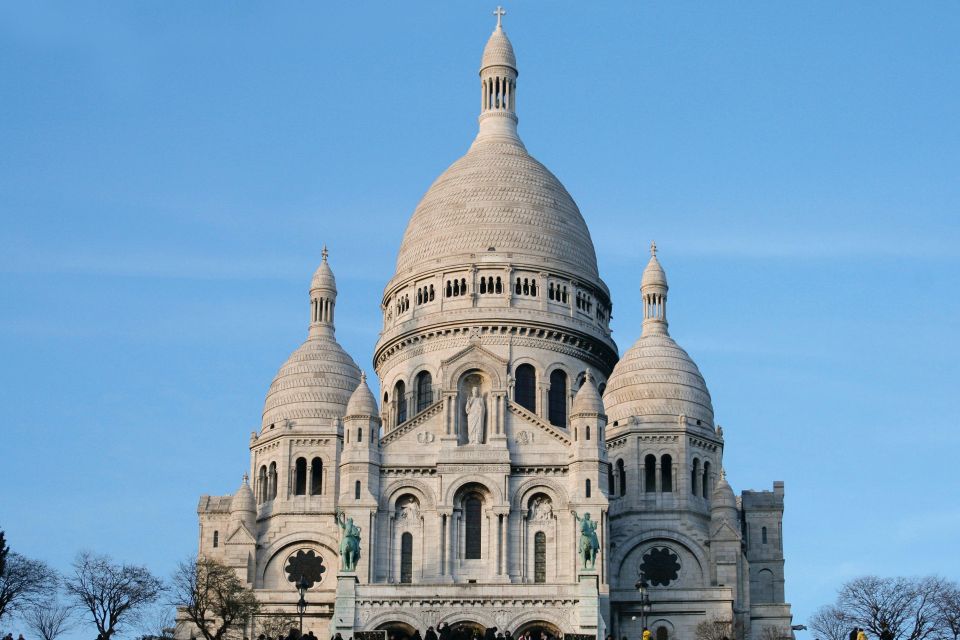
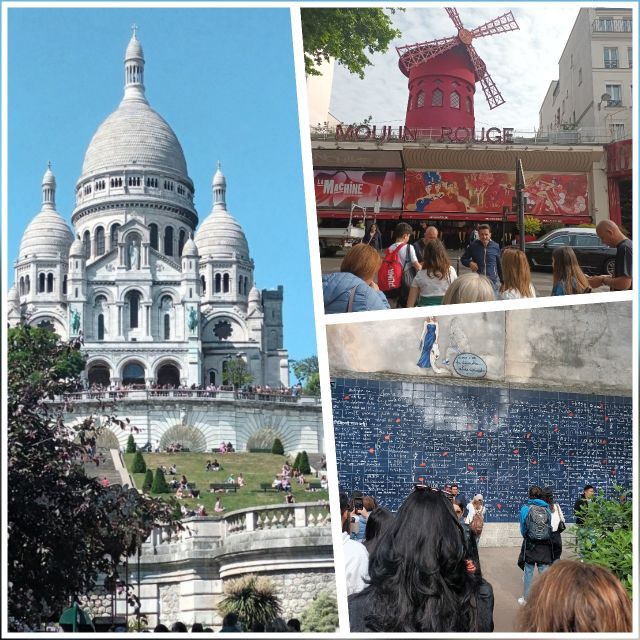
Sacré-Cœur is the obvious reason people come, but the best part of a guided approach is learning where to put your eyes. The walk up leads you to the basilica, and the experience typically includes time to visit inside plus some free time to take photos or just sit and absorb the view.
You’ll likely notice how the area around Sacré-Cœur changes the mood of the whole neighborhood. From the basilica you can see a wide slice of the city, and that helps you understand why Montmartre became an artist refuge. When a place sits above the city, it attracts people who want both inspiration and distance from daily life below.
One practical note: there may not be a bathroom available during the tour. So if you need a break, plan to do it quickly when you have the chance.
Place du Tertre: where the artists perform for your eyes
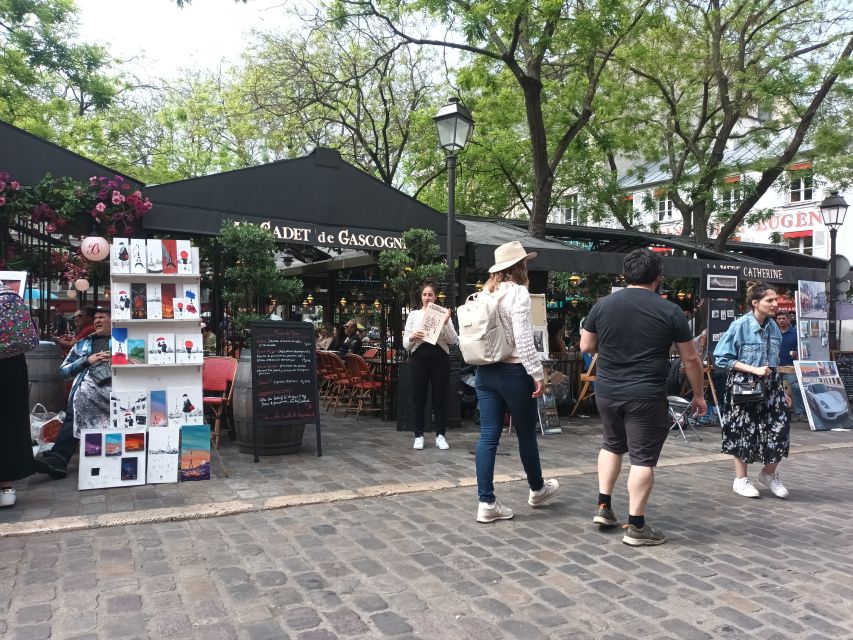
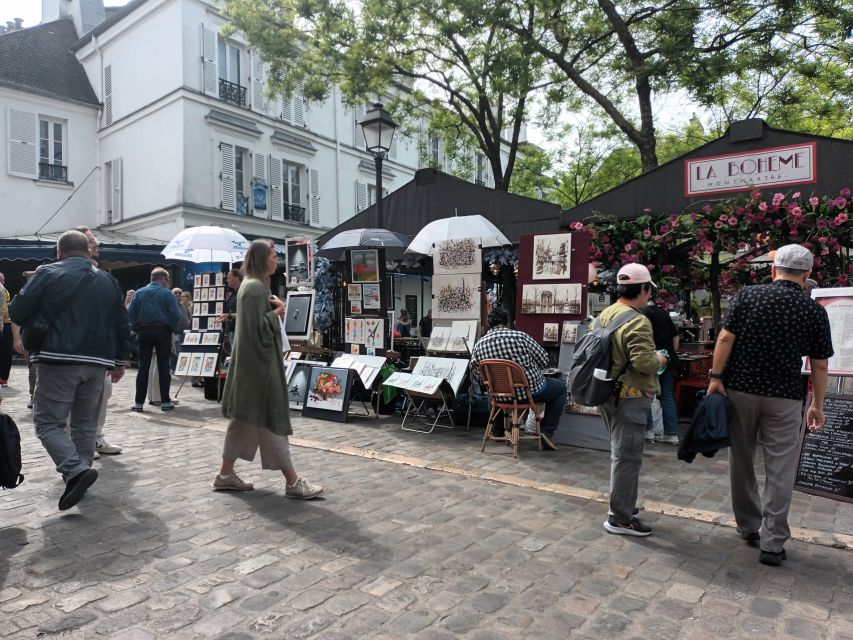
After Sacré-Cœur, you’ll head to Place du Tertre. This is where you see painters working in the open, and it’s a great spot to take photos. The guide’s job here is to give you the story behind what you’re seeing so it feels less like a stage set and more like a living tradition.
This square gets famous for a reason. It’s closely tied to the artists who shaped Montmartre’s reputation, and your guide will explain how the neighborhood’s creative identity formed and what it meant for daily life there. If you like sketching, street scenes, or watching crafts happen, this is one of the moments you’ll actually feel you’ve arrived in the right place.
Keep your expectations grounded: you’ll get street-level views and context, but this isn’t a museum-only experience. You’ll be in the middle of public life.
Vineyards, Lapin Agile, and Montmartre’s more playful side
Here’s where the tour starts feeling like Montmartre beyond the headline. You’ll make your way down from the big viewpoints and into areas that show how people lived and worked when the artists were turning the district into a legend.
One standout stop is the vineyard area (Vigne du Clos Montmartre), where wine production still continues. That detail is more than a quirky photo op. It’s a reminder that Montmartre wasn’t only about art cafés and cabarets. It had agriculture and rhythms of everyday life, and you’ll feel that contrast in how the streets look and sound.
You’ll also encounter famous cabaret names, including:
- Lapin Agile, a classic Montmartre venue tied to the area’s performance culture
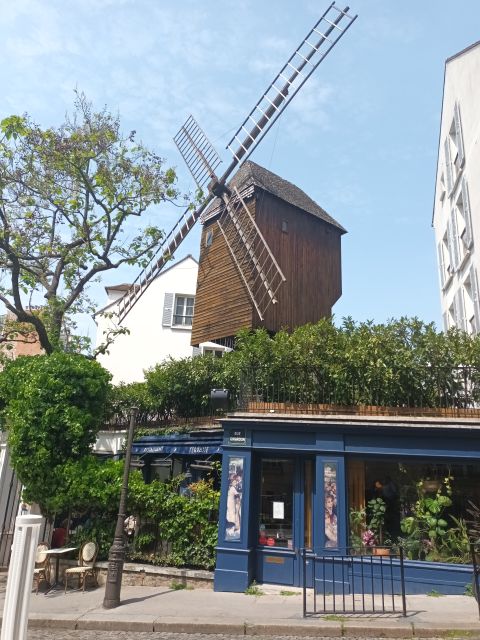
- Moulin de la Galette, another landmark associated with the neighborhood’s historic entertainment world
These stops are best when you let your guide’s storytelling connect them. The buildings matter, but the real value is understanding why these places became part of the neighborhood’s identity.
You can also read our reviews of more guided tours in Paris





Picasso and Van Gogh street-level connections

Montmartre is loaded with famous names, but it’s easy to treat them like trivia. The tour helps you see them differently by pointing out places where artists such as Picasso and Van Gogh lived. The important part here isn’t just the name-dropping; it’s the street-level perspective.
When you stand in a neighborhood where creative lives intersected, you start to understand why the style and mood of the era took hold. The streets feel smaller and more intimate than the famous photos suggest, which makes the idea of “an artistic community” feel real instead of invented.
If you’ve visited art museums before, you’ll likely notice how much easier it is to connect art to lived space when you see the actual streets where it happened.
Dalida statue, Le Bateau-Lavoir, and Abbesses stops
The route continues through more points of artistic and cultural memory. You’ll have a photo stop at the Dalida statue, and then move toward Le Bateau-Lavoir. This is one of those stops where your guide’s pacing helps. If you rush past it, you miss the feeling; if you slow down, the place starts to make sense.
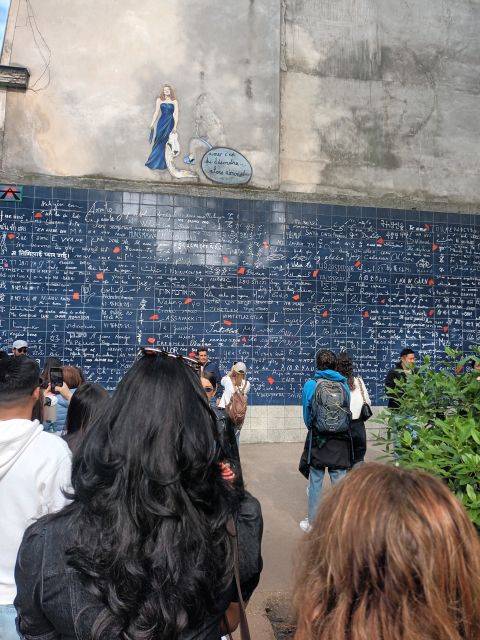
Then you’ll reach Abbesses, a lively area known for its walkability and views down the hill. One of the most talked-about moments here is the Wall of je t’aime, a modern love-themed work of art that pulls in lots of visitors. The guide will show it to you, and you’ll have time to pause, take photos, and enjoy the small pause in the tour flow.
This section works well because it balances art landmarks with actual neighborhood energy. You’re not just “seeing Montmartre”; you’re moving through it.
Moulin Rouge area: finishing at the base of the hill
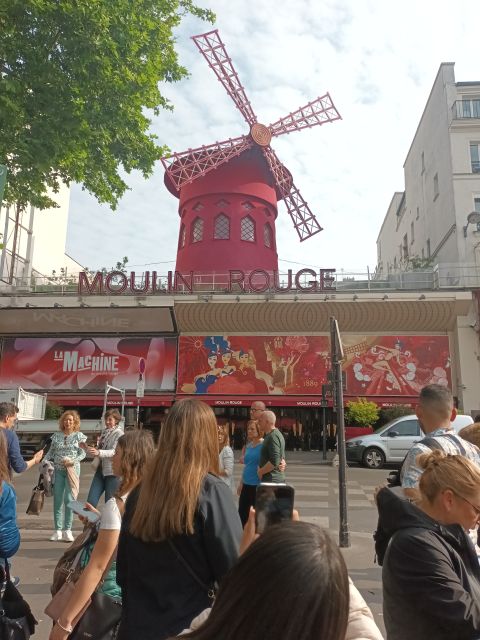
You’ll end at the base of the hill, on the opposite side near Moulin Rouge. For many visitors, this is the ideal finish point because you’re already oriented. You’ve climbed up to the big moments, and now you can look for food, drinks, or a late-night stroll depending on your plans.
Ending here also makes the tour feel complete. You get the big-name landmarks, but you also spend enough time in the in-between streets that Moulin Rouge doesn’t feel like the only thing Montmartre has to offer.
Price and what $74 actually buys you
At $74 per person for about 2 hours (up to 150 minutes), the value comes from three things you can’t easily replicate on your own:
- You get an expert local guide with a structured story connecting the neighborhood
- You get a semi-private small group (up to 8) that supports a calmer pace
- You get time in both the famous highlights and the quieter backstreets where everyday life shows through
You’ll still walk the hill, and you should still plan your own photos and stops, but the guide reduces the guesswork. Montmartre is one of those places where self-guided wandering can turn into “I saw a lot, but I’m not sure what I learned.” This tour aims to solve that by giving you context as you go.
One extra cost to factor in: funicular tickets are not included. The walk is part of the experience, so if you want options for after, you’ll need to plan that separately.
Weather, timing, and how to get the best photos
A few practical tips make a real difference here:
- Rain or shine: bring a light rain layer or umbrella you can manage on uneven sidewalks
- Time for photos: several stops are built around photo opportunities, including squares and viewpoint moments
- Expect stairs and slopes: the route isn’t wheelchair accessible, and mobility issues can make it stressful fast
- Plan for a slower pace: the best guides do not rush, and the tour’s format supports that
Guide quality seems to be a consistent theme in bookings. Names that come up include Monica, Jimmy, Melanie, Frederico, Sylvia, Martina, Romeo, and Laura. People mention strong pacing, good humor, and ways of explaining that make the streets feel alive. One guide even uses songs and another supports explanations with phone or tablet images, which can help if you’re trying to picture what the neighborhood looked like in the past.
Who should book this Montmartre walking tour?
This tour is a strong fit if you:
- want Sacré-Cœur and Place du Tertre with context, not just photos
- like walking tours that include vineyards, cabarets, and artist-linked places
- enjoy small-group experiences where you can ask questions without shouting
It’s not a fit if:
- you need wheelchair access or have significant mobility limits
- you hate uphill walking, since the tour includes a walk up the hill and uneven streets
If you’re visiting for the first time, I think it’s a smart orientation walk. It helps you understand what to look for afterward when you roam independently.
Should you book? My take
If you want Montmartre in a way that feels personal, this is a great booking. The combo of small group size, guided storytelling, and a route that includes both the famous and the quieter parts makes the $74 feel fair for the time you spend on the hill and in the streets.
Book it especially if you’re the type who likes places to make sense as you stand in them. You’ll come away with a clearer picture of why Montmartre became an artistic magnet, and you’ll end near Moulin Rouge with energy left to keep exploring. Just be honest with yourself about the walking: this isn’t a sit-and-watch tour.
FAQ
Where does the tour start?
The guide meets you at the exit of Anvers metro station (Line 2), holding a GetYourGuide sign. Arrive about 10 minutes early.
How long is the walking tour?
It runs about 2 hours (150 minutes).
How big is the group?
It’s a small group limited to up to 8 people.
What languages are available?
You can choose a guide in English, Spanish, Italian, or French.
Is this tour wheelchair accessible?
No. The route includes a walk up the hill and is not accessible for wheelchairs or people with mobility impairments.
Is food or the funicular included?
No. Food and drink are not included, and funicular tickets are not included.
Can I get a refund if plans change?
Yes. You can cancel up to 24 hours in advance for a full refund, and you may also be able to reserve and pay later.