REVIEW · PARIS
Paris: Père Lachaise Cemetery Walking Tour
Book on GetYourGuide →Operated by Babylon Tours LLC · Bookable on GetYourGuide
Paris whispers in stone. This guided walk through Père Lachaise turns graveyards into a lesson on Paris itself, with famous names like Edith Piaf and Oscar Wilde plus plenty of 20th-century drama. Over 2.5 hours, you’ll follow quiet paths through one of the city’s oldest cemeteries while a local guide gives the context you’d miss on your own.
I like two things right away: the focus on artistic tombstones (not just names), and the small-group size, capped at 8 guests for a more personal pace. You’ll also get real interaction—people mention guides like Tamari, François, Ferit, and Hugo for being energetic, knowledgeable, and easy to ask questions. One consideration: there’s a moderate amount of walking, and the tour is not designed for wheelchair users or people with walking disabilities.
In This Review
- Key things to look forward to
- Père Lachaise is more than a cemetery: it’s a Paris map
- Getting there and finding your guide at the cemetery entrance
- The famous stops: how the Piaf, Wilde, and Molière stories land
- Edith Piaf’s final resting place
- Oscar Wilde’s tomb
- Molière’s grave
- From philosophers to composers: Sartre and Chopin in context
- Jean-Paul Sartre and the 20th-century mind
- Frédéric Chopin and musical legacy
- Jim Morrison and the Communist uprising: where the cemetery gets dramatic
- The Jim Morrison pilgrimage
- A gruesome Communist uprising in Paris
- The guide experience: small group, big energy, easy questions
- What walking is like and how to avoid rough edges
- Quiet rules and speaking inside
- Occasional closures
- Price and value: is $53 for 2.5 hours fair?
- Who should book this Père Lachaise walking tour
- Should you book this Père Lachaise tour?
- FAQ
- How long is the Paris Père Lachaise Cemetery walking tour?
- Where do I meet the guide?
- Is this tour private?
- What languages are offered?
- Can I bring luggage or a large bag?
- Is the tour wheelchair accessible?
- What’s included in the price?
Key things to look forward to
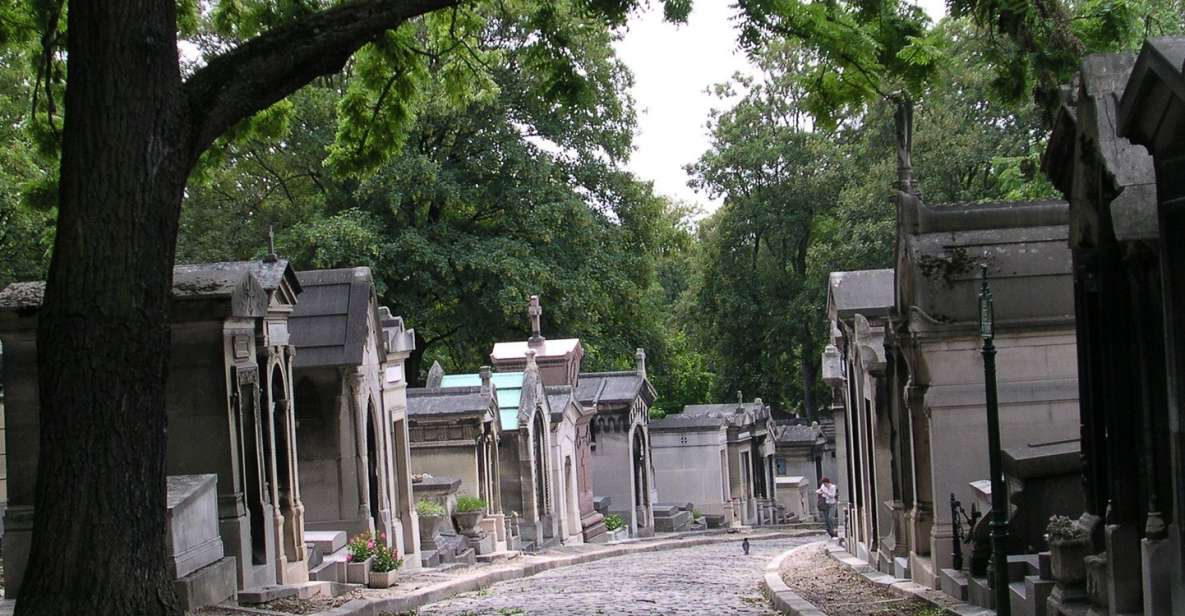
- Père Lachaise as a park-like setting, so the walk stays calm even when the stories get intense
- Major figures in one circuit, including Piaf, Wilde, Molière, Chopin, Sartre, and Jim Morrison
- A guide who connects art and politics, including a story tied to a Communist uprising in Paris
- Pop-culture gravity at the Morrison tomb, plus the “why people come” side of fame
- Small groups (max 8), so you can actually ask questions instead of just listening
Père Lachaise is more than a cemetery: it’s a Paris map
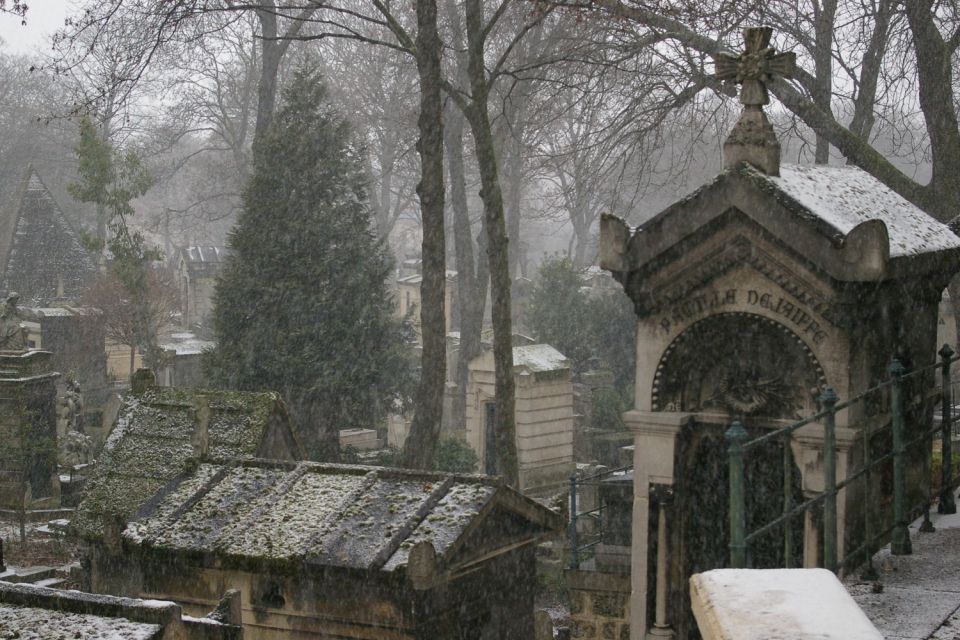
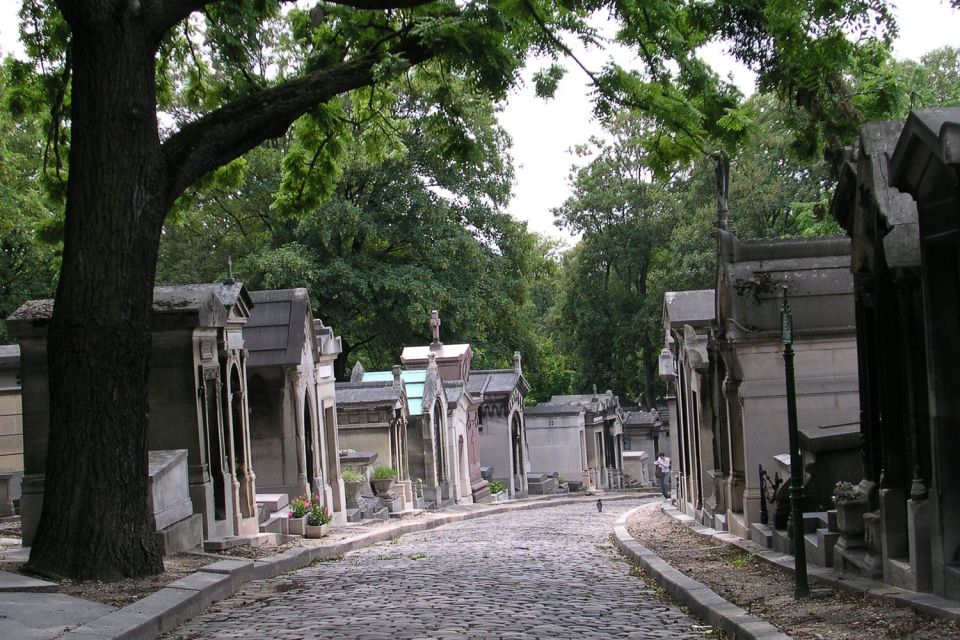
Père Lachaise doesn’t feel like a chore. You’re walking through long rows, carved stone, and quiet corners that still read like a city district. That matters, because without context a cemetery can feel like a list of famous people. With a guide, it becomes a timeline—how Paris thought, created, fought, and entertained itself.
You’ll see why this place has such pull. It’s old enough to be part of Paris’s civic identity, but it’s also where 20th-century personalities are remembered in a very visible way. The tour leans into that mix: art and literature side-by-side with politics and pop culture. It’s not morbid; it’s explanatory.
And since you’re walking, you get the best kind of flexibility. You can look closer at the stone details, slow down at the famous spots, and learn what you’re actually looking at—rather than taking quick photos and calling it done.
You can also read our reviews of more walking tours in Paris



Getting there and finding your guide at the cemetery entrance
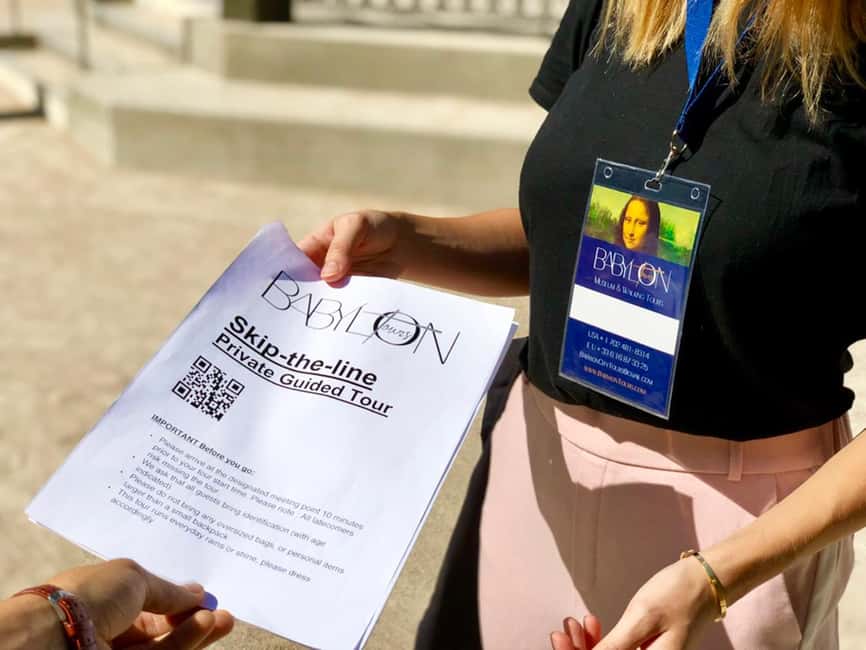
The meeting point is at the entrance to Père Lachaise, in Paris’s 20th arrondissement. The exact spot can vary depending on the option you book, so check your confirmation before you go. The activity ends back at the meeting point, which makes planning around your day easier.
This start matters because the guide’s first minutes set your expectations. You get the cemetery layout in plain language, plus guidance on what to notice as you move. If you’ve ever walked into a big cemetery and immediately wondered where to start, you’ll appreciate having someone point you toward the story you’re meant to follow.
Also, keep your day simple around this tour. You’ll be walking at a steady pace for about 2.5 hours. Wear comfortable shoes and plan for cool-down breaks only when the group stops.
The famous stops: how the Piaf, Wilde, and Molière stories land
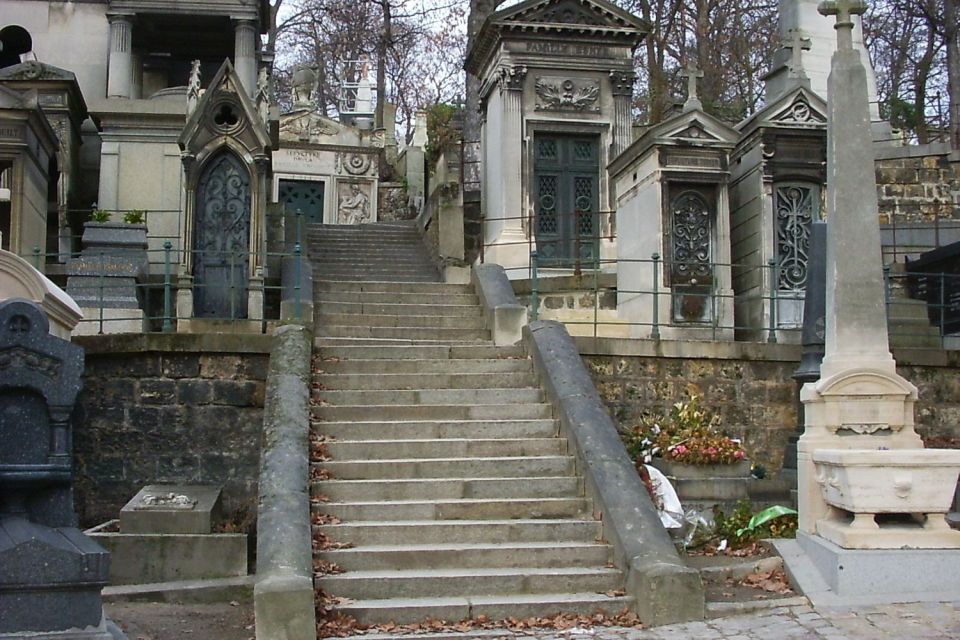
The highlights are the names you’ve heard, plus the reasons they’re remembered in stone. This is where the tour earns its ticket.
Edith Piaf’s final resting place
You’ll visit the grave associated with Edith Piaf, and the guide uses her story to show how Paris turned artists into national icons. The tombstone artwork isn’t presented like trivia—it’s explained as part of the public image. You’ll get a sense of why the monument matters to people who come looking for meaning, not just photos.
Oscar Wilde’s tomb
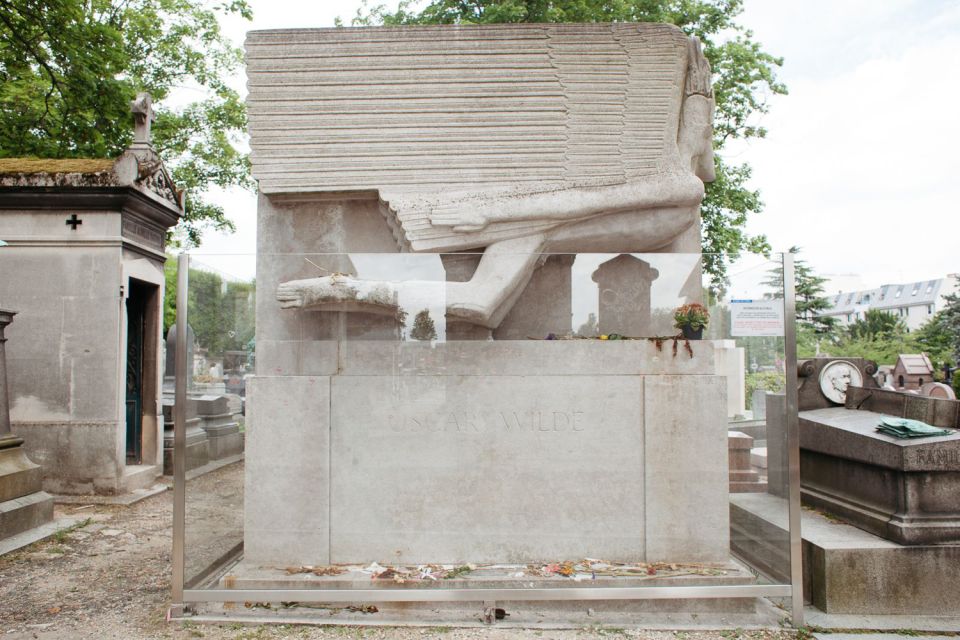
Then comes Oscar Wilde—and this stop is a lesson in how literature becomes legacy. The guide ties Wilde’s story to the larger story of Paris, where writers and thinkers didn’t just work here; they helped define the tone of the city. Even if you know the famous lines, you’ll likely learn something about how his memory is kept alive here.






Molière’s grave
You’ll also see Molière, which shifts the mood slightly toward theatre and language. The guide helps you see the difference between older literary fame and the later celebrity culture that develops in the 20th century. It’s a good mental pivot point: you start the tour with arts and endings, then you’ll move toward philosophy, music, and the louder side of fame.
Practical payoff: these stops aren’t treated as isolated photo ops. The guide helps you connect them so you don’t walk away thinking the cemetery is just a “greatest hits” album. It’s more like a show where each grave is a scene.
From philosophers to composers: Sartre and Chopin in context
The tour also covers the intellectual side of Paris, where ideas are treated almost like art.
Jean-Paul Sartre and the 20th-century mind
You’ll visit Jean Paul Sartre’s resting place, and the guide uses it to talk about what it means to be remembered for thinking loudly. Sartre represents a strand of Paris that’s not only creative, but argumentative—someone who shaped public debate. That framing makes the cemetery feel less like a museum and more like a conversation still happening in the present.
Frédéric Chopin and musical legacy
You’ll also get Chopin on your route. This stop helps you understand how music can create a kind of permanence. A composer’s fame doesn’t only live in concerts; it lives in how people choose to honor it. The guide’s explanation helps you notice how the cemetery’s artistic style fits the importance of the person inside it.
If you’re the type who likes to understand what you’re seeing, these two stops do a lot of work. You’ll leave with a better sense of how Paris assigns weight to different kinds of genius.
Jim Morrison and the Communist uprising: where the cemetery gets dramatic
This is where Père Lachaise stops being quiet and becomes surprisingly current.
The Jim Morrison pilgrimage
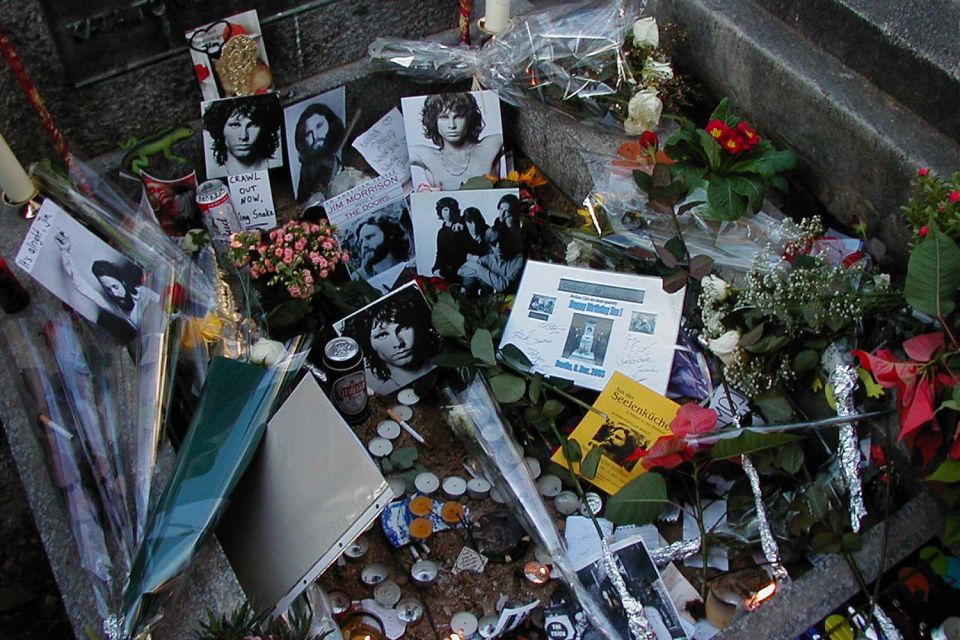
You’ll hear about Jim Morrison, including the story of the crowds who come specifically to visit his tomb. The guide talks about why a rock legend becomes a pilgrimage site, and why fame can become almost religious in the way people gather and remember. If you know The Doors only casually, you’ll still get the point: Paris doesn’t just honor the past; it becomes part of modern myth-making.
One of the strongest mentions from reviews is how guides handle this kind of popular-culture material without turning it into a gimmick. People describe guides as energetic and entertaining, and that energy helps the story feel alive instead of forced.
A gruesome Communist uprising in Paris
The tour also references a story tied to a Communist uprising in Paris. The guide uses it to connect the cemetery to political reality, not just artistic achievement. Even if you only skimmed political history before your trip, this moment gives you a clear human anchor for what can otherwise be abstract.
Why this matters for you: Paris is full of big ideas, but it’s easy to miss where those ideas show up in everyday space. This tour points to one place where ideology, public memory, and public emotion are physically visible.
The guide experience: small group, big energy, easy questions
This tour lives or dies by the guide, and the reviews are strong on that point. People highlight guides like Tamari, François, Ferit, and Hugo for being enthusiastic and for holding attention over the full stretch. One detail I really appreciate in these kinds of walks is the ability to ask questions. Here, the guide actively engages, so you’re not stuck with a one-way lecture.
The group size helps. With a maximum of 8 guests per guide, you’re more likely to get personal responses and quicker clarifications. That’s especially useful in a cemetery, where the details matter and you might wonder about symbols, names, and why a monument looks the way it does.
The tour is also offered in multiple languages, including English, French, German, Russian, Italian, and Spanish. That’s a practical advantage if you’re traveling with someone who’s more comfortable in another language.
And because it’s a professional local guide, you’re not just paying for movement—you’re paying for interpretation. It turns “I saw a tomb” into “I understand what the cemetery is saying.”
What walking is like and how to avoid rough edges
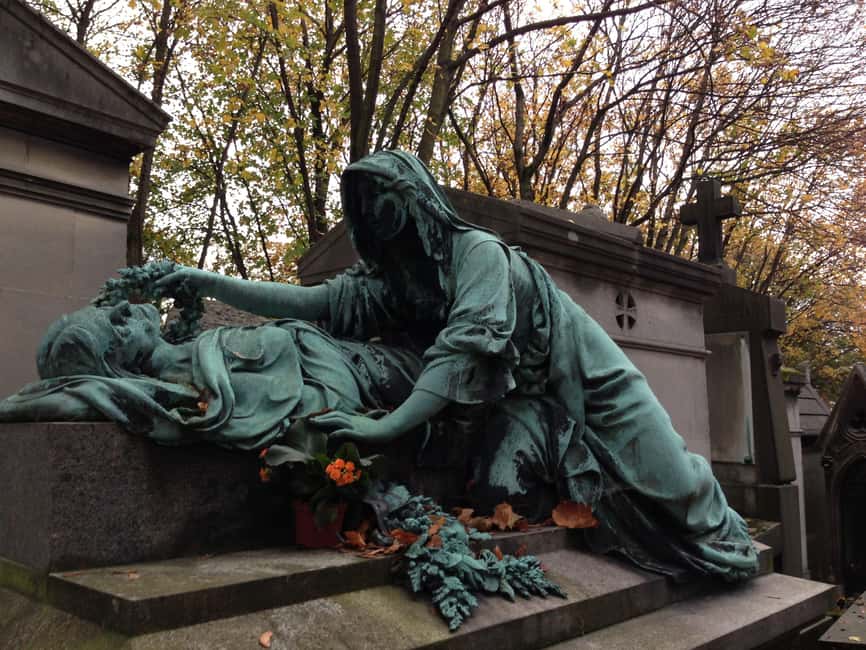
This is a moderate-walking experience through cemetery paths. The route is long enough to feel like a real outing, not a quick stroll. If you’re fit and prepared, it’s manageable. If you’re not, it might feel tiring faster than you expect.
Two clear notes from the tour information:
- It is not suitable for wheelchair users and not available for people with walking disabilities.
- No large bags or suitcases are allowed, so pack light for this one.
Quiet rules and speaking inside
Some specific rooms inside the cemetery may require quiet or restricted right to speak. That’s not a big deal if you plan for it—think of it like respecting the space. Keep your voice down when the guide tells you, and you’ll blend in.
Occasional closures
Cemetery closures can happen without advance warning. When that leads to a delayed opening of more than 1 hour from the tour’s start, the provider says you’ll be offered an appropriate alternative. At the same time, refunds or discounts aren’t guaranteed in those cases. So, don’t schedule anything tight right after this tour.
Price and value: is $53 for 2.5 hours fair?
At about $53 per person for 2.5 hours, you’re paying for a guided narrative, not just access to a famous cemetery. In Paris terms, that’s middle-of-the-road pricing for a 2–3 hour walk with a local professional guide.
The value looks solid for a few reasons:
- You cover major “must-see” names (Piaf, Wilde, Molière, Chopin, Sartre, Morrison) plus connecting context.
- The small group size (max 8) reduces the chance you’ll be lost in a crowd.
- Guides are described as energetic and interactive, which is exactly what you want in a place where details can easily blur together.
If you’re traveling with limited time and you want the cemetery to make sense, the guide is what converts the price into value. If you’d rather wander freely with zero structure, you could do it independently—just know you’ll likely miss the story thread that makes the walk feel worth your time.
Who should book this Père Lachaise walking tour
You’ll get the most out of it if you:
- like literature and arts, but also want a human side to politics and modern fame
- enjoy stories that connect places to people you recognize
- want a guided experience that keeps moving without turning rushed
- appreciate small groups and the chance to ask questions
You might skip it if you:
- need wheelchair access (this one is not designed for that)
- want a fully self-guided, no-walking approach
- have strict mobility limits that make moderate walking hard to manage
Should you book this Père Lachaise tour?
Yes, if you want Père Lachaise to feel like more than a list of celebrities. This tour is built for understanding: artistic tombstones, iconic names, and stories that tie art, ideology, and pop culture to the actual streets of the cemetery. The guides’ energy comes through clearly in the reviews, and that matters because the cemetery’s details can only be fully appreciated with a good storyteller.
Book it for a calmer, smarter way to see the 20th arrondissement’s most famous resting place. Just go in prepared for walking, pack light, and plan your day with a bit of breathing room in case of cemetery timing quirks.
FAQ
How long is the Paris Père Lachaise Cemetery walking tour?
The tour runs for about 2.5 hours.
Where do I meet the guide?
You meet at the entrance to Père Lachaise in Paris’s 20th arrondissement. The exact meeting point can vary depending on the option you book.
Is this tour private?
A private group option is available. There’s also a semi-private format, and the minimum requirement to run is 2 participants.
What languages are offered?
Live guides are available in English, French, German, Russian, Italian, and Spanish.
Can I bring luggage or a large bag?
No. Luggage or large bags are not allowed.
Is the tour wheelchair accessible?
No. It is not suitable for wheelchair users. Wheelchair tours are available only on request, and the semi-private tour is not available for people with walking disabilities.
What’s included in the price?
The price includes a professional local guide and the guided walking tour. Food, drinks, and transportation are not included.