REVIEW · PARIS
Paris: Butter and Cheesemaking Workshop
Book on GetYourGuide →Operated by Living Cheese Museum · Bookable on GetYourGuide
Cheese-making in Paris is hands-on, not museum-grade. This Paris butter and cheesemaking workshop at the Living Cheese Museum turns you from cheese fan into cheese maker for two satisfying hours. You’ll learn how French cheesemakers think about flavor and texture, then you’ll produce two real results: fresh tomme cheese and traditional butter.
I especially love the practical payoff: you’ll make tomme fraîche and then taste what you built. I also like that the class is built around teaching you how French cheese varieties connect to everyday cooking, so the knowledge feels useful rather than theoretical.
One practical drawback to know up front: there’s no hotel pickup, so you’ll want to plan your own transit to the meeting point.
In This Review
- Key Things I’d Put on Your Radar
- Where the Workshop Starts: Musée Vivant du Fromage
- Learning French Cheese Varieties in Real, Food-Friendly Terms
- Making Tomme Fraîche: The Fresh Cheese You’ll Actually Want to Use
- Traditional Butter-Making: From Cream to Something You Can Spread
- The Two-Hour Flow: What Happens Before You Taste
- Wine and Tastings: Finishing the Workshop Like a French Meal
- Price and Value: Is $82 Worth It?
- Who Should Book This Workshop (and Who Should Skip It)
- Quick Practical Tips to Make Your Day Easier
- Should You Book This Paris Butter and Cheesemaking Workshop?
- FAQ
- Where does the workshop meet?
- How long is the Paris butter and cheesemaking workshop?
- How much does it cost?
- What cheese and dairy items will I make?
- Is the instructor available in English?
- Are tastings included?
- How big is the group?
- Is hotel pickup or drop-off included?
- Is it suitable for wheelchair users or pets?
Key Things I’d Put on Your Radar
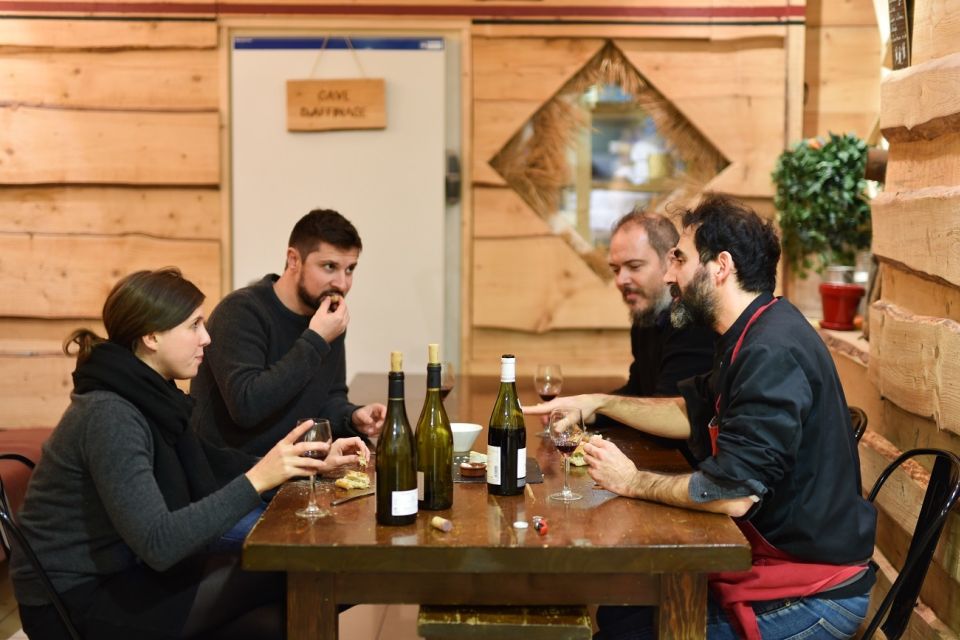
- Small group size (up to 10): more time for questions and closer attention while you’re working.
- Tomme fraîche focus: you’ll learn the basics of making a slightly milky, acidic fresh cheese that’s great for melting.
- Traditional butter-making: you’re not just tasting butter—you’re making it.
- Wine included with tastings: the finish is meant to be eaten, not just photographed.
- English-speaking instructor: clear guidance throughout the process.
Where the Workshop Starts: Musée Vivant du Fromage
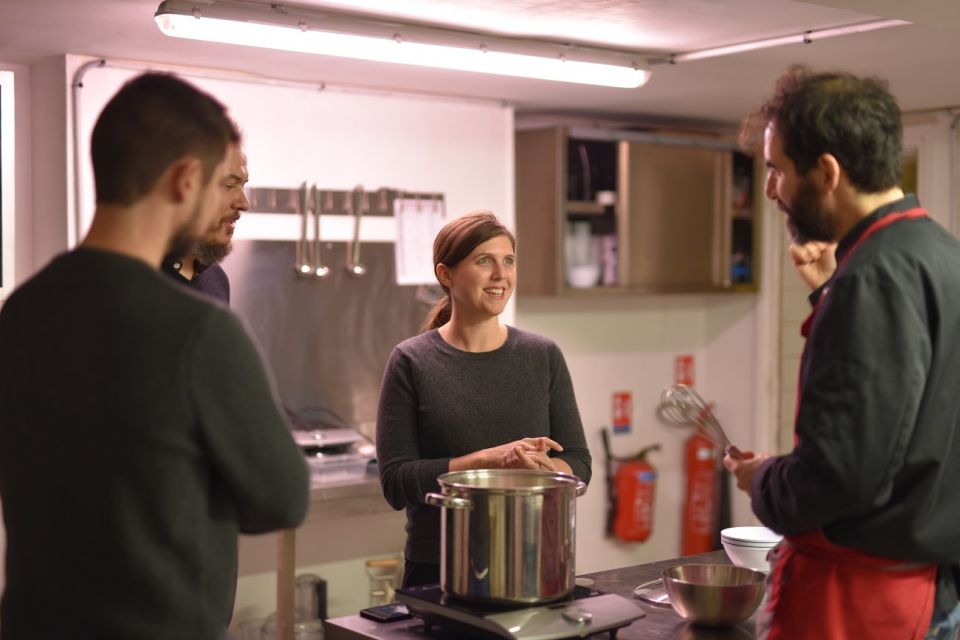
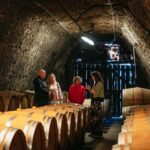
Your workshop begins at the Musée Vivant du Fromage (Living Cheese Museum) in the Paris region. Plan to arrive a bit early so you can settle in and meet your group. Once everyone is gathered, you’ll be greeted by the cheese master, then you’ll move to the cheese-making room.
The vibe here matters. A museum name can sound like passive viewing, but this setup is focused on hands-on work. You’ll be in a working space with a structured flow, which keeps the two hours from feeling like a rush.
Because there’s no pickup, I’d treat this as a standalone activity in your day plan. Pick a start time that matches your energy level—cheese work is more hands-on than a typical tasting stroll.
You can also read our reviews of more tours and experiences in Paris

Learning French Cheese Varieties in Real, Food-Friendly Terms
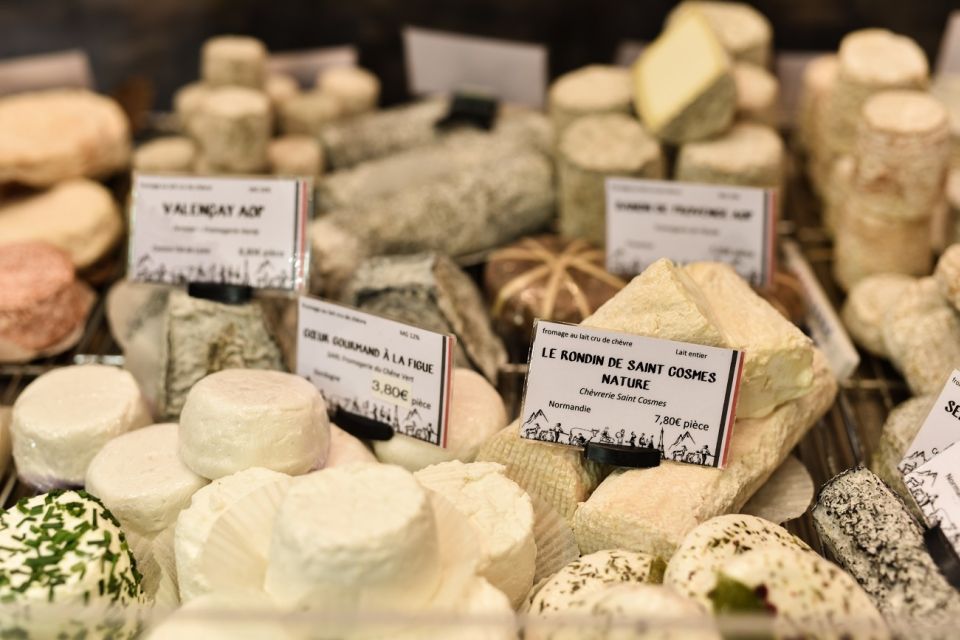
A big part of the value is that the workshop doesn’t just teach a single recipe. You’ll learn about different varieties of French cheese and understand what they’re like in flavor and use. That matters because cheese names can blur together when you’re shopping in a hurry.
In this class, the teaching connects style to outcome. You’ll learn why some cheeses taste slightly milky or tangy, and how those characteristics affect how they behave when heated or melted. That’s a small concept, but it’s the kind of thing that changes how you buy cheese after your trip.
You’ll also get the helpful context of how French makers think: fresh cheeses aren’t only about taste, they’re about timing. You’ll be working with tomme fraîche, the fresh style you can use quickly and practically.
And yes, you’ll hear it explained in plain English. If your instructor happens to be someone like Agathe or Paul (names that have shown up in this workshop), you’ll get a friendly mix of technique and food knowledge, with time to ask questions.
Making Tomme Fraîche: The Fresh Cheese You’ll Actually Want to Use
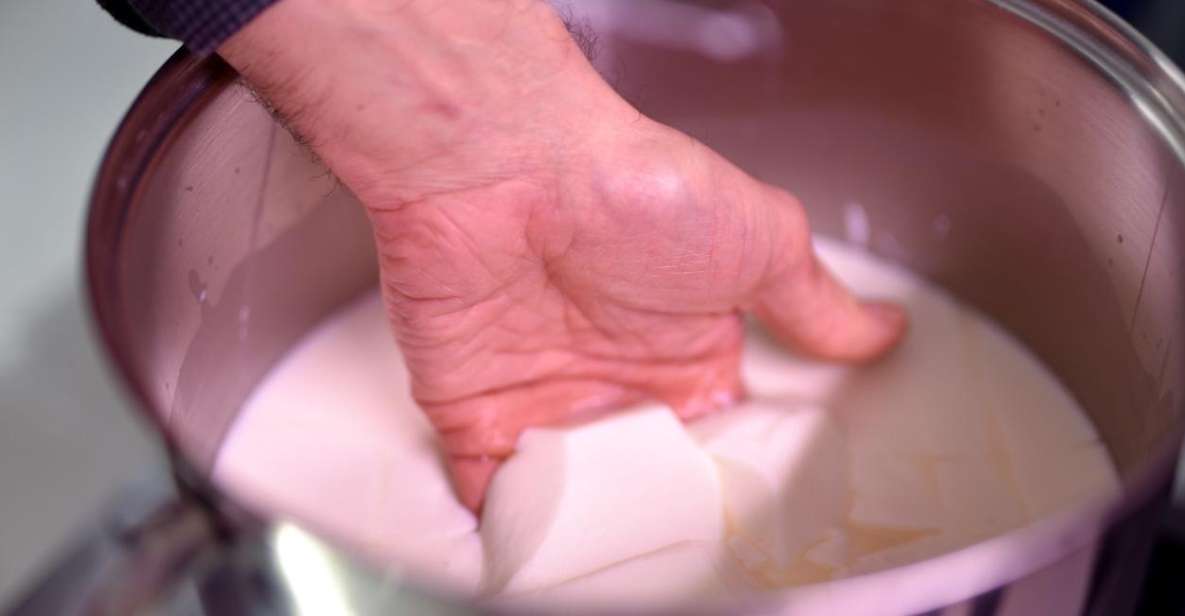
The star of the cheese portion is tomme fraîche. In simple terms, this is a fresh cheese with a slightly milky, acidic taste. It’s also designed for real cooking—especially dishes where you want something to melt well.
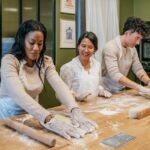
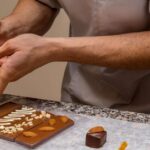
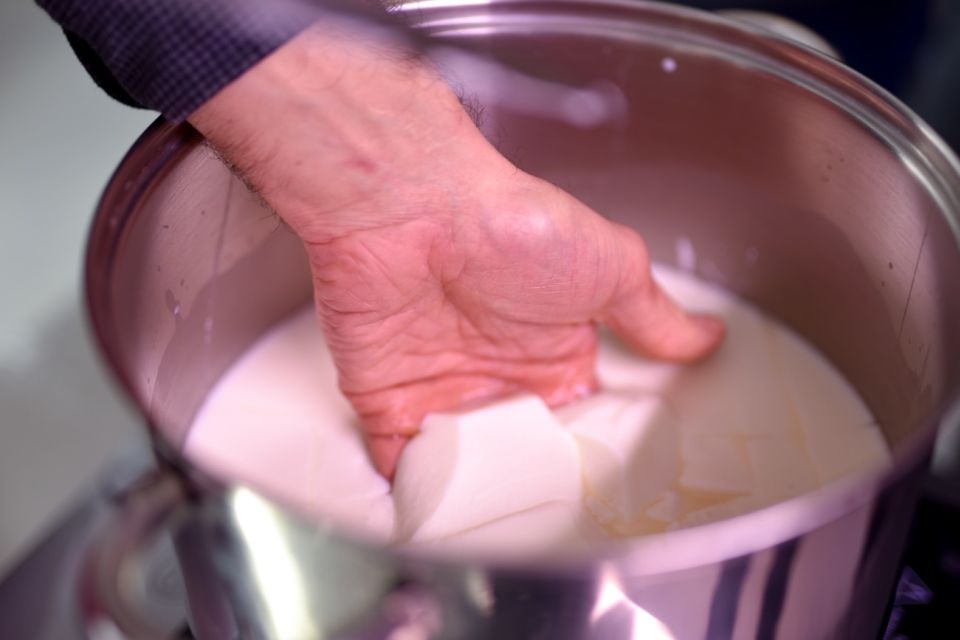
During the workshop, you’ll learn how to create it, and you’ll do the hands-on steps with all necessary equipment provided. The point isn’t to memorize a chemistry chart. The point is to understand what the cheese should look and feel like as it comes together, and what makes this fresh style different from older, firmer cheeses.
Here’s why this is such a good choice for visitors: tomme fraîche is the kind of cheese that fits everyday French meals. You’re not learning a rare, fragile specialty that only appears on fancy cheese boards. You’re learning a cheese you can translate into kitchen reality.
At the end of the process, you’ll taste what you made. That final taste is the moment it clicks, because you can connect the finished product back to the choices you made during the workshop.
Traditional Butter-Making: From Cream to Something You Can Spread
After the cheese work, you’ll switch gears and make your own traditional butter. This is one of those activities that surprises people because butter-making looks basic until you actually do it. The workshop gives you the structure and tools so you can follow along without guessing.
All equipment is included, which is a quiet but important detail. Butter-making can be messy and timing-sensitive at home, so having the right setup and guidance makes the difference between a fun experiment and a frustrating kitchen failure.
You’ll also get to take your finished butter with you in some form, since the workshop includes making butter you can keep. That’s a nice souvenir, but it’s also practical: it’s edible, and it’s connected to what you learned—not just a branded package.
And because the class is small, you’re more likely to get help if your batch doesn’t look exactly like the example. That’s where the best workshops feel worth the money.
The Two-Hour Flow: What Happens Before You Taste
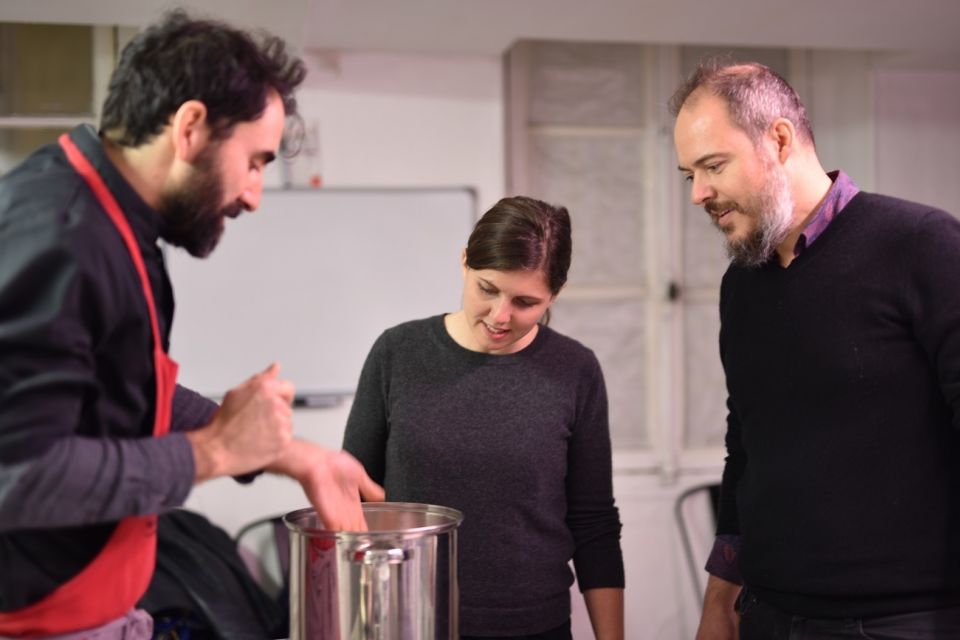
The schedule is intentionally tight: 2 hours total, so each stage has a job. You start with the greeting and group setup, then you move into the cheese-making room. You’ll work on tomme fraîche and butter as the main learning targets, guided by your instructor.
The session is also designed to keep your attention. Fresh cheese and butter need your focus at the right moments, so you’re not stuck watching for long stretches. It’s active learning, and that’s usually what people mean when they say they had fun and learned a lot.
If you’re the type who likes a clear rhythm—start, learn, do, taste—this workshop gives you that. If you prefer a slower, more leisurely food experience, two hours can feel short. But you’ll leave with actual food results, which is why the time works.





Wine and Tastings: Finishing the Workshop Like a French Meal
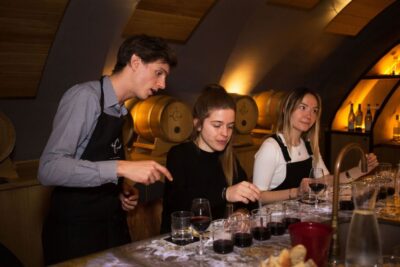
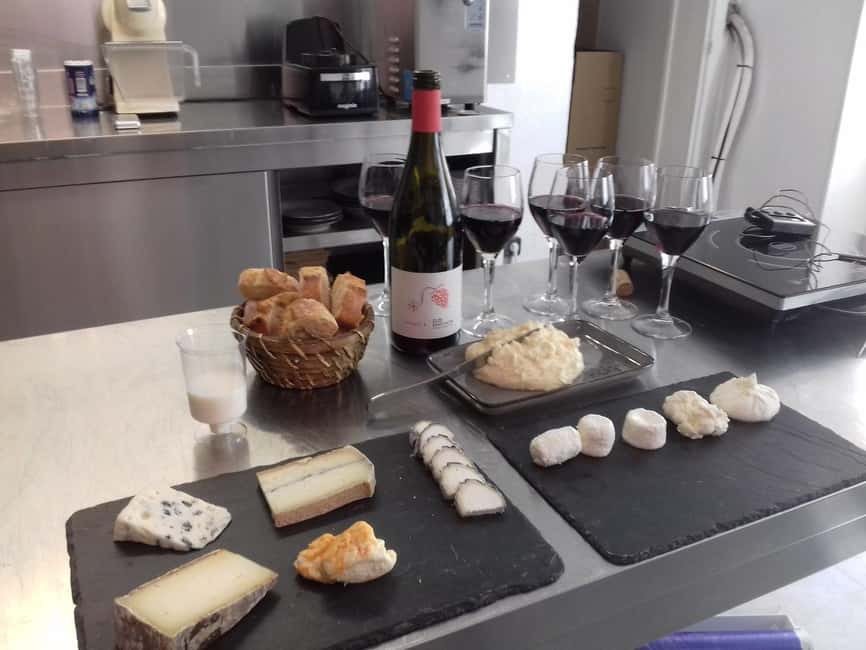
The workshop ends with tastings, including your creations with a glass of wine. This is more than a celebration move. It’s how the instructors help you understand flavor balance.
When you taste your own tomme fraîche, the wine gives context. You can compare how acidity and milky notes land on your palate, and you can notice how freshness affects aroma. Then you taste the butter you made, which gives you a clean contrast: creamy richness versus tangy freshness.
Some sessions also include bread alongside the tasting. Even if bread isn’t part of your exact setup, the tasting portion is clearly meant to make you eat the results with real-world pairings, not just do a quick sip-and-spit.
Either way, you’ll leave with a better sense of how French cheese is meant to be used—on a plate, with something to drink, and as part of an actual meal.
Price and Value: Is $82 Worth It?
$82 per person sounds specific, and it is. What matters is what’s included. You’re paying for an English-speaking expert instructor, a hands-on cheese-making workshop, all equipment, and all tastings with wine.
When you compare that to the cost of buying ingredients on your own (and then dealing with wasted time, cleanup, and uncertain results), the workshop starts to look like good value. You’re also paying for guidance during a process that’s easier with the right tools and timing.
The small group limit (up to 10 participants) is another value piece. Smaller groups mean more attention while you’re making something. In food classes, that direct support can be the difference between learning and simply following along.
Finally, the two-hour length helps you decide. You’re not tying up half a day for a vague experience. You get a structured workshop and a tasting finish in a compact window.
The one extra cost is transportation to the meeting point, since hotel pickup and drop-off aren’t included. I’d budget for that the same way you would for a restaurant reservation. It’s the only part that’s truly on you.
Who Should Book This Workshop (and Who Should Skip It)
This is best for people who like tactile learning: you want to make, not just watch. If you’re a cheese lover, butter lover, or the kind of traveler who buys fewer souvenirs and more food stories, you’ll likely enjoy this.
It’s also a strong pick if you want a French culinary experience that feels authentic without being too formal. You’re making two classic dairy staples, and you leave with tasting knowledge that transfers to what you buy next.
If you’re traveling with kids, this workshop can work well because it’s hands-on and structured. There are examples of families enjoying the experience across a wide age range, which suggests the atmosphere isn’t only for adults.
Two practical cautions:
- Wheelchair users: the workshop is not suitable.
- Pets: pets are not allowed.
If either of those affects your plans, you’ll want to look for a different activity.
Quick Practical Tips to Make Your Day Easier
A few small choices can make the workshop smoother.
Wear something comfortable. You’ll be in a working environment with dairy steps, and you don’t want to worry about clothing.
Come with a realistic expectation for the time. It’s two hours, so it’s not a slow dinner. Treat it like your main event during that window.
And if you’re planning multiple food stops in a day, schedule this earlier rather than later. Once you taste your own tomme and butter, it can be hard to pretend you’re hungry for other things.
One more practical note: the meeting point is Musée Vivant du Fromage. If you’ve got your heart set on a specific time slot, I’d double-check the exact meeting details in your confirmation instructions so you don’t start the class wandering.
Should You Book This Paris Butter and Cheesemaking Workshop?
Book it if you want a hands-on Paris food experience with real results: tomme fraîche and traditional butter plus wine and tastings. For $82, you’re getting instruction, equipment, and a guided finish that turns cheese talk into an actual skill.
Skip it if you can’t manage a no-pickup format, or if mobility or pet restrictions are a deal-breaker. Also, if you only want to browse and snack, this workshop is more work than most casual food activities.
If you’re the kind of traveler who loves coming home with both a story and something edible, this is an easy yes.
FAQ
Where does the workshop meet?
The meeting point is Musée Vivant du Fromage.
How long is the Paris butter and cheesemaking workshop?
The duration is 2 hours.
How much does it cost?
It costs $82 per person.
What cheese and dairy items will I make?
You’ll learn how to make tomme fraîche and you’ll also make traditional butter.
Is the instructor available in English?
Yes. The instructor is English-speaking.
Are tastings included?
Yes. Tastings are included, along with a glass of wine.
How big is the group?
It’s a small group limited to 10 participants.
Is hotel pickup or drop-off included?
No. Hotel pickup and drop-off are not included.
Is it suitable for wheelchair users or pets?
It is not suitable for wheelchair users, and pets are not allowed.