REVIEW · PARIS
Paris: Private Full or Half-Day Sightseeing Tour with Local
Book on GetYourGuide →Operated by Welcome Pickups · Bookable on GetYourGuide
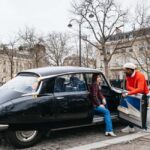
A chauffeured Paris day feels like cheating. This private half-day or full-day loop starts with hotel pickup in a luxury car, then rolls through classic sights and calmer corners with an English driver-guide who helps you choose your timing at each stop, not the other way around.
I like that the experience can swing from quick photo stops to longer moments, depending on what you care about most. The main thing to watch is that guide style can vary, and because traffic can change the plan, this often feels closer to a high-touch car sightseeing day than a nonstop lecture—so if you want very deep, site-by-site explanations, you may need to add licensed guide time and tickets.
In This Review
- Key highlights that matter on the ground
- How this private Paris tour actually feels (and why it works)
- Half-day vs full-day: what changes in 4 hours vs 8
- Starting with the Eiffel Tower, then rolling into Champs-Élysées
- Grand Palais, Place Vendôme, and the Moulin Rouge photo moment
- Montmartre and Sacré-Cœur: the artsy climb, minus most of the hassle
- Palais Garnier and the Louvre orbit: art without the museum marathon
- Musée d’Orsay and the garden breaks that keep the day from frying you
- Notre-Dame area and the Left Bank: old bridge vibes and big-city stories
- Optional extensions that history lovers will like: Invalides and Napoleon
- Dress code and comfort: your practical checklist before you go
- Price and value: is $252 per person a good deal
- Guide style expectations: when you’ll get story time
- Who should book this private Paris sightseeing tour
- Should you book this tour?
- FAQ
- How long is the tour?
- Is this a private tour?
- What’s included in the price?
- Are museum tickets or meals included?
- Is there a dress code?
- Can you choose how long you stay at each place?
Key highlights that matter on the ground
- Hotel pickup + luxury car comfort makes it easier to move fast without looking like you’re racing across Paris
- Real stop control means you can decide how long to pause at big icons like the Eiffel Tower and Arc areas
- Photo-first timing at each major viewpoint keeps the day efficient and prevents you from wasting half your trip getting oriented
- Guide storytelling on demand can turn a quick drive-by into something memorable, especially when your guide leans in
- A flexible route that adapts to traffic helps you still see the most important neighborhoods even if not every stop fits
How this private Paris tour actually feels (and why it works)
This kind of private Paris sightseeing is for people who want the city without the stress of transfers, line logistics, and map guessing. You get picked up from your hotel or apartment and you’re dropped back at the end, which matters a lot in Paris. The car does the heavy lifting, and you spend your energy looking, walking a bit where it makes sense, and taking photos.
The second big reason it works: the guide can steer your day. You’re not trapped in a rigid script. If you’d rather linger near the Eiffel Tower views for a few extra minutes, or if you’d rather skip one area and spend more time near Montmartre and Sacré-Cœur, you can usually shape the route.
One more detail I appreciate: this is a private group. For couples and small families, that means you’re not sharing your pace with people who want to sprint or people who want to stop for long conversations. If you’re in a group up to four, you’ll ride in a comfortable sedan; larger groups go in a minivan for the same private setup.
You can also read our reviews of more private tours in Paris


Half-day vs full-day: what changes in 4 hours vs 8
Think of the half-day as a best-of loop with shorter pauses. The full-day is where you get breathing room for more neighborhoods and more “do we go inside or not?” decisions.
A practical way to plan it:
- In the 4-hour option, expect quick hits at the headline locations, plus short walks for photos and orientation. You’ll likely see several major landmarks from close range.
- In the 8-hour option, you can slow down. That’s when it becomes realistic to add extra stops around the Left Bank and the historic core, and to choose optional interior access with added tickets.
In both cases, traffic is the wildcard. The tour is designed to optimize the itinerary based on real-time conditions, so the route may flex. That’s good news for you, because Paris traffic can turn a fixed schedule into a frustration factory.
Starting with the Eiffel Tower, then rolling into Champs-Élysées
Most days begin with a stop at the Eiffel Tower area, usually with time to take photos and decide whether you want to go up. You’ll get a chance to capture those classic views, and if you’re adding access, the plan often points you toward the second level option for a panoramic look across the city.
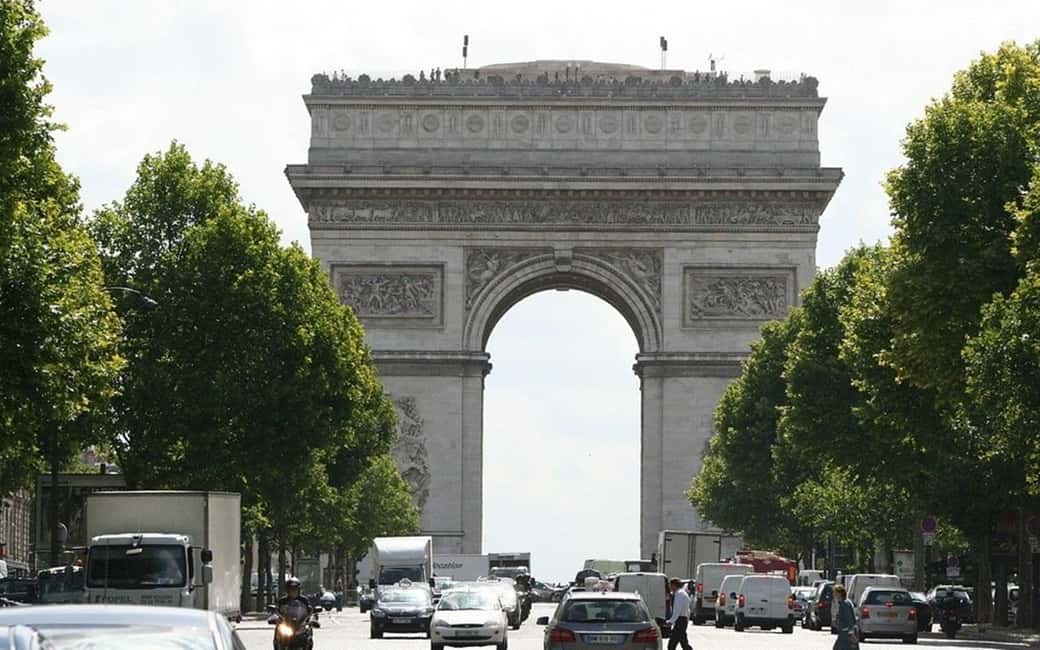
From there, the trip typically heads toward the big boulevard stretch around the Champs-Élysées. This is where you get that “Paris postcard” feeling fast: wide avenue, landmark views, and plenty of places to pause for photos without having to figure out parking or transit.
Here’s a small tip that makes a difference: if you care about photos more than walking, treat these stops as “photo and orientation” windows. If you care about views, treat them like “move your feet slowly and look around.” Either way, the car keeps you from burning time in transit.
If your route allows, you may also pass key points near Place de la Concorde and the Luxor Obelisk, which helps connect the route into a more historic spine of central Paris. That makes the day feel less random and more like a guided route through the city’s major layers.
Grand Palais, Place Vendôme, and the Moulin Rouge photo moment
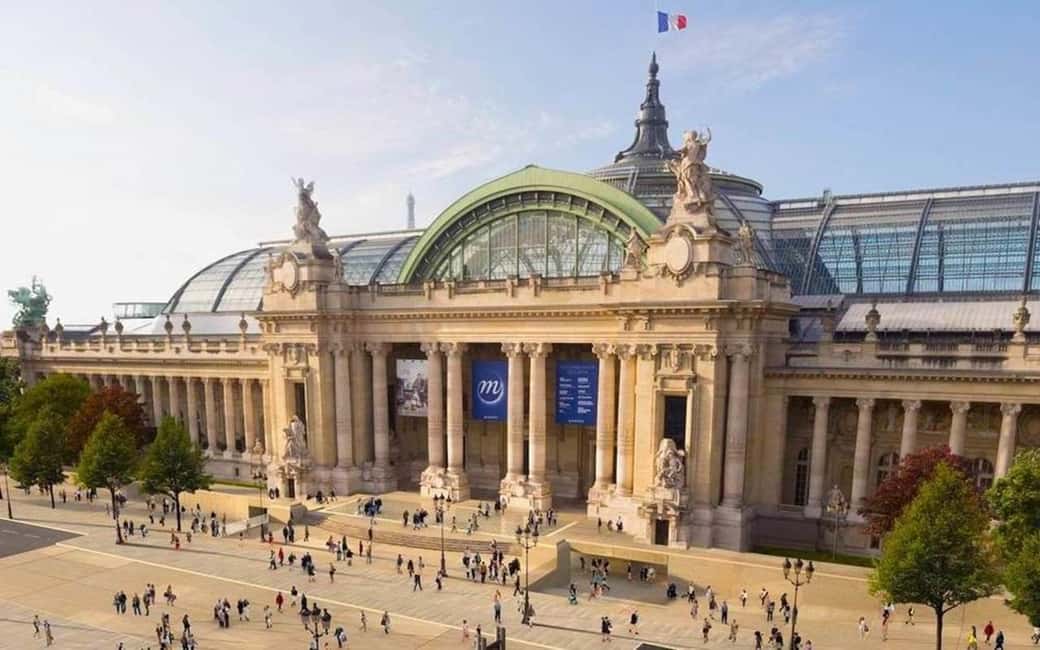
Next up, you often move into the grand architecture zone: Grand Palais and nearby beaux-arts landmarks. This area is a great choice for a car tour because you can appreciate the scale without having to navigate a long walking day.
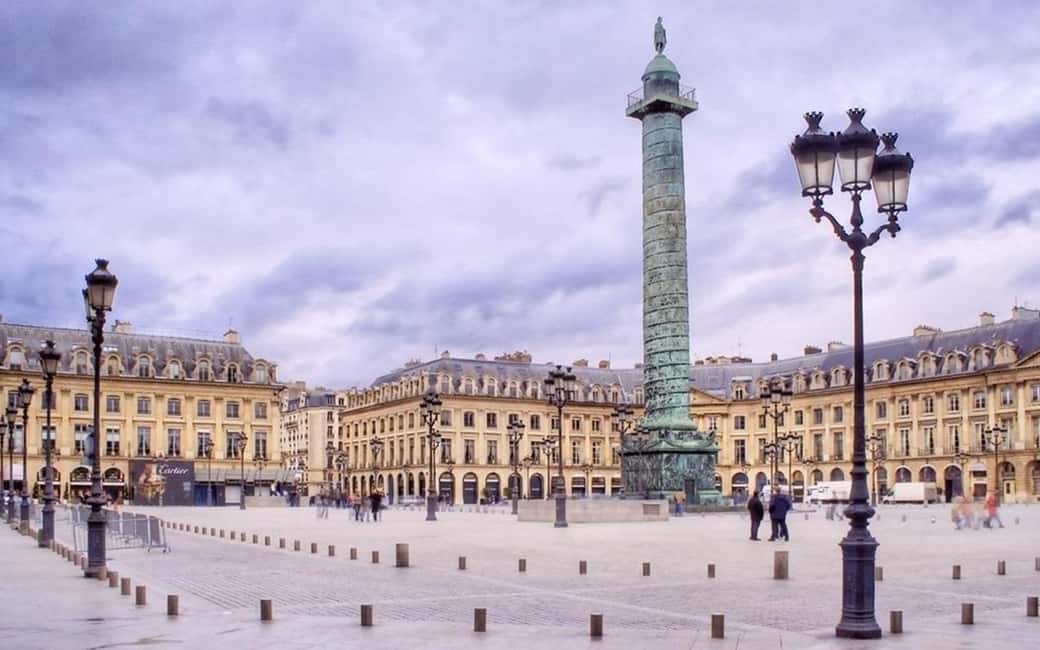
From there, the tour commonly swings through Place Vendôme, which is compact and photogenic. You’ll get a sense of the polished, upscale center of Paris in a short time. It’s also a good stop for people who like architecture details, because the facades and symmetry read clearly even in a quick pause.
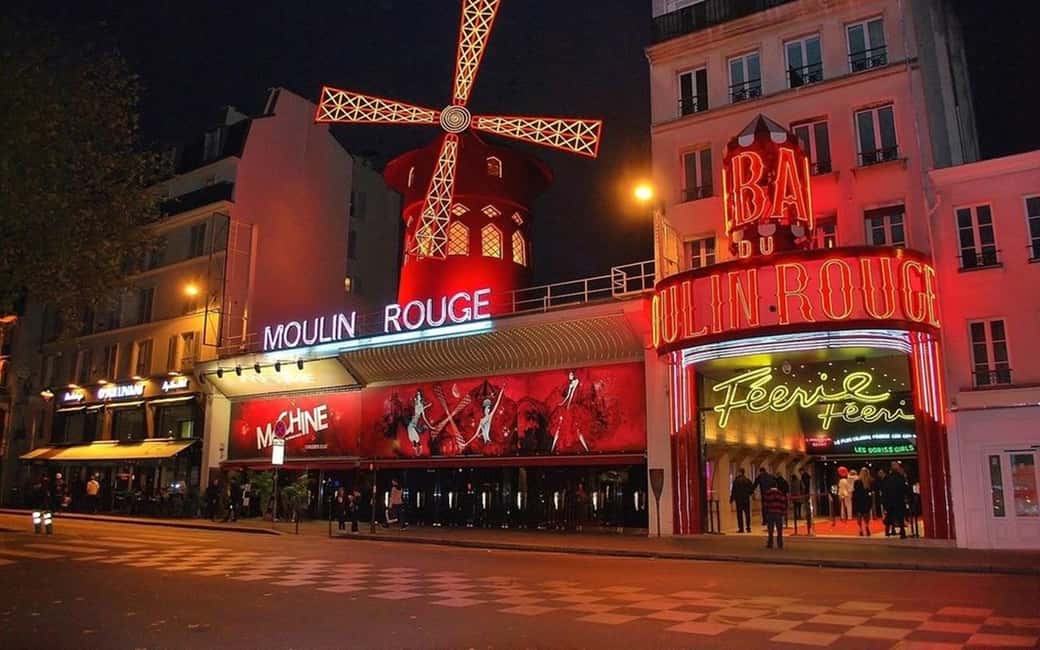
Then comes the Moulin Rouge area. This is one of those “only in Paris” scenes. You’ll be in the right neighborhood for the famous red windmill photo moment, and the atmosphere is lively even when you’re only there for a brief stop. The key is to keep your expectations realistic: this is usually a view-and-photo moment, not a long nightlife immersion.
A consideration: because this is a quick-stop style day, you should decide in advance what you want most—architecture shots, boulevard scenes, or neighborhood vibe. You can’t fully do all three in the same short window, and the guide can only do so much when traffic decides your route length.
Montmartre and Sacré-Cœur: the artsy climb, minus most of the hassle
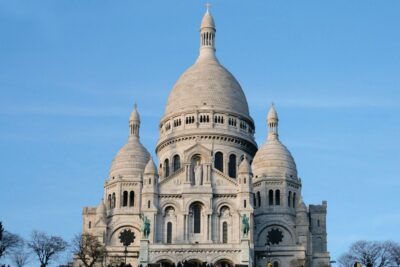
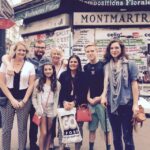
If you’ve ever tried to plan Montmartre on your own, you know it’s doable—but it can be time-consuming. The value of a private car day is that you get to this area with less friction, then you can focus on the key experience: the artistic streets and the Sacré-Cœur Basilica viewpoint.
Montmartre is all about atmosphere. Even if you only spend a short amount of time there, you’ll notice the streets feel different from central Paris. It’s a good neighborhood to “wander your eyes” rather than power-walking. If you’re the type who likes to pause and look at street scenes, this part of the day rewards you.
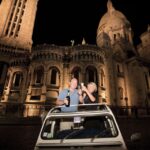
Sacré-Cœur is the anchor. You’ll have a chance to visit and take in the views. The guide can help you time your arrival so you’re not stuck waiting in the middle of a crowd, though exact conditions vary by day.
One practical note: the tour operator lists a dress rule that includes no jeans, shorts, sportswear, or sports shoes. For Sacré-Cœur and cathedral-area visits, it’s smart to show up in something that fits those guidelines so you don’t get turned away or feel underdressed.
You can also read our reviews of more tours and experiences in Paris





Palais Garnier and the Louvre orbit: art without the museum marathon
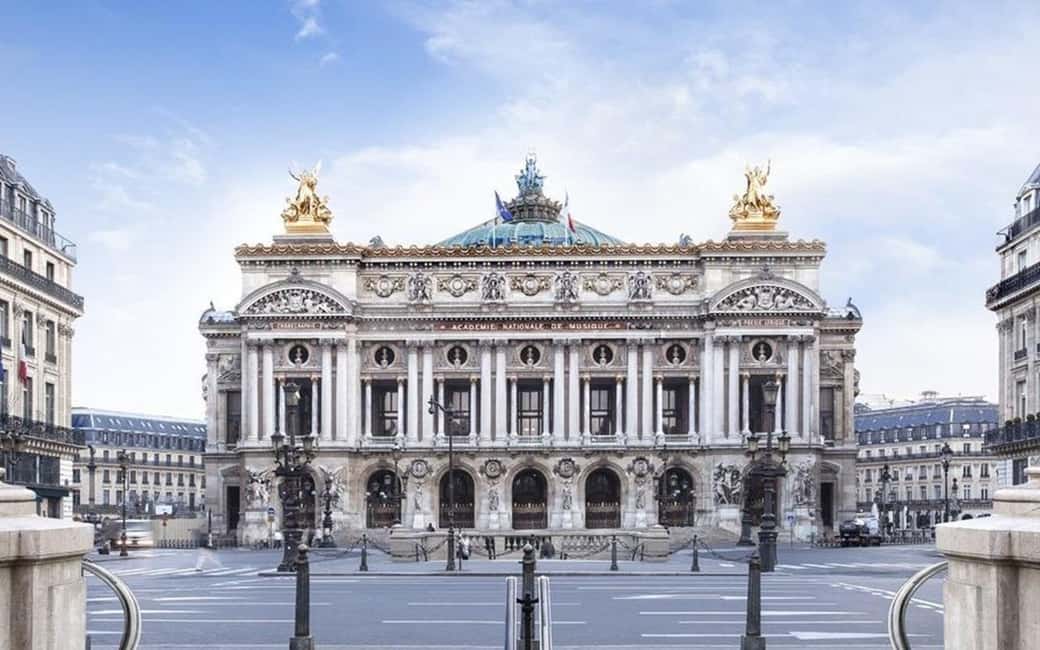
After Montmartre, you often roll back into the “culture corridor.” Palais Garnier is a common stop because it’s an iconic exterior and a powerful reminder of how theatrical Paris can feel even when you’re just looking at buildings.
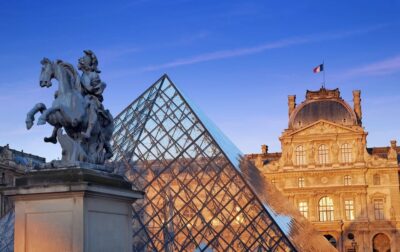
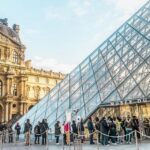
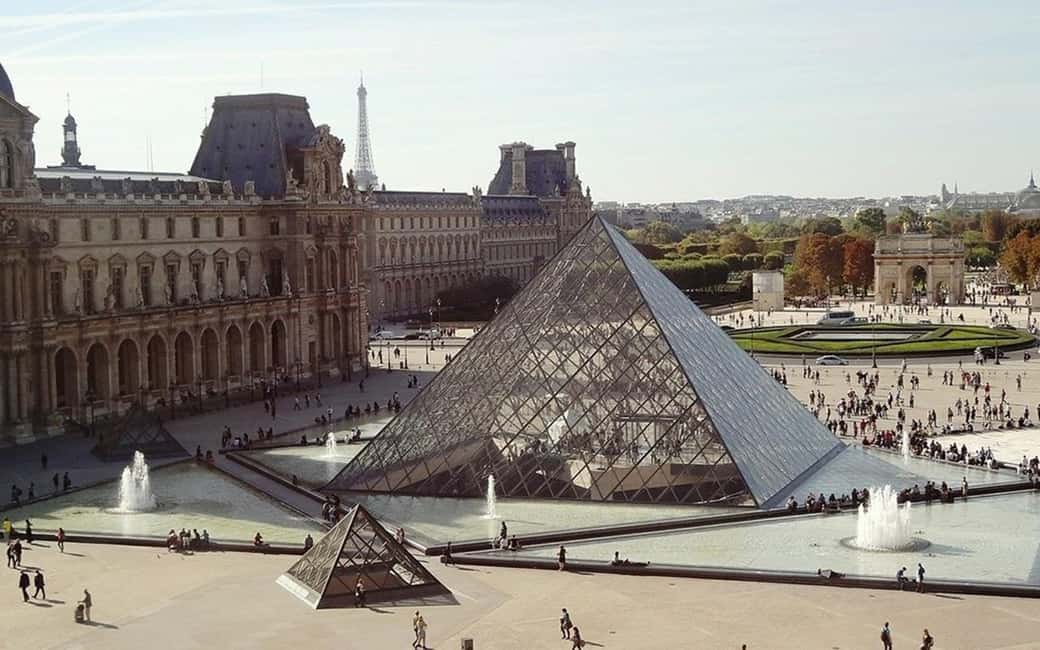
From there, the route often reaches the Louvre Pyramid area. The tour approach here usually leans toward getting the exterior experience and the surrounding sights in a compact way. If you want to go inside, the provider says licensed guides and tickets can be added, which is where the day can shift from car sightseeing into a deeper museum plan.
A quick art tip: if you’re not planning museum hours, make the Louvre-area stop about vantage points and photos. The Louvre is one of those places where you can lose time trying to “see it all.” A short stop is enough to orient you so your future museum visit feels more intentional.
In many itineraries, you also get a stroll moment near the Tuileries Garden. That’s a good reset after big-city architecture. Gardens give you a place to breathe, stretch your legs, and stop rushing for a few minutes.
Musée d’Orsay and the garden breaks that keep the day from frying you
A standout aspect of this style of tour is the pacing. You’re not stuck in one long monument line. You often get small resets, like Luxembourg Gardens, and that changes how the whole day feels.
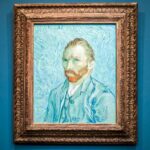
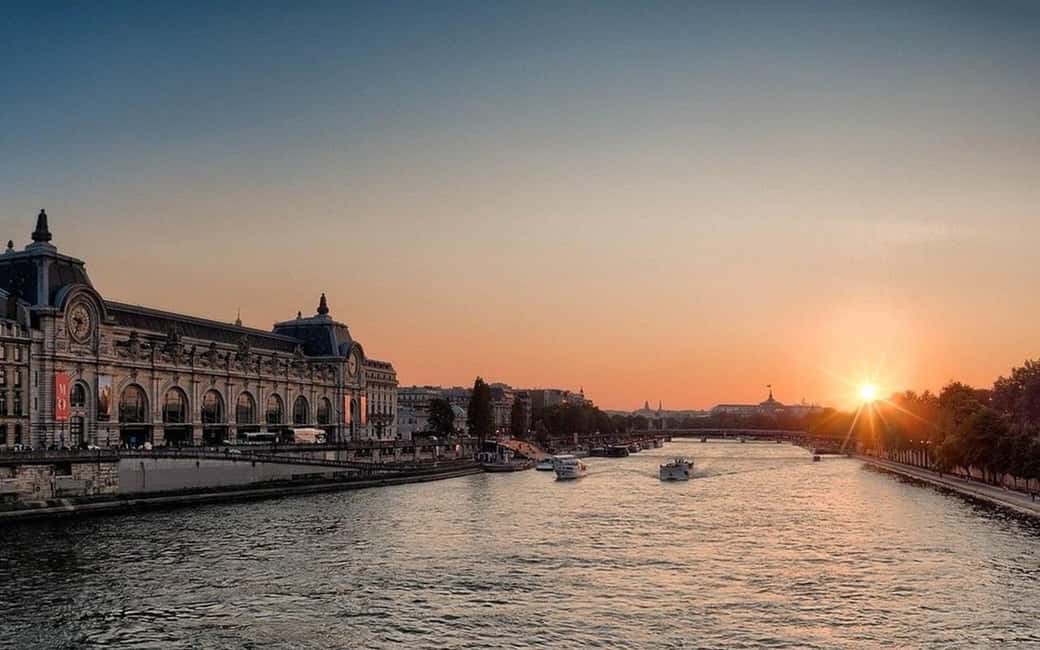
Musée d’Orsay typically shows up as a brief stop at the former railway station turned museum. Even if you don’t go in, the building and setting are enough to make it worth the pause. It’s also a strategic stop: you get a sense of Paris’s art history without losing hours to museum planning.
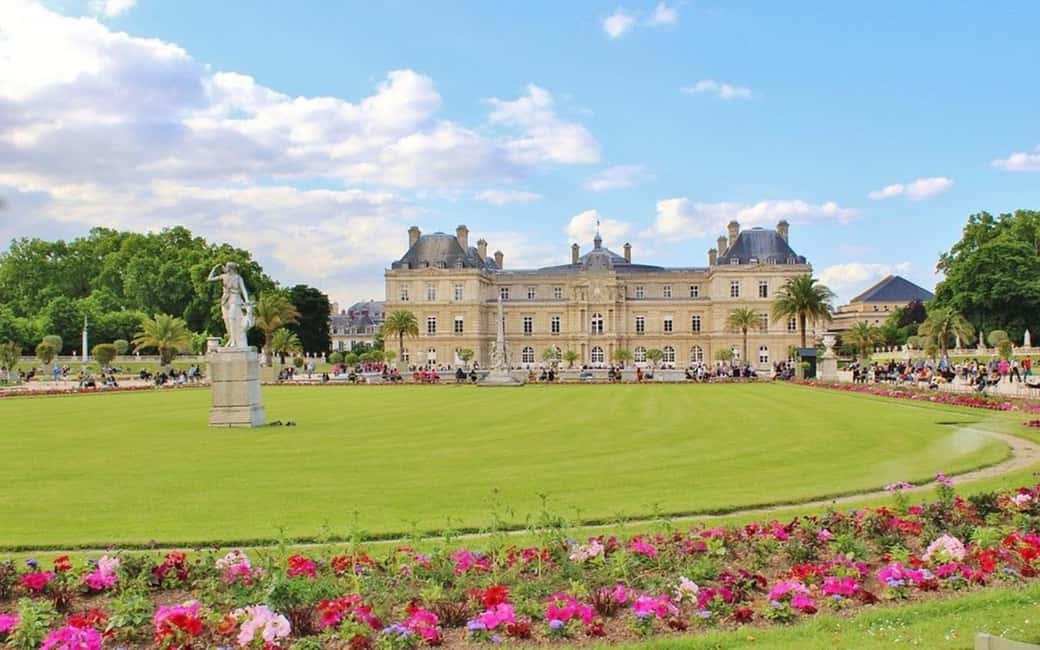
Then you land in one of the best “slow down” spots in central Paris: Luxembourg Gardens. This is where you can sit, watch people, and let the city land in your brain instead of bouncing off your calendar. If your day includes a lot of iconic stops back-to-back, these garden breaks stop you from feeling like you’re sprinting from photo to photo.
If you’re traveling with kids, this is often the part where attention levels stabilize. If you’re traveling solo or as a couple, it’s a nice moment to clear your head before the cathedral and river-adjacent zones.
Notre-Dame area and the Left Bank: old bridge vibes and big-city stories
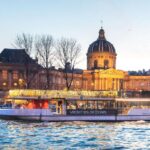
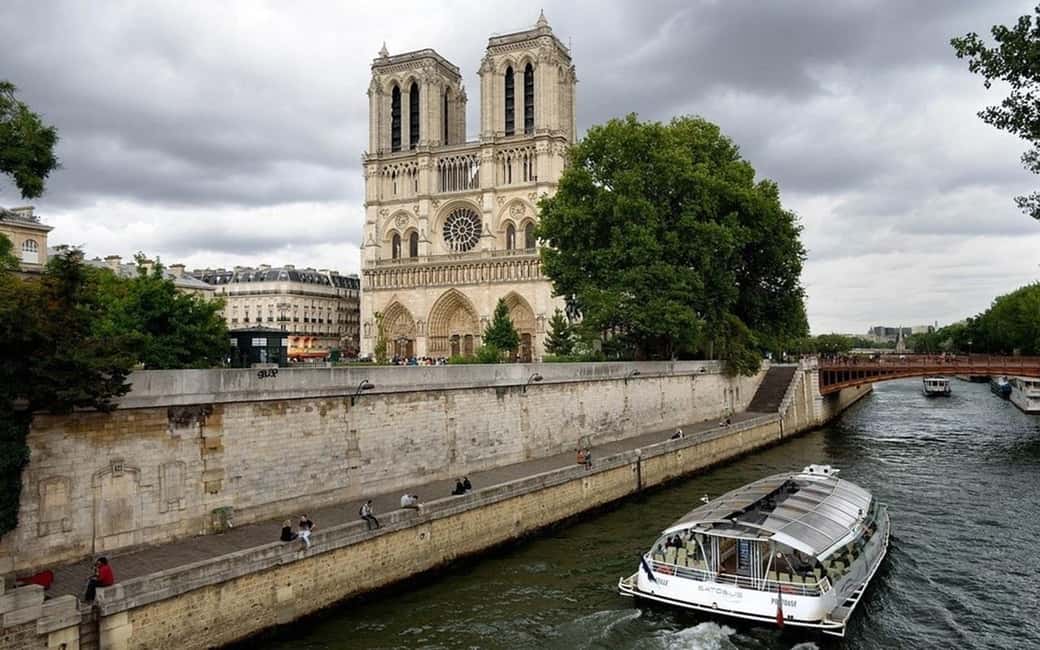
Next, the tour often swings into the center-left side experience. You’ll typically get to Notre-Dame Cathedral area, plus time to walk and take in the architecture. The plan may also include the Pont Neuf experience, which is tied to that “old Paris” feeling because it’s one of the city’s oldest bridges.
This part of the day is valuable because it shifts the tone. Central Paris is about grand boulevards and iconic landmarks. The cathedral-and-bridge zone feels more human-scale, with streets that encourage short walks and looking up at stone details.
Some versions of the route also point you toward the Latin Quarter and Panthéon area. Even a short stop here helps you understand why the Left Bank matters in Paris—student energy, old streets, and a strong sense of place. If your 8-hour day includes this segment, it tends to make the whole tour feel less like “greatest hits” and more like a tour of Paris’s identity.
Optional extensions that history lovers will like: Invalides and Napoleon
If you choose the longer day, you may have room to add the Les Invalides area and Napoleon’s Tomb. This is one of the most straightforward “history heavy” stops in central Paris.
It also fits well with a private car tour because you can arrive with less hassle and keep the day flowing. If you’re the type who likes museums and monuments, this area can turn your day into more than just postcard photography. You get context, and you get a clear sense of why certain buildings matter to French national storylines.
Even if you don’t go inside every site, the exterior and surrounding complex still communicate the importance. For many people, it’s one of the best “big meaning in a small footprint” stops you can squeeze into a sightseeing day.
Dress code and comfort: your practical checklist before you go
Paris sites can be strict, and this tour comes with a clear guideline: no jeans, no shorts, no sportswear, and no sports shoes. That’s not something to ignore. It’s worth wearing a simple outfit that passes the rule and still lets you walk a bit at stops like basilicas and garden areas.
Comfort matters because you’re mixing car time with short walks. I suggest:
- Comfortable non-sport shoes you can stand in
- Layers, since the weather around viewpoints can feel different than in the car
- A phone camera charged enough for quick photo windows
Also remember: visits may be outdoors-focused with optional add-ons. So your clothing should work for outdoor time, not just museum air-conditioning.
Price and value: is $252 per person a good deal
At $252 per person, this isn’t a bargain tour. The value is in three things you’re buying: private transport, hotel pickup/drop-off, and a guide who can adjust your route.
If you’re traveling with one other person, this can make sense because you’re effectively paying for a private driver-guide experience without the hassle of arranging it yourself. Compared with a public group tour, you’re paying more, but you get control over pacing and stops.
Where the price might feel steep is if your top goal is deep museum time. The day is built around seeing a lot of landmarks, usually with short pauses. Meals aren’t included, and tickets are not included by default. If you want major interior visits, you’ll likely add tickets and possibly licensed guide time, which changes the overall spend.
So here’s the honest way to judge value: if you want a comfortable, efficient Paris loop with flexibility, it can feel worth it. If you want an all-day museum curriculum, it may feel like you paid luxury rates for “drive-by” sightseeing unless you upgrade the add-ons.
Guide style expectations: when you’ll get story time
The guide role matters here. The provider describes drivers acting as informal local guides, sharing history and stories while also suggesting adjustments and quieter spots. On strong days, that turns each stop into something more than a location name.
I’ve seen guide names like Ramen, Dean, and Asim associated with especially positive experiences, with comments about flexibility and explanation quality. The fair takeaway for you: the tour can deliver great storytelling, but it may not always hit a strict, lecture-heavy format at every single site. One day might feel like a smooth narrative; another day might feel more like a careful chauffeur with helpful facts.
If you care about detailed commentary, do this: tell your guide up front what you want most—architecture, French political history, art, or neighborhood life. Then ask for the places you’ll spend more time on, and consider adding licensed guide time for the museums or monuments you feel strongly about.
Who should book this private Paris sightseeing tour
This tour fits best if you:
- Are visiting Paris for the first time and want a confident overview fast
- Care about comfort and schedule control more than slow wandering
- Want a private experience with room to adjust stops and timing
- Like mixing big icons with calmer breaks like gardens
It may not be ideal if you:
- Want a full museum day with deep, ticketed interior time at multiple major sites
- Prefer strict, scripted explanations at every location no matter what
- Expect the day to include every single “suggested stop” regardless of traffic
Should you book this tour?
Book it if you want a private car-based Paris day with flexibility and fewer logistics headaches. I think it’s a strong choice for couples, small families, and anyone who wants to see multiple iconic areas without spending their day in transit.
Skip it or plan add-ons differently if your dream is mostly museum interiors and long guided walkthroughs. In that case, you’ll likely want to pair this sightseeing style with ticketed, licensed guide time so the day matches your expectations.
FAQ
How long is the tour?
You can choose a 4-hour half-day or an 8-hour full-day experience.
Is this a private tour?
Yes. It’s a private group experience.
What’s included in the price?
It includes hotel pickup and drop-off, transportation by luxury car, an English-speaking driver/guide, and free Wi-Fi onboard.
Are museum tickets or meals included?
No. Beverages and meals are not included, and tickets are not listed as included by default. Licensed guides and tickets can be added.
Is there a dress code?
Yes. Jeans, shorts, sportswear, and sports shoes are not allowed.
Can you choose how long you stay at each place?
Yes. The tour is designed to be flexible, and you can decide how long to spend at each location. The route may also adjust based on traffic.