REVIEW · PARIS
Paris: Baguette and French Breads Class
Book on GetYourGuide →Operated by Le Foodist · Bookable on GetYourGuide
Baguettes teach tension like nothing else. This 4-hour Paris bread class focuses on the basics you can actually feel in your hands: mixing, proofing, shaping, and baking—the Parisian way. Two things I really like are the step-by-step approach starting from only four ingredients and the fact that you leave with a bag full of your creations. One possible drawback: if you want every moment to be ultra-visible and highly individualized, you may wish there were more time showing dough mixing and oven results in a more detailed way.
What makes this class work for real people is that you are not just watching. You build dough, manage the steps (including deflating and resting), and learn why small technique choices matter, like baguette tension and brioche shaping. And the session ends with time to taste what you made, often with classic add-ons like butter and cheese.
In at least one report, the English instructor Florence is praised for demonstration plus hands-on help. Still, the vibe is small and practical, with participants working in pairs, so you’ll be busy baking rather than standing around watching one person do everything.
In This Review
- Key points you’ll care about before you go
- A 4-hour bread lesson built around real fundamentals
- Ingredients, mixing, and the dough feel you need to watch for
- Proofing, deflating, and timing that makes or breaks the bake
- Shaping baguettes, brioche, and ciabatta: why technique changes everything
- Baguettes: tension is critical
- Brioche: roll and shape
- Ciabatta: another shape lesson
- Signing before baking: why it’s more than just looks
- What you taste at the end, plus how to use your take-home bag
- Price and what $175 buys you in real value
- Small group dynamics: pairs, help, and what to expect from the teaching style
- Who should book this Paris baguette and French bread class?
- Should you book this class?
- FAQ
- Where does this class take place?
- How long is the bread class?
- How much does the class cost?
- Is the instructor available in English?
- How big is the group?
- What breads will I make?
- Do I take the bread home?
- Will I taste what I bake?
- Is this class hands-on or mostly a demonstration?
- What are the cancellation rules?
Key points you’ll care about before you go
- Small group up to 8 people makes it easier to get help while you’re working
- 4-hour format covers mixing, proofing, shaping, signing, and baking
- Multiple breads from scratch including baguettes, brioche, and ciabatta
- Baguette tension and brioche rolling are taught as specific techniques, not vague tips
- Sign your loaves before the oven, because it affects the final bake
- Take-home payoff: you leave with a bag of bread for friends or a later picnic
A 4-hour bread lesson built around real fundamentals
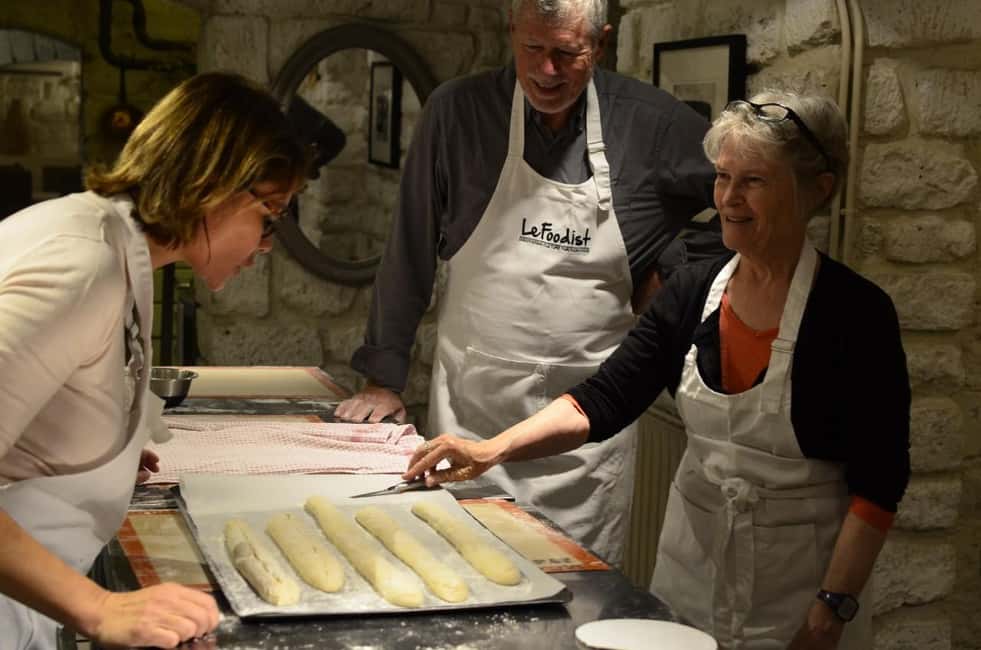
This is a hands-on French bread baking class in Paris that runs about four hours. You start with the simplest truth of baking: flour, water, salt, and yeast. Then you learn how far you can take them just by changing technique and timing, plus a few optional flavor directions like butter or oil.
The good part is the pacing. You’re not thrown into the deep end. You begin with measuring, then mixing doughs, then learning how to judge what you’re making as you go. After that come the steps that decide whether the bread bakes up light and shaped well: proofing, deflating, resting, shaping, and baking.
This also isn’t a one-bread-only class. You’ll work on different shapes and methods, which is exactly what you need if your goal is to understand how French bread actually varies.
You can also read our reviews of more tours and experiences in Paris



Ingredients, mixing, and the dough feel you need to watch for
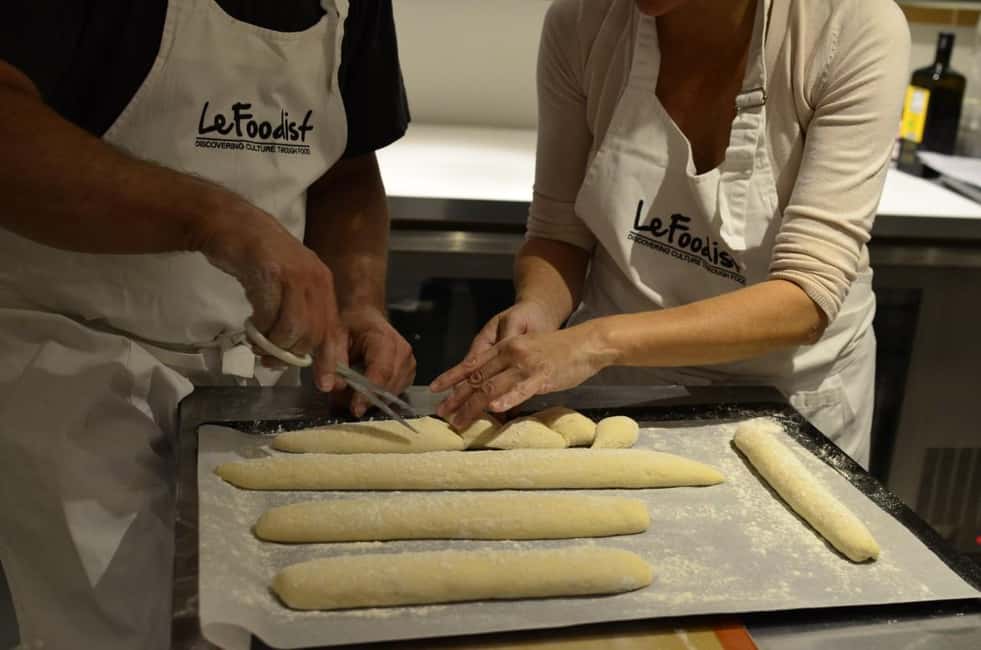
At the start, you focus on the four core ingredients: flour, water, salt, yeast. That matters because it keeps you grounded in the fundamentals. Instead of treating bread as magic, you learn where bread structure begins.
After measuring, you mix doughs first. This is where the class teaches you how to look for the right stage of the dough. The idea is to understand what you are looking for when you mix, because your dough’s behavior tells you how the next steps will go.
One small but important note: even though the class is hands-on, one review suggests you might want even more visibility into certain moments like the dough mixing and what happens during oven baking. If you learn best by watching everything closely and tracking every detail, consider that you may not get a microscope view for every minute.
Still, even in a small class, the main win is learning the “why” behind what you do with the dough. Mixing is not just stirring. It’s the point where dough starts becoming ready for proofing.
Proofing, deflating, and timing that makes or breaks the bake
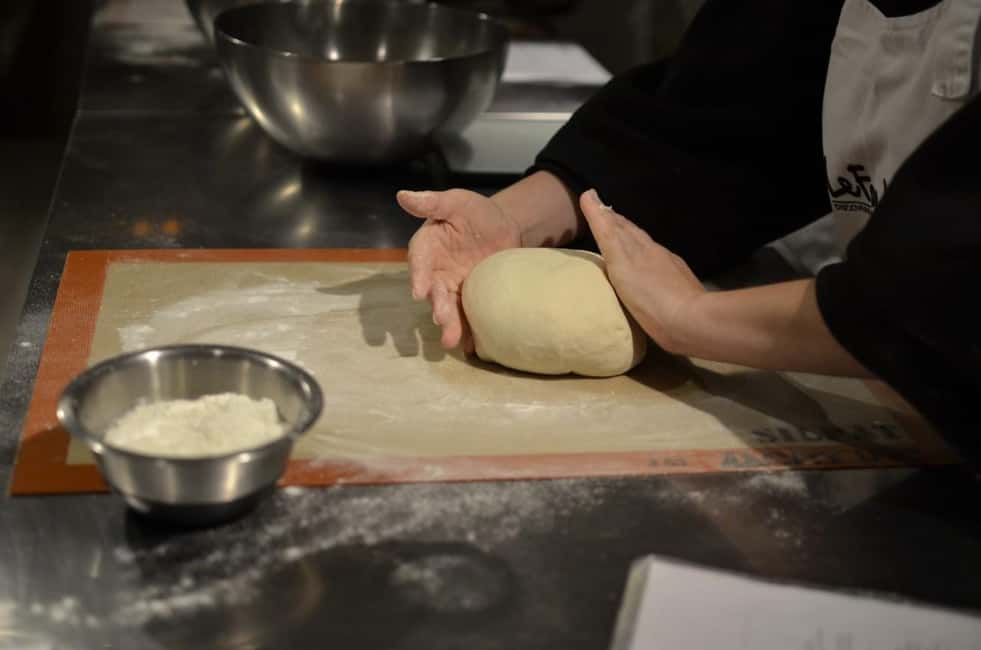
Once your dough is mixed, you move to proofing so it can rise. Proofing is the step where yeast does its work, but you’ll learn it as a technique with timing, not just a waiting period.
Then comes deflating. That step can sound odd if you’re new to bread, but it’s normal in French-style bread making. Deflating helps reset the dough and prepares it for shaping. The class breaks this into technique steps, because each stage affects how the bread will expand in the oven.
If you’ve never baked before, don’t underestimate how much proofing and deflating matter. Under-proofing can lead to dense results. Over-proofing can make dough harder to shape and less predictable during baking. This class’s structure is built to help you feel those differences instead of guessing.
Shaping baguettes, brioche, and ciabatta: why technique changes everything
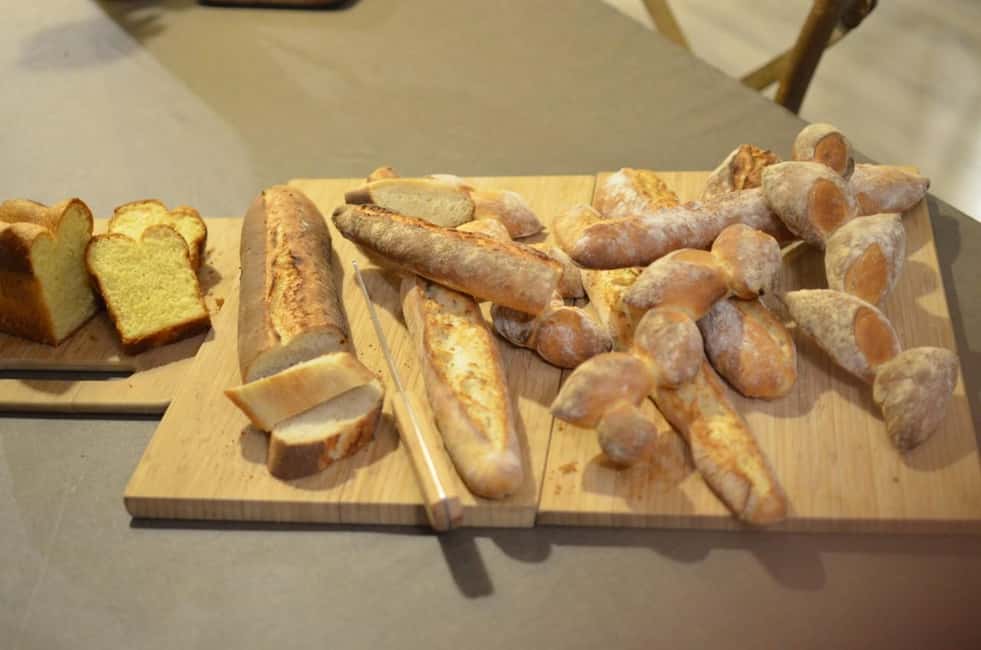
Shaping is the part most people remember, because it’s where the bread starts to look like bread. And in this class, you learn how each shape requires its own method.
Baguettes: tension is critical
For baguettes, you learn that tension is key. In practical terms, shaping baguettes is about creating a surface that can hold the dough’s structure through proofing and into the oven. The tension you build affects how the baguette opens up and how it holds its form.






Brioche: roll and shape
For brioche, the class focuses on rolling as the guiding technique. Brioche has a richer profile and different dough behavior, so the shaping method matters just as much as the ingredients.
Ciabatta: another shape lesson
The class also includes ciabatta, which gives you practice with a different texture and shaping approach than baguettes and brioche. This is one reason the class feels more valuable than a single-loaf workshop. You see how technique shifts from bread to bread.
And because you’re learning multiple shapes, you’re also learning something bigger: bread isn’t one recipe with one method. It’s a set of trades between dough handling, rest time, and shaping style.
Signing before baking: why it’s more than just looks
Before the oven, you’ll rest your dough again and then proof it once more. Then you “sign” your bread.
That part is a big deal. The class treats signing as both aesthetic and critical to success. You learn that scoring (often called signing in bread classes) can help control how the dough expands in the oven, and it’s also how bread gets that classic look.
After shaping and signing, you bake. And this is where the class makes a point that home bakers appreciate: temperature, time, and humidity all impact results. Humidity is not just trivia. It influences crust development and how the loaf rises during the bake.
At the tasting stage, you’ll learn to connect what you did earlier with what happened in the oven. That feedback loop is how bread skills actually grow.
What you taste at the end, plus how to use your take-home bag
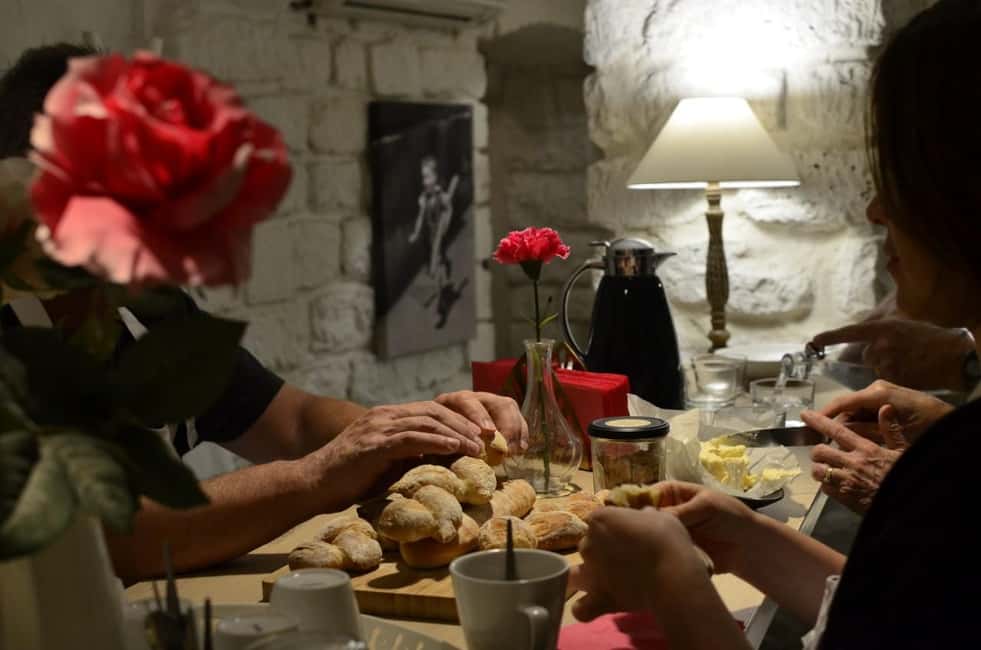
You finish with tasting, and you don’t just sample plain bread. The class builds variety into the experience by pairing your breads with different options, including French cheese, jam, and even bread used like Pain Perdu (a way to enjoy bread with other flavors and textures).
This tasting time is practical. It helps you understand how your loaf works beyond looking pretty. Maybe you’ll find you like baguette with cheese more than jam, or you’ll discover brioche is a jam-and-butter kind of winner. Those are not just cravings. They’re useful info for what you’ll do next time you bake.
Then you take home a bag full of your creations. That’s a real value add because it turns the class into an edible souvenir. You can share it right away, or pack it for a picnic later in the day.
If you’re baking-heavy and love the idea of using your results immediately, this is one of the best parts of the format.
Price and what $175 buys you in real value
At $175 per person for 4 hours, this class sits in the “serious experience” range rather than a casual demo. So the key question is value, not just cost.
Here’s what you get for that price, based on the structure:
- A small group capped at 8 participants
- English instruction
- Hands-on work across multiple breads (baguettes, brioche, ciabatta)
- Step-by-step guidance through mixing, proofing, shaping, signing, and baking
- Tasting with classic pairings
- A take-home bag with your baked goods
If you normally buy bread and rarely cook, you might see the class as expensive. But if you like learning through doing, the price becomes easier to justify. Four hours of guided technique plus multiple bread types is hard to replicate at home for a one-time event, especially when the instructor can help you correct your dough and shaping while you’re still in the process.
Also, the small group size matters. In a larger class, you can get stuck waiting. Here, the format makes help more likely when you run into issues like dough readiness or shaping tension.
Small group dynamics: pairs, help, and what to expect from the teaching style
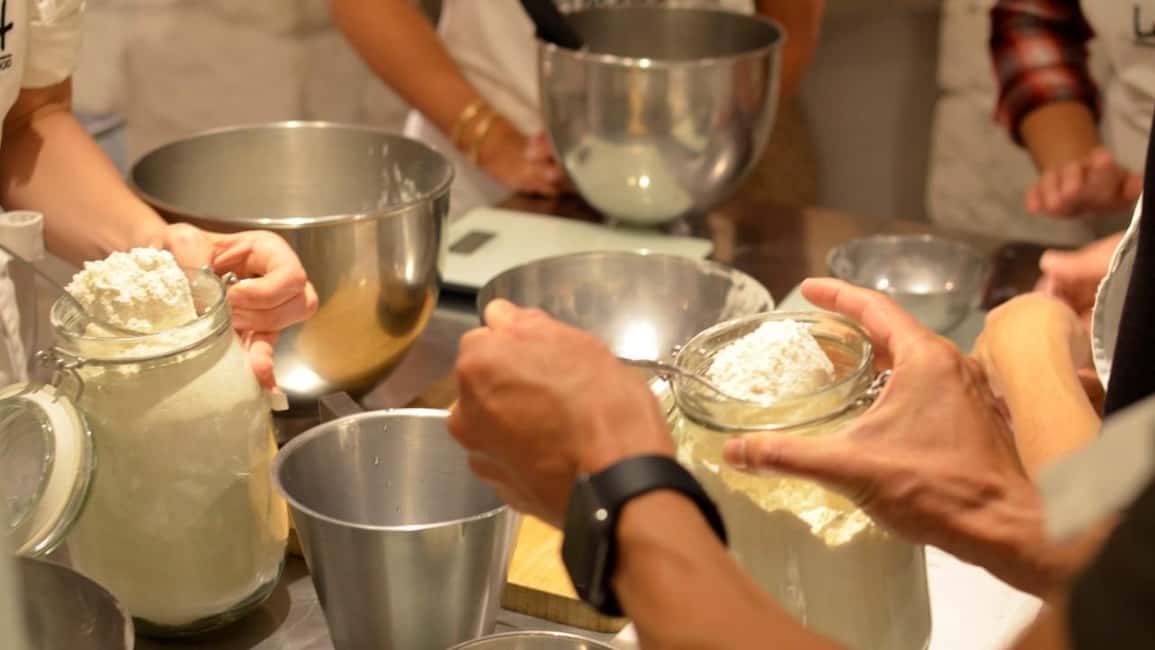
This is a small group class limited to 8. One review notes that you work in pairs, and you eat what you make together at the end.
That pair structure is a double-edged sword. On the plus side, you get a partner to talk with, compare notes, and keep momentum while dough needs time. On the downside, if you want every single step shown clearly in front of you, you might notice the class moves faster than your ideal pace. One review specifically mentions wanting more hands-on visibility for things like watching dough mix, oven bakes, ingredient weights, and clearer identification of which loaves belonged to which pair.
So my practical advice: go in with the right expectations. You will learn by doing, not by observing a perfect example the whole time. If that matches how you learn, you’ll probably love it.
Who should book this Paris baguette and French bread class?
I think this class is a strong fit if:
- You want a true technique lesson rather than a sightseeing cookie-cutter experience
- You already enjoy baking or you’re willing to learn by trial and correction
- You want to go home with multiple bread styles, not one loaf
- You prefer English instruction and a small group setting
It’s probably less ideal if:
- You need nonstop one-on-one attention and constant step-by-step visual checking
- You want the class to slow down around ingredient weights and oven observation
- You get frustrated if you have to rely on instruction plus your own progress rather than seeing everything repeated for each person
That said, the overall tone of the feedback is very positive, with lots of praise for the teacher’s guidance and the fact that you make several breads from scratch in just four hours.
Should you book this class?
If your goal is to learn how French bread actually comes together—baguette tension, brioche shaping, proofing and timing, signing, and baking conditions—then yes, you should seriously consider booking. The small group size, English instruction, and take-home results make it feel like more than a one-time activity.
Book it especially if you want practical skill you can reuse. This class doesn’t just hand you a finished loaf. It gives you the steps you need to recreate the process later, with enough structure that your next bake won’t start from zero.
If, however, you’re hoping for a highly individualized lesson where every dough detail and every oven outcome is tracked and labeled for you, you may find the format a bit more dynamic than you want. In that case, it could be worth choosing a class with a slower pace or more explicit observation time.
FAQ
Where does this class take place?
It’s listed for Paris, Ile-de-France, France.
How long is the bread class?
The duration is 4 hours.
How much does the class cost?
The price is $175 per person.
Is the instructor available in English?
Yes. The instructor is listed as English.
How big is the group?
It’s a small group, limited to 8 participants.
What breads will I make?
The experience includes baguettes and other French breads such as brioche and ciabatta.
Do I take the bread home?
Yes. You leave with a bag full of your creations.
Will I taste what I bake?
Yes. There’s time to taste the breads at the end, with options like French cheese and jam, and bread enjoyed like Pain Perdu.
Is this class hands-on or mostly a demonstration?
It’s a cooking class with hands-on bread making steps, including mixing, proofing, shaping, signing, and baking.
What are the cancellation rules?
Cancellation is listed as free up to 24 hours in advance for a full refund.