REVIEW · PARIS
Paris: Full-Day Cooking Class with 3-Course Lunch
Book on GetYourGuide →Operated by Le Foodist · Bookable on GetYourGuide
Paris cooking starts with choices, not recipes. In a small-group class near the Latin Quarter, you shop for the menu, cook it step by step, and then sit down to eat. I love the hands-on pace and the way you learn real classic French techniques you can reuse at home. I also like the full meal setup: appetizer, main, dessert, plus wine and cheese paired with stories from your English-speaking host. One thing to consider: this is a practical cooking lesson, so if you’re already a very advanced home chef, you might find parts of it a bit basic.
The class runs about 5 hours, welcoming you at 10:30 after the host returns from the local market with fresh produce. You’ll work in a professional kitchen and leave with recipes in both hard copy and electronic format, which makes it easier to cook again instead of just remembering the taste.
In This Review
- Key highlights worth your attention
- Le Foodist in the Latin Quarter: your calm kitchen base
- 10:30 welcome and the market mindset: how the menu gets chosen
- Cooking for real: classic French techniques you can reuse
- The wine-and-cheese lunch: tasting the result, not racing through it
- Meet the instructors: English coaching with personality
- Price and value: is $222 fair for 5 hours in Paris?
- Who should book this full-day class
- Make the most of your day: practical tips before you cook
- Should you book it
- FAQ
- How long is the cooking class?
- Where do I meet for the class?
- What time does the class start?
- How many courses do you cook and eat?
- Is the class taught in English?
- What’s included in the price?
- Can the class handle dietary restrictions?
- Are children allowed?
- What’s the typical group size?
- Is the class refundable if my plans change?
Key highlights worth your attention
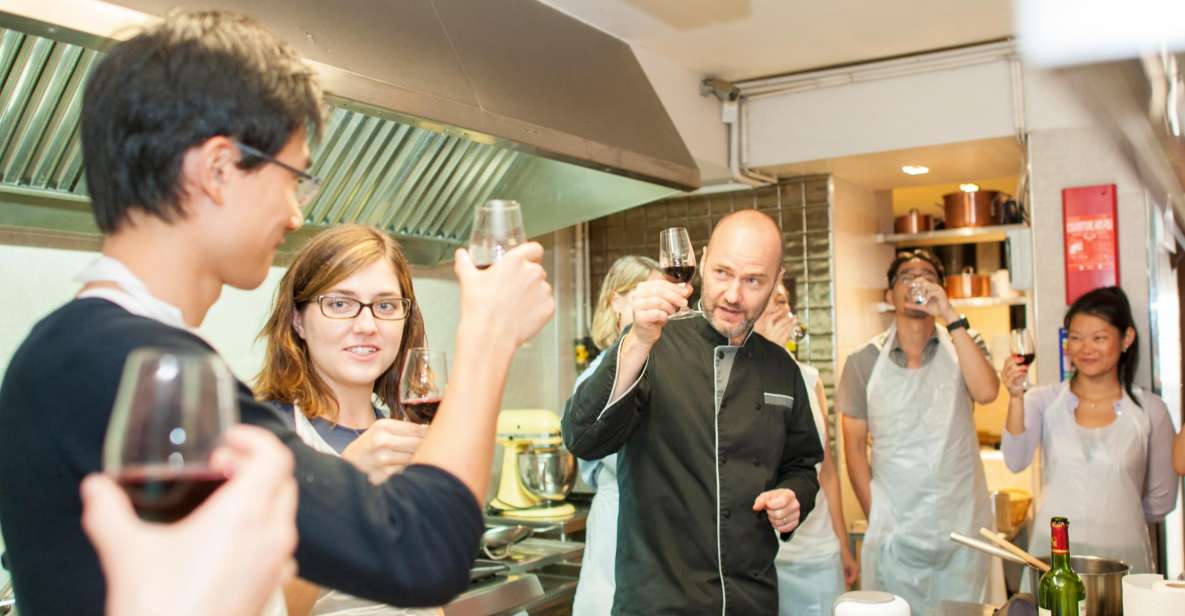
- Market-driven menu planning so your dishes match what’s fresh
- 6–8 technique focus covering how French cooking is built, not just what to make
- Small groups (about 3–7) for more attention and less waiting around
- Wine and generous cheese paired with your meal in a relaxed setting
- English instruction from chefs like Paulo, Luc, and Frédéric, known for humor and clear guidance
- Recipes included in hard copy and electronically, ready for your next cooking day
Le Foodist in the Latin Quarter: your calm kitchen base
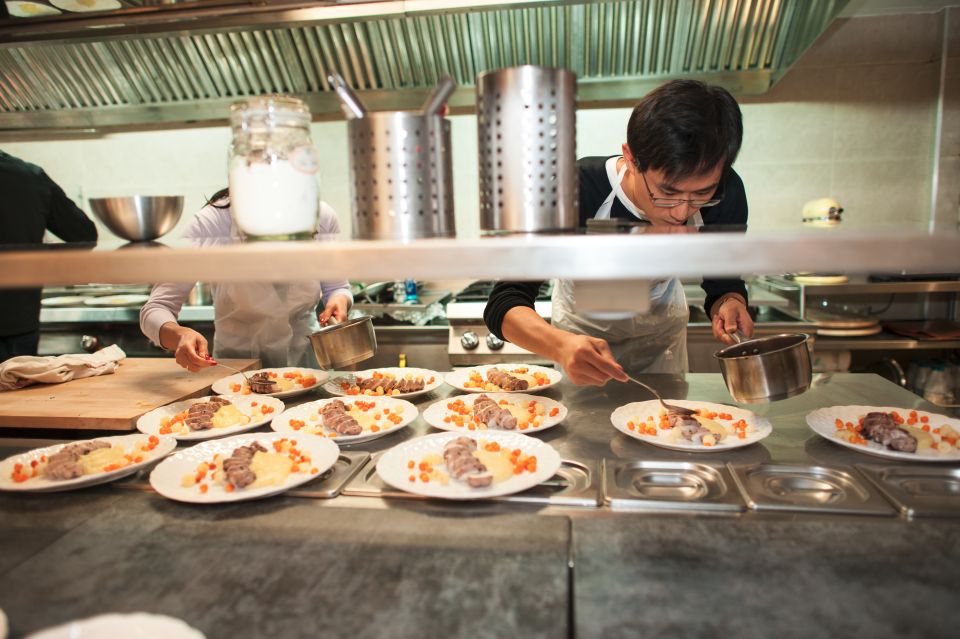
The experience is anchored at Le Foodist, 59 rue Cardinal Lemoine (Latin Quarter, 75005 Paris). This matters because the Latin Quarter isn’t just “where the class is.” It’s a neighborhood where you can turn this day into a food-focused stroll afterward, especially since the meeting area is close to the kind of markets and streets locals actually use day to day.
Inside, you’re not shoved into a cramped corner with one cutting board for ten people. One of the big advantages of this setup is that it feels built for cooking: clean work space, proper equipment, and enough room to watch and participate without constant bumping or bottlenecks.
If you like to plan your days with a clear start point, this one is easy. You show up, get oriented, and then the kitchen schedule takes over.
You can also read our reviews of more cooking classes in Paris


10:30 welcome and the market mindset: how the menu gets chosen
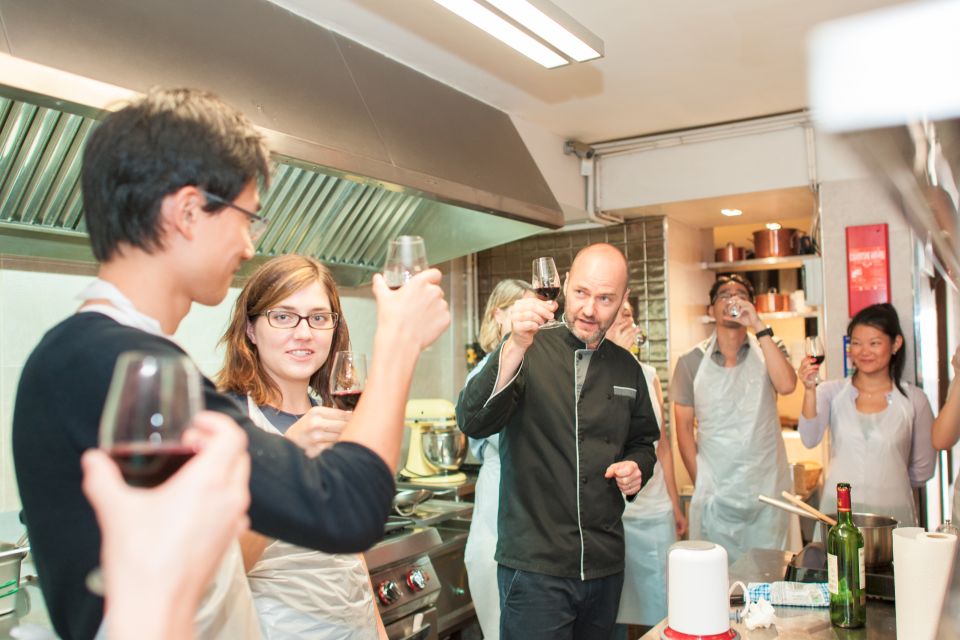
You’re welcomed at 10:30, once your hosts return from a local market with fresh produce. From the way the class is run, the market part isn’t a souvenir stop. It’s where the cooking logic begins.
Here’s what you should expect: your menu is built around the ingredients available that day, so you’re learning a French approach that prioritizes freshness and seasonal decisions over memorizing a fixed list. That means you’ll practice thinking like a cook: what goes together, what needs time, and what can be prepped ahead.
You’ll also hear culinary stories while the shopping and cooking context comes together. Several hosts are described as great storytellers, with one mention of culinary history stretching back 2,500 years. Even if you don’t keep every detail, you’ll walk away with a sense of why sauces, timing, and technique matter in French kitchens.
Cooking for real: classic French techniques you can reuse
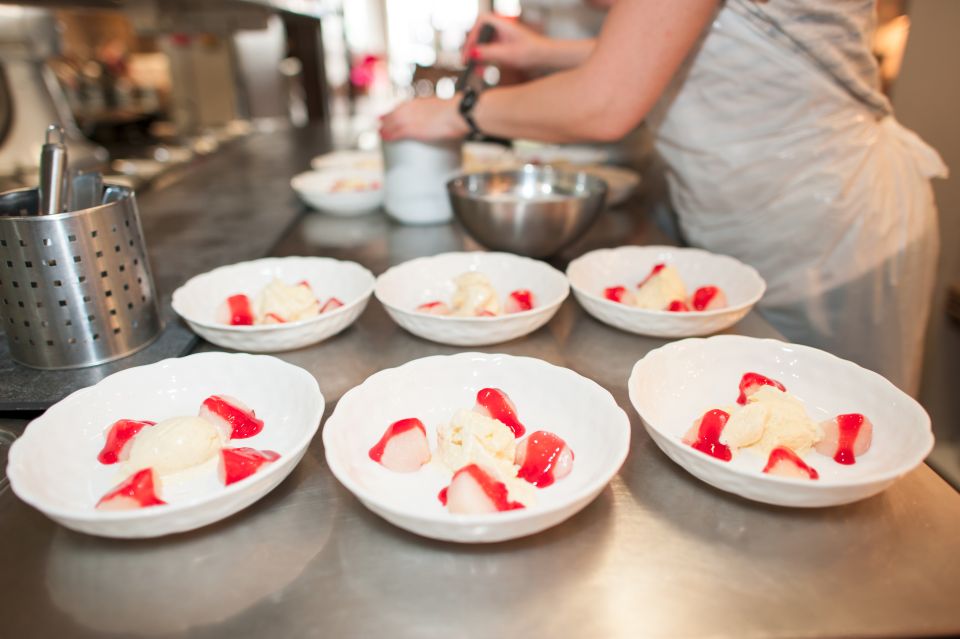
The cooking portion is hands-on and structured around classic methods. In total, you learn about 6–8 different techniques, and the class is designed so you don’t just stand there watching while someone else works.
Typical flow goes like this:
- You start by building your menu: an appetizer, a main course, and a dessert.
- You learn technique as you go, then apply it immediately.
- You get guidance on planning a meal and which steps you can prepare in advance.
One detail I really like is that you’re taught meal planning, not just recipes. French home cooking often works because tasks are staged: you prep components earlier, cook the key element at the right moment, and manage timing so everything lands on the table together.
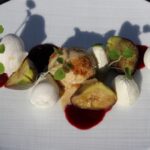
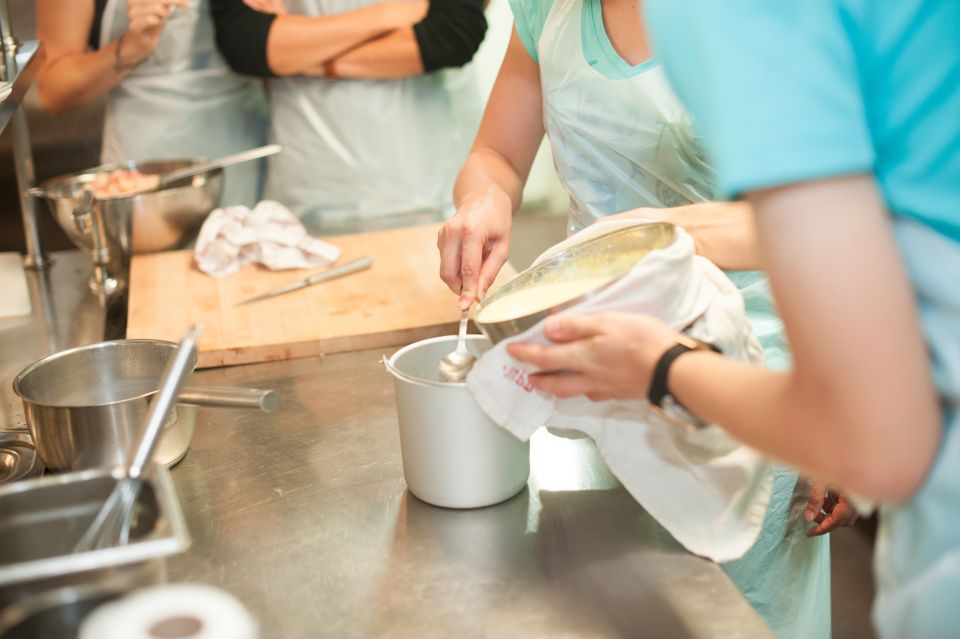
You’ll cook using classic techniques that may include things like ice cream and wine sauce (those two show up explicitly in the class description). Even if your exact dishes differ, the skills behind them are the point: emulsions, reductions, temperature control, and timing.
You may also notice how the class is organized into smaller working stations. Some previous participants noted that even when they didn’t do every single step of each dish, the setup still helped them learn because they rotated through tasks rather than waiting in line.
The wine-and-cheese lunch: tasting the result, not racing through it
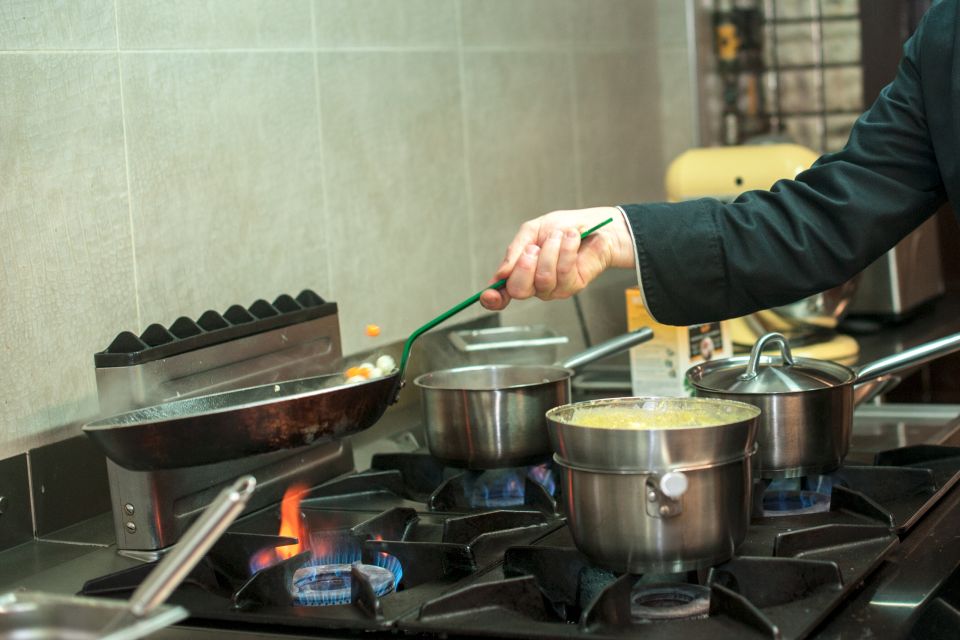
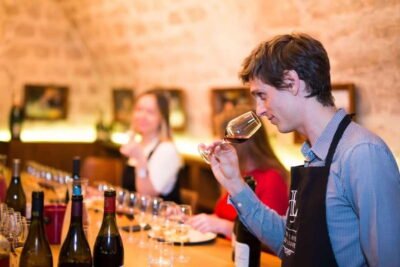
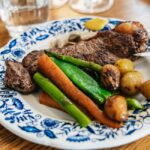
After about 2 hours of cooking, you eat. The break comes with wine (described as a glass or two, depending on how things are paced). Then comes your 3-course meal: the meal you cooked, paired with red and white wines, plus generous cheese.
This part is more than a celebratory finish. It’s a teaching tool. Taste forces you to connect technique to outcome. If a sauce is too sharp, too thin, or not glossy enough, you feel it right away and understand why the instructor pushed certain steps.
Timing is also relaxed. Lunch typically finishes around 15:00, and the class isn’t built around kicking you out the second plates are cleared. That breathing room matters because it gives you time to chat, compare notes, and ask follow-up questions while the day is still fresh.
Meet the instructors: English coaching with personality
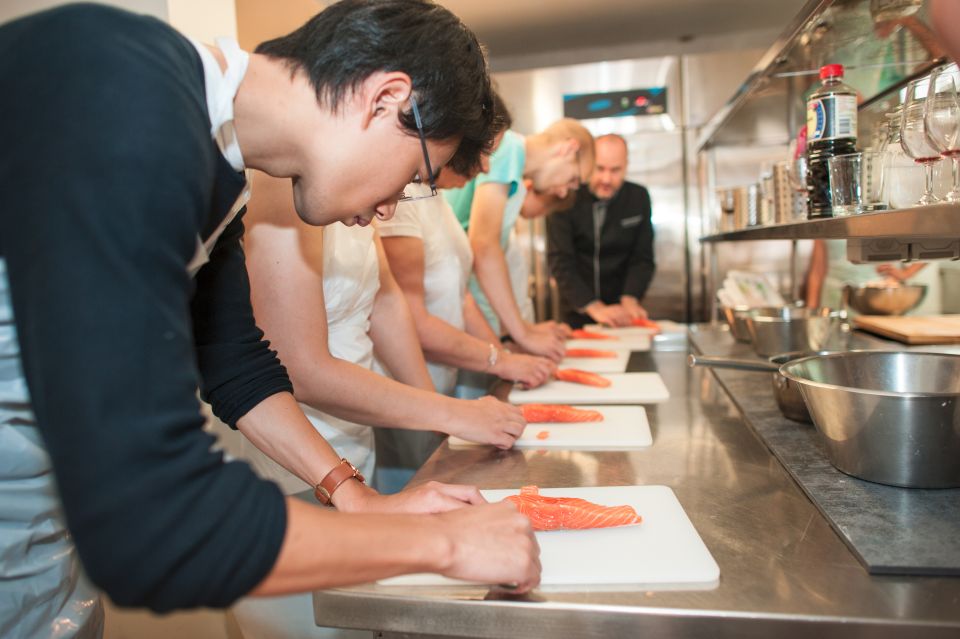
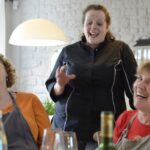
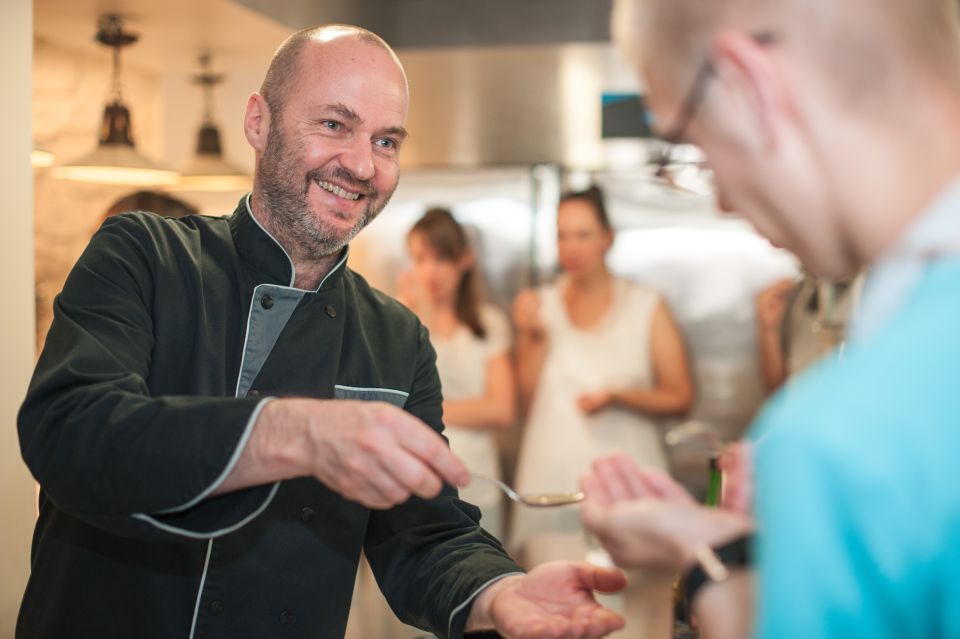
A big reason this class earns strong marks is the teaching style. You’ll get instruction in English, and multiple guides are specifically mentioned by name, including Paulo, Luc, and Frédéric. People consistently describe the hosts as patient, fun, and good at making sure everyone feels comfortable in the kitchen.
What I think you’ll appreciate most is how the instructors blend structure with looseness. They explain what you’re doing and why, then keep the room light enough that questions don’t feel like interruptions. One review singled out a chef’s mischievous humor and cultural anecdotes, and another highlighted how the market walk was especially engaging with lots of context.
In a kitchen class, “good teacher energy” is not a fluffy add-on. It’s what helps you actually learn knife skills, sauce logic, and timing decisions instead of just getting through a recipe.
And yes, you’ll likely leave with techniques you can apply fast. One person highlighted improved confidence with cooking chicken breast, and another mentioned classic tips around butter and flavor.
You can also read our reviews of more tours and experiences in Paris




Price and value: is $222 fair for 5 hours in Paris?
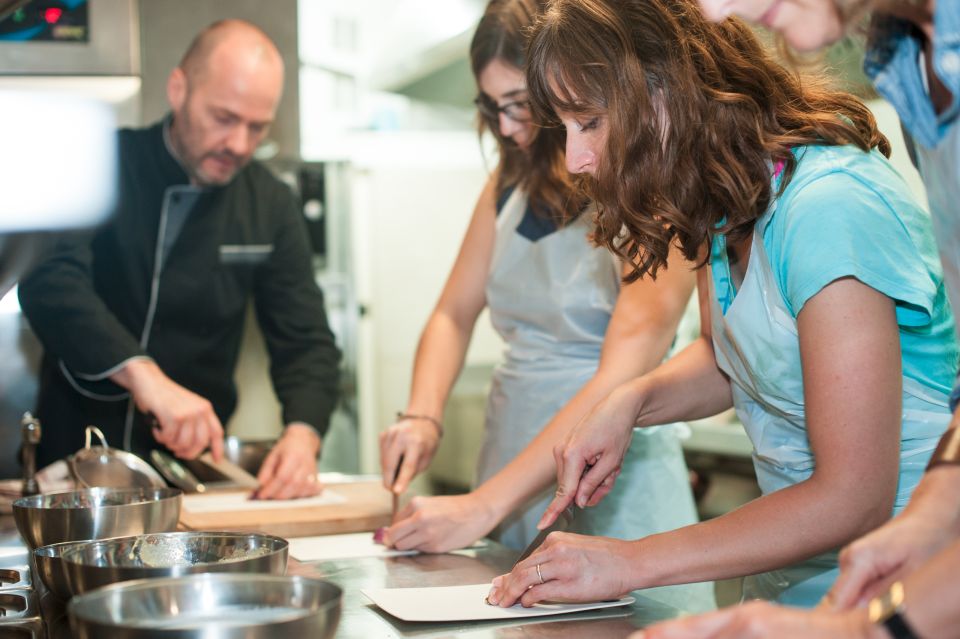
At $222 per person for roughly 5 hours, the cost sits in the “not cheap, but not random” category. The value isn’t just that you eat French food. You’re paying for:
- a small-group format (typically 3–7 people)
- a professional kitchen setup (tools, equipment, apron)
- market-driven ingredient selection and in-person coaching
- a full 3-course lunch with wine and cheese
- recipes provided in English (hard copy and electronic copy)
So you’re basically buying a full lesson + a meal + a guided tasting experience, all in one.
That said, one caution from the feedback: at least one participant felt the price was expensive for a shorter effective duration. I can’t control how long any day feels, but I can tell you what to do about it. Go in expecting a real cooking workshop with time to learn, not a quick demo. If your goal is only to sample food, you might be happier with a lighter tasting tour. If your goal is skills you’ll use again, this price starts to look more reasonable.
Who should book this full-day class
This is a great fit if you:
- want to learn how French cooking works in practical steps
- enjoy hands-on cooking over watching
- like a social setting where you can meet other travelers and talk food
- want to leave with recipes you can use at home, not vague memories
- care about English-language coaching in a French setting
It’s also likely a good match if you have dietary needs, as long as you plan ahead. The class asks you to advise restrictions at least 24 hours before the class, and one participant reported that a vegetarian menu was accommodated.
Two “not for everyone” notes from the information you were given:
- Children under 10 aren’t permitted.
- If you’re already a very seasoned home chef, you might find the recipes and structure a little straightforward. Some people still enjoy it for the techniques and atmosphere, but it’s not marketed as a high-level culinary boot camp.
Make the most of your day: practical tips before you cook
Here are the small moves that help you get value out of any cooking class, and they fit this one well:
- Arrive hungry and on time. You’ll be cooking right after the 10:30 start, and once the lunch is served you’ll want to focus on tasting, not clock-watching.
- Plan for wine pairing. Wine is included, so pace yourself if you plan to stroll afterward in the neighborhood.
- Ask about prep you can do at home. The meal-planning lesson is one of the most reusable parts. If you remember only one thing, make it the order of operations.
- Take notes even with recipes. You’ll get the English recipes in hard copy and electronic form, but notes help you remember the instructor’s reasoning, like how to judge sauce thickness or when to reduce.
- Let them know dietary needs early. The class asks for it 24 hours prior, and giving clear details helps your menu stay coherent.
If you want a low-effort Paris add-on, consider turning this into a neighborhood day afterward. Since Le Foodist is near areas like Rue Mouffetard, you can keep the food theme going with an easy walk and market atmosphere.
Should you book it
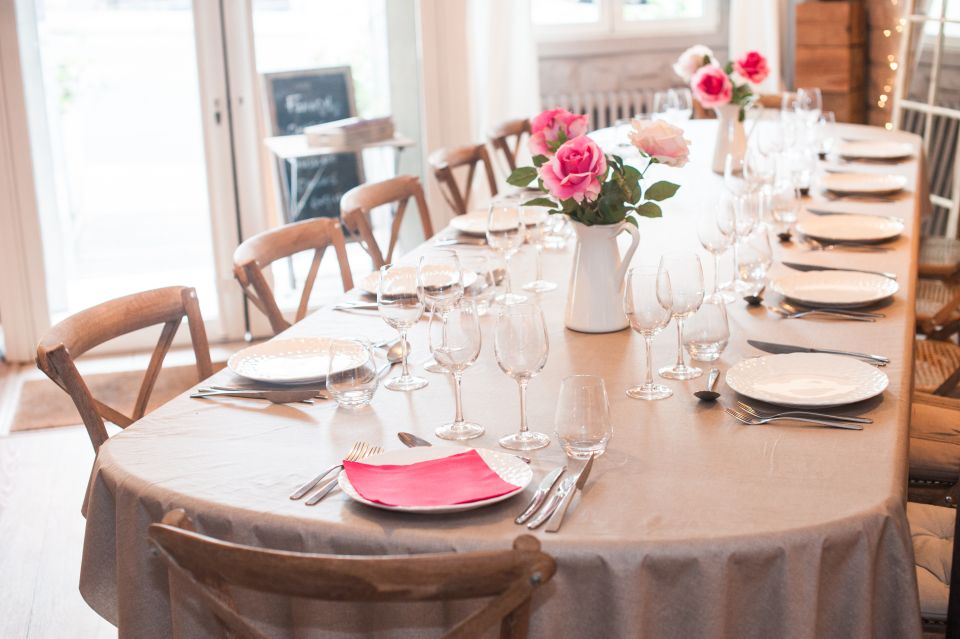
I’d book this cooking class if you want more than a meal. The best version of this experience gives you the full loop: you pick ingredients, learn techniques step by step, then eat what you made with wine and cheese while your instructor ties food to culture.
It’s especially worth it if you’re the type of traveler who likes bringing something practical home. Recipes in both hard copy and electronic form mean you can actually repeat what you learned, not just admire it for one afternoon.
I’d pass or look for a more advanced class if you already cook frequently at a high level and want a tougher technical challenge. And if you’re bringing younger kids, note that the class doesn’t allow children under 10.
FAQ
How long is the cooking class?
The full experience runs about 5 hours.
Where do I meet for the class?
You meet at Le Foodist, 59 rue Cardinal Lemoine, 75005 Paris.
What time does the class start?
You’re welcomed at 10:30.
How many courses do you cook and eat?
You cook a menu with an appetizer, main course, and dessert, and then you eat the full 3-course meal.
Is the class taught in English?
Yes, instruction is in English.
What’s included in the price?
The class includes a 3-course meal with cheeses and red and white wines, use of cooking equipment and an apron, and recipes provided in English in both hard copy and electronic format.
Can the class handle dietary restrictions?
You should advise any dietary restrictions at least 24 hours before the class, and the menu can be adjusted.
Are children allowed?
Children under 10 years old aren’t permitted.
What’s the typical group size?
The class is typically small, limited to about 3 to 7 people.
Is the class refundable if my plans change?
Free cancellation is available up to 24 hours in advance for a full refund.
If you tell me your cooking comfort level (total beginner vs. regular home cook) and whether you have any dietary needs, I can help you decide if this is the right match for your Paris day.