REVIEW · PARIS
Paris: Macaron Baking Class in Central Paris
Book on GetYourGuide →Operated by Studio Pâtisserie · Bookable on GetYourGuide
Macarons feel like tiny chemistry you can eat. This Central Paris baking class turns the famous cookie into a practical, hands-on lesson in technique, with English guidance and a take-home payoff at the end.
I love how hands-on the session is, not just watching from the sidelines. I also love that instructors like Chef Leo focus on the why behind the steps, including the real details that help macarons rise and form properly.
One possible drawback: this class is not suitable for vegans and it’s not for people with nut allergies, plus it’s not for kids under 12.
In This Review
- Key things to know before you go
- Central Paris macaron class at Studio Pâtisserie: why this is worth your time
- What happens during the 150 minutes (shells, fillings, and the bite test)
- 1) Learning the macarons workflow
- 2) Baking and waiting for that texture moment
- 3) Assembling, then tasting your finished macarons
- The instructor makes or breaks it: Chef Leo and the clear-teach style
- Small group setup in a clean studio: how that helps your results
- The macaron science you actually practice (so you can repeat it later)
- Flavors and expectations: what you might taste and make
- Price in perspective: $122 for hands-on skill, not just sweets
- Who should book this class (and who should skip it)
- How to plan your day: practical tips before you show up
- Should you book the Paris macaron baking class?
- FAQ
- How long is the macaron baking class in Paris?
- How much does the Paris macaron baking class cost?
- Is the class taught in English?
- Is it suitable for children?
- Is it vegan-friendly?
- Where is the meeting point?
Key things to know before you go
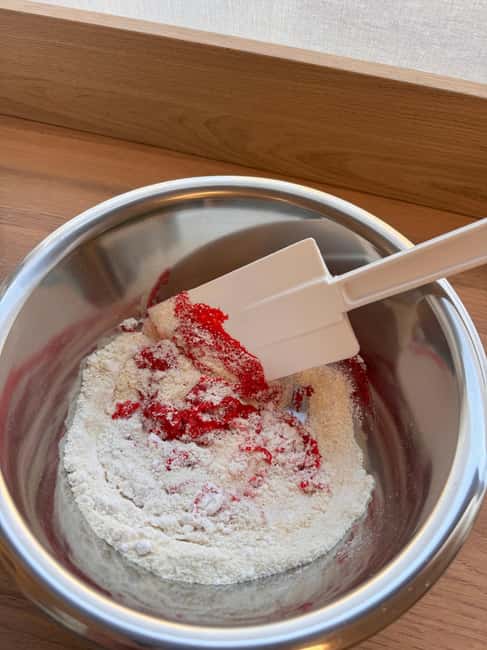
- Small group (max 10): you get time and attention while you mix, pipe, and bake
- English instruction: clear explanations and Q&A throughout
- Shells and fillings, start to finish: you practice technique, not just assembly
- Macaron science focus: mixing consistency, timing, and troubleshooting matter here
- You leave with more than a lesson: you taste what you make and take home a recipe (and often a box of macarons)
- Diet and allergy limits: nut and vegan restrictions are real here, so check before booking
Central Paris macaron class at Studio Pâtisserie: why this is worth your time
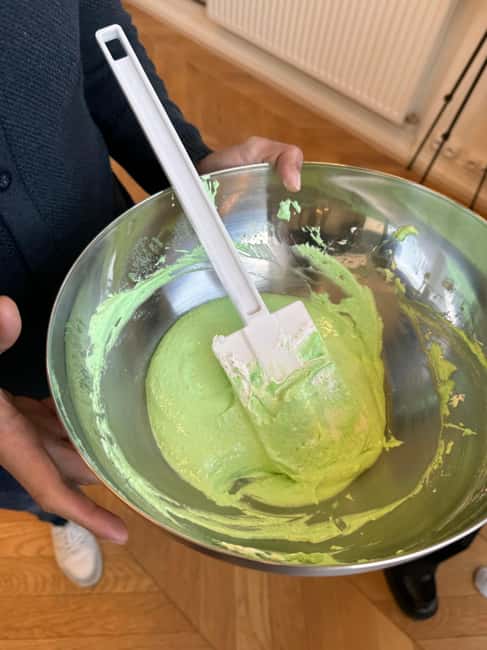
Paris has no shortage of food experiences, but a macaron class hits differently when you treat it like a craft. You’re not just buying a sweet souvenir. You’re learning the method behind that crisp shell and chewy center that people chase all over town.
What makes this class feel like good value is the mix of structure and freedom. You get a guided intro to macaron history and ingredients, then you jump right into doing the work: shells, fillings, piping technique, and the little adjustments that keep the batch on track. It’s also capped at 10 participants, which matters when the goal is accuracy, not just entertainment.
If you’re the type who likes taking a new skill home, this one sticks. Multiple people mention they left confident enough to repeat macarons back where they live, using the recipe and troubleshooting tips they were given.
You can also read our reviews of more cooking classes in Paris


What happens during the 150 minutes (shells, fillings, and the bite test)
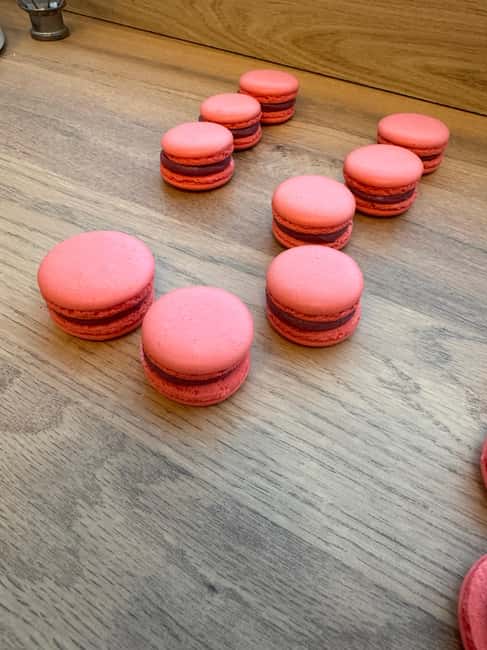
This is a compact class at 150 minutes, so the pacing stays tight. You’ll arrive, get settled, and meet the small group. Then the session starts with a short but useful context piece: where macarons come from, why they became cultural icons, and what role the ingredients play in the final texture.
After that, you shift from story to execution.
1) Learning the macarons workflow
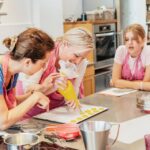
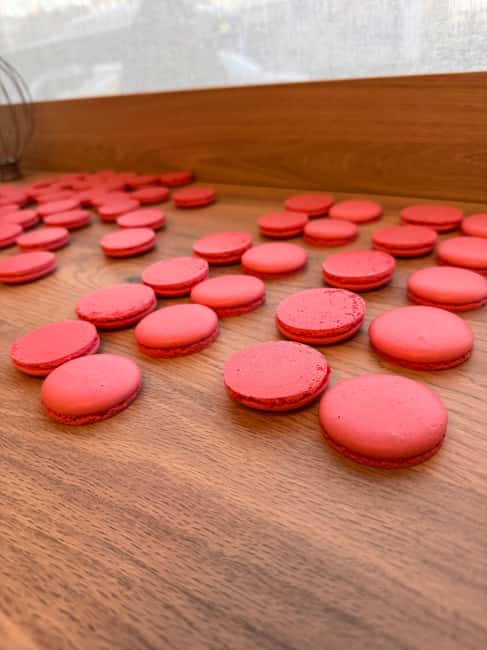
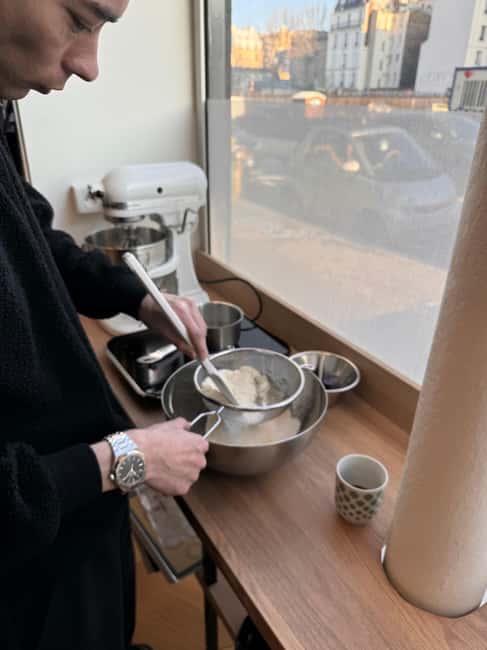
You’ll go through the process for macaron shells and fillings, and you’ll practice core techniques with your instructor’s help. In the best sessions, you are mixing and piping yourself, not just observing. That hands-on element is repeated often in feedback, and it’s exactly what turns the class into a skill-building experience.
You can expect your instructor to highlight what to look for at each stage: batter consistency, how you pipe the rounds, and what you should aim for before baking. Several comments also mention troubleshooting—how to fix problems during the process instead of giving up.
2) Baking and waiting for that texture moment
Macarons require a little patience. While your shells bake and set, you’re still part of the group experience—asking questions, checking notes, and watching what changes during baking.
One review specifically mentions a refreshing drink while waiting, which tells me the studio tries to keep the mood light instead of turning the waiting period into dead time. Still, be ready for some waiting. This is a bake-and-set situation, not a quick oven-to-plate moment.
3) Assembling, then tasting your finished macarons
When everything is ready, you taste what you made. That first bite is the reward, and it also acts like feedback: you can see whether you hit the ideal balance of shell and interior texture.
Many people mention a strong sense of accomplishment when they realize the macarons actually worked. That reaction makes sense. Macarons have a reputation for being tricky, so when you get a good result from your own hands, it feels earned.
You can also read our reviews of more tours and experiences in Paris





The instructor makes or breaks it: Chef Leo and the clear-teach style
The class is taught in English, which is a major comfort factor when you’re learning a finicky technique. Clear language matters most when the steps are precise and the timing is short.
Across the feedback, Chef Leo (and instructors like Maria in some sessions) comes up again and again for a similar reason: they don’t just give instructions. They explain the reasoning behind each step. That approach helps you understand what you’re aiming for, so you can correct mistakes instead of following a checklist blindly.
You’ll also notice personality matters here. People describe the teaching as fun, interactive, and patient, with humor that keeps things relaxed while still serious about the method. It’s the kind of class where you feel comfortable asking questions—even if you’re a total beginner.
Small group setup in a clean studio: how that helps your results
This class keeps the group small: limited to 10 participants. That’s not a “nice to have.” With macarons, space and timing are part of the technique.
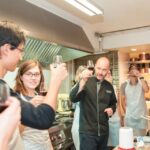
A few comments mention the studio looks new or exceptionally clean, and that the stations are set up so you don’t feel packed in. When your tools are laid out and the space isn’t chaotic, you can focus on doing the steps correctly—especially mixing and piping, where tiny differences show up in the final texture.
Another thing that helps is that ingredients and tools are prepared in advance. You’re not spending your energy figuring out what goes where. You’re learning how to do the baking part well, with the prep already handled.
The macaron science you actually practice (so you can repeat it later)
Macarons are famous for a reason: the results depend on variables. Even if the steps sound simple, the texture is controlled by technique, consistency, and timing.
In this class, the “science” angle isn’t just talk. You get direct practice with:
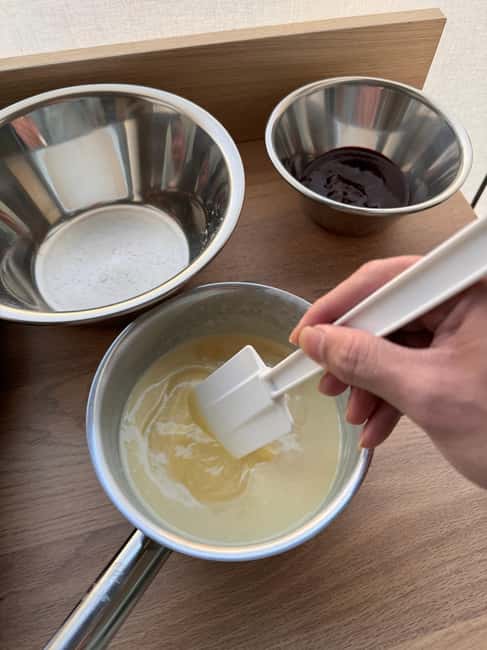
- Mixing batter to the right consistency
- Piping technique to create consistent rounds
- Watching and adjusting while learning instead of waiting for failure
A lot of the praise comes from the way instructors explain what to do when things don’t go perfectly. People highlight troubleshooting tips and guidance on how to correct common issues.
One useful detail from the feedback: instructors also share adaptation advice for baking in different conditions. That matters if your macarons didn’t turn out the same at home right away, because weather and humidity can change outcomes. You’re more likely to succeed when you understand that, rather than blaming yourself.
Flavors and expectations: what you might taste and make
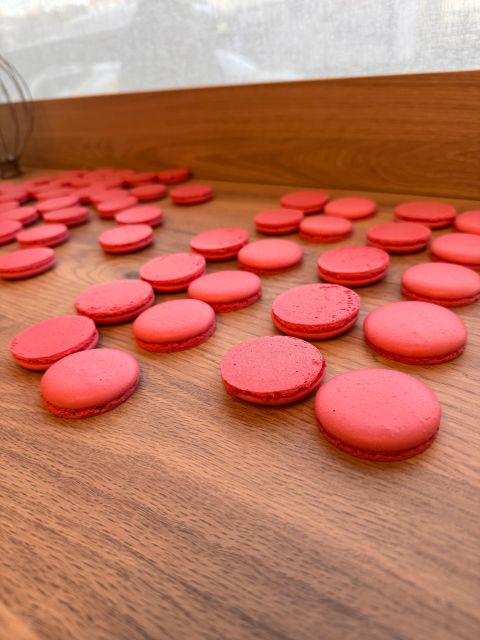
The class focuses on technique first, which means flavors can vary depending on what the chef plans for your session. One attendee reported flavors like chocolate, black currant, and passionfruit, but you shouldn’t count on those exact choices.
What you can count on:
- You’ll make macaron shells and fillings
- You’ll taste the finished macarons
- You’ll take home a recipe
If you have strong preferences, it’s smart to review what you’re signing up for or ask the provider ahead of time (since the tasting and take-home portion depend on the session’s flavor plan).
Price in perspective: $122 for hands-on skill, not just sweets
At $122 per person for 150 minutes, you’re paying for three things: expert instruction, a small-group format, and real edible output.
If you were simply eating macarons or watching a demonstration, the price would feel steep. Here, you’re doing the work—mixing, piping, baking, and assembling—under guidance. The recipe take-home is another value driver. Several reviews stress that they were able to reproduce macarons later, which turns this from a one-time treat into a repeatable skill.
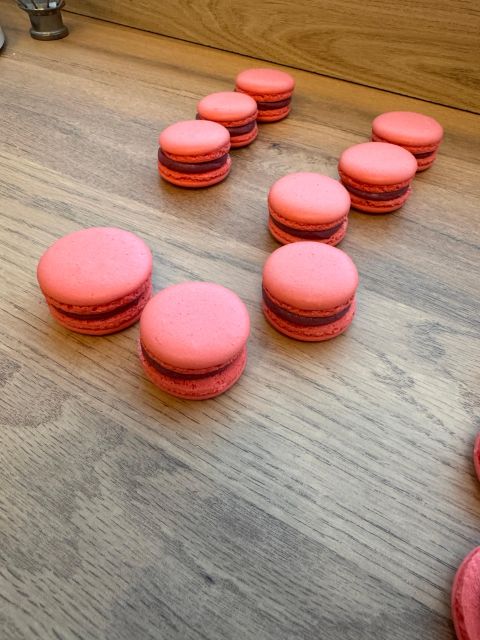
You should also factor the output. Many people mention leaving with a box or enough macarons for several days, with reports like roughly 15 macarons per person in some sessions. Even if your final count differs, you’re still likely to leave with more than a couple of samples.
So the real question isn’t whether it’s expensive. It’s whether you’ll use what you learn. If you like baking, want a fun hands-on activity in Paris, or want a skill-focused gift, this price can make sense fast.
Who should book this class (and who should skip it)
You should book if:
- you want a hands-on Paris activity
- you like learning precise techniques
- you want to take home a recipe and try again
- you’re traveling with a teen or older child (the class is not suitable for kids under 12)
You should skip (or choose another option) if:
- you’re vegan (not suitable)
- you have nut allergies (not suitable)
Also, if you hate any food activity involving measurement and careful texture goals, you might find macarons stressful. But that stress often flips into satisfaction when you get guidance and troubleshooting support.
How to plan your day: practical tips before you show up
Bring comfortable shoes and clothes. This is a working kitchen environment, and you’ll stand and move during mixing and piping.
A detail that can save time: the meeting point is a grey-coloured store front on the main road. If you’re the kind of person who hates being lost, give yourself a little buffer so you can arrive calm and on time.
Finally, if you want better results at home, treat the class notes like your recipe plus your corrections. Your instructor’s tips on consistency and troubleshooting are the difference between a lucky batch and a repeatable one.
Should you book the Paris macaron baking class?
Yes, if you want more than a food photo. Book it if you enjoy learning a skill you can redo at home, and if you’re comfortable with the dietary limits (not vegan, no nut allergies).
This class earns its high marks because it’s structured, small-group, and technique-forward. When the instructor explains the why and you get to practice the key steps yourself, you leave with macarons that taste great and the confidence to try again.
If you’re strict about specific flavors, or you’re traveling with dietary constraints, double-check what’s included for your session. But for most people, this is one of those Paris experiences that feels fun now and useful later.
FAQ
How long is the macaron baking class in Paris?
The class lasts 150 minutes.
How much does the Paris macaron baking class cost?
It costs $122 per person.
Is the class taught in English?
Yes, the instructor is English.
Is it suitable for children?
It is not suitable for children under 12 years.
Is it vegan-friendly?
No, the class is not suitable for vegans.
Where is the meeting point?
Look for a grey-coloured store front on the main road.