REVIEW · PARIS
Paris: Macarons Class, Teatime and To-Go Box
Book on GetYourGuide →Operated by Le Foodist · Bookable on GetYourGuide
A macaron class feels fancy, but it’s hands-on work. You’ll learn the Italian meringue method in a small group, build your own fillings and piping skills, then settle in for teatime with stories. One thing to know up front: this is a real cooking class, and it moves at a steady pace.
What I like most is the way the class helps you crack the hardest part of macarons: the meringue. You’re not just watching. You’re doing the technique yourself with hands-on instruction and plenty of chances to ask questions.
My main caution is for families and kids. If you’re bringing children, there are strict age rules, and only participants can enter the kitchen, so you’ll want to plan for that.
In This Review
- Key points worth knowing before you go
- Why Italian-meringue macarons are the real skill to learn
- Le Foodist and the Paris kitchen vibe on Rue Cardinal Lemoine
- The 2-hour hands-on macaron workshop: shells, meringue, piping, color
- Make your own filling: ganache or curd, plus how to pipe for real
- Teatime after baking: tea, coffee, fruit juices, and macaron stories
- Leaving with a to-go box: what value feels like in your hands
- Price and value: is $152 per person worth it?
- Who should book, and who should skip this class
- What kind of instructor experience you can expect
- Practical tips for getting better results during your class
- Should you book this Paris macaron class?
- FAQ
- How long is the macaron class?
- What is the meeting point in Paris?
- How big is the class group?
- Is the class taught in English?
- What method of making macarons will I learn?
- Do I make the filling and pipe it too?
- What happens during teatime?
- Do I take macarons home?
- What recipes are provided?
- Are children allowed?
Key points worth knowing before you go
- Italian meringue method: a more reliable approach for getting structure to your shells
- Small group size (limited to 6): more time with the instructor at the key steps
- You pipe and customize: add shell color and learn how to pipe with control
- Fillings are yours to make: ganache or curd, plus instruction on how to combine flavors
- Teatime with macaron culture stories over tea, coffee, and fruit juices
- Take-home box included: you leave with macarons you made, not just a memory
Why Italian-meringue macarons are the real skill to learn
Macarons sound simple until you try them. The shells are delicate, the “feet” depend on technique, and one small mistake can turn a batch into sad, chewy cookies.
This class focuses on the Italian meringues method, which is known for being more dependable than the easier-to-improvise French meringue approach. In plain terms: you’re learning a workflow that helps you get the batter consistency more consistently, which is what you need before piping and baking.
You’ll also learn why macarons are picky about timing and handling. The class format gives you a guided rhythm, so you can understand what each step is doing instead of guessing and hoping.
You can also read our reviews of more tours and experiences in Paris


Le Foodist and the Paris kitchen vibe on Rue Cardinal Lemoine
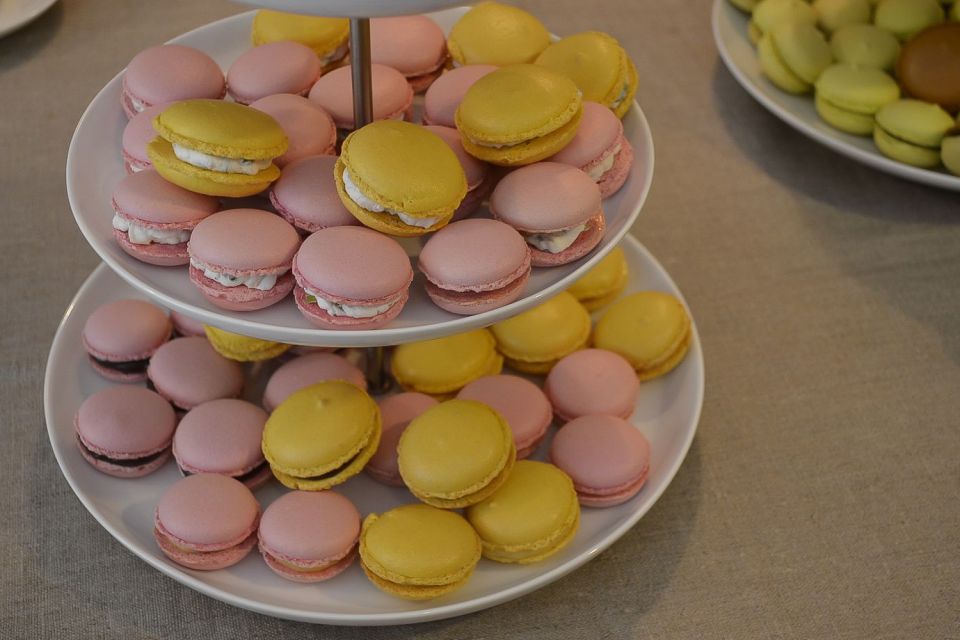
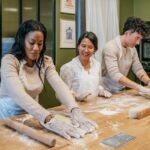
Your class meets at Le Foodist, 59 Rue Cardinal Lemoine, 75005 Paris. Once you’re inside, the setup is clearly built for teaching: you wear an apron, you get equipment ready for you, and you’re set up to work rather than just observe.
The small group size is part of the comfort. When you’re with a handful of people, you can actually hear instructions, see what good batter looks like, and get help before you make the same mistake twice.
One detail that shows up in lots of past experiences: the atmosphere tends to feel friendly and structured. People highlight that instructors stay patient and pay individual attention, which matters a lot in a technically fussy dessert like macarons.
The 2-hour hands-on macaron workshop: shells, meringue, piping, color
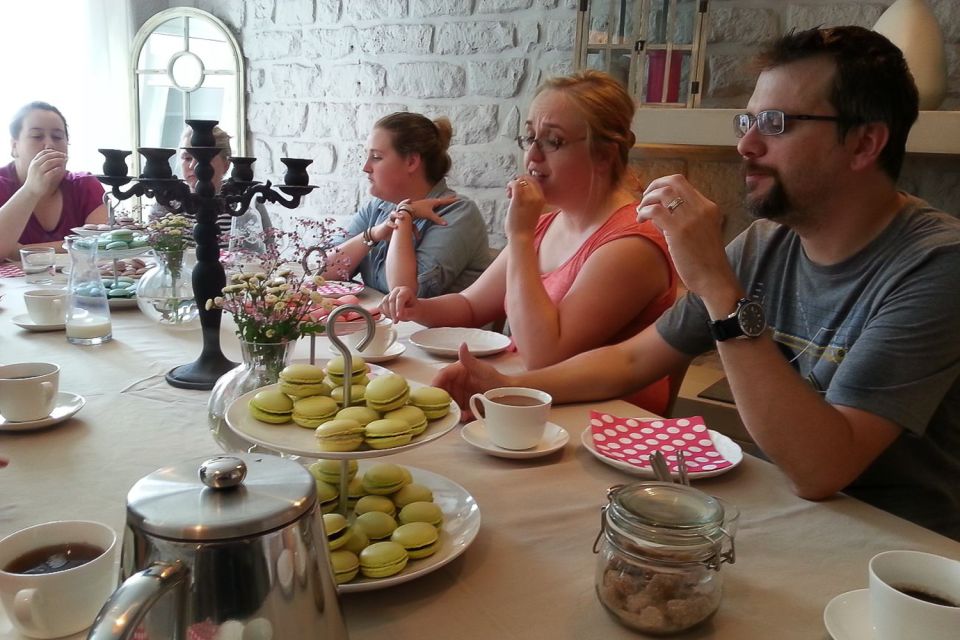
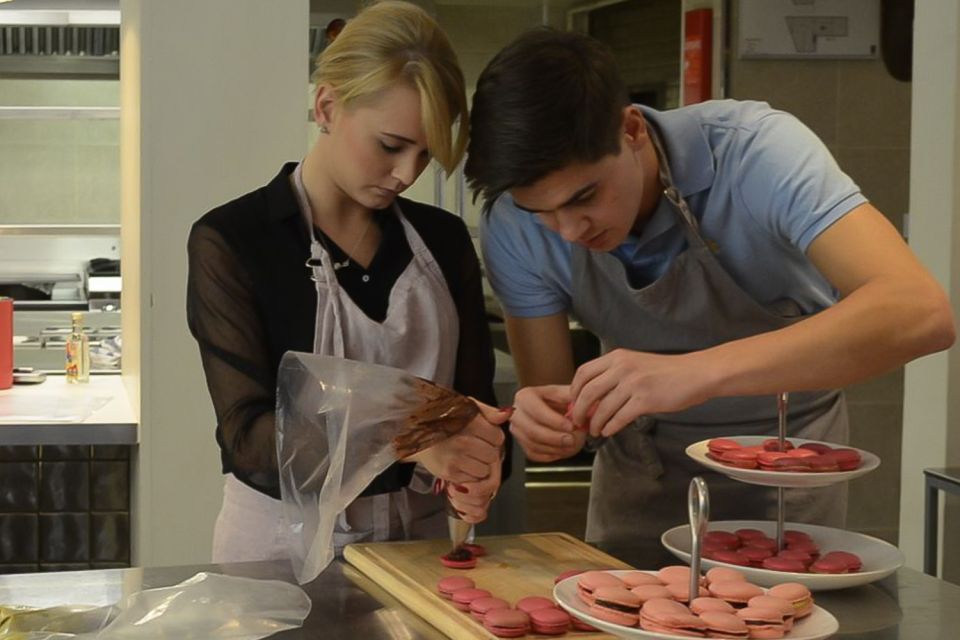
The core of your experience is a 2-hour macarons class with hands-on instruction. Expect the instructor to demonstrate the Italian meringue technique first, then guide you through making your own batter.
Then comes the practical part: you learn to pipe. Piping is where many first-timers struggle, because the macaron shell depends on shape and consistency. You’ll also learn how to incorporate a color to your shells, which is a fun skill because you’re not stuck making plain cookies. You get to see how the color step fits into the process rather than treating it like a random decoration.
Because the class is limited to 6 participants, you can usually correct technique in the moment. In real kitchens, you’d lose the chance to fix things once batter starts behaving differently. Here, the structure helps you keep control.
Make your own filling: ganache or curd, plus how to pipe for real
Macarons are a two-part dessert: shell and filling. The class won’t treat filling as an afterthought.
You’ll create your own ganache or curd filling, and you’ll practice how to combine it with the shells. That’s important, because even if your shells look right, the finished macaron depends on filling texture and balance.
You’ll also learn how to handle the piping for the filling step. Past participants repeatedly point out that instructors take time with each person, which is exactly what you want for a dessert where technique is visible.
This is also where the class becomes more than just learning one flavor. Once you understand how to make and portion filling, you’re better equipped to try flavors at home later without starting from scratch.
Teatime after baking: tea, coffee, fruit juices, and macaron stories
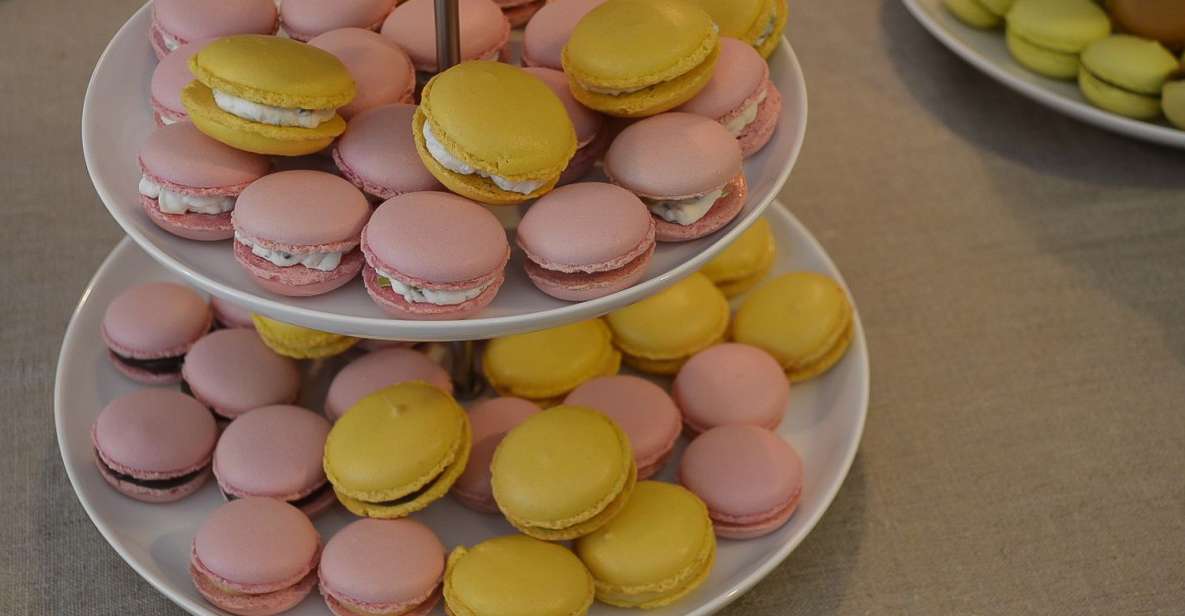
After the hands-on portion, you get to slow down. The class includes a shared teatime with tea, coffee, fruit juices, and a selection of macarons you made.
This is a real quality-of-life piece of the experience. Many cooking classes are all work, no unwind. Here, you get a chance to taste your results while everything is still fresh, and you can compare textures and flavors with the people next to you.
The host also shares teatime stories. One theme is the macaron itself, plus a couple of interesting French culture stories, often with a tongue-in-cheek tone. It’s not a lecture. It’s more like a playful add-on that makes the class feel connected to the setting.






Leaving with a to-go box: what value feels like in your hands
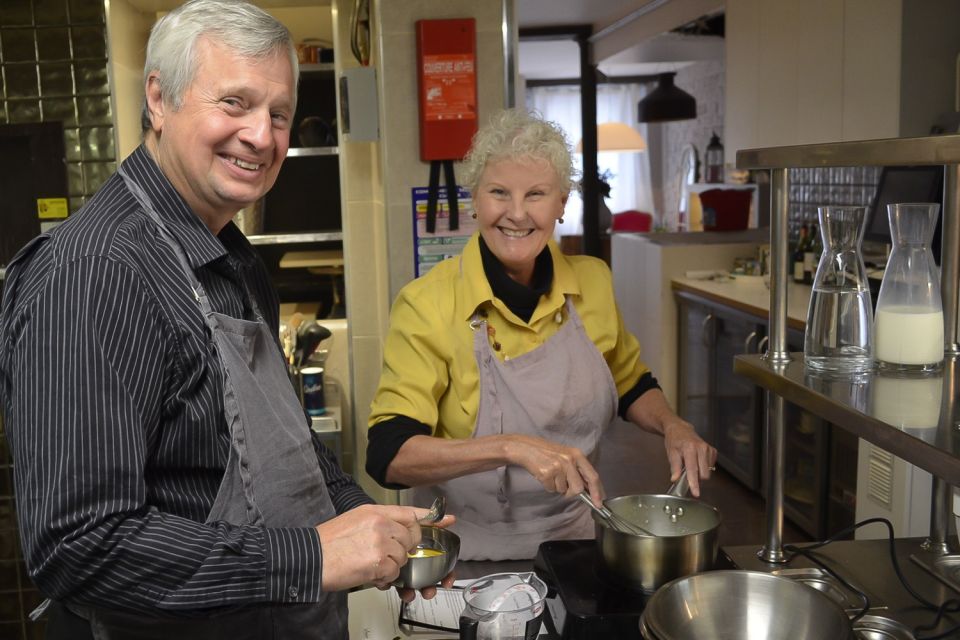
Before you go, you’ll receive a to-go box of macarons you made. This isn’t a token “one or two to taste” situation. Many past participants describe leaving with enough macarons to share with family, and some mention having plenty to take home in larger quantities.
That matters for value. You’re not paying mainly for the instructions, even though they’re the heart of the class. You’re also paying for ingredients you consume during class and for an actual take-home batch, which becomes your practical souvenir.
If you’re doing Paris in a week and want one activity that feels like it produces something real, this is it. Your box becomes proof you learned the technique, not just a receipt for a class ticket.
Price and value: is $152 per person worth it?
At $152 per person, this class sits in the “experiences, not a bargain” category. So you’ll want to ask: what do you actually get for that price?
You get several things bundled together:
- A 2-hour hands-on macaron workshop with instruction and equipment
- A small group experience capped at 6 participants, which improves how much help you get
- Teatime with drinks and your macarons
- A take-home box of your own work
- Recipes in English (hard copy and electronic copy)
In my view, the value comes from instruction quality and time. If you try macarons at home without guidance, the cost can explode fast in ingredients, failed batches, and wasted effort. Here, you’re paying to compress the learning curve into one guided session, and you leave with an edible outcome.
If your goal is simply to buy macarons, you can do that for less money. But if you want the skill, the controlled practice, and the fun of making French pastry at the stove, $152 can feel fair.
Who should book, and who should skip this class
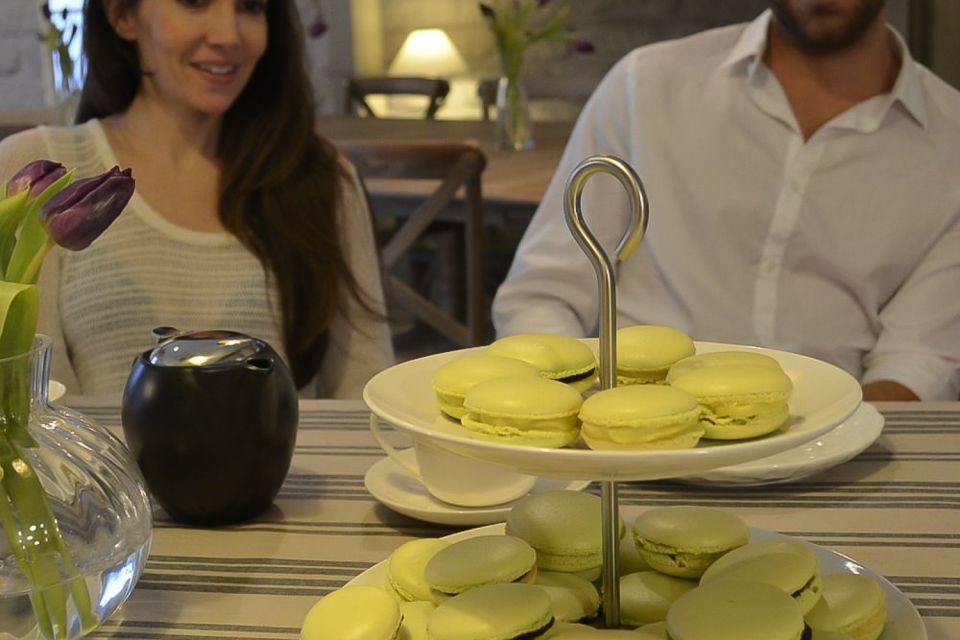
This class can be a great fit if you:
- Want a hands-on cooking activity rather than a museum-type day
- Enjoy baking enough to learn a technique step-by-step
- Like small group experiences where the instructor can give direct feedback
- Travel with teens and want an activity that holds attention (many past bookings included teenagers)
You should consider skipping or checking first if:
- You’re traveling with children under 12, because they cannot participate
- You have younger kids who need childcare, since there’s no crèche or childcare facilities
- You’re relying on unaccompanied minors, because they are not allowed
- You need non-participants to watch from inside the kitchen, because only participants can enter the kitchen
Also, if you’re bringing kids ages 12 to 16, they must be accompanied by a participating adult. That detail can change the whole plan, so it’s worth confirming before you book.
What kind of instructor experience you can expect
One reason people rate this class so highly is the teaching style. In past classes, instructors have included names like Luc, Stéphane Jimenez, Anne, Frederic, Fanny, Amanda, Florence, and Hugo. People frequently point out patience, staying organized, and making sure you’re not left behind even if you’re new to baking.
A few participants also mention strong culinary credentials from specific instructors, including one described as head pastry chef at French Laundry. Even if you don’t care about credentials, the practical takeaway is the same: you’ll get clear instructions and correction when you need it.
English instruction also matters. You’re not stuck translating technique terms mid-process. That helps your learning stick.
Practical tips for getting better results during your class
This is one of those desserts where your mindset helps. Here’s how to set yourself up for the best experience using what the class provides.
- Use the English recipe while you work. The class includes both hard copy and electronic copy, and having it in front of you makes it easier to remember what you did.
- Take quick notes on timing and texture. One participant specifically mentioned getting the recipe during the lesson so they could write notes, which is a smart habit.
- Ask questions before you move on. With a small group, you don’t need to wait until the end to clarify a confusing step.
- Treat piping and color as technique, not decoration. The class teaches you to incorporate color into the shells and pipe properly, so focus on control and consistency.
If you keep those things in mind, you’ll get a better batch and a better understanding of why macarons behave the way they do.
Should you book this Paris macaron class?
If you want a memorable Paris food experience that produces something you can share the same day, I think this is an easy yes. The combination of small group size, Italian meringue method, and hands-on piping and fillings makes the learning feel real. The teatime and take-home box turn it into a complete afternoon, not just a cooking lesson.
I’d only hesitate if you’re traveling with young kids who fall outside the participation rules, or if you’re expecting a casual “watch and snack” event. This is hands-on. That’s the point.
If you want to leave Paris with a skill you can actually use again, and a box of macarons you made with your own hands, book it.
FAQ
How long is the macaron class?
The activity is about 3 hours total, including a 2-hour hands-on macarons class plus teatime.
What is the meeting point in Paris?
You meet at Le Foodist, 59 Rue Cardinal Lemoine, 75005 Paris.
How big is the class group?
It’s a small group limited to 6 participants, typically described as intimate for full attention.
Is the class taught in English?
Yes, the instructor is English.
What method of making macarons will I learn?
You’ll learn to make macarons using the Italian meringues method.
Do I make the filling and pipe it too?
Yes. You’ll learn how to pipe and you’ll create your own ganache or curd filling.
What happens during teatime?
You’ll enjoy teatime with tea, coffee, fruit juices, and a selection of macarons you made, along with stories from the host.
Do I take macarons home?
Yes. You’ll leave with a to-go box of your own macarons.
What recipes are provided?
Recipes are provided in English, in both hard copy and electronic copy.
Are children allowed?
Unaccompanied minors are not allowed. Children under 12 cannot participate. Ages 12 to 16 must be accompanied by a participating adult, and only participants can enter the kitchen. There is no crèche or childcare facility.