REVIEW · PARIS
Paris: Bread and Croissant-Making Class
Book on GetYourGuide →Operated by Meeting the French · Bookable on GetYourGuide
Dough therapy, with a French edge. This Paris bread and croissant-making class is interesting because you go behind the counter of a family boulangerie and learn directly from a baker with generations of practice, not a studio script. I love that you work with real dough yourself, and I love that you leave with practical methods for crusty baguettes and buttery croissant shaping, plus recipes you can actually use later.
One consideration: at 2 hours and a $258 price, you should go in expecting a focused workshop, not a long slow baking day. You’ll also spend some time watching the oven and finishing steps happen, so come with patience (and maybe a little hunger).
In This Review
- Key takeaways before you go
- At Le Petit Mitron, you start with flour, not a lecture
- Behind the counter: learning how French dough actually behaves
- French baguette technique: crusty gold exterior and soft warm center
- La Parisse: the bakery’s signature baguette and why it matters
- Croissants in a 2-hour workshop: shaping skills that stick
- Tasting and bread history: how stories and technique connect
- What you leave with: recipes by email and breads you made
- Price and value of $258 for a Paris baking class
- Who this baguette-and-croissant class suits best
- Should you book this Paris bread and croissant-making class?
- FAQ
- How long is the class?
- Where do I meet for the class?
- What will I learn to make?
- Is this a hands-on class?
- How big is the group?
- What languages are offered?
- Are there tastings during the class?
- What’s included with the class price?
- What do I receive to use at home?
- Is this class suitable for young children?
Key takeaways before you go
- Family secrets from a multi-generation baker who learned the craft from father and grandfather
- Two baguette styles in one class: classic French baguette and La Parisse, the bakery’s signature
- Croissant shaping practice using the baker’s step-by-step tips
- Small group pace limited to 8, with an instructor and translator team (often with guides like Luis, Luce, or Elsa depending on the session)
- Warm tasting during instruction, so you’re not stuck waiting without rewards
- Recipes sent by email so you can recreate what you learned back home
At Le Petit Mitron, you start with flour, not a lecture
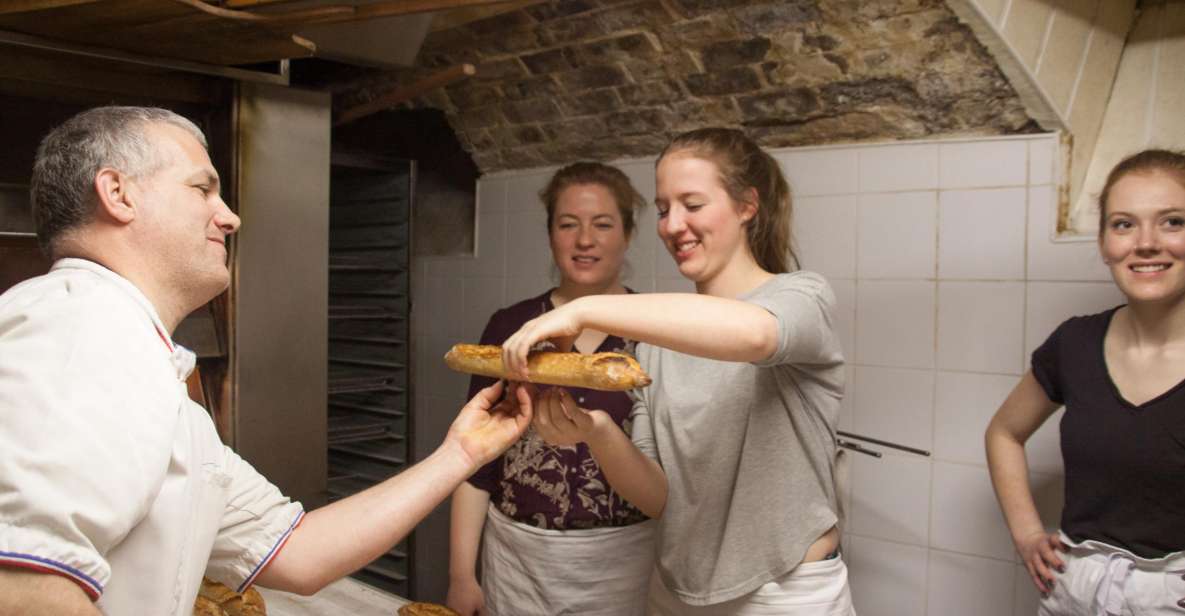
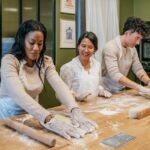
The meeting point is Le Petit Mitron, 8 rue Oberkampf, 75011 Paris. Once you’re inside, the vibe is very different from the typical “tour with a stop at the counter.” You’re in the bakery work zone, and the class begins with you physically handling ingredients, tools, and dough.
You get an apron and utensils, so you can focus on technique instead of worrying about bringing equipment. It’s also a small group, capped at 8 participants, which matters in a hands-on class because you get real attention instead of being lost in the background.
Language support is built in. The instructor can work with English, French, Japanese, or Spanish, and a translator supports the session as needed. In past sessions, interpreters like Luis, Luce, and Elsa have shown up, and that tends to make the teaching smoother if you’re not fluent in French.
You can also read our reviews of more tours and experiences in Paris



Behind the counter: learning how French dough actually behaves
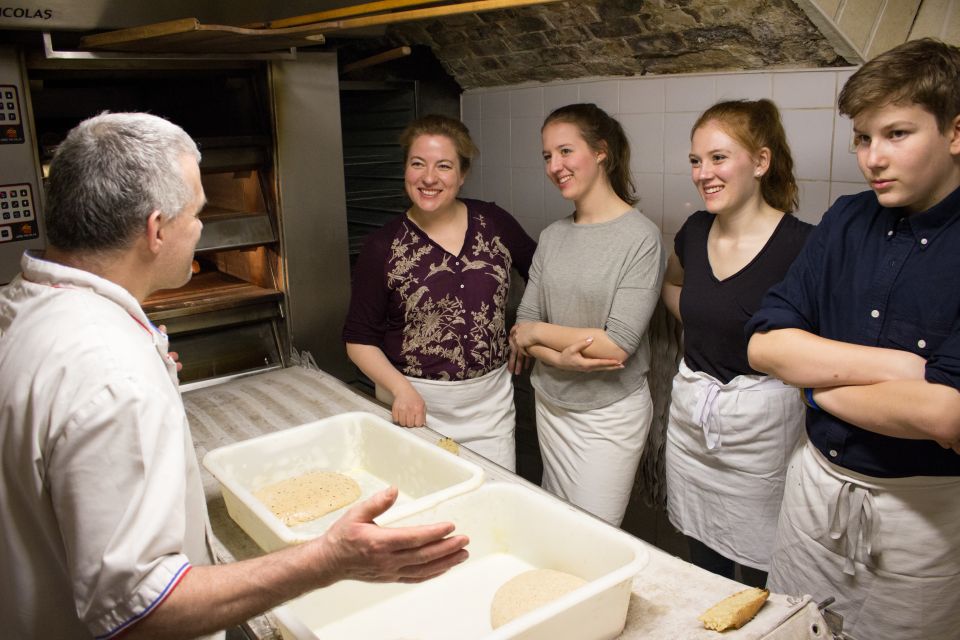
This class is designed around the idea that the “secret” isn’t a hidden ingredient. It’s the details: how the dough feels, how you handle it, and how you shape it so the result looks and tastes right.
The baker is family-run and has owned the boulangerie for years, with a lineage that goes back to his father and grandfather. That background shows up in the way instruction flows. Instead of treating bread like a science problem, the teaching emphasizes touch and timing.
You’ll roll up your sleeves and get flour on your hands. That sounds messy, but it’s exactly the point. When you’ve felt dough under your fingers, it’s easier to understand why the crust ends up golden and the inside stays warm and soft.
And because the group is small, the baker can adjust. If your dough is acting differently than expected, you’re more likely to get a quick correction than if you were in a large class.
French baguette technique: crusty gold exterior and soft warm center
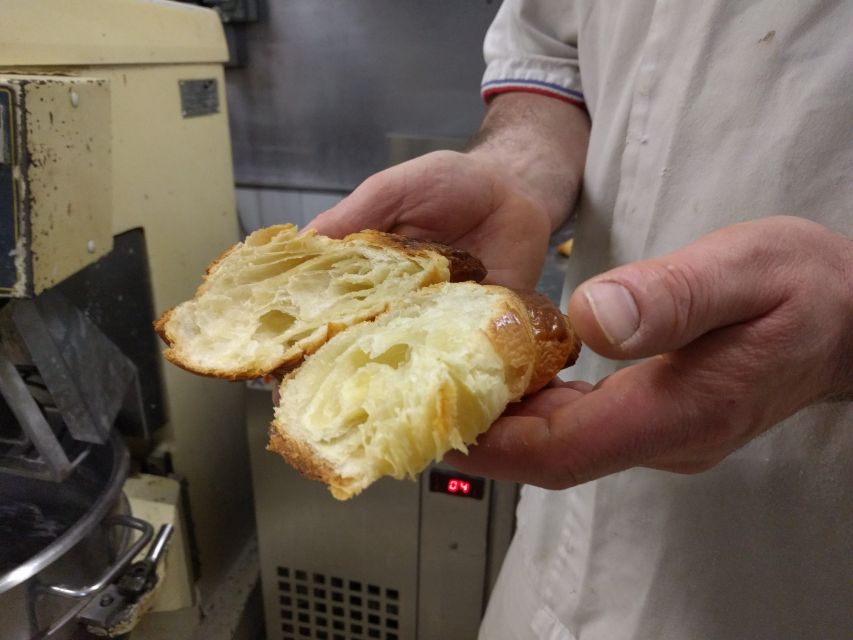
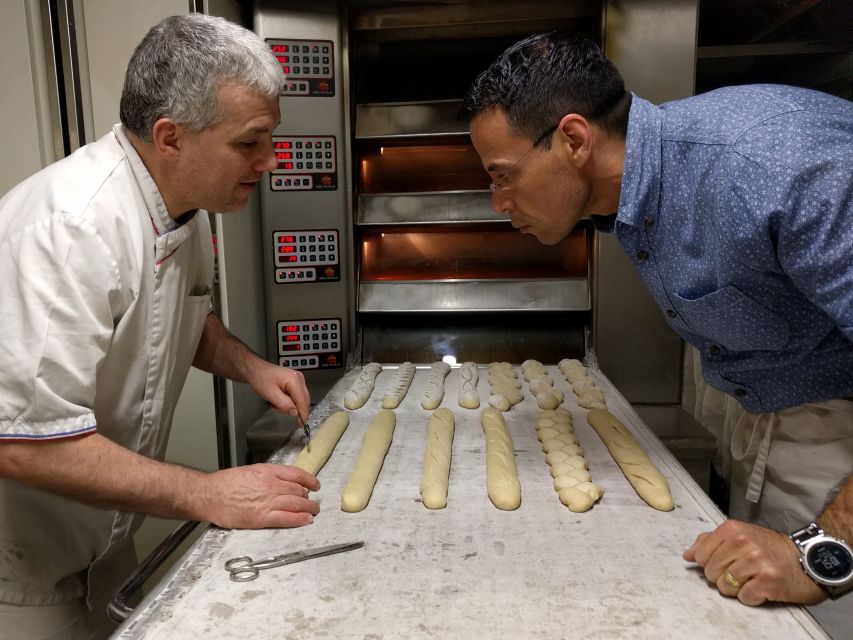
The heart of the session is French baguette technique, taught step-by-step. You learn how to create that classic contrast: a crunchy golden crust outside and a soft, warm interior inside. Those are the exact things most people struggle with at home, so this isn’t vague “bread appreciation.” It’s targeted instruction.
You’ll see the process from start to finish, then you’ll practice making your own baguette. Expect a lot of focus on shaping and handling, since that’s where baguettes win or lose. For many home bakers, the biggest shift is learning to trust your senses: dough texture, resistance, and how it responds as you work.
If you like actionable lessons, this class is built for you. You’re not just watching; you’re learning techniques you can repeat when you’re back in your own kitchen.
One practical note: because ovens need time, you may spend part of the class period waiting for the bread to finish. Multiple participants have mentioned that the tasting helps, and you’ll likely get warm samples during the workshop while your own bakes do their thing.
La Parisse: the bakery’s signature baguette and why it matters
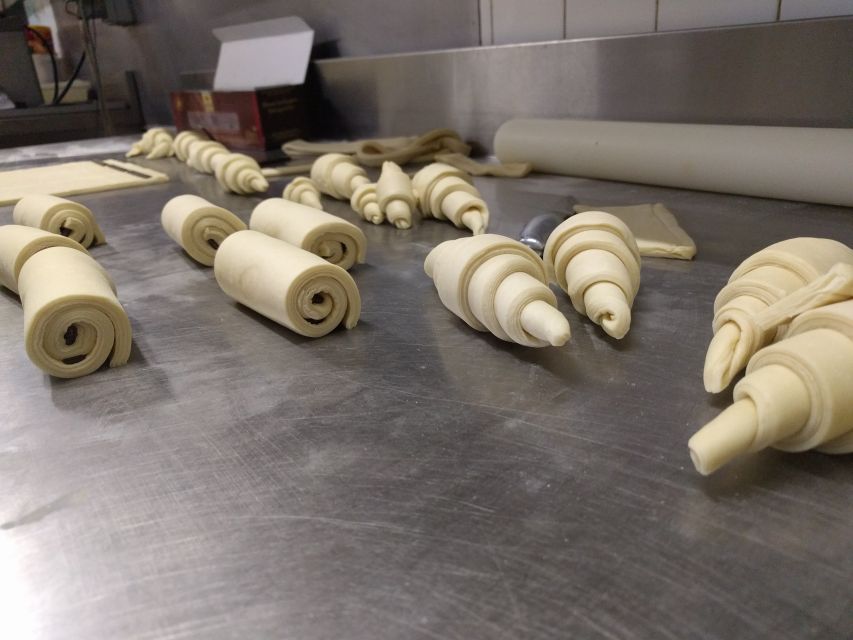
You don’t just make one baguette and call it done. You also make a special version the bakery is famous for across Paris: La Parisse. That’s a big deal because it teaches you something beyond the basics of a standard baguette.
Why does that matter for you? Because once you understand how a baker builds a signature, you stop chasing a generic recipe and start thinking like a craftsperson. You’ll see how small choices can turn into a recognizable style, even within the world of traditional French bread.
In this class, La Parisse is treated as more than a branding name. It’s a real second baguette you’ll bake, and you’ll learn how it fits into the bakery’s overall approach. For anyone who loves food culture, that’s where the experience feels most authentic: you’re not learning from a textbook. You’re learning from a working shop.
Croissants in a 2-hour workshop: shaping skills that stick
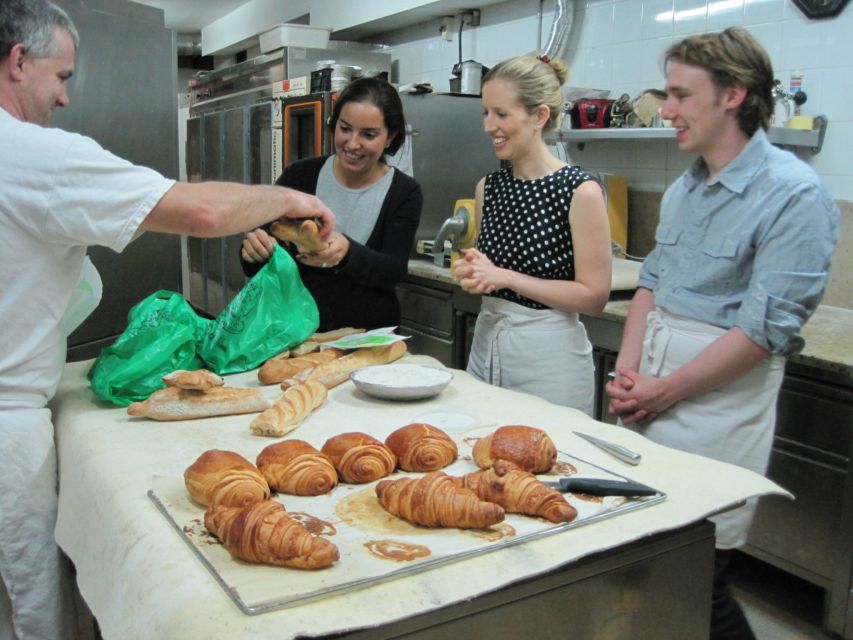
You also make and shape croissants. That’s the part many people assume will be quick and easy, but croissant shaping is all about technique and feel. In a compact 2-hour class, you’re being taught the essentials you need to replicate the method later.
The baker’s approach is hands-on: you practice the steps, then you refine what you’re doing based on guidance from the instructor and translator. If you’re traveling with someone, the small group setup also makes it easier to follow along together.
In past classes, the teaching has been described as engaging and even very funny. That matters because croissant technique can feel fussy if you’re rushing or distracted. A playful instructor keeps the room calm and focused, and that helps you absorb the instructions without stress.
When you leave, you’ll have recipes and a clear sense of what to practice first at home. If you’ve ever had croissant dreams collapse into dense results, you’ll appreciate that this class targets the steps where things go wrong.






Tasting and bread history: how stories and technique connect
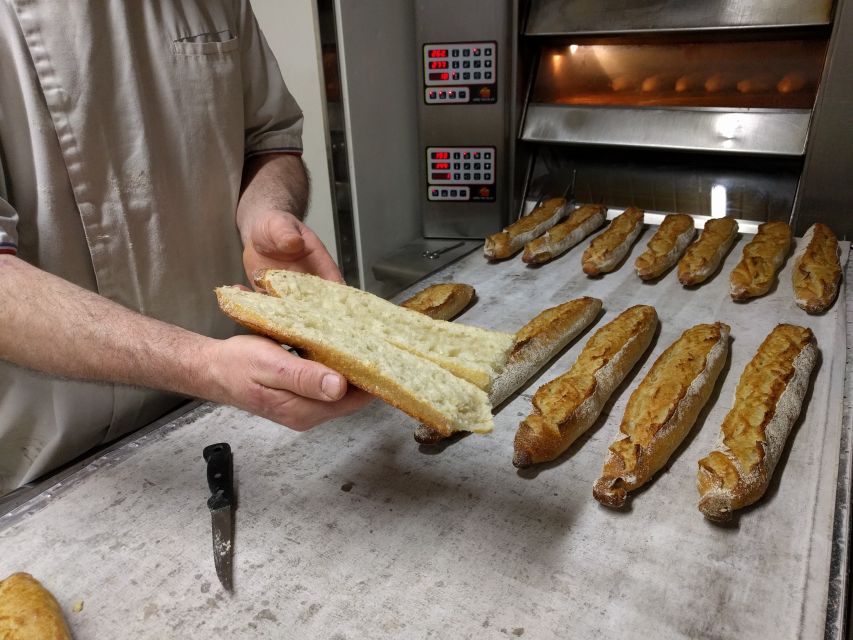
This experience includes tastings during instruction, including warm baguettes and croissants. That’s not just a bonus snack. It’s a learning tool. When you taste the difference between shapes and finishes, it makes your technique feel more “real” and less theoretical.
You’ll also hear bread history and food evolution stories. The class includes anecdotes about how bread and baking developed in France, including details tied to why baguettes look the way they do. Those stories help you understand that bread is not static. It’s a product of culture, technology, and craft traditions.
You’ll notice the baker’s personality too. Many sessions have an upbeat, humorous tone, and the teaching style has been described as engaging for kids and adults. That balance is useful if you’re bringing family members who want the fun side of the craft, without sacrificing real technique.
What you leave with: recipes by email and breads you made
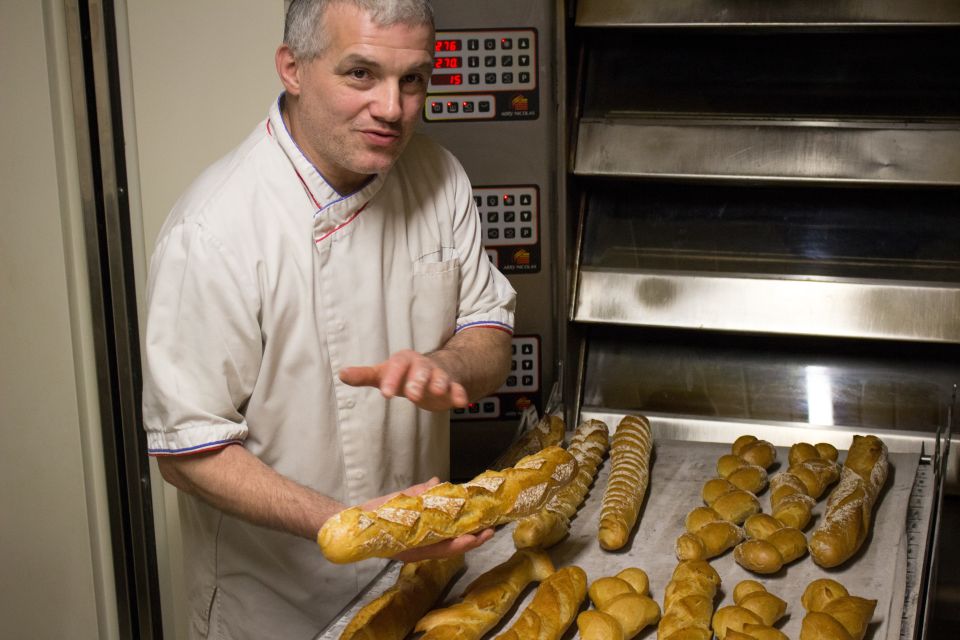
From a value standpoint, the “take-home” part is a key reason people book this class. You get all ingredients and utensils plus an apron. And you also receive a copy of the recipe by email, which is practical if you’re traveling light.
Will you leave with bread to eat later? Multiple past participants have described taking home a bag of baguettes and croissants, so it’s very likely part of the typical experience. Either way, you’ll definitely leave with recipes and the know-how to reproduce the breads at home.
The recipes being emailed helps you avoid the classic problem of travel classes: you remember the fun, but you lose the method later. Having written steps means you can recreate what you learned without trying to piece it together from memory.
If you’re serious about improving your home baking, this is where the class pays off. Use the recipes right away while the dough sensations are still fresh.
Price and value of $258 for a Paris baking class
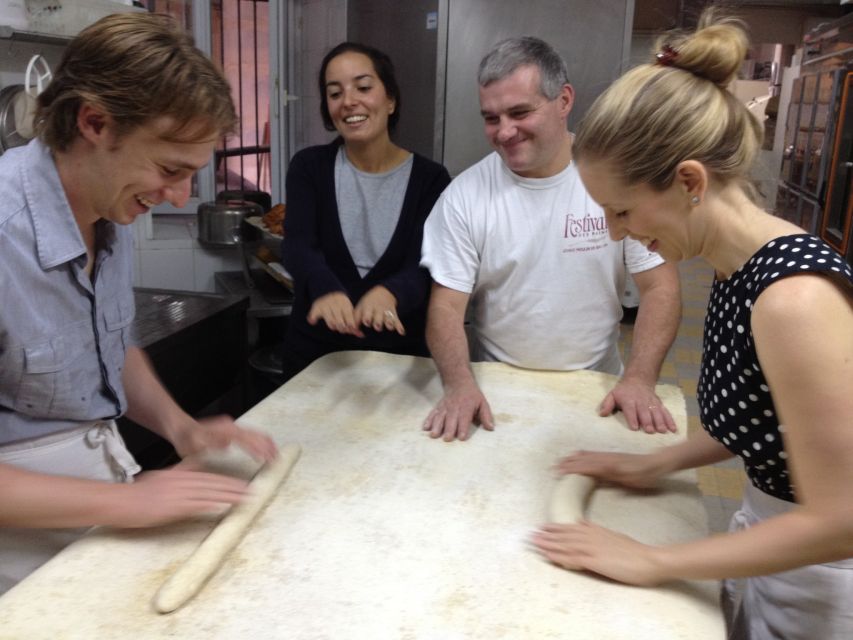
$258 can feel like a lot for two hours, so here’s how I’d judge the value. You’re paying for three things most food tours don’t fully deliver: a small group, real hands-on shaping and baking instruction, and access to a working family boulangerie.
Ingredients and tools are included, which removes a hidden cost. The class also includes language support, and translators have been praised for keeping instructions clear. You’re not just buying bread; you’re buying technique coaching in a craft setting.
And you’re getting both baguette and croissant instruction, which is a bigger skill bundle than many single-bread classes. If your goal is to make French bread taste like it came from an actual bakery, learning from a professional baker in a limited group is hard to match elsewhere.
The main “cost risk” is time. Two hours is not long enough to master every step of French baking, especially if you’re starting from scratch. So the class is best when you treat it like training, not like a complete home-baker transformation.
Who this baguette-and-croissant class suits best
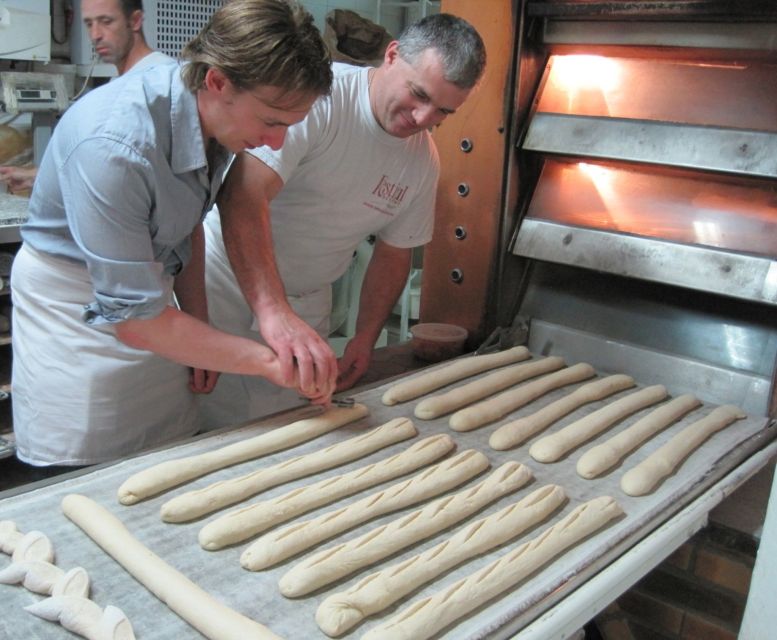
This is ideal if you:
- want authentic French baking instruction in a real Paris bakery setting
- like hands-on classes where you touch dough, shape it, and learn why the result works
- care about technique enough to keep going at home with the emailed recipes
- travel with someone who enjoys food culture, since the baker’s humor and interactive pace have played well with families
Kids: it’s not suitable for children under 6. That doesn’t mean it’s only for adults. Past sessions have included kids, and the teaching has been described as engaging for younger participants.
Gluten concerns: one participant with gluten intolerance reported reacting fine and specifically mentioned that flour is made on site with no additives. I can’t treat that as a guarantee for everyone, but it does suggest asking questions in advance if you have a strong dietary constraint. At minimum, you’ll want to communicate your needs before the class starts.
Should you book this Paris bread and croissant-making class?
Book it if you want a small-group, behind-the-counter experience focused on real technique: classic baguette basics, the bakery’s signature La Parisse, and croissant shaping you can practice later with emailed recipes. The price is steep, but the class targets the exact skills most people want from a French baking workshop.
Skip it if you mainly want a casual bakery tour or if you hate hands-on mess. Also, if two hours feels too short for your learning style, you may wish for a longer workshop elsewhere.
If you’re on the fence, this is an easy decision when you match your expectations: go for a focused coaching session, then treat it like the start of your own bread practice at home.
FAQ
How long is the class?
The bread and croissant-making class lasts 2 hours.
Where do I meet for the class?
Meet at Le Petit Mitron, 8 rue Oberkampf, 75011 Paris.
What will I learn to make?
You’ll learn to make and shape French baguettes, including a classic baguette and La Parisse, and you’ll also make and shape croissants.
Is this a hands-on class?
Yes. You’ll work in the bakery environment with dough and participate in making the breads and shaping the pastries.
How big is the group?
The class is limited to 8 participants, so it stays small.
What languages are offered?
The instructor works with English, French, Japanese, and Spanish.
Are there tastings during the class?
Many sessions include tasting bread and croissants during the workshop, including warm baguettes and croissants.
What’s included with the class price?
All ingredients, utensils, and an apron are included.
What do I receive to use at home?
You receive a copy of the recipe by email.
Is this class suitable for young children?
No. It is not suitable for children under 6 years old.
If you want, tell me your travel month and whether you’re more excited about baguettes or croissants, and I’ll suggest the best way to fit this into a Paris day without rushing.