REVIEW · PARIS
Paris: French Pastry and Baking Workshop
Book on GetYourGuide →Operated by Bistrot Baguette · Bookable on GetYourGuide
Paris rewards curiosity, and baking is a sweet way to learn it. At Bistrot Baguette, you join a hands-on French pastry and bread workshop where you make classic favorites in a dedicated area of the bakery. The lesson is practical, upbeat, and built for people who want more than a demo.
I like the hands-on format, especially when the instruction is delivered with warmth and structure by teachers such as Anastasia or Chef Sylvan, who keep everyone involved. I also like that you don’t just learn techniques; you leave with finished treats like madeleines and chocolate fondant, plus a small pastry-shop perk with 10% off on products the same day.
One thing to consider: the class timing can vary. You’re told it can run about 1 to 2 hours depending on how many people are actively interacting, and on at least one occasion it has felt shorter for an adult group, so plan your day with some flexibility.
In This Review
- Key highlights to know before you go
- French pastry and bread at Bistrot Baguette: the setup that makes it fun
- What you actually make: madeleines, chouquettes, fondant, pies, and more
- The workshop flow: how a 1–2 hour class usually unfolds
- Instruction in French, English, or Spanish: why language support helps
- What’s included beyond the baking: diploma, history, tools, and take-home treats
- Price and value: is $88 per person a fair deal
- Group size, comfort, and who this fits best
- Getting the most out of your baking workshop day
- Should you book Paris: French Pastry and Baking Workshop at Bistrot Baguette?
- FAQ
- Where is the meeting point for the workshop?
- How long is the Paris pastry and baking workshop?
- What pastries and baked goods will I learn to make?
- Is the workshop good for beginners?
- How many people are in a class?
- What languages are used during the workshop?
- What should I bring with me?
- Is the experience wheelchair accessible?
- Is it suitable for young children?
- What is included besides the baking?
Key highlights to know before you go
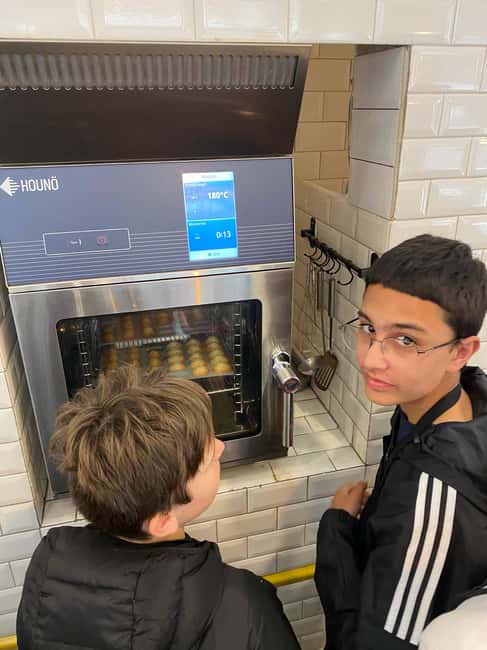
- Made-from-scratch classics like madeleines, chouquettes, chocolate fondant, cookies, brownies, and apple pie
- Hands-on workshop area inside Boulangerie Bistrot Baguette, not a crowded showroom
- Instruction in multiple languages (French, English, Spanish) for easier participation
- All skill levels welcome, with a max group size of 15
- Take-home results plus a diploma and some bakery-time context about French culinary specialties
- 10% off bakery products that day after the workshop
French pastry and bread at Bistrot Baguette: the setup that makes it fun
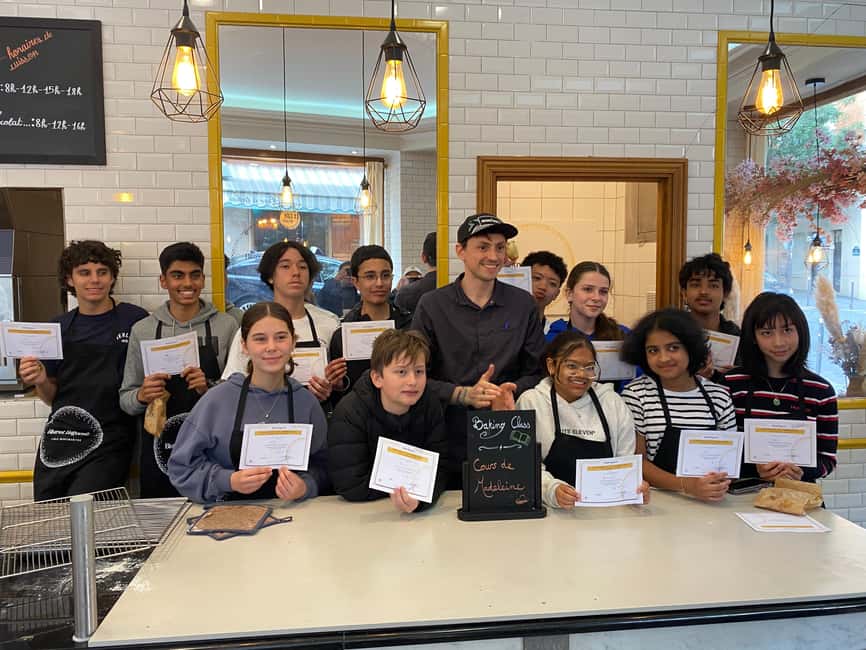
This is the kind of Paris activity that works even if you’re not a kitchen person. You start right in the bakery environment at Boulangerie Bistrot Baguette, then move into a dedicated workshop zone inside the store. That matters more than it sounds: you get “in the middle of it” energy without feeling lost in a regular shopping line.
The class is designed around participation. You’ll be doing the work, not just watching someone else do it. The workshop format also helps reduce the fear factor that stops some adults from signing up. When you’re standing at a station with tools in front of you, it becomes a challenge you can handle.
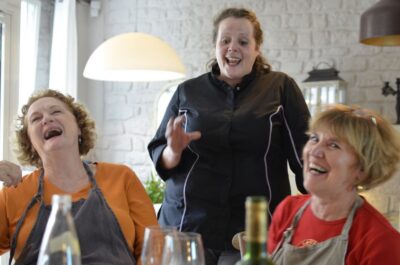
And yes, it’s also a nice family-friendly option. In the experience’s feedback, instructors are described as attentive and good at making kids feel comfortable while still keeping adults engaged. If you’re traveling with children, this is one of those activities where everyone gets a role, from mixing and shaping to finishing.
You can also read our reviews of more tours and experiences in Paris



What you actually make: madeleines, chouquettes, fondant, pies, and more
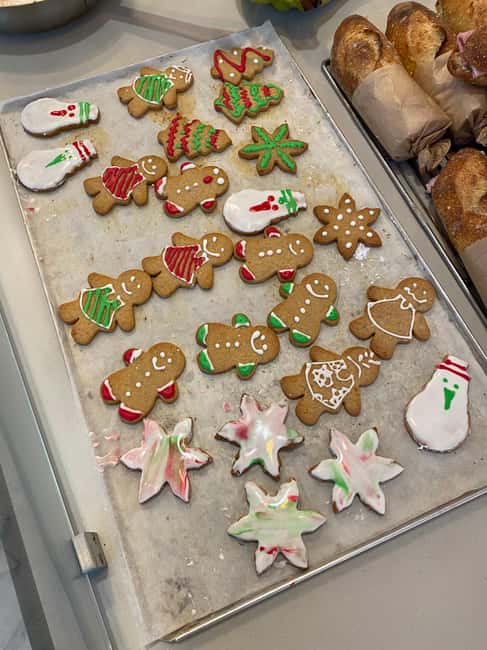
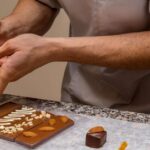
The best part of this workshop is the menu of what you’ll learn to bake. You’ll work on a range of French favorites, including:
- madeleines
- chocolate fondant
- chouquettes
- cookies and brownies
- apple pies
- plus additional French pastries and breads as part of the session
What that means for you: you’re not picking a single skill and leaving. Instead, you get practice across different pastry styles—small cakes, choux-like bites, cookie dough handling, and fruit pie basics. That mix is ideal when you want to bring home a broader set of techniques, even if you only bake at home occasionally.
Also, you’ll get to see the logic behind French baking beyond flavor. Even when the class doesn’t turn into a full textbook, you’ll learn how these pastries behave—how dough looks when it’s ready, what texture you’re aiming for, and why small steps matter. That’s the stuff that helps you make better pastries later, not just tonight’s dessert.
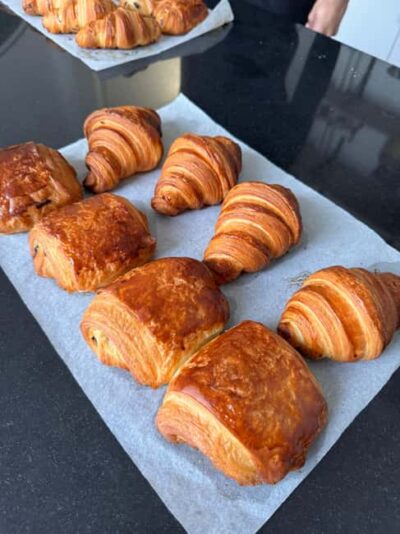
Take-home matters, too. The workshop includes the products you make, so you’re not leaving with only photos. In a city full of pastries you can already buy, being able to say you made them adds real value.
The workshop flow: how a 1–2 hour class usually unfolds
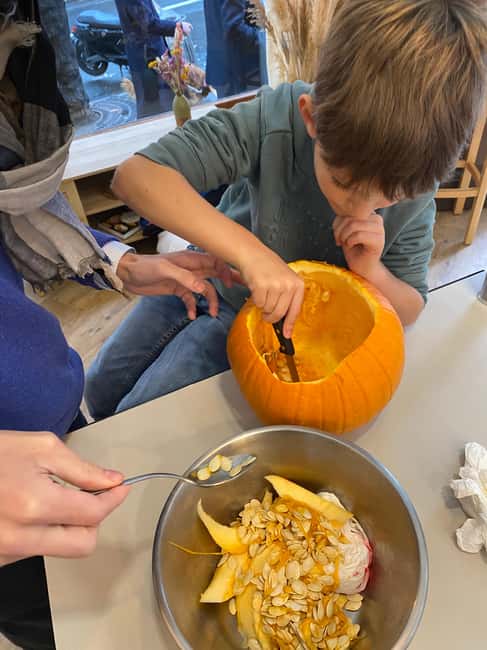
The class runs about 2 hours, though the exact duration can fall between 1 and 2 hours depending on the number of participants actively interacting. With a max group size of 15, that keeps the pacing tight and helps the instructor maintain attention at each station.
While the exact step order can vary by session, you can expect a pattern like this:
- you receive instructions and set up at your station
- you follow along with hands-on steps to prepare dough or batter
- you shape or portion items such as madeleines or chouquettes
- you prepare pies or bake-ready components depending on what’s on the day’s plan
- you finish with guidance so you know what to do next time if you recreate it
If you’re a first-timer, that pacing is a gift. There’s enough structure to keep you from feeling lost, but enough flexibility for questions. If you’re an intermediate baker, you’ll likely appreciate the focus on method and the chance to compare your habits with what French pastry standards aim for.
One small practical note: because sessions can run shorter than the full “2 hours,” you’ll want to schedule this workshop earlier in the day or leave buffer time afterward. That way, you’re not stressed if your timing lands closer to the shorter end.
Instruction in French, English, or Spanish: why language support helps
The workshop instructor supports French, English, and Spanish, so you can participate fully even if your French is basic. For me, that’s one of the main quality signals. Baking is hands-on, and small misunderstandings can turn into big messes.
In the class feedback, instructors are described as engaging and patient, especially with kids. Names like Anastasia and Chef Sylvan show up in the descriptions, and both are characterized as attentive and encouraging. That matters because a good baking teacher doesn’t just explain steps. They also help you stay confident when something looks “off” at first glance.
You also get a short history piece included in the workshop content about French culinary specialties. You’re not sitting in a lecture for long, but learning the why behind the classics gives the practical steps context. It can make you more curious when you later walk past French bakery windows and recognize what you made.
What’s included beyond the baking: diploma, history, tools, and take-home treats
This class includes more than “show up and bake.” You get:
- baking and pastry workshop instruction
- a dedicated workshop area
- all necessary equipment
- a diploma
- your products to take home
- history of French culinary specialties
- 10% off on all products that day
Here’s why those extras matter for value. A workshop that includes tools and equipment lowers the risk factor for you. You don’t need to guess what to bring or whether you’ll have the right containers at the right size. The diploma adds a fun souvenir element that feels more meaningful than a generic ticket.
The 10% discount is also practical. Even if you already plan to snack on pastries in Paris, the ability to buy bakery items at a small discount after your class is a nice way to keep costs in check.
And because you take home what you bake, you’re not paying only for the experience. You’re paying for an edible souvenir you can actually enjoy later.






Price and value: is $88 per person a fair deal
At $88 per person for a workshop that’s roughly 1 to 2 hours, the question is simple: do you get enough instruction and enough output?
From what the workshop includes, you do:
- You get hands-on practice across multiple French baking styles (not just one item)
- You get a dedicated space and the equipment you need
- You take home your finished baked goods
- You get a diploma, plus a bit of cultural context
- You also receive 10% off purchases that day
In Paris, paid workshops can range widely. This one sits in a mid-to-upper category, but the take-home products and the equipment support make it feel less like a “class only” fee and more like you’re paying for a full baking session.
Still, the timing variation is the main value risk. If your specific session runs closer to the shorter end, you’re effectively paying the same rate for less time. For adults who want a long, slow baking lesson, that’s worth keeping in mind. If you’re open to a fast-paced, fun session, the value can feel very solid.
Group size, comfort, and who this fits best
This is a small-group class with a maximum of 15 participants, and it’s described as a private group experience. That helps keep attention on you and reduces that “everyone gets left behind” feeling that can happen in larger tours.
It’s suitable for all skill levels. That’s important because French baking has a reputation for being exacting. Here, the format aims to get you through the steps successfully, which is the real goal.
It’s also wheelchair accessible, and the workshop has comfort details handled with practical logistics inside the bakery setting. If you’re traveling with mobility needs, this is worth noting because many food experiences are in cramped spaces.
Age-wise, it’s not suitable for children under 4. Beyond that, families have described it as a standout activity because kids can participate and still learn real techniques.
Who I think it fits best:
- families who want an active, cultural activity
- adults who want to bake classic French desserts without buying supplies first
- travelers who learn best by doing, not watching
- anyone who wants edible take-home results in addition to memories
Who might pause before booking:
- adults who expect a full, unhurried 2-hour session every time
- anyone who needs lots of downtime between steps
Getting the most out of your baking workshop day
You’ll be on your feet and using baking stations, so come prepared:
- comfortable shoes
- comfortable clothes
Also, treat the class like a hands-on skill workshop, not only a pastry tasting. Ask questions when you’re unsure about texture or timing. Baking rewards attention, and the best way to benefit is to follow along with curiosity.
If you’re the type who loves to eat your way through Paris, this class pairs well with that. You’ll understand what you’re tasting later. The pastries you buy afterward make more sense when you’ve handled similar doughs and batter.
Finally, if you’re going to shop for more pastries after the class, take advantage of the 10% discount that same day. It can turn a spontaneous snack run into a planned, slightly more budget-friendly one.
Should you book Paris: French Pastry and Baking Workshop at Bistrot Baguette?
If you want a hands-on Paris experience where you actually bring something home, I think this workshop is an easy yes. The mix of madeleines, chouquettes, chocolate fondant, cookies, brownies, and apple pies gives you variety, and the small-group setup with equipment provided keeps it accessible.
I’d lean toward booking if you like interactive activities, travel with family, or want practical baking skills you can repeat. I’d plan for flexibility in timing if you’re the kind of person who hates schedule surprises, since sessions can land closer to 1 hour depending on how the group participates.
If you’re craving a fun Paris memory you can eat, this is the kind of baking class that gives both the technique and the payoff.
FAQ
Where is the meeting point for the workshop?
The workshop meets at Boulangerie Bistrot Baguette.
How long is the Paris pastry and baking workshop?
It lasts about 2 hours, and the duration can be somewhere between 1 and 2 hours depending on the number of people interacting in the class.
What pastries and baked goods will I learn to make?
You may learn to make madeleines, chocolate fondant, chouquettes, cookies, brownies, apple pies, and more.
Is the workshop good for beginners?
Yes. The workshops are suitable for all skill levels.
How many people are in a class?
The maximum is 15 participants per class.
What languages are used during the workshop?
The instructor speaks French, English, and Spanish.
What should I bring with me?
Wear comfortable shoes and comfortable clothes.
Is the experience wheelchair accessible?
Yes, it is wheelchair accessible.
Is it suitable for young children?
It is not suitable for children under 4 years.
What is included besides the baking?
Included are the workshop instruction, dedicated workshop area, all necessary equipment, a diploma, the history of French culinary specialties, and the products you make, plus 10% off on products that day.