REVIEW · PARIS
Eclair Baking Class with A Pastry Chef
Book on GetYourGuide →Operated by Studio Pâtisserie · Bookable on GetYourGuide
Eclairs teach real baking control. This 150-minute workshop turns that French pastry mystique into a hands-on skill session with a Le Cordon Bleu-trained pastry chef, focused on choux pastry and classic eclairs. I like that it’s small and guided, so you’re not just watching and hoping.
Two things I especially like: the personal feedback you get as you work the dough, and the chance to customize fillings like chocolate ganache and pastry cream. The one drawback to plan around is timing: you need to be 5–10 minutes early, because if you’re more than 15 minutes late, you can’t join.
In This Review
- Key Points You’ll Care About
- Why Choux Pastry Feels Like Magic (But Isn’t)
- The 150-Minute Flow: From Dough to Finished Eclairs
- Choux Dough Basics: Measurements and Temperature Do the Work
- Piping and Baking: Getting the Crisp Shell and Airy Interior
- Fillings and Toppings: Ganache, Pastry Cream, and Your Own Signature Eclair
- Drinks, Comfort, and What’s Included (So You Don’t Overthink It)
- Location Inside a Parisian Apartment: Small Space, Real Workshop Energy
- Price and Value: What $128 Buys You in Real Terms
- Who Should Book This Eclair Baking Class
- Should You Book Studio Pâtisserie’s Eclair Class?
- FAQ
- Where is the meeting point?
- How long is the class?
- What is the price per person?
- Is the class taught in English?
- How big is the group?
- What ages are allowed?
- Can I take pastries home?
- What drinks are included?
- What if I’m late or need to cancel?
Key Points You’ll Care About
- Small group (max 8) means you can ask questions and actually get feedback while you bake
- Le Cordon Bleu-trained pastry chef guides you through choux pastry fundamentals and troubleshooting
- Precise measurements and temperatures are part of the lesson, not an afterthought
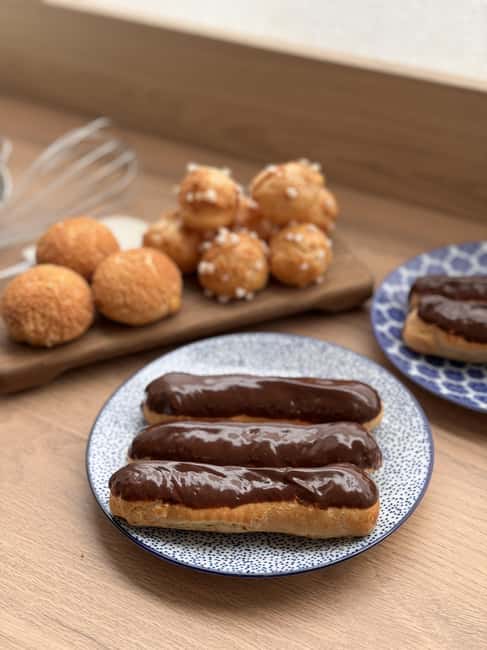
- Fillings plus toppings let you build eclairs your way, including chocolate ganache and silky pastry cream
- Take-home box means your finished pastries don’t vanish the moment class ends
- English instruction keeps the techniques clear and practical
Why Choux Pastry Feels Like Magic (But Isn’t)
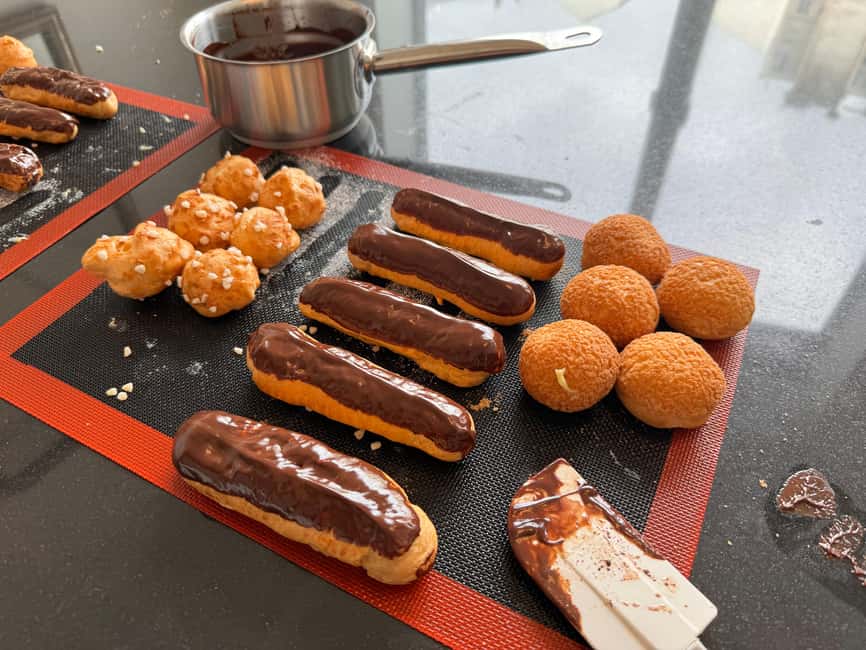
Choux pastry has a reputation because it looks delicate and behaves “finicky.” But once you learn the logic—heat, moisture, and technique—it stops feeling like luck. In this class, you’re not just making desserts. You’re learning how the dough works so your results improve fast.
I like that the class leans into fundamentals: precise measurements, temperatures, and the way technique affects the shell and interior. That’s useful even beyond eclairs, because choux is the base for lots of classic French bakes.
You’ll also learn the difference between a pastry that’s just baked and one that’s properly done. The goal is a crisp shell with a light, airy interior, and the chef shows you what to watch for as you go. That makes the experience feel both approachable and legit.
One more thing: the pace is long enough to matter. At 150 minutes, you get time for hands-on work, not just a quick demo.
You can also read our reviews of more cooking classes in Paris

The 150-Minute Flow: From Dough to Finished Eclairs
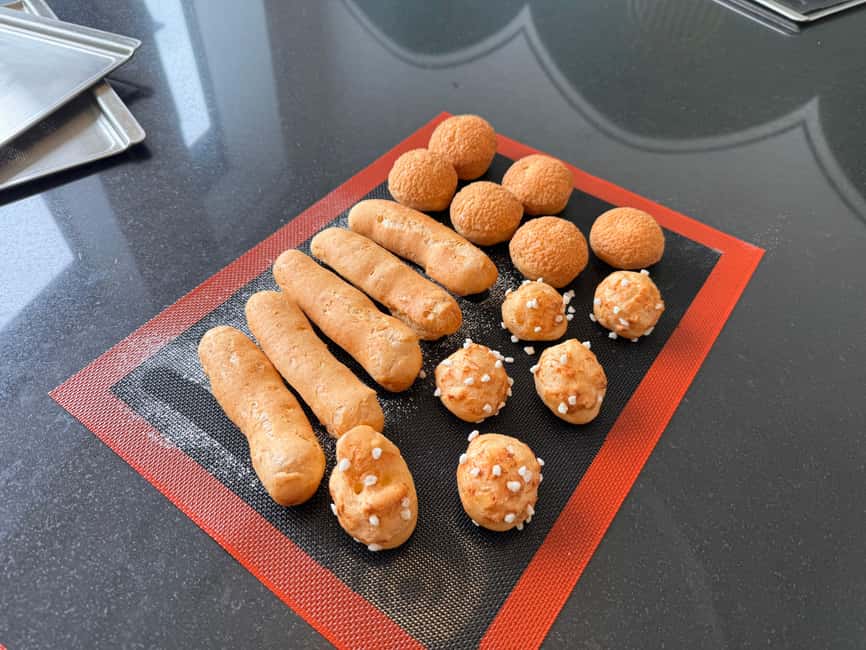
This isn’t a long walking tour with lots of stops. It’s a concentrated baking session in a Parisian apartment setting with a grey storefront on the ground floor. When you arrive at Studio Pâtisserie, you’re basically switching from visitor mode to workshop mode.
You’ll start with the core lesson: making choux pastry dough. Then you move into shaping and baking, where the “how” matters as much as the “what.” After that, you shift to fillings and toppings so your eclairs feel personal instead of identical.
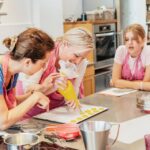
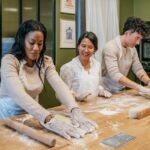
Because it’s a small group limited to 8 participants, the chef can correct technique while you’re still in the middle of the process. That’s the difference between leaving with a pastry and leaving with a skill.
Throughout the session, you’re also learning the practical details that separate homemade from bakery-level results. Things like how to handle the dough, what the batter should look like, and how to avoid common mistakes that ruin texture.
And yes, you’ll get drinks (coffee, tea, sparkling water, soda, juice). The point isn’t a big meal; it’s a comfortable workshop rhythm while you bake, taste, and adjust.
Choux Dough Basics: Measurements and Temperature Do the Work
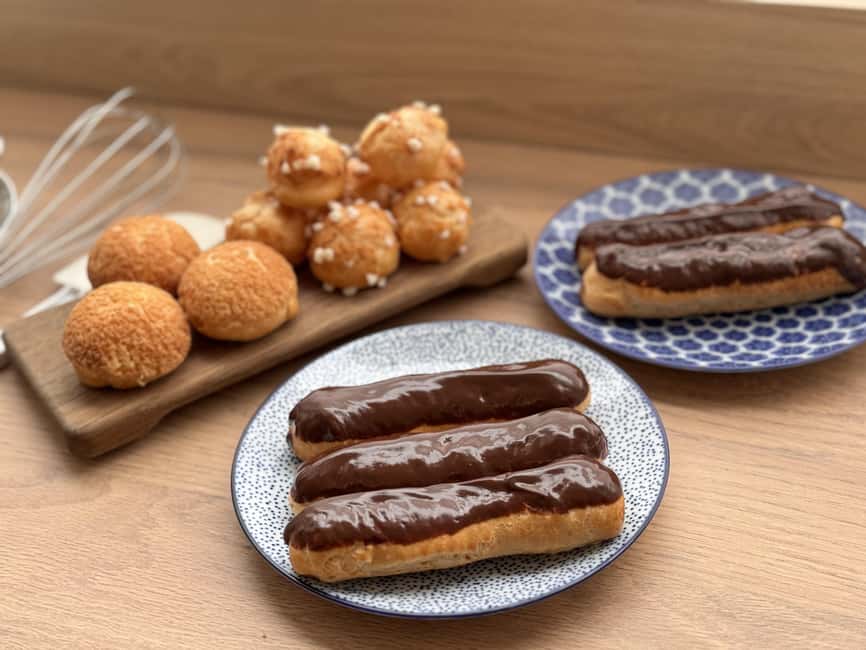
Choux pastry looks simple on paper: flour, water, butter, eggs. But the method is where it becomes tricky. This class teaches the fundamentals of working with choux pastry with a strong emphasis on precise measurements and temperatures.
That matters because choux has a short window where everything must come together correctly. If the heat is off or the measurements drift, the dough’s structure can suffer. The chef focuses on getting you to understand that cause-and-effect, not just memorize steps.
As you work, you’ll practice building dough to a workable consistency. You’ll learn what the dough should be like before you pipe it, and why rushing that part leads to problems later when you bake.
You’ll also get “insider tips and tricks” aimed at consistency. That’s what you’re really paying for. Ingredients are easy to buy later. Technique is what takes practice, and this class gives you the guidance you’d normally get only by apprenticing.
For me, the value here is that you leave with a clearer mental model of choux. Next time you make it at home, you can troubleshoot instead of starting over.
Piping and Baking: Getting the Crisp Shell and Airy Interior
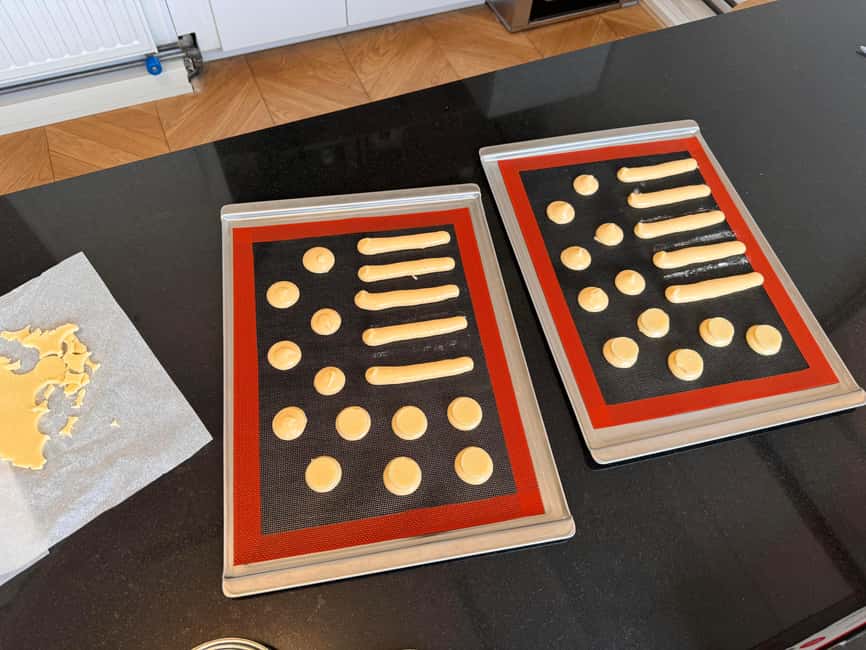
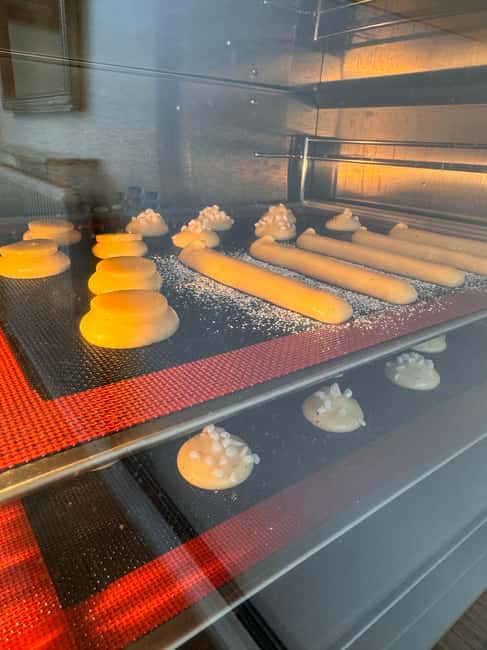
Shaping is where a lot of at-home bakers struggle. In the class, you’ll work directly with the dough and learn how to form the eclair shapes properly so they bake with the right structure.
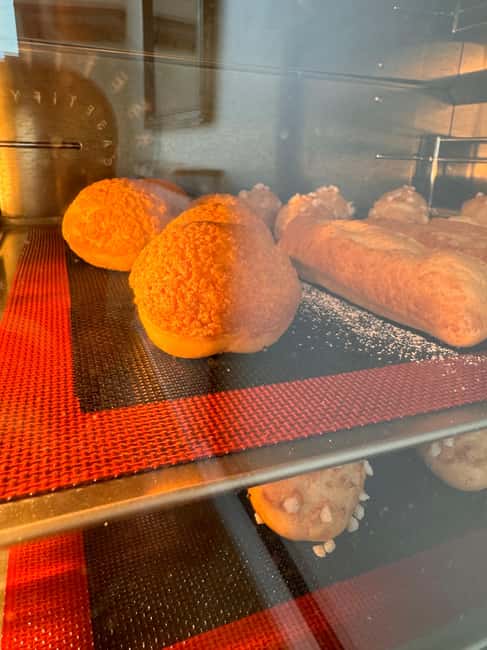
Then comes the real test: the oven and the result. The workshop is specifically about achieving a perfect crisp shell and the light, airy interior that defines a classic eclair. That’s not vague. You learn what the finished pastry should look and feel like, and what factors influence it.
Even if you’ve baked before, this is a different kind of dough behavior. Choux puffs and sets in a way that rewards correct technique. If you take shortcuts, the pastry can come out flat, heavy, or uneven.
The small group setup helps here because you can get feedback during the critical steps. If your dough seems too soft or your piping is inconsistent, the chef can point you in the right direction while there’s still time to correct course.
One practical upside: because the class is only 150 minutes, you’re not stuck waiting around. You’re actively working, learning by doing, and adjusting as you go.
Fillings and Toppings: Ganache, Pastry Cream, and Your Own Signature Eclair
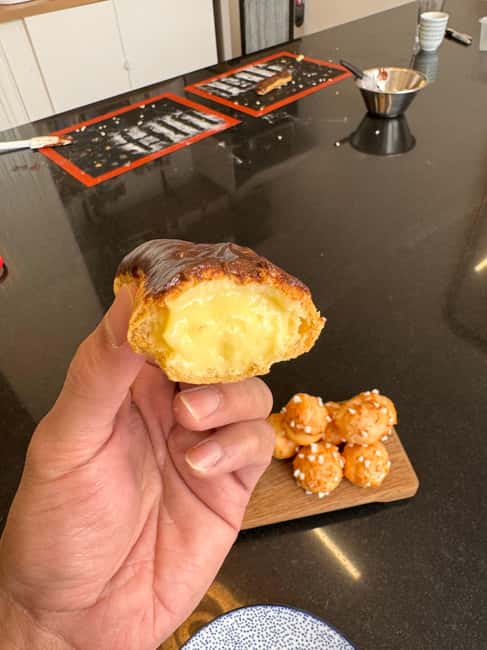
A great eclair isn’t just the shell. It’s what’s inside, and this class treats fillings as a key skill. You’ll learn how to prepare an array of fillings so you can customize your eclairs.
Two fillings are called out clearly: rich chocolate ganache and silky pastry cream. Those are classic choices, and they’re also excellent training tools. Ganache teaches texture and smoothness. Pastry cream teaches careful handling so it sets with a clean, spoonable finish.
You’ll also learn how to assemble and finish your pastries with toppings. The specific toppings aren’t itemized in the info you have, but the class description does emphasize that you’ll be working on toppings and final presentation.
This is where the “hands-on workshop” part pays off. At home, you might be tempted to use a shortcut filling. Here, you learn what changes texture and flavor so you can recreate the results later.
I also like that your customization isn’t treated as extra. It’s part of the learning outcome. You’re practicing a French pastry style while still leaving with something that reflects your taste.
You can also read our reviews of more tours and experiences in Paris



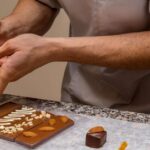

Drinks, Comfort, and What’s Included (So You Don’t Overthink It)
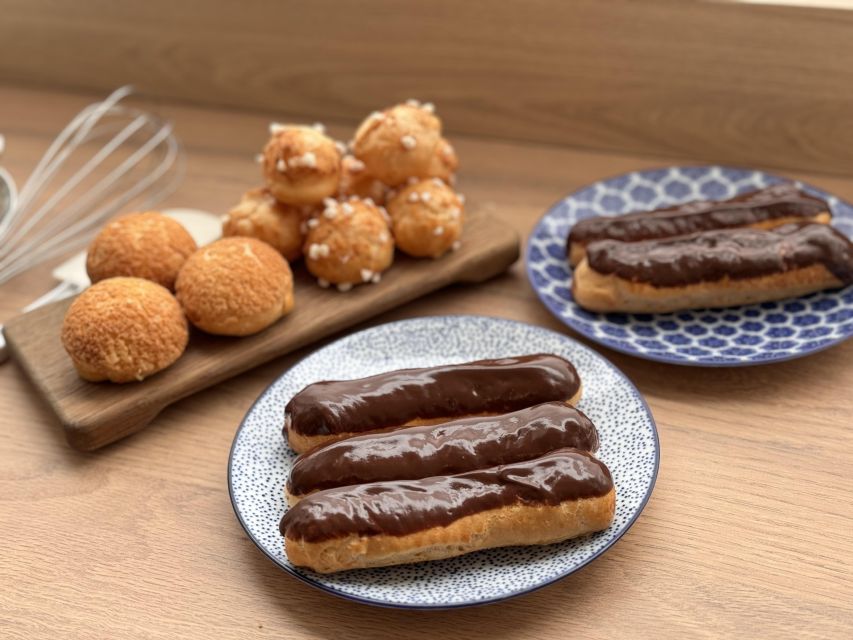
You’re not going to this class for a full meal. What’s included is the baking experience itself: ingredients, equipment, expert instruction, and a box of what you bake to take home.
Drinks are included too: coffee, tea, sparkling water, soda, and juice. That’s genuinely helpful in a workshop setting, because it keeps the experience comfortable while you concentrate on timing and technique.
All necessary ingredients and equipment are provided, so you don’t need to pack flour, piping bags, or anything else. That’s a big value point if you’re traveling and don’t want to lug baking supplies across Paris.
What’s not included is meals and drinks beyond what’s listed. If you arrive hungry, plan a light snack before you go. If you’re the type who likes to eat between steps, bring that habit into planning—just know you won’t be served a full meal here.
Also, you’re given a box for your freshly baked creations. That’s not just a nice extra. It lets you share with friends or save some for later, which makes the class feel like a complete experience instead of a short burst of learning.
Location Inside a Parisian Apartment: Small Space, Real Workshop Energy
The meeting point is a Parisien-type apartment with a grey storefront, located on the ground floor. That detail matters because these smaller workshops can be easy to miss if you’re expecting a big storefront.
This setup also explains why the class stays intimate. You’re working in a space designed for teaching and baking, not a sprawling commercial facility. In a small room, everyone is close to the action, which makes instruction and correction more effective.
You should plan to arrive 5–10 minutes early. The class starts on time, and if you’re more than 15 minutes late, you can’t join. So give yourself a little buffer for walking, finding the entrance, and settling in.
The instructor is English, which is great if your French is limited. You’ll still be in a French pastry environment, but the explanation of technique stays clear.
Small group plus close instruction is exactly what you want for something like choux pastry, where timing and texture matter.
Price and Value: What $128 Buys You in Real Terms
At $128 per person, this class sits in the “serious experience” range. The good news is that the price aligns with what’s difficult to recreate on your own: expert guidance, technique coaching, and a guided path through choux pastry and eclairs.
Here’s what you get for the money:
- Expert instruction on making eclairs and choux pastries
- All necessary ingredients and equipment
- Drinks during the session
- A box of your freshly baked creations to take home
That combination is the value. A baking class isn’t only about the ingredients. It’s about getting corrected while you work, so you stop repeating mistakes. That’s why small group matters here.
You also get structured learning across dough, baking, and fillings. Some cooking classes focus only on shaping or only on finishing. This one covers the core system: choux pastry basics, eclair building, and multiple fillings.
If you enjoy hands-on cooking and want a skill you can repeat later, the price starts to make sense quickly. If you’re looking for passive sightseeing or a casual snack experience, this might feel more structured and technical than you want.
Who Should Book This Eclair Baking Class
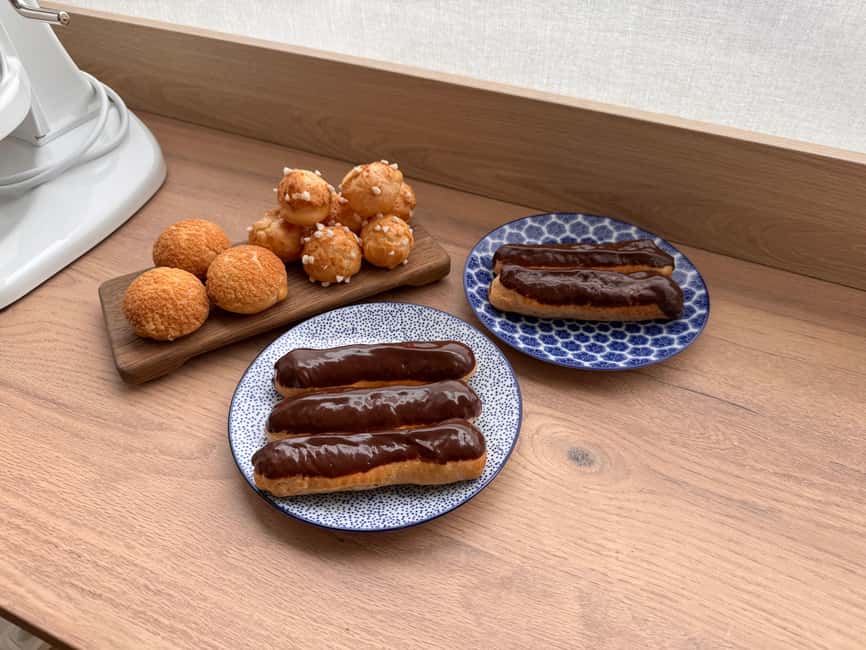
This works best if you’re the kind of person who likes to learn by doing and wants a clear outcome. You’ll leave with eclairs you can box up and share, but you’ll also leave with a better understanding of how choux pastry behaves.
It’s a strong fit if:
- You’ve tried baking choux before and want technique corrections
- You want to impress people with something more specific than cookies
- You enjoy pastry enough to care about texture and structure
It’s less ideal if:
- You want a relaxing, minimal-effort activity
- You’re traveling with very young kids (it’s not suitable for children under 10)
Language-wise, the class is in English, so it’s accessible for English speakers. And with small group size limited to 8, you’re less likely to feel lost in the crowd.
Should You Book Studio Pâtisserie’s Eclair Class?
I’d book it if your goal is a real French pastry skill, not just a souvenir treat. The combination of choux fundamentals, hands-on instruction, and take-home results makes it feel worth the time.
I’d also consider it if you like structure. You’ll practice the steps that control crispness and interior texture, plus fillings like chocolate ganache and pastry cream. That’s the stuff that turns an eclair from good to proper.
One final decision check: can you commit to punctual arrival? If you’re good with that, this class is a solid, focused choice in Ile-de-France.
If you want something lighter and you’d rather browse markets than work dough, you might prefer a different kind of food experience. But for skill-building pastry lovers, this one is an easy yes.
FAQ
Where is the meeting point?
The class meets at a Parisian-type apartment with a grey storefront on the ground floor.
How long is the class?
It lasts 150 minutes.
What is the price per person?
The price is $128 per person.
Is the class taught in English?
Yes. The instructor teaches in English.
How big is the group?
It’s a small group limited to 8 participants.
What ages are allowed?
Children under 10 are not suitable. Participants age 17 and below must be accompanied by an adult.
Can I take pastries home?
Yes. You get a box to take your freshly baked creations home.
What drinks are included?
Drinks included are coffee, tea, sparkling water, soda, and juice.
What if I’m late or need to cancel?
Please arrive 5–10 minutes early because the class starts on time, and you cannot join if you are more than 15 minutes late. Free cancellation is available up to 24 hours in advance for a full refund.